Alphabet Learning Alphabet Worksheets for 9-Year-Olds
3 filtered results
-
From - To
Discover our engaging Alphabet Learning Worksheets designed specifically for 9-year-olds! These resources are perfect for enhancing letter recognition, phonetic awareness, and writing skills in a fun and interactive way. Our thoughtfully crafted exercises encourage young learners to explore the alphabet through a variety of exciting activities, including tracing, coloring, and word association. Each worksheet aligns with educational standards to ensure a comprehensive learning experience. Whether used in the classroom or at home, these worksheets help build confidence in reading and literacy skills. Empower your child's learning journey with our expertly created alphabet worksheets today!
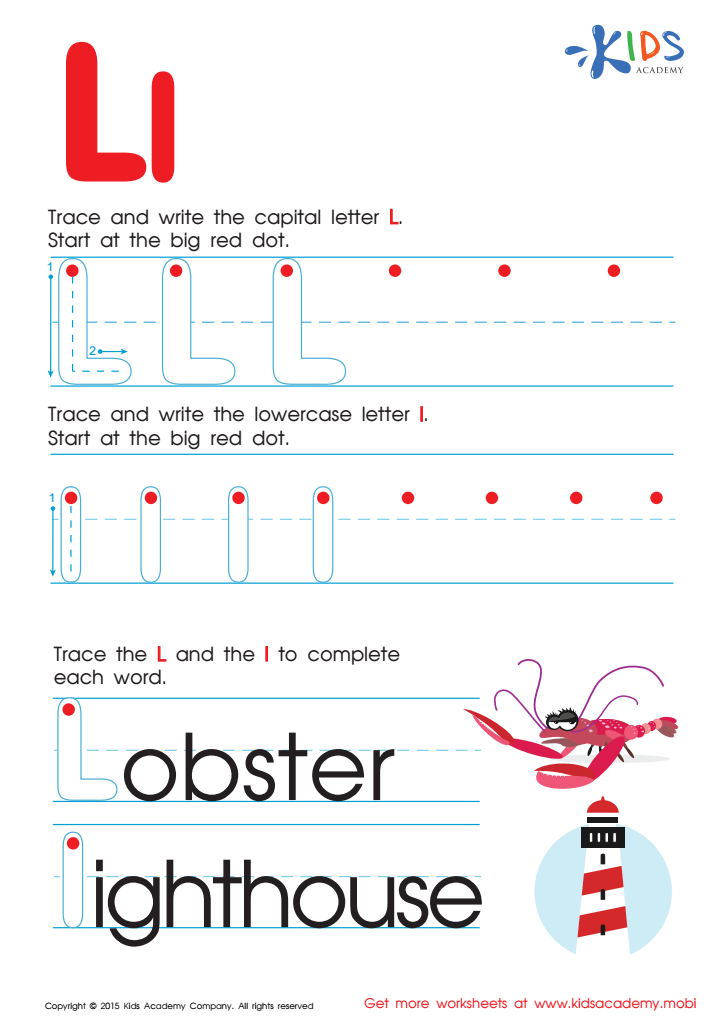
Letter L Tracing Page
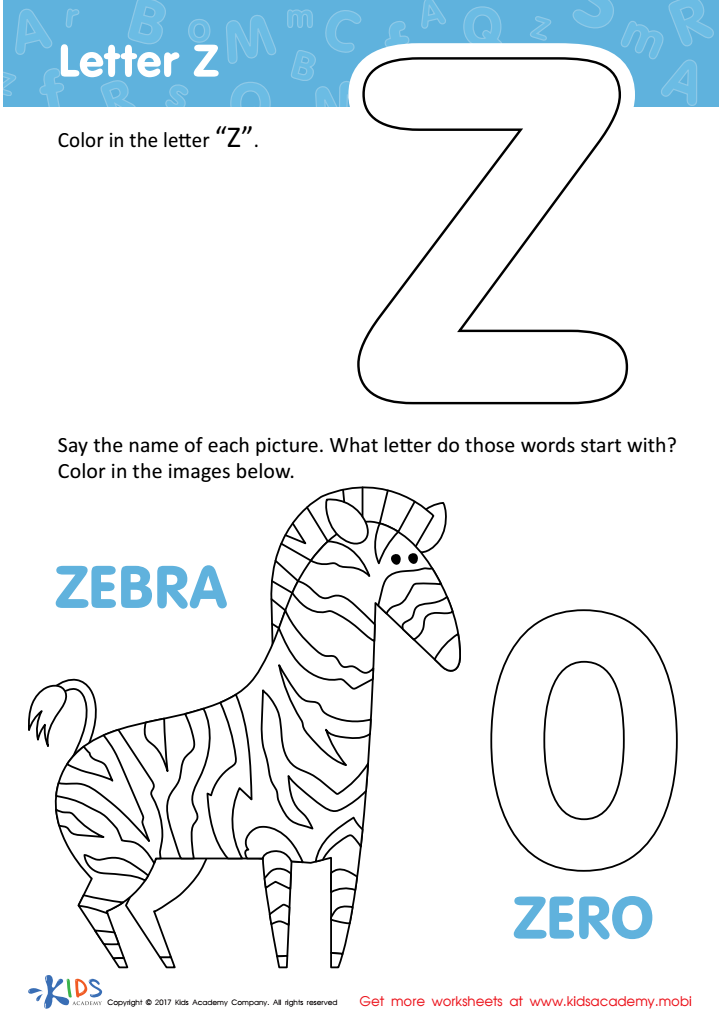
Letter Z Coloring Sheet
 Assign to My Students
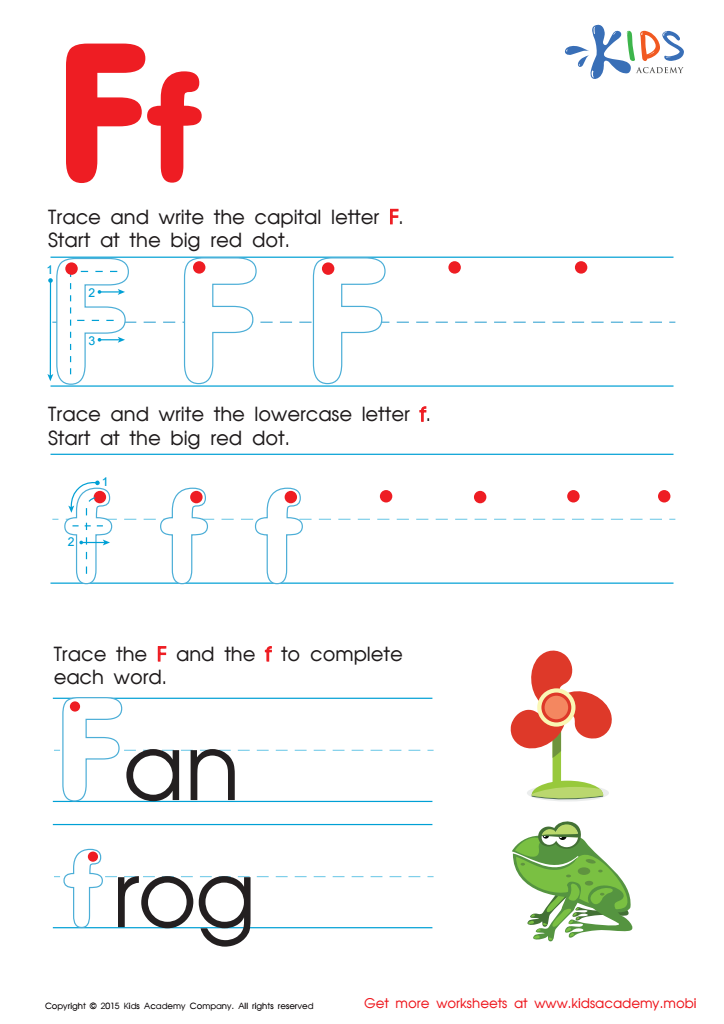
Letter F Tracing Page







Alphabet learning is fundamental for 9-year-olds, as it serves as a building block for literacy and overall academic success. At this age, children are transitioning from learning the basic letters and sounds to applying their understanding in reading comprehension, writing, and spelling. Mastery of the alphabet creates a solid foundation for language development, allowing children to recognize words more effectively and communicate their thoughts clearly.
Parents and teachers should care about this crucial phase because a strong grasp of the alphabet bolsters confidence in young learners. When children feel equipped to handle reading and writing tasks, they are more likely to engage with learning positively. Additionally, helping children develop phonemic awareness and decoding skills is essential for preventing future reading difficulties.
Moreover, literacy skills correlate with academic performance across subjects. Children who excel in reading often perform better in math, science, and social studies, making alphabet learning not just relevant to language arts but integral to a well-rounded education.
Fostering a love for reading and writing through effective alphabet learning can inspire lifelong learning habits and a genuine interest in literature and education, ensuring a promising future for every child. Thus, both parents and educators play a key role in supporting this important journey.







