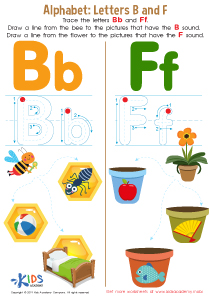
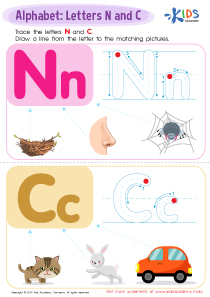
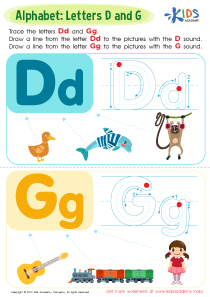
Fine Motor Skills Letter A Worksheets for 9-Year-Olds
3 filtered results
-
From - To
Discover engaging Fine Motor Skills Letter A Worksheets designed specifically for 9-year-olds! These worksheets provide a fun and interactive way for children to enhance their fine motor skills while learning about the letter A. Activities include tracing, coloring, and cutting exercises that improve hand-eye coordination and dexterity. Perfect for home or classroom use, these resources will help kids develop their writing abilities alongside their artistic talents. Each worksheet is thoughtfully crafted to capture the interest of young learners, making skill-building enjoyable. Visit us today to download these valuable resources and support your child's early education journey!
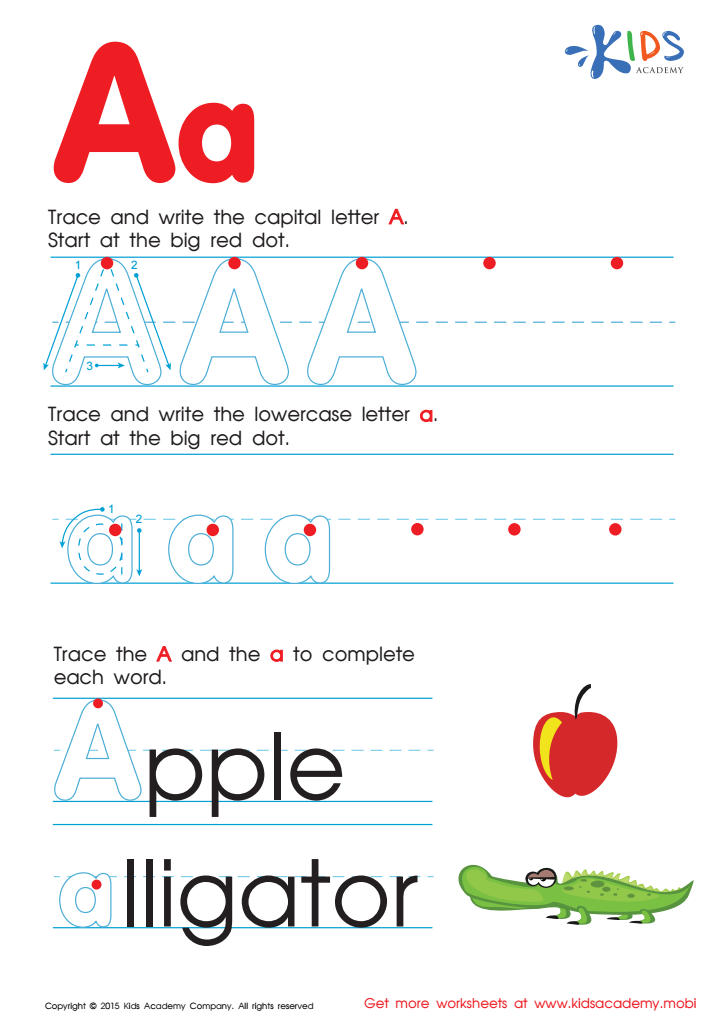
Letter A Tracing Page
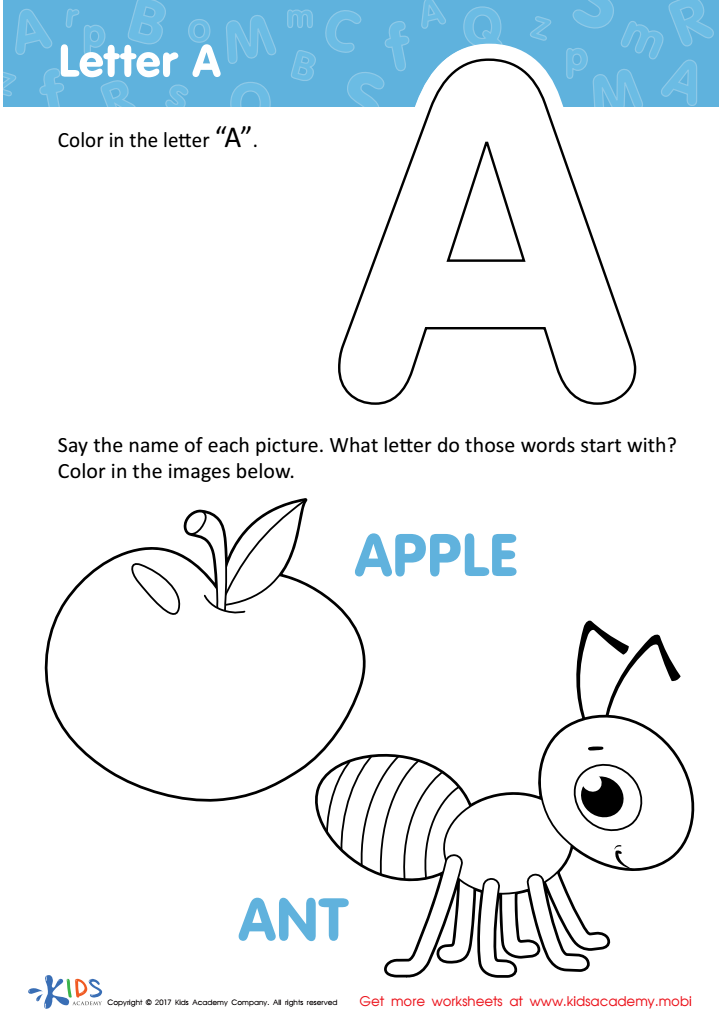
Letter A Coloring Sheet
 Assign to My Students
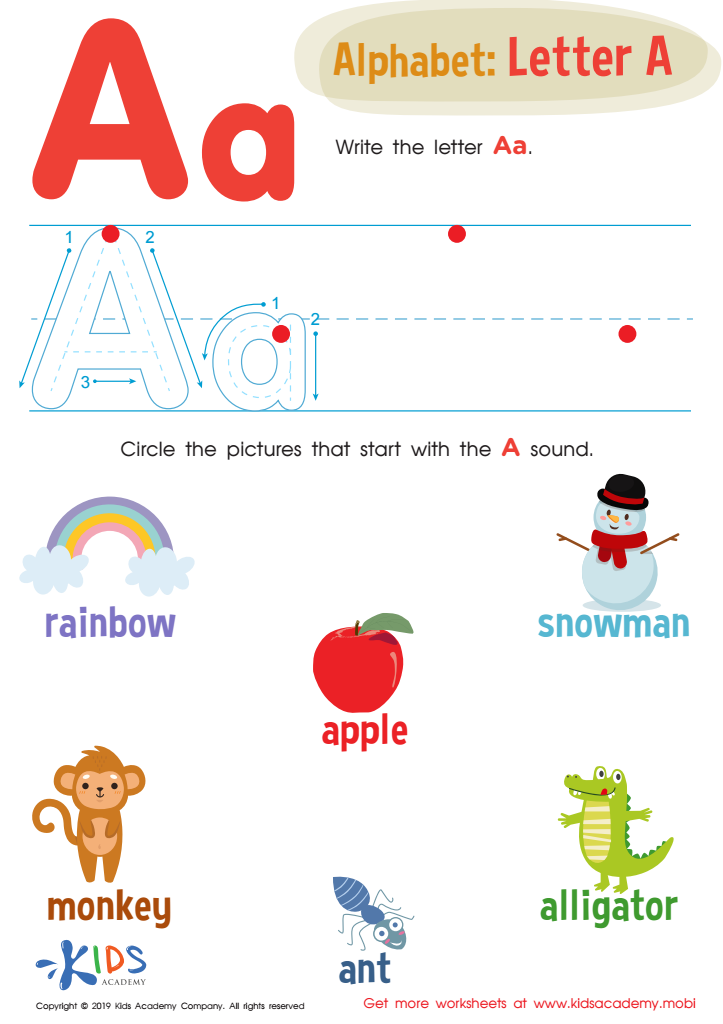
Letter A Tracing Worksheet







Fine motor skills are crucial for the overall development of 9-year-olds, and understanding their importance in the context of fine motor skills is essential for parents and teachers. At this age, children are refining their ability to control small movements that require precision and coordination, which can greatly impact their academic journey and daily life.
Fine motor skills involve the use of small muscles in the hands and fingers, which are vital for tasks such as writing, drawing, cutting, and manipulating small objects. Mastery of these skills aids in writing legibility, which directly affects a child’s ability to effectively communicate ideas and thoughts. As they begin to engage in more complex tasks and subjects, such as crafting detailed projects or solving math problems, strong fine motor skills become even more critical.
Moreover, developing fine motor skills also contributes to self-confidence and independence in children. Being able to tie their shoes, use utensils, and participate in arts and crafts enhances their sense of accomplishment and encourages a hands-on learning approach. Parents and teachers play a vital role in providing opportunities for practice and development, ensuring that children have the tools they need to succeed academically and socially.