Fine Motor Skills Letter E Worksheets for 9-Year-Olds
3 filtered results
-
From - To
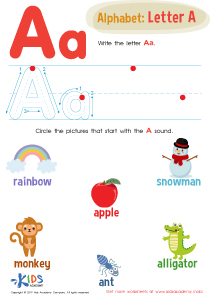
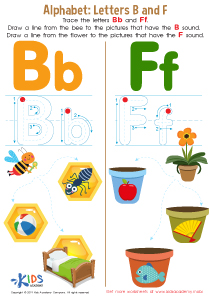
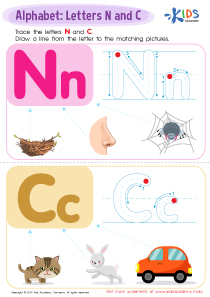
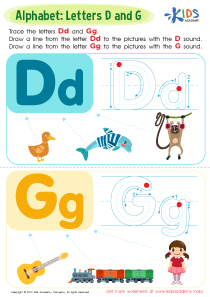
Enhance your child's fine motor skills with our engaging letter E worksheets specifically designed for 9-year-olds. These printable activities combine fun and education, helping children refine their hand-eye coordination, pencil grip, and dexterity through tracing, coloring, and cutting exercises. Each worksheet emphasizes the letter E, promoting letter recognition while providing opportunities for creativity and expression. Perfect for at-home learning or classroom use, these resources encourage active participation and skill development. Support your child's literacy journey while improving essential motor skills—download our Letter E fine motor skills worksheets today and watch them thrive!
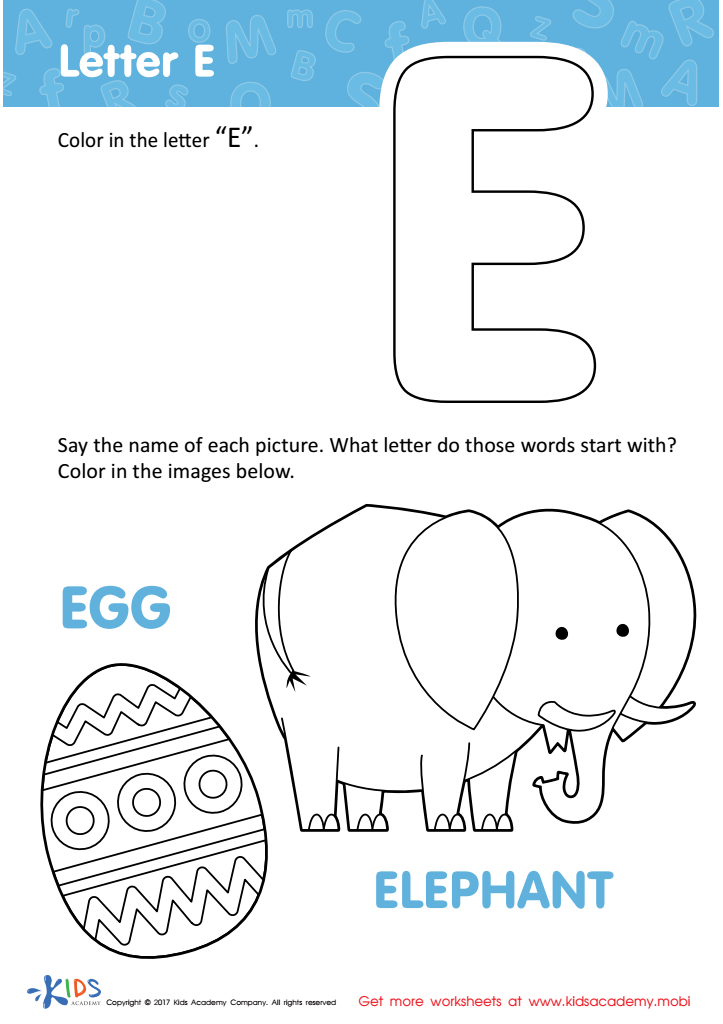
Letter E Coloring Sheet
 Assign to My Students
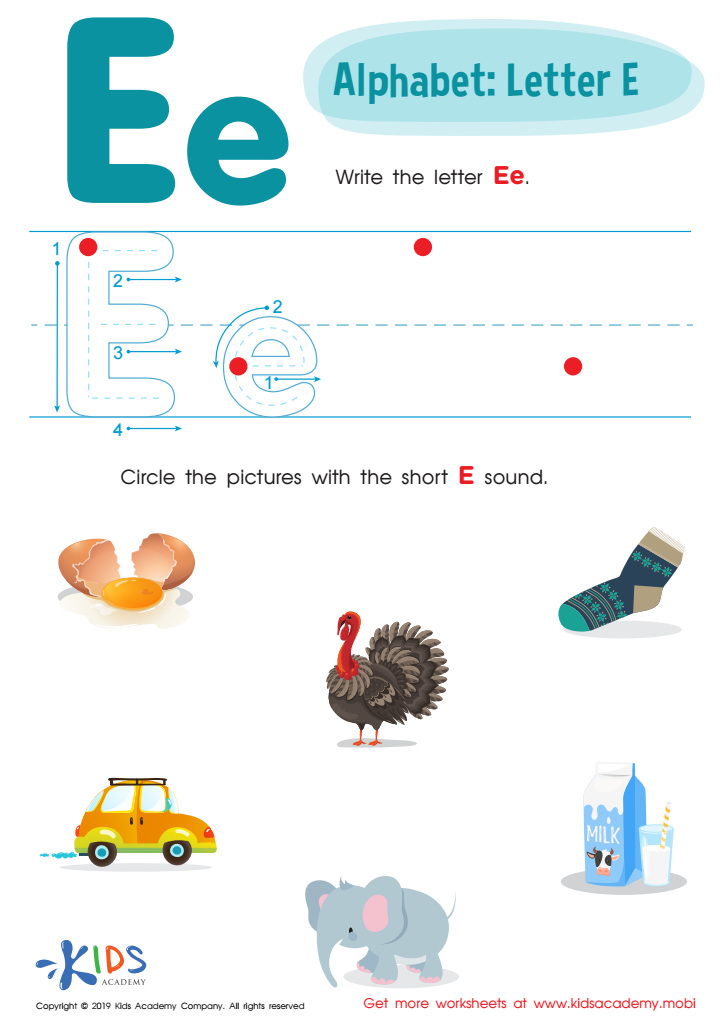
Letter E Tracing Worksheet
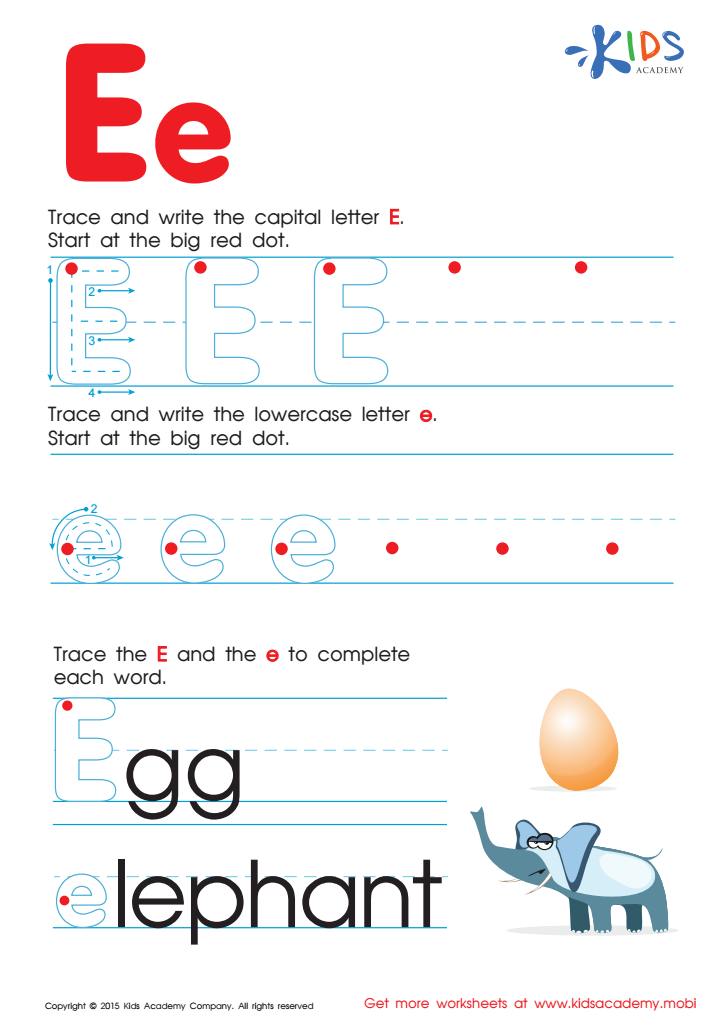
Letter E Tracing Page






Fine motor skills are critical for a child's overall development, especially at age nine. These skills involve the coordination of small muscles, primarily in the hands and fingers, allowing children to perform tasks like writing, drawing, and manipulating small objects. Encouraging focus on fine motor skills, such as grasping a pencil correctly or using scissors, can significantly enhance a child’s handwriting, which is vital for academic success.
At this age, children engage in more intricate writing and art projects. Improved fine motor skills promote self-confidence as students see the results of their efforts in neat work and creative expressions. Moreover, fine motor activities can foster cognitive growth. Engaging in tasks that require precision encourages problem-solving and critical thinking.
Teachers and parents have a crucial role in nurturing these skills through interactive activities like crafts, building with small blocks, or playing with modeling clay. By prioritizing fine motor development, caregivers lay the groundwork for children’s future learning experiences, personal independence, and emotional satisfaction in their accomplishments. Overall, understanding the importance of fine motor skills by both parents and teachers can lead to better educational outcomes and fulfillment in a child's growth trajectory.