Handwriting improvement Letter Recognition Worksheets for 9-Year-Olds
3 filtered results
-
From - To
Boost your child's handwriting and letter recognition skills with our engaging worksheets tailored for 9-year-olds. Designed to promote clarity and confidence in writing, these worksheets offer a fun way for kids to practice letter formation, improve their penmanship, and reinforce essential alphabet recognition. Each activity includes captivating illustrations and interactive exercises to make learning enjoyable. As they trace, write, and identify letters, children will develop fine motor skills while enhancing their reading and writing proficiency. Perfect for classroom use or at-home practice, our handwriting improvement worksheets are a valuable resource for young learners eager to excel in their education.
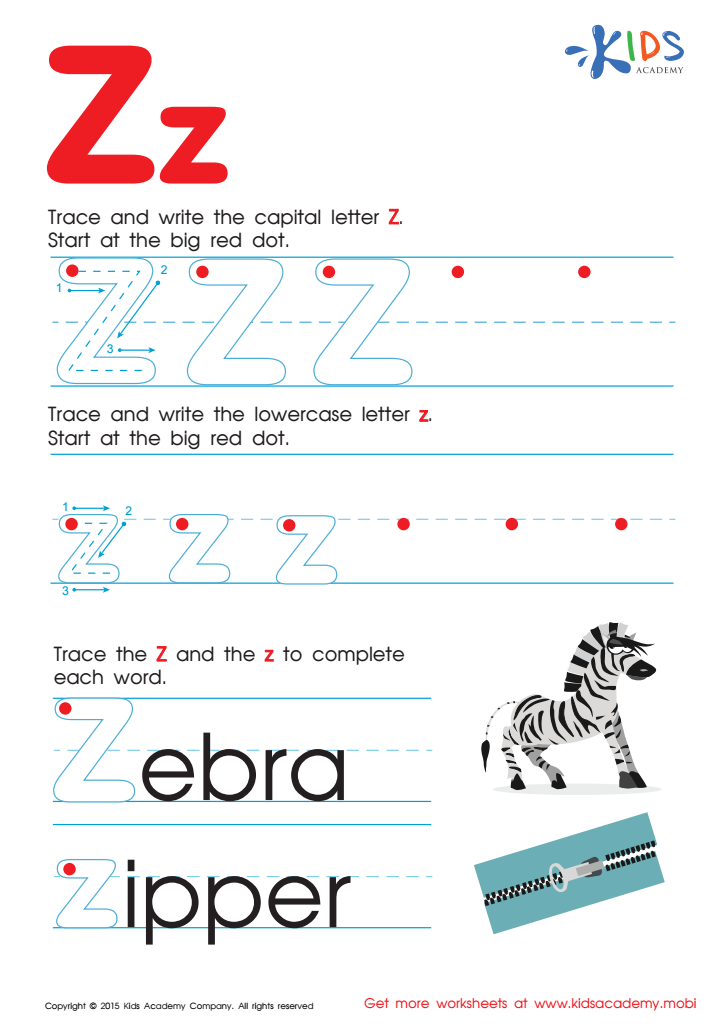
Letter Z Tracing Page
 Assign to My Students
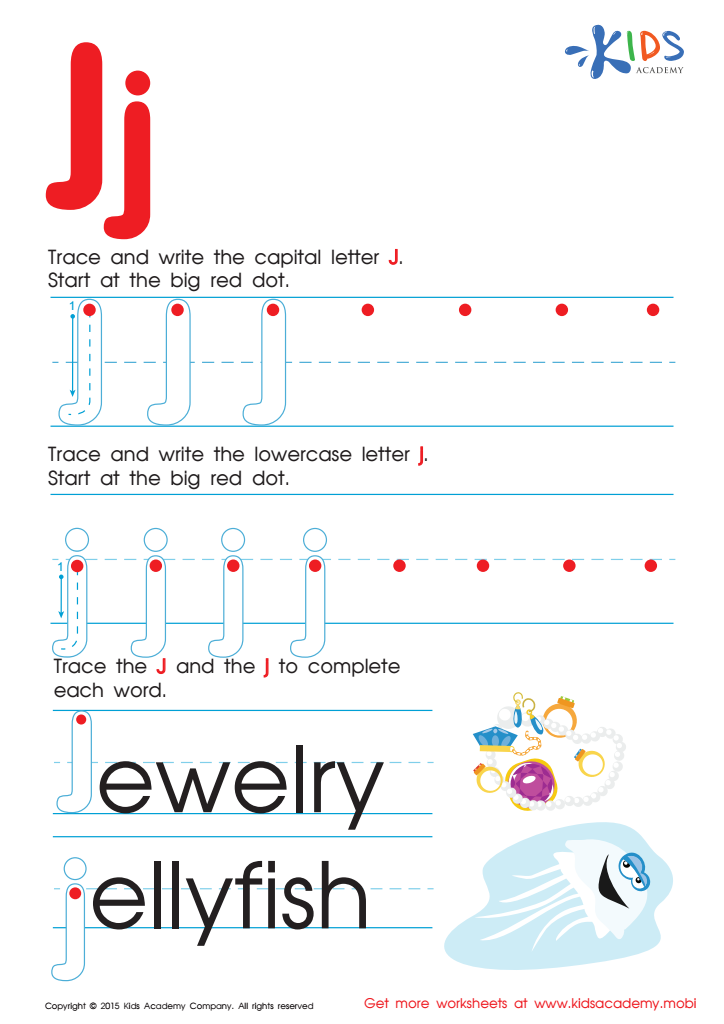
Letter J Tracing Page
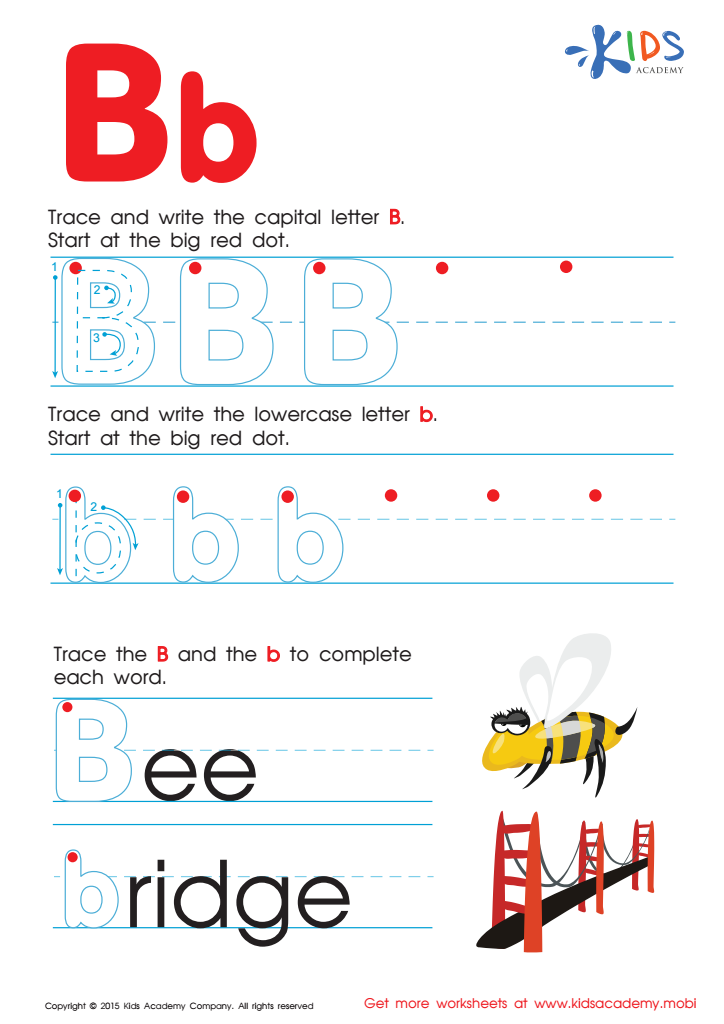
Letter B Tracing Page








Handwriting improvement and letter recognition are crucial for 9-year-olds as they significantly influence a child’s overall academic development. At this age, students are transitioning from learning to write to writing to learn. Clear handwriting aids in expressing thoughts cohesively and reduces misunderstandings in written assignments. Improved handwriting also contributes to increased confidence in communication skills, encouraging children to participate more actively in classroom discussions and writing tasks.
Letter recognition is equally essential, as it forms the foundation of literacy. Mastery of letter recognition helps children decode words, fostering reading fluency and comprehension. When children can easily identify letters and their sounds, it enhances their ability to spell and develop vocabulary, which is crucial for academic success.
Moreover, as students progress in their education, the expectation for legible and organized written work increases. Parents and teachers who prioritize handwriting improvement and letter recognition not only equip children with vital skills for school but also for future endeavors. Encouraging practice through engaging activities boosts motivation and enjoyment in learning, creating a positive relationship with writing. Ultimately, supporting these key areas aids in nurturing well-rounded learners, prepared for the challenges ahead.







