
Letter Tracing Practice Letter Recognition Worksheets for 9-Year-Olds
3 filtered results
Difficulty Level
Grade
Age
-
From - To
Subject
Activity
Standards
Enhance your 9-year-old's literacy skills with our Letter Tracing Practice and Letter Recognition Worksheets! These engaging resources are designed to encourage handwriting development and boost letter recognition through fun and interactive activities. Each worksheet focuses on different letters of the alphabet, allowing children to trace, color, and identify both uppercase and lowercase letters. Ideal for reinforcing classroom learning or home practice, our worksheets promote fine motor skills while making learning enjoyable. Explore a variety of captivating designs and themes to keep your child motivated as they master each letter. Download now for a creative way to support your child's education!
Favorites
With answer key
Interactive
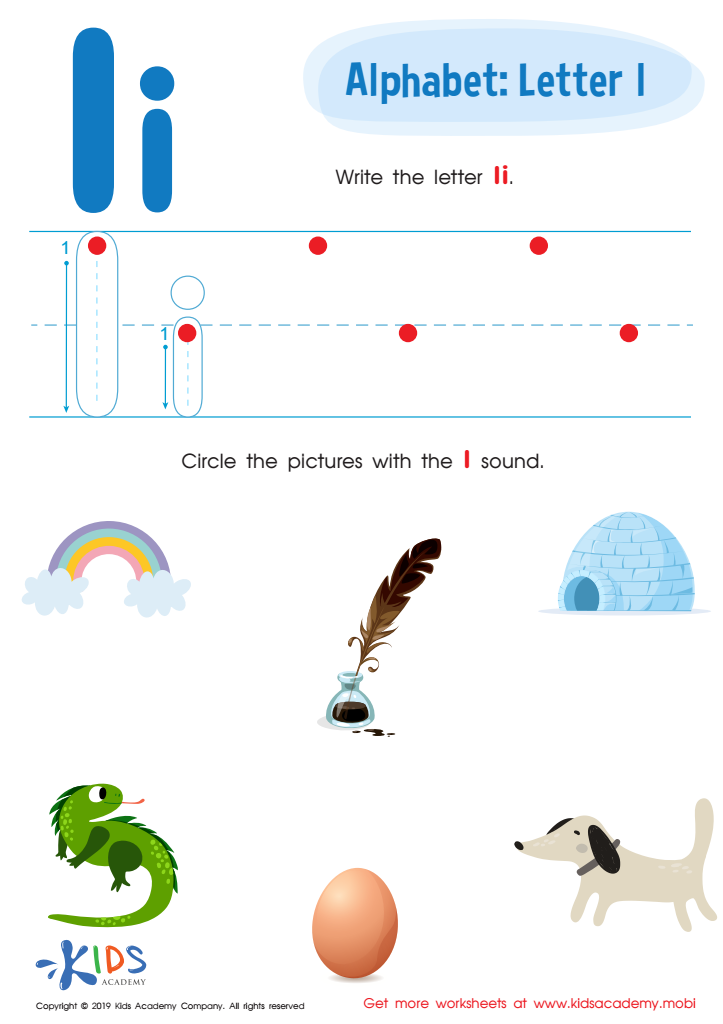
Letter I Tracing Worksheet
Kids can hone tracing, writing and identifying skills for the letter 'I' with this worksheet. Whether visual or reading/writing learners, every child can benefit from the tasks - tracing, writing and circling objects beginning with 'I'. This free sheet will soon get preschoolers confident with the 'I' letter!
Letter I Tracing Worksheet
Worksheet
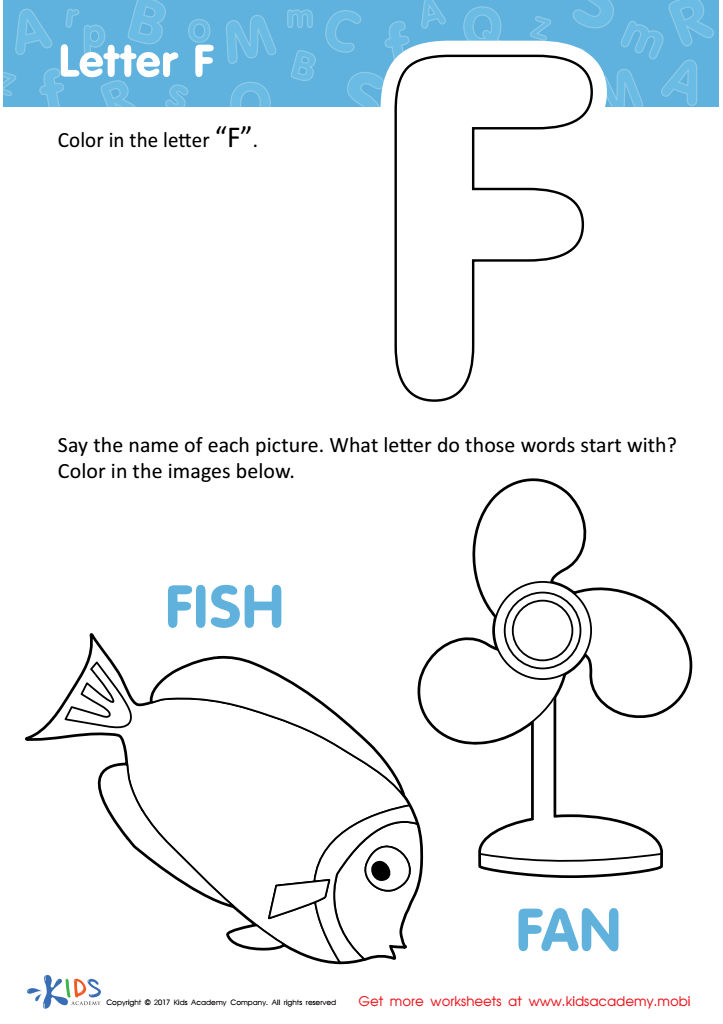
Letter F Coloring Sheet
Coloring pages help kids learn to recognize letters and sounds. Our "F" page has kids color a fish and a fan. It's a great way to introduce them to the letter "F" using words they already know.
Download (PDF)
 Assign to My Students
Assign to My Students
Letter F Coloring Sheet
Worksheet
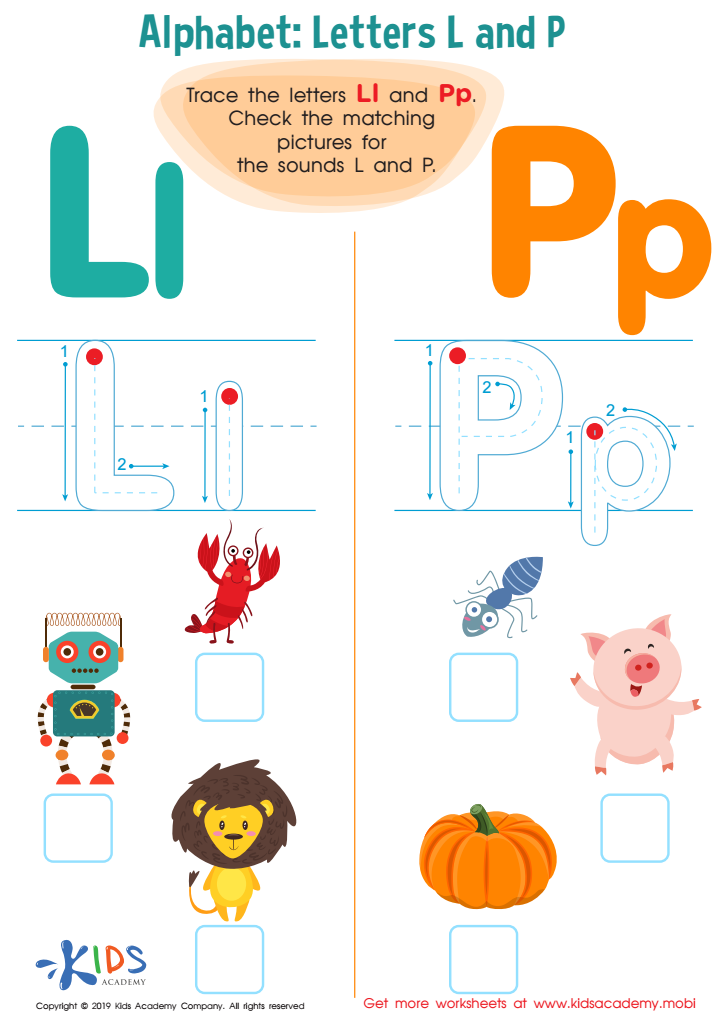
Letter L and P Tracing Worksheet
This traceable worksheet can motivate your students to learn and practice core skills. They'll trace the letters 'L' and 'P' and identify the pictures next to them. With this exercise, they'll unlock their learning abilities and excel in the subject!
Letter L and P Tracing Worksheet
Worksheet
Join Kids Academy for Free
Who is primarily going to use this learning content?








Letter tracing practice and letter recognition are crucial components of literacy development for 9-year-olds. At this age, children are transitioning from learning to read to reading to learn, making strong foundational skills vital for academic success. Engaging in letter tracing allows children to develop fine motor skills, essential for writing legibility and confidence. Furthermore, tracing helps solidify their understanding of letter formation, which is fundamental as they start to construct their own written work.
Letter recognition is equally important; it enhances vocabulary acquisition and reading comprehension. Recognizing letters quickly enables children to decode words, improving their fluency and helping them develop a positive attitude toward reading. By mastering these skills, they are better equipped to tackle complex texts, participate in classroom discussions, and engage in creative writing challenges.
For parents and teachers, fostering an environment where letter tracing and recognition are prioritized can greatly impact a child's learning trajectory. Incorporating these activities into daily routines can not only enhance academic performance but also build a lifelong love for reading and writing, empowering children to navigate the world of communication effectively. All contributing to their overall development as confident learners and individuals.







