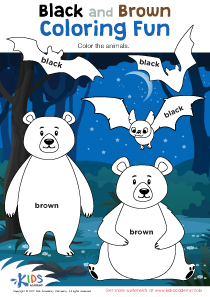
Alphabet Learning English for Beginners Worksheets for 9-Year-Olds
3 filtered results
-
From - To
Our "Alphabet Learning English for Beginners Worksheets for 9-Year-Olds" are designed to make learning fun and engaging. Tailored specifically for young English language learners, these worksheets help solidify the basics of the alphabet through a variety of interactive activities. Each worksheet offers colorful visuals, clear instructions, and exercises that promote letter recognition, phonetic awareness, and writing skills. Perfect for parents and teachers, these worksheets provide a structured path to mastering the English alphabet, ensuring students build a strong foundation for further language development. Enhance your child’s learning journey with our expertly crafted, educational tools.
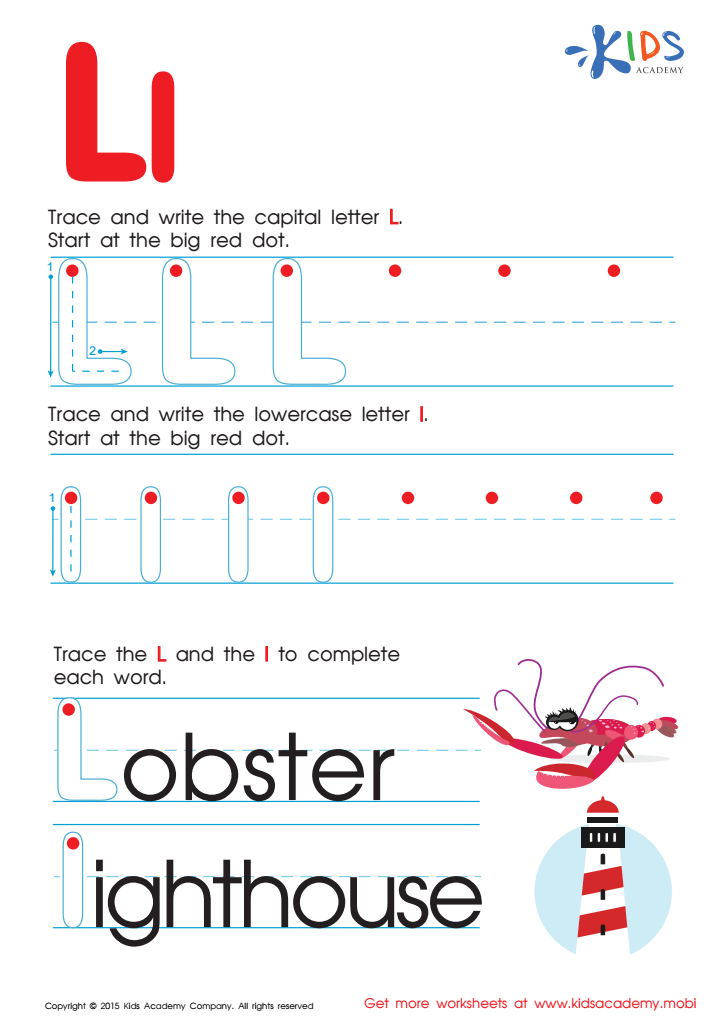
Letter L Tracing Page
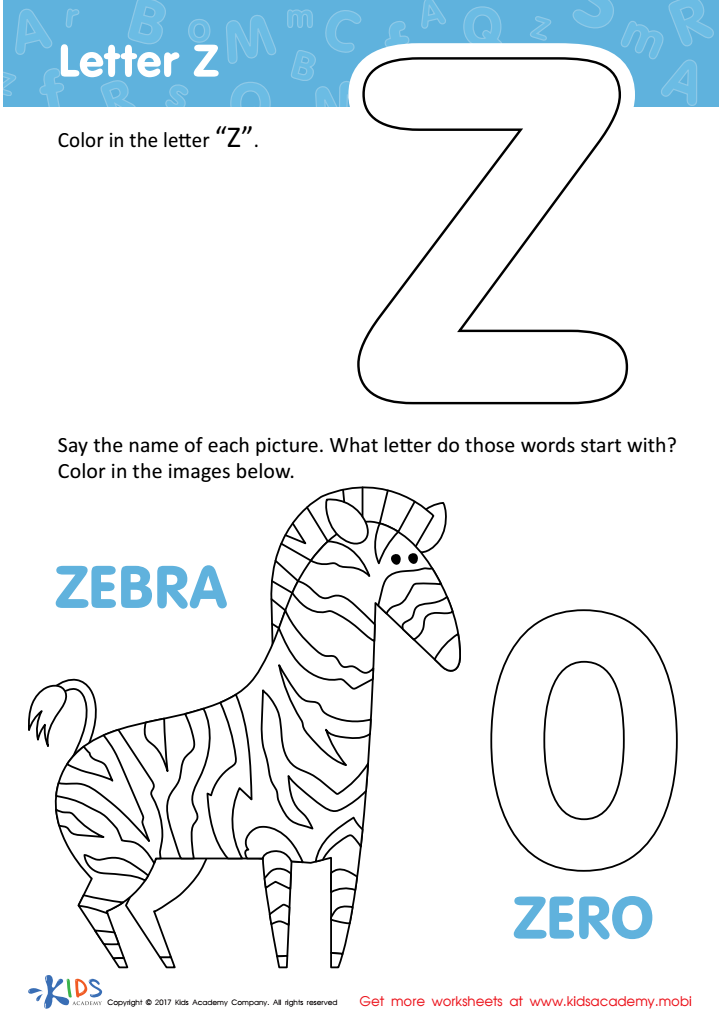
Letter Z Coloring Sheet
 Assign to My Students
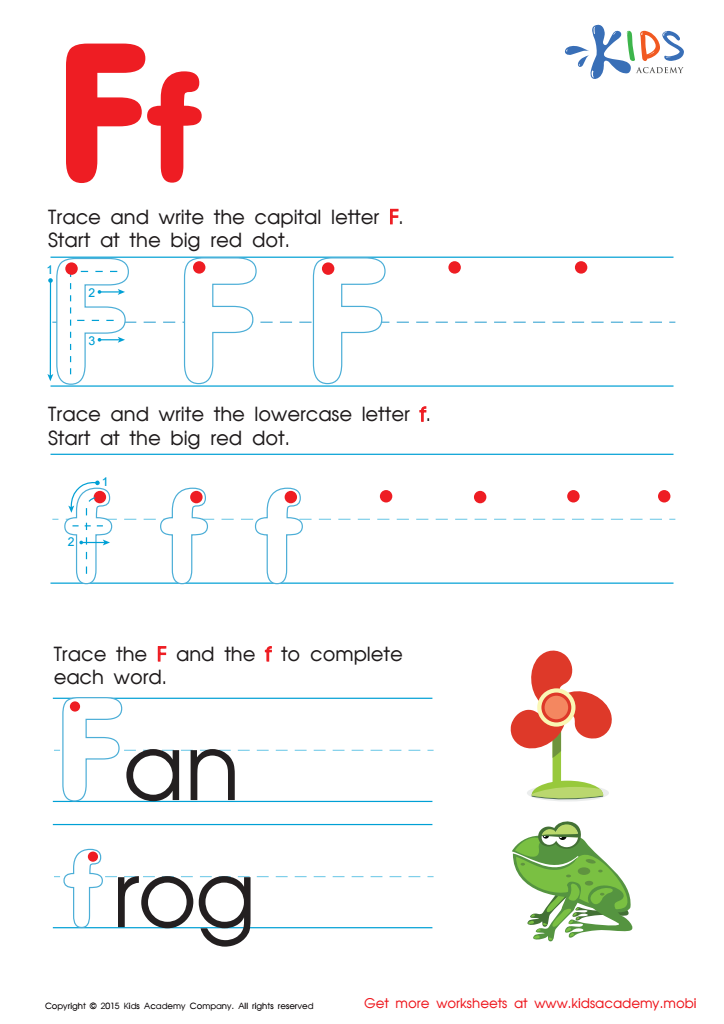
Letter F Tracing Page





Parents and teachers should prioritize Alphabet Learning English for beginners, including 9-year-olds, because it lays the essential foundation for linguistic and cognitive development. Mastery of the alphabet is the first step in proficiency in reading and writing, critical skills needed for academic success and effective communication. Early competence in the ABCs helps children recognize and connect letters with sounds, an important precursor to fluent reading. This early familiarity aids in the development of vocabulary, comprehension, and the ability to decode new words, boosting confidence and an eagerness to learn.
Beyond literacy, knowing the alphabet can enhance cognitive abilities, such as memory, attention to detail, and problem-solving skills. These are crucial across all subjects, including math and science. For parents and teachers, a structured approach to alphabet learning hones organizational and instructional strategies, setting a cooperative environment for consistent learning.
Moreover, being proficient in English early on bridges the gap between school curriculum standards and the child's current skills, preventing future struggles. Engaging with alphabet learning tools and activities can make the process enjoyable and motivating. Central to a child's lifelong love for learning, strong alphabet knowledge underscores the holistic development crucial for thriving in a rapidly changing world.