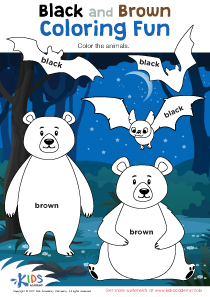
Sight word recognition English for Beginners Worksheets for 9-Year-Olds
3 filtered results
-
From - To
Welcome to our "Sight Word Recognition Worksheets for 9-Year-Olds," designed specifically for beginners in English! These engaging worksheets help young learners master essential sight words, enhancing their reading confidence and fluency. Each worksheet features a variety of fun activities, including word searches, fill-in-the-blanks, and matching exercises, tailored to reinforce word recognition skills. Ideal for both classroom and home use, these materials support the development of vocabulary and comprehension in a playful, interactive manner. Help your child progress in their English learning journey with our comprehensive resources, ensuring they truly grasp the foundational words essential for effective communication!
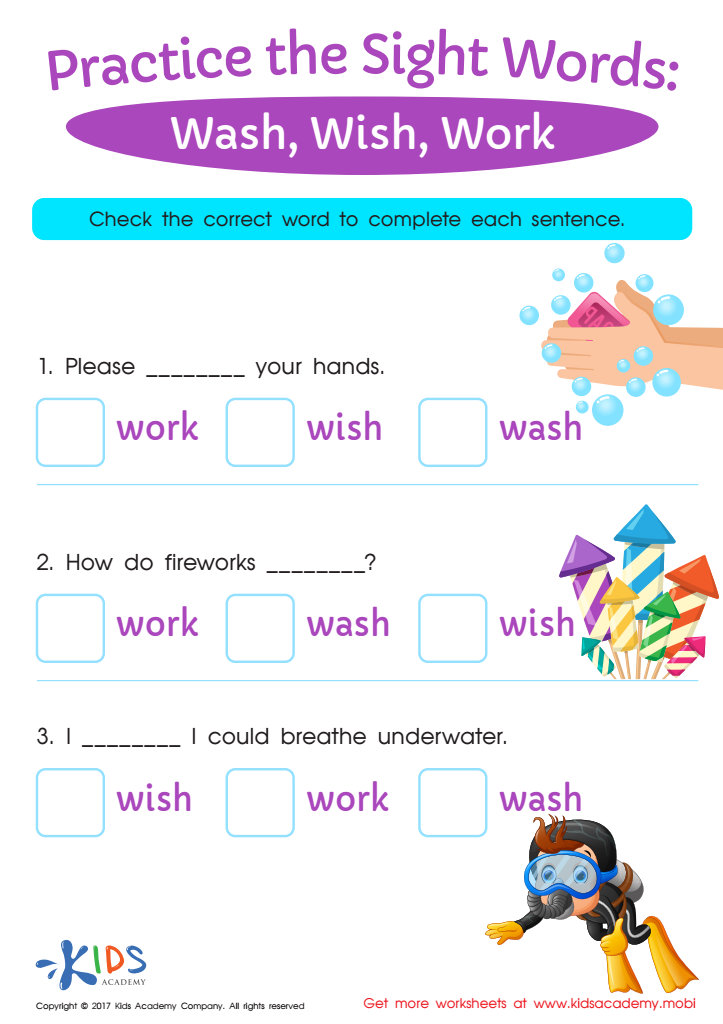
Wash, Wish, Work Sight Words Worksheet
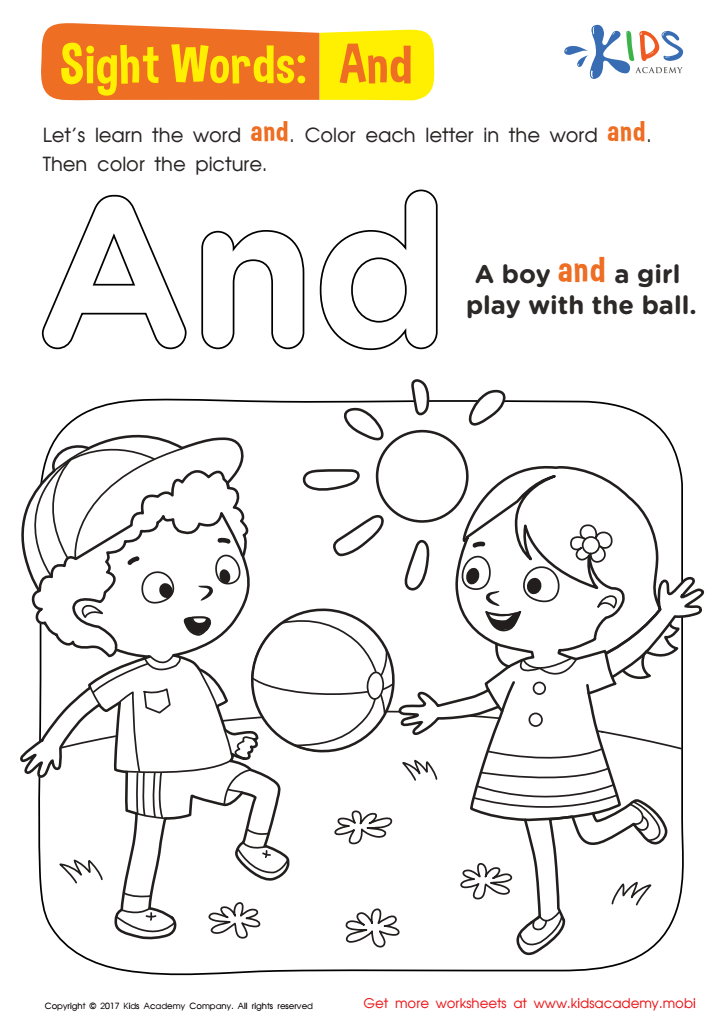
And Worksheet Sight Words Worksheet
 Assign to My Students
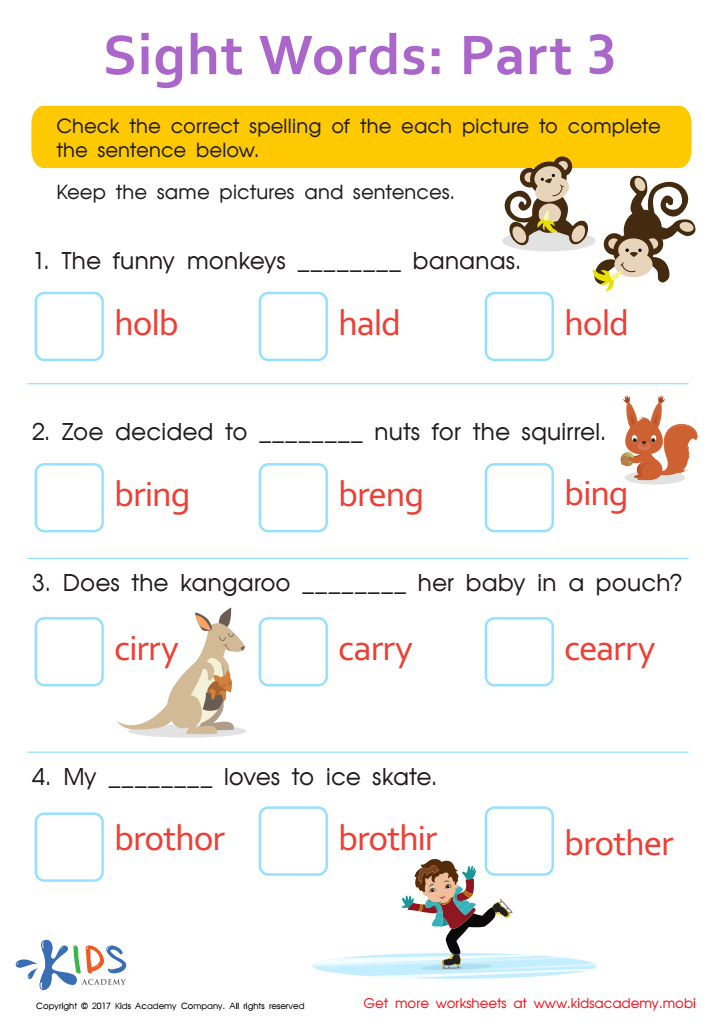
Hold, Bring, Carry, Brother Sight Words Worksheet





Sight word recognition is crucial for the literacy development of 9-year-olds, as it significantly impacts their reading fluency, comprehension, and overall confidence in language arts. Unlike phonetic decoding, sight words are commonly used words that children should recognize instantly, allowing them to read smoothly and understand text without constant decoding. This skill is especially important for beginners, as it facilitates a love for reading and promotes academic success.
Parents and teachers should prioritize sight word recognition because it lays the foundation for broader reading skills. When children can quickly identify sight words, they can concentrate more on comprehending the meaning of what they're reading, rather than getting bogged down by individual word pronunciation. Effective sight word recognition also fosters independent reading, enabling children to explore books at their own pace, which encourages a lifelong love of literature.
Moreover, as many assessment tests focus on reading proficiency, ensuring mastery of sight words can enhance a child's performance in school. Supporting sight word recognition through games, flashcards, and engaging activities makes learning enjoyable at home and in the classroom, reinforcing a child's motivation and enthusiasm for reading. In this way, both parents and teachers play pivotal roles in nurturing young readers for success.