Counting practice Worksheets for 9-Year-Olds
39 filtered results
-
From - To
Enhance your 9-year-old's math skills with our engaging Counting Practice Worksheets! Designed to make learning fun, these worksheets help children develop essential counting abilities through interactive exercises. With a variety of activities, including number sequences, skip counting, and counting objects, kids will build confidence in their numerical skills. Perfect for both classroom and home use, our worksheets cater to different learning styles, ensuring that every child can thrive. Access technology-enhanced tools and printable resources that make learning efficient and enjoyable. Let your child embark on a counting adventure while sharpening their math foundation with our carefully crafted materials!
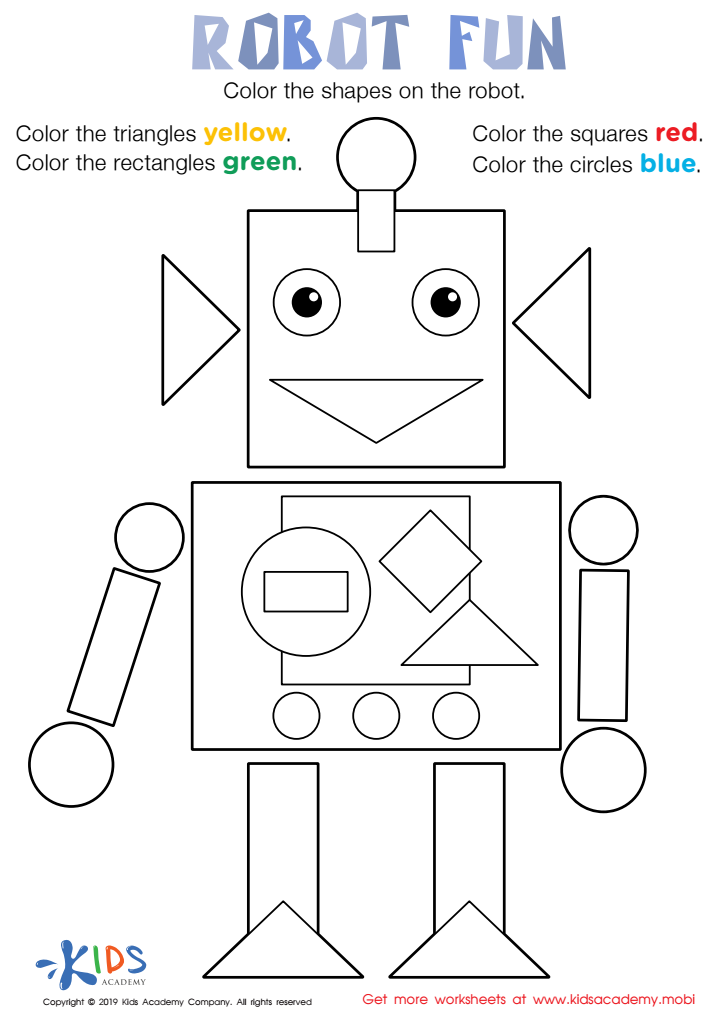
Robot Fun Worksheet
 Assign to My Students
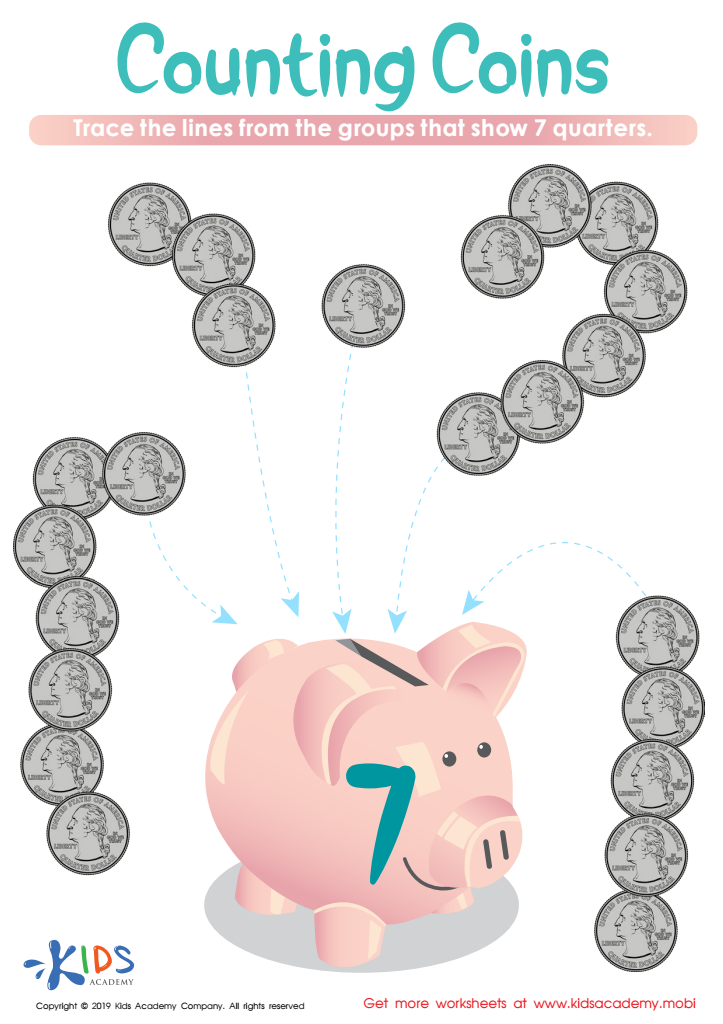
Counting Coins Worksheet
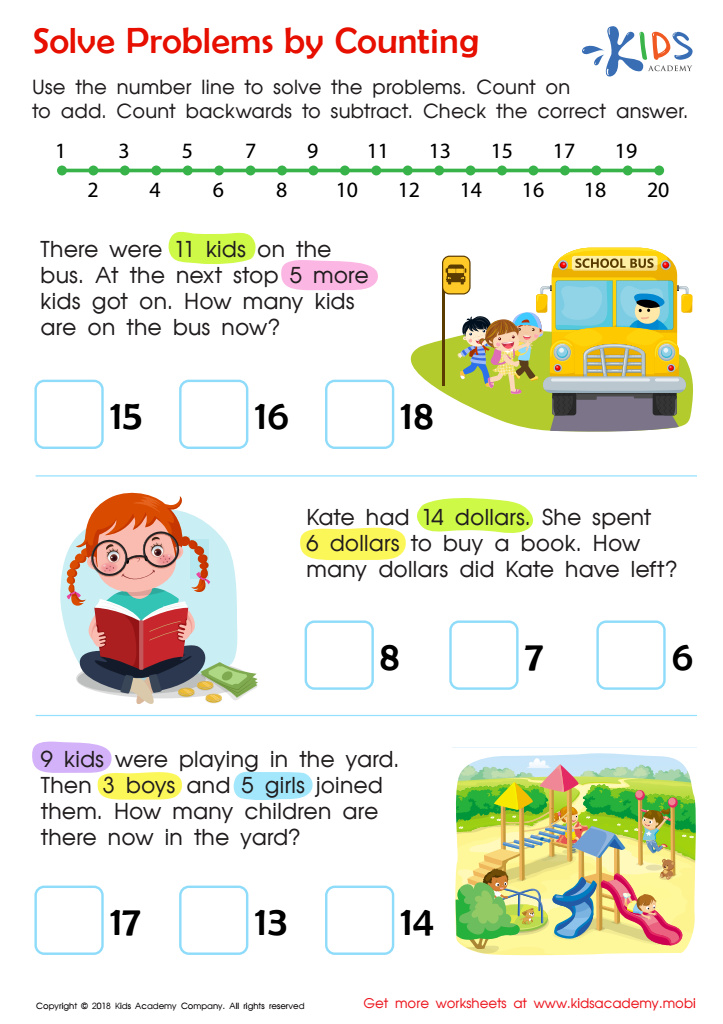
Solve Problems by Counting Worksheet

The Dog and His Bone Worksheet
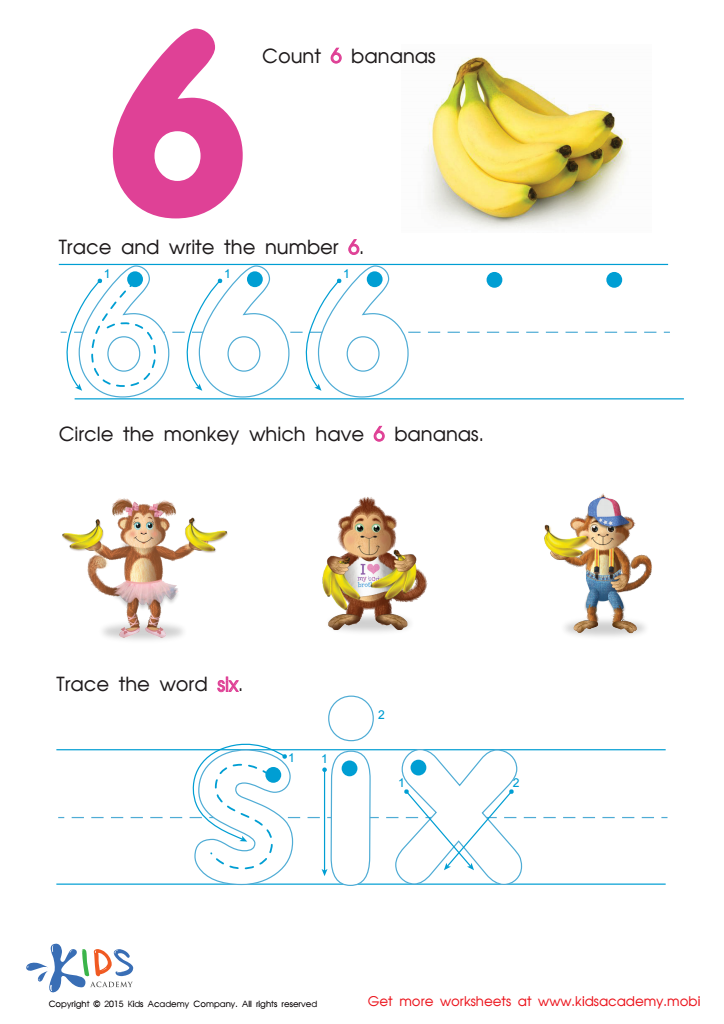
Tracing And Writing Number 6 Worksheet
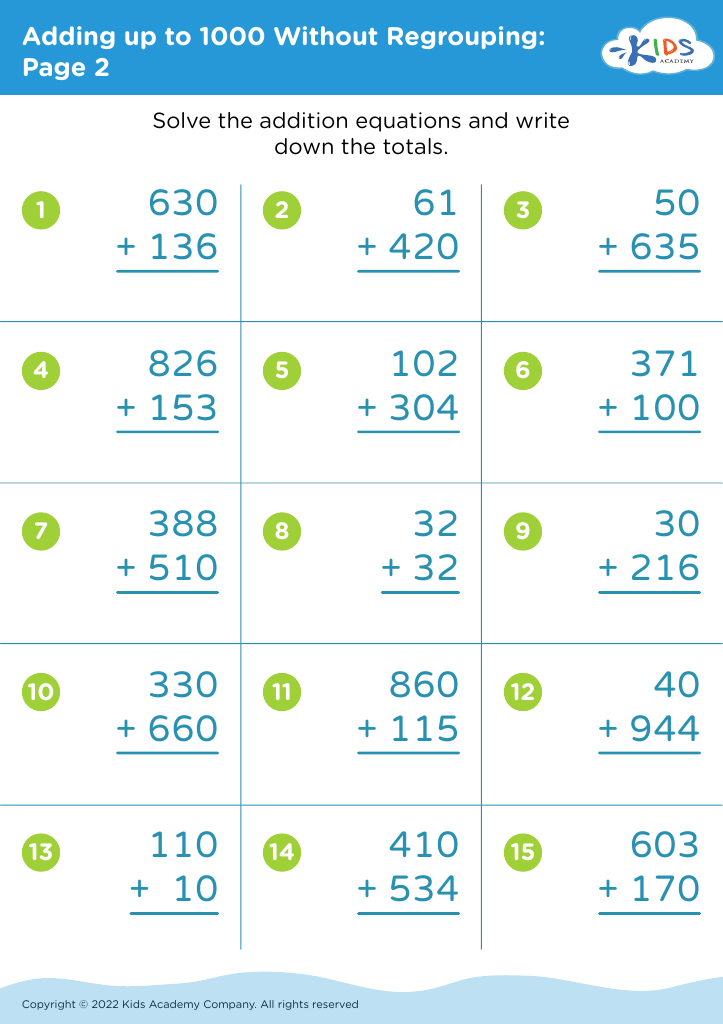
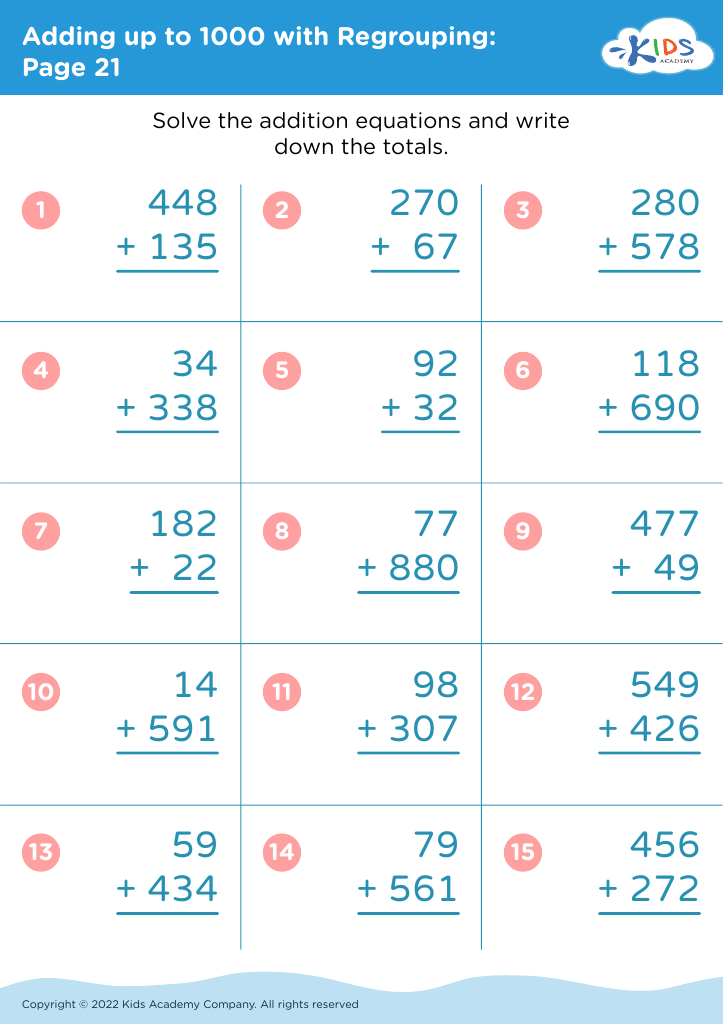
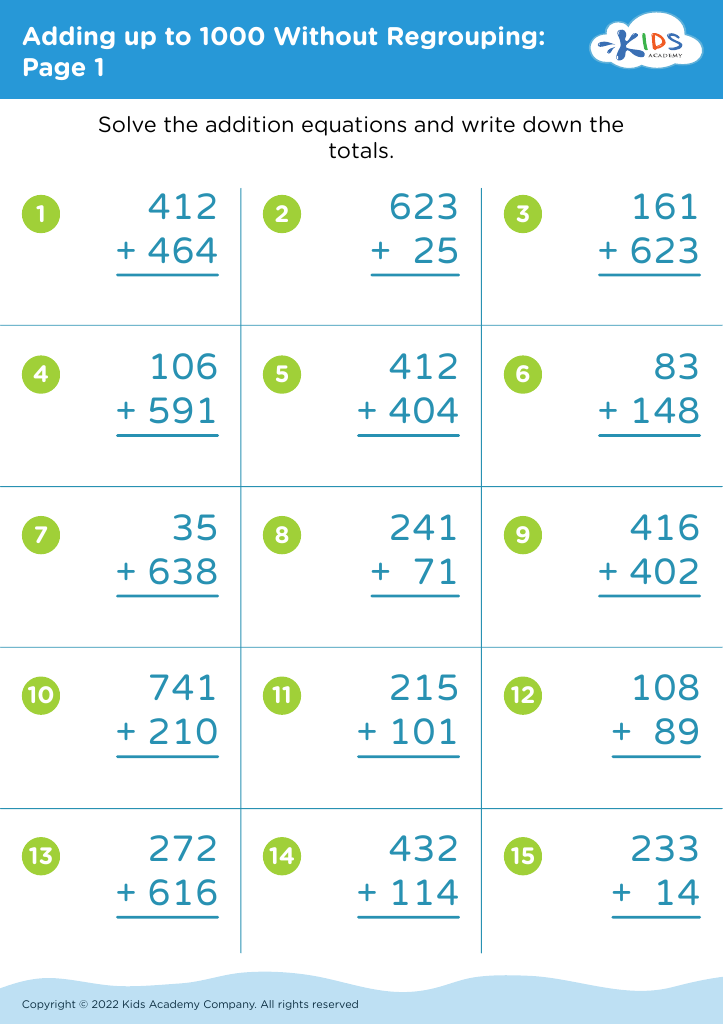

Connecting the Values Money Worksheet
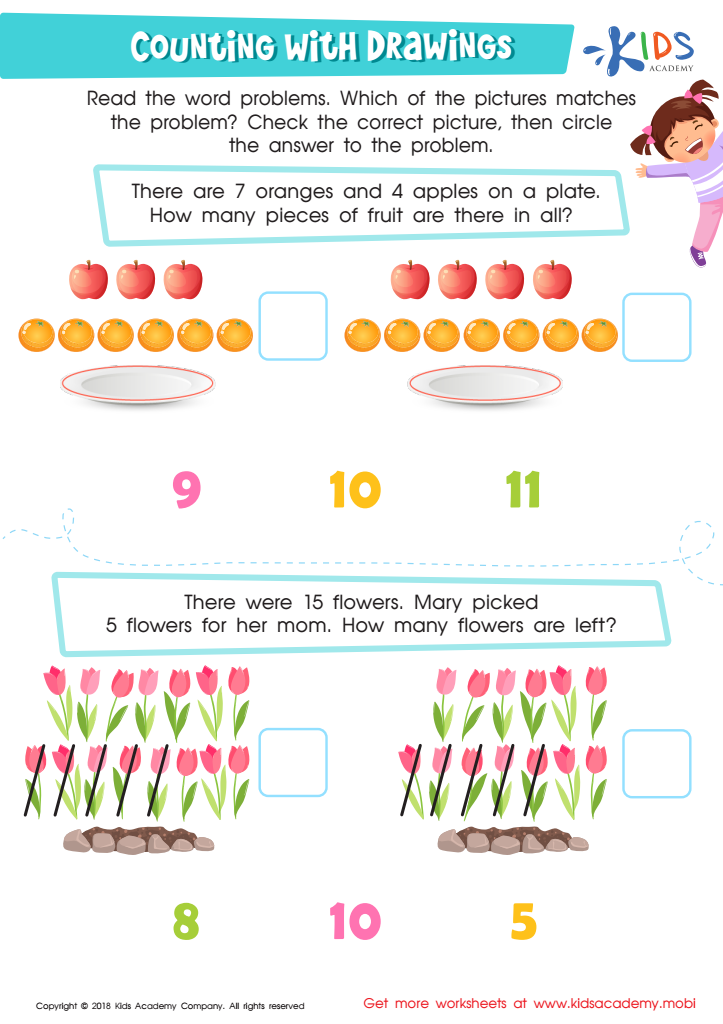
Counting with Drawings: Fruits & Chocolates Worksheet
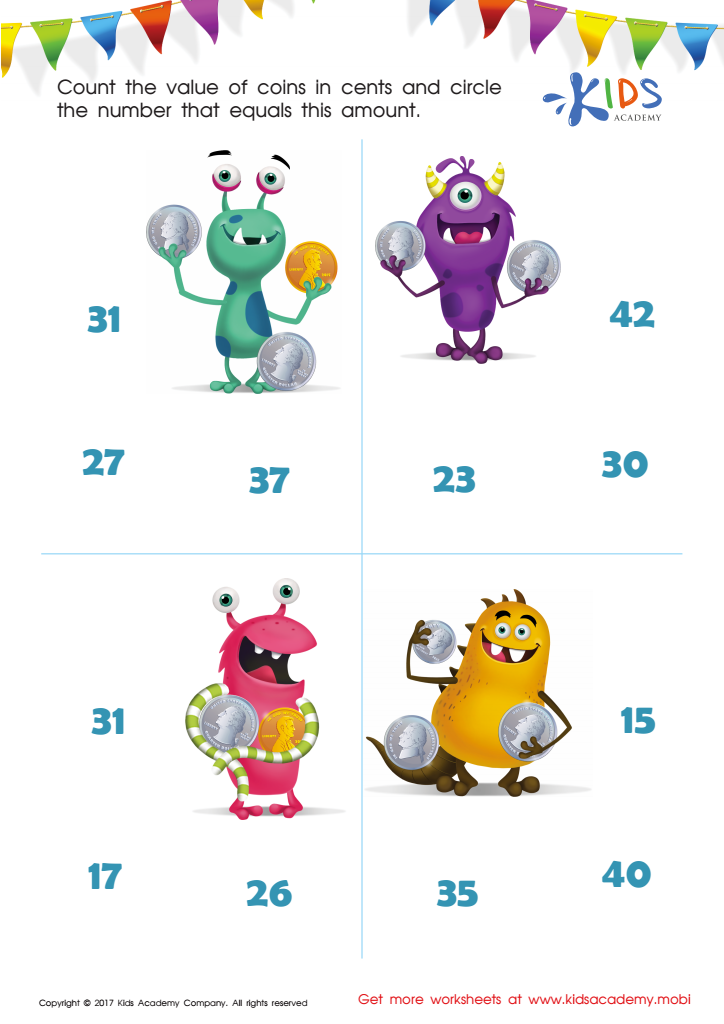
How Many Coins Money Worksheet
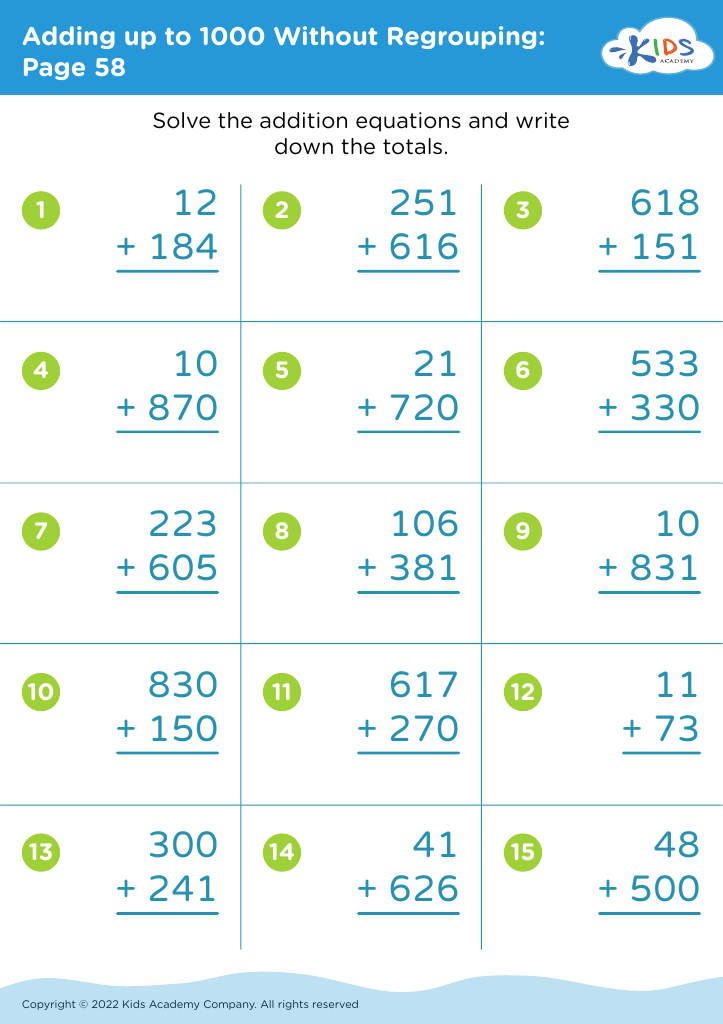
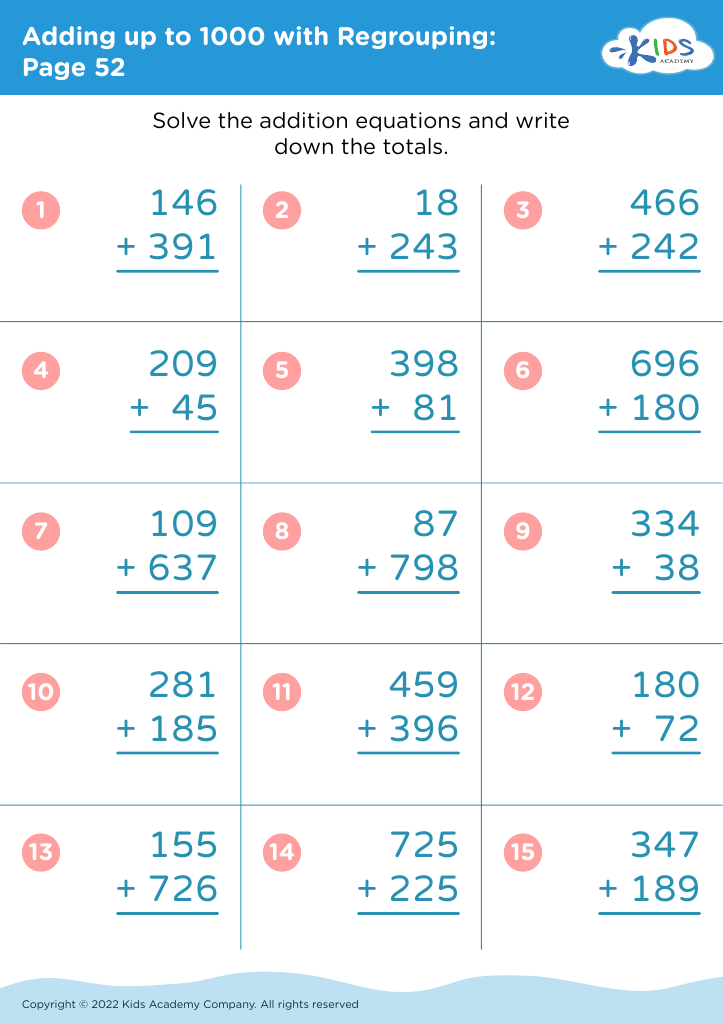
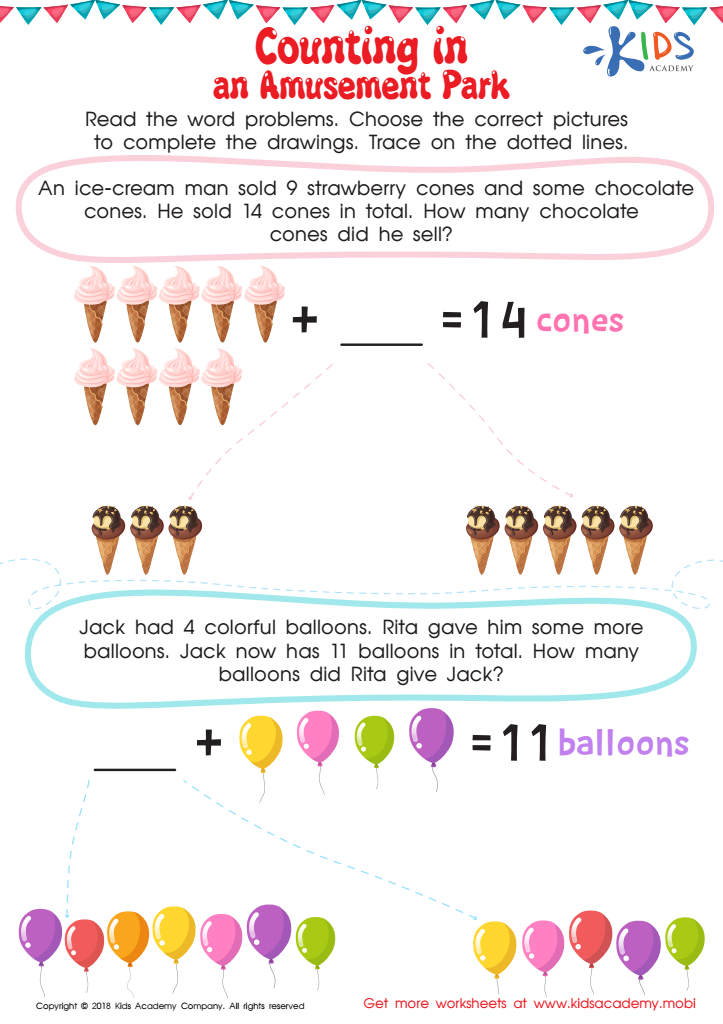
Counting in an Amusement Park Worksheet
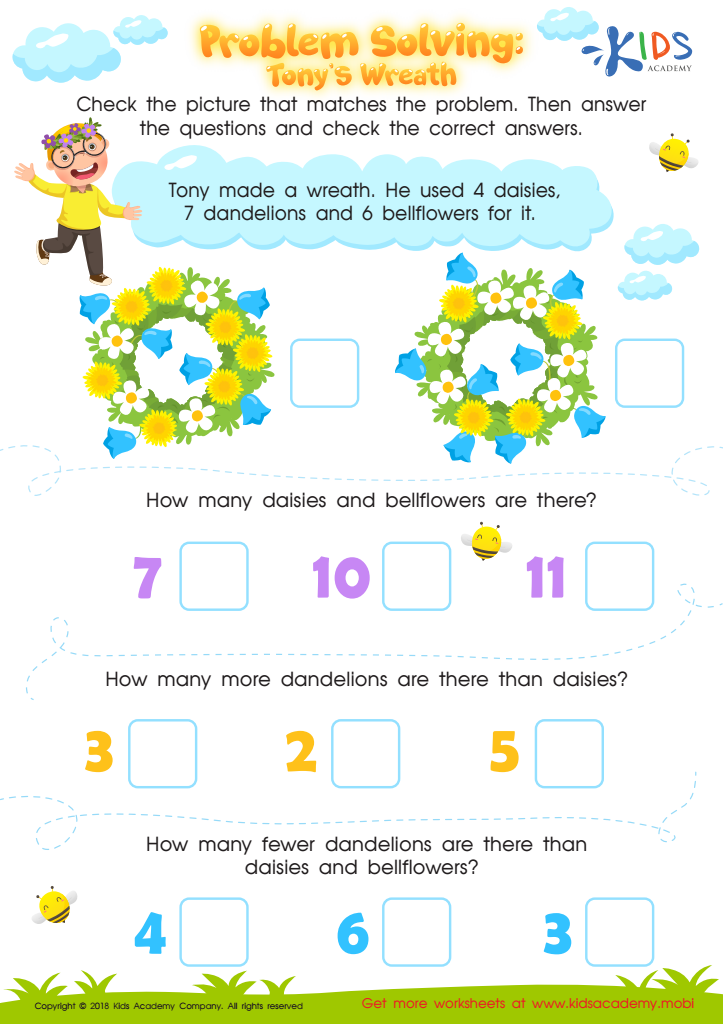
Problem Solving: Tony's Wreath Worksheet
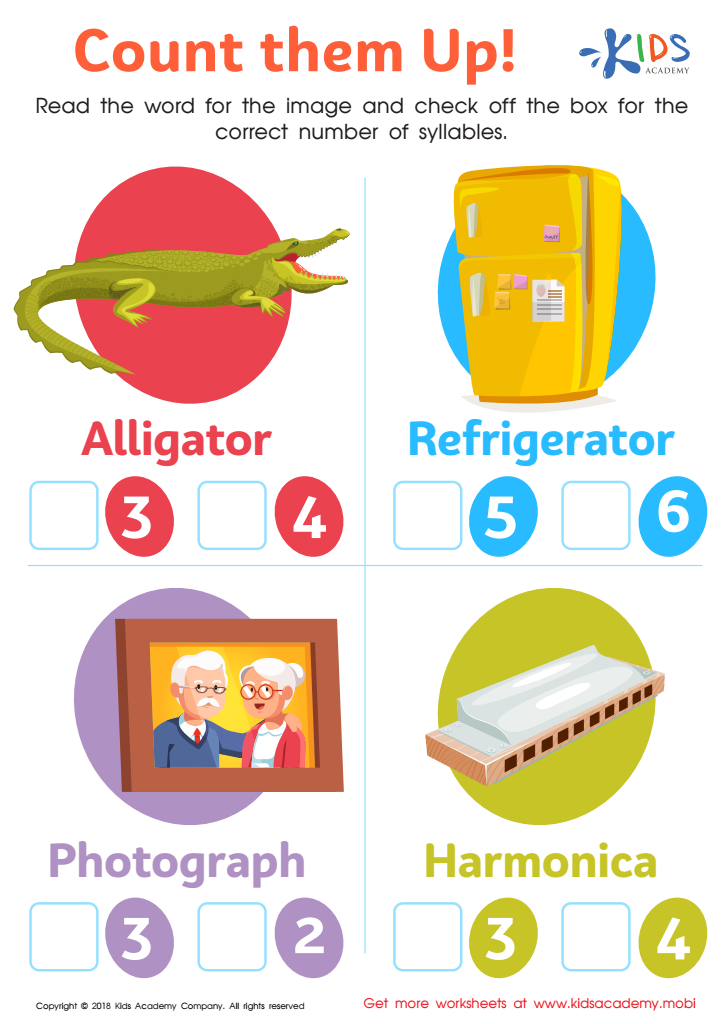
Count Them Up Worksheet
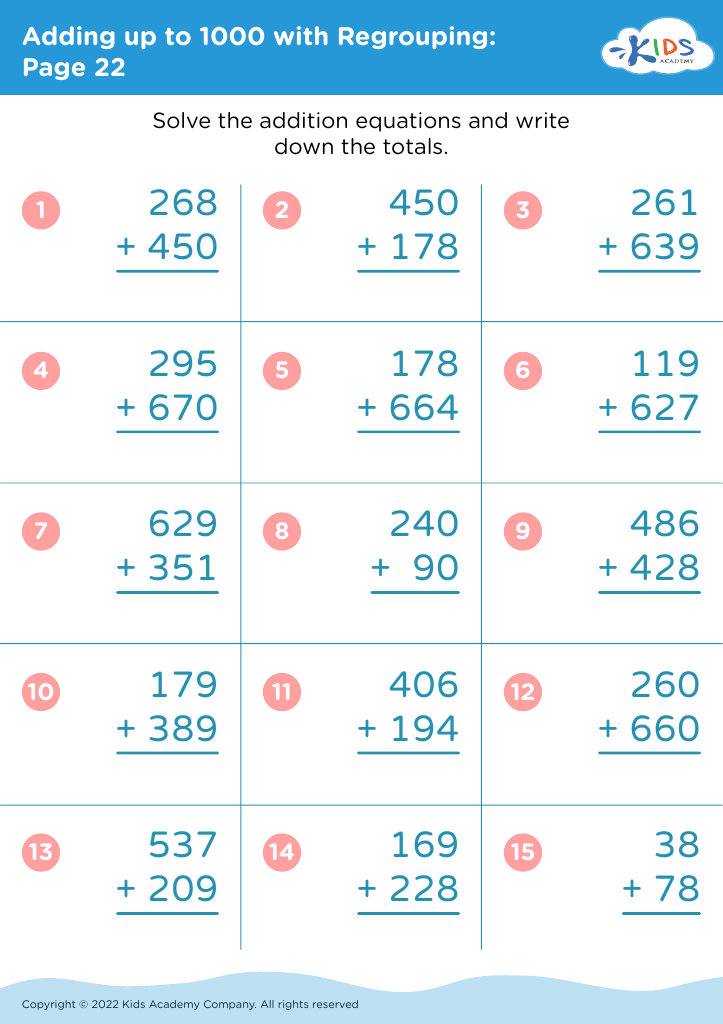
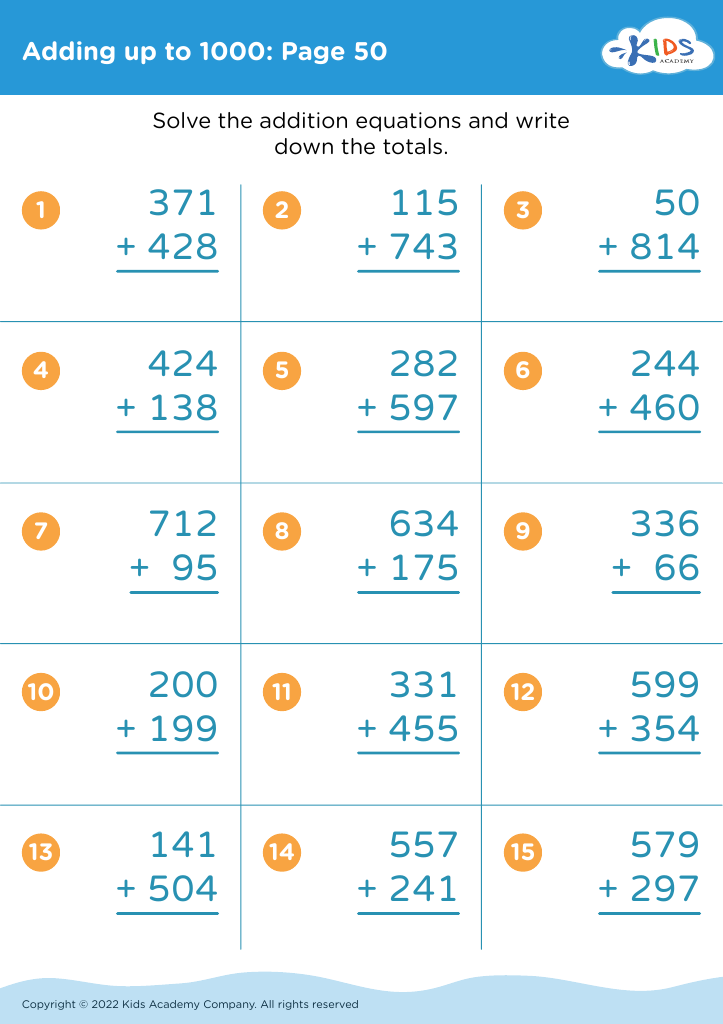








Counting practice for 9-year-olds is crucial for several reasons. First, it lays the foundation for fundamental math skills. At this age, children transition from basic counting to more complex understanding of numbers, including addition, subtraction, multiplication, and division. Regular counting practice helps solidify these foundational skills, making it easier for them to grasp advanced concepts in later years.
Second, practicing counting enhances a child’s ability to recognize patterns and sequences, which are essential for problem-solving and logical thinking. These skills extend beyond math, positively impacting their overall academic performance.
Moreover, counting practice fosters confidence. When children become adept at counting, they feel more capable in their math abilities, reducing anxiety and encouraging a positive attitude towards learning. Being comfortable with numbers empowers them to tackle real-world situations and challenges.
Additionally, counting can be a fun, interactive activity. Parents and teachers can engage children through games or everyday tasks, making learning enjoyable and less intimidating. By prioritizing counting practice, adults invest in a child’s overall cognitive development, setting the stage for academic success and a lifetime of skills. Ultimately, this approach nurtures a well-rounded learner who can thrive both in and out of the classroom.








