Understanding symmetry Worksheets for 9-Year-Olds
7 filtered results
-
From - To
Unlock the world of symmetry with our engaging worksheets designed specifically for 9-year-olds! These resources foster a deeper understanding of symmetry concepts, encouraging young learners to identify, create, and manipulate symmetrical shapes and patterns. With a variety of activities, including drawing, coloring, and problem-solving, students will enhance their critical thinking skills while having fun. Perfect for both classroom use and at-home learning, these worksheets provide clear instructions and visually appealing designs to captivate children's interest. Help your child grasp the fundamental principles of symmetry and develop their mathematical skills through enjoyable, interactive learning experiences today!
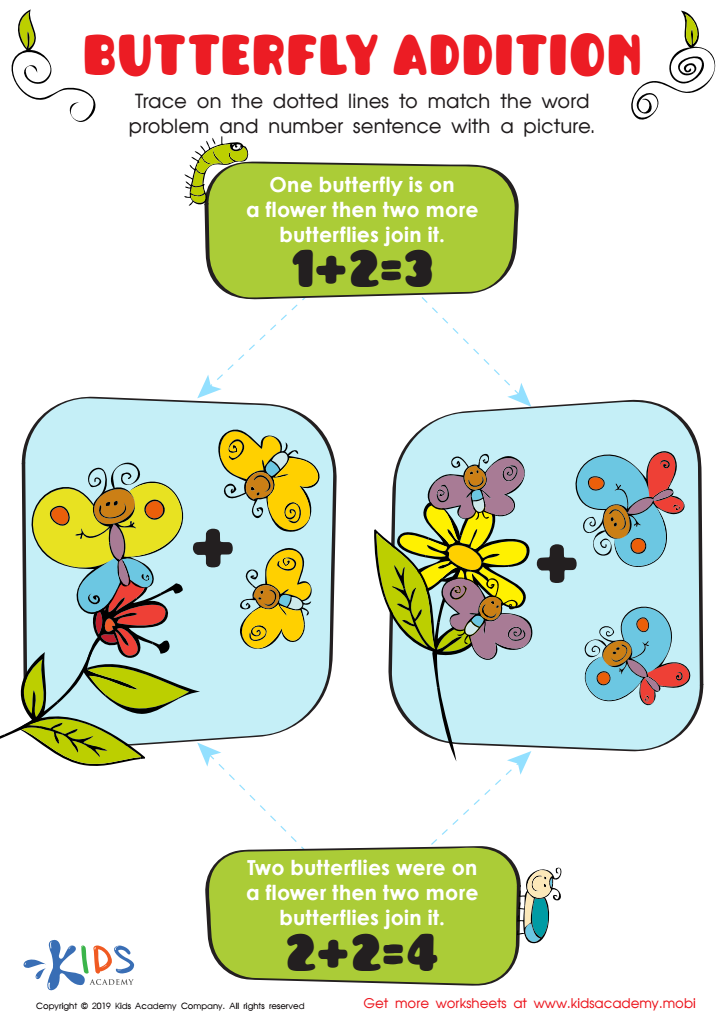
Butterfly Addition Worksheet
 Assign to My Students
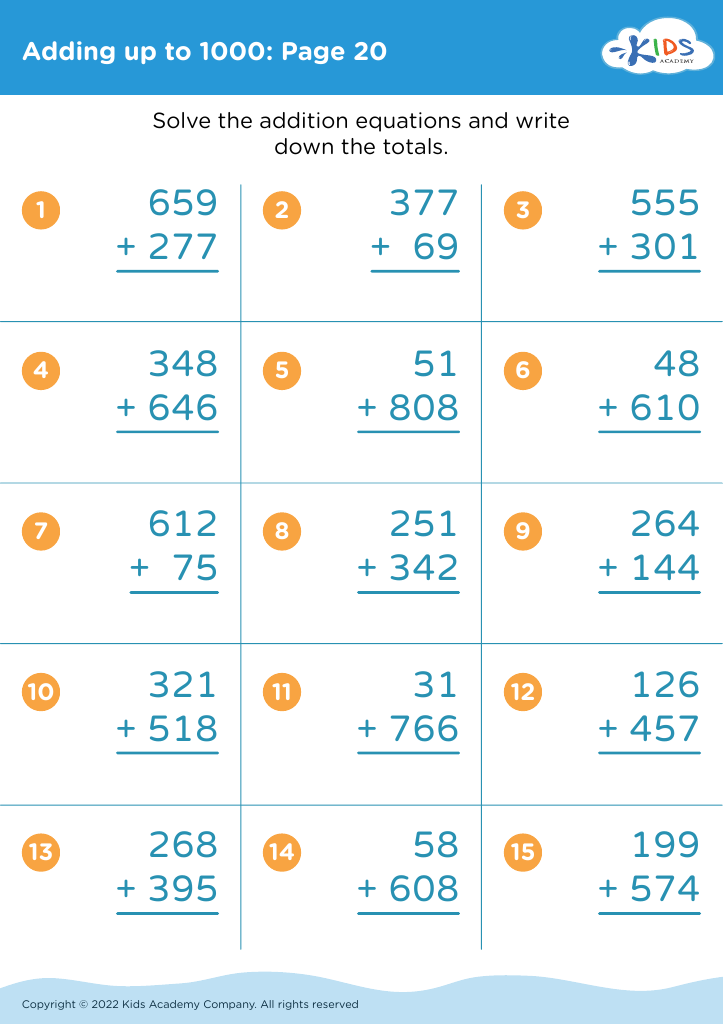
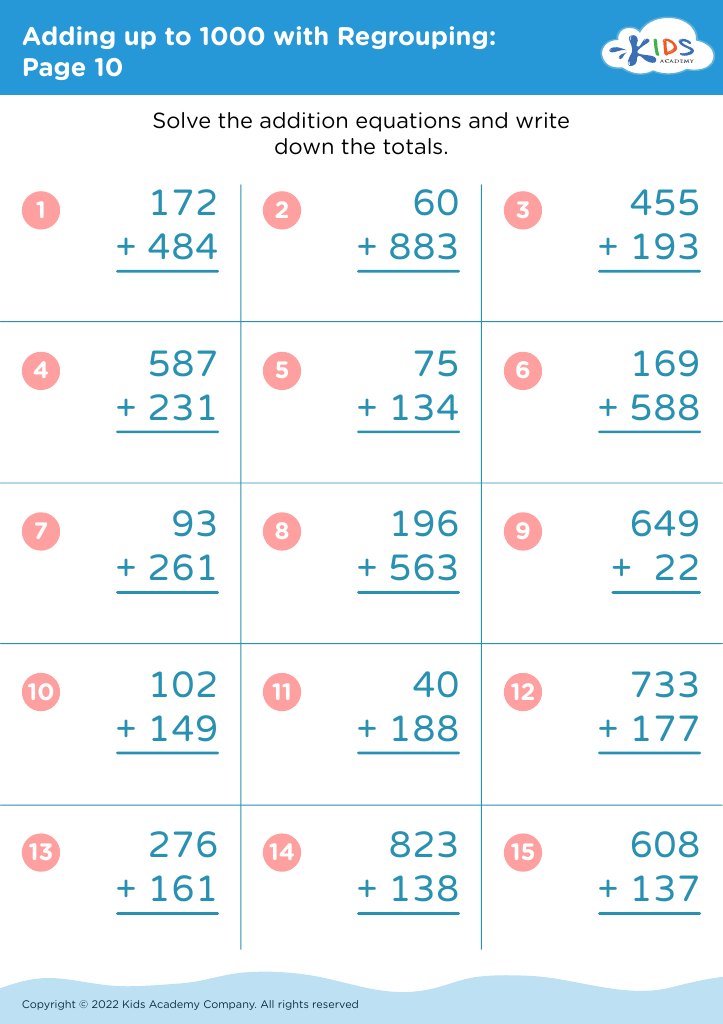
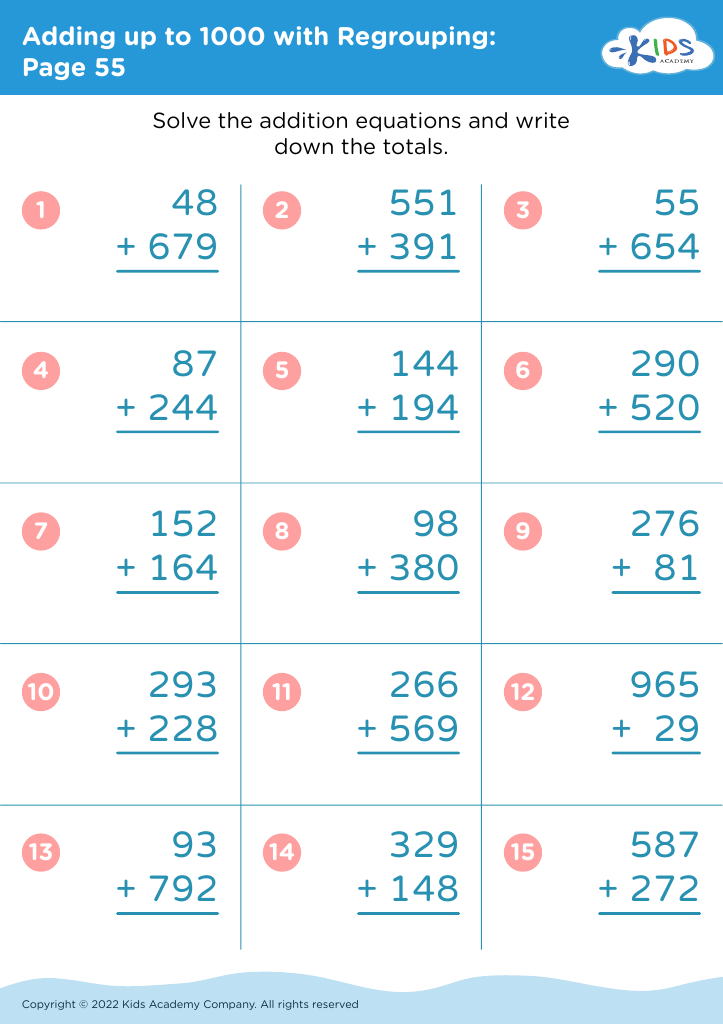
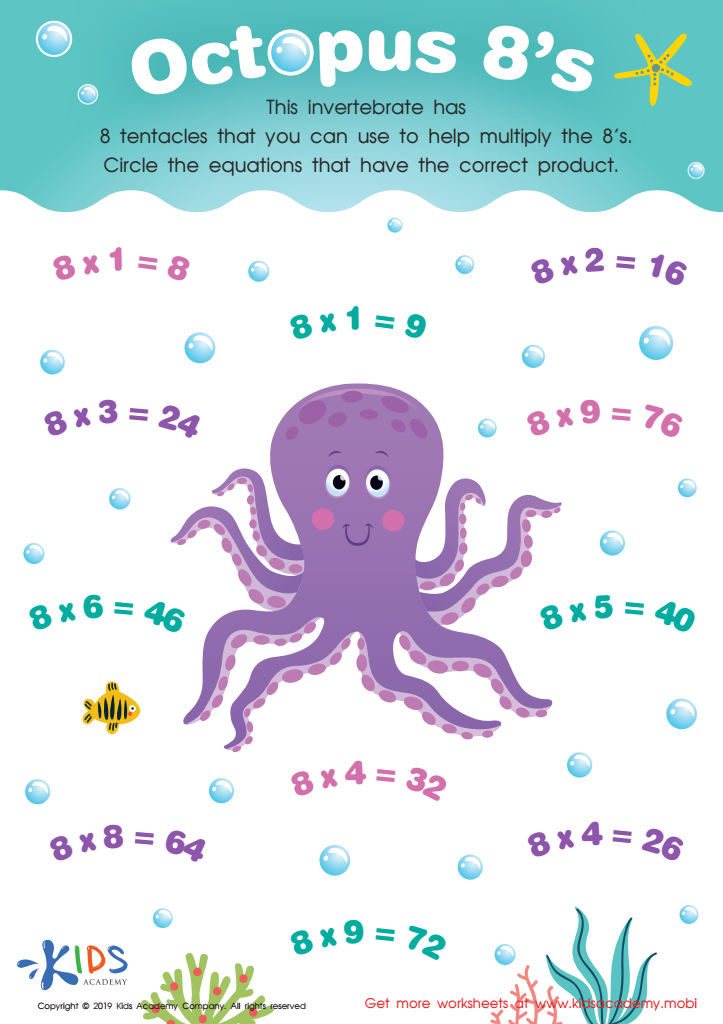
Octopus 8’s Worksheet




Understanding symmetry is crucial for 9-year-olds as it forms a foundational concept in mathematics and art, influencing their cognitive and academic development. At this age, children begin to think more abstractly, making it an ideal time to explore patterns, shapes, and their properties. Learning about symmetry enhances critical thinking and problem-solving skills, as students analyze which shapes are symmetrical, identify lines of symmetry, and apply these concepts to everyday scenarios.
Moreover, symmetry is prevalent in nature and human-made structures, making it an engaging topic that connects classroom learning with the real world. Recognizing symmetrical patterns in objects—such as butterflies, buildings, and mandalas—can spark children's creativity while fostering observation skills.
Additionally, introducing symmetry supports spatial reasoning, which is vital for future learning in subjects like geometry and physics. This understanding can build a positive attitude towards math and contribute to better academic performance.
By caring about symmetry education, parents and teachers can enrich a child's understanding of the world, encouraging them to appreciate beauty in mathematical structures while enhancing their analytical abilities. This foundation in symmetry can pave the way for future learning and inspire curiosity and exploration in broader mathematical concepts.








