Reading analog clocks Addition & Subtraction Worksheets for 9-Year-Olds
3 filtered results
-
From - To
Introduce your 9-year-old to the world of time with our engaging Reading Analog Clocks Addition & Subtraction Worksheets. These educational worksheets are designed to enhance time-telling skills while reinforcing essential math concepts like addition and subtraction. Featuring colorful and interactive exercises, children will learn to read analog clocks, practice simple arithmetic, and apply their knowledge to real-life scenarios. Perfect for both classroom and home use, our worksheets make learning fun and effective, ensuring your child stays ahead in their math skills. Visit us today and watch your child's confidence grow as they master these vital learning skills!
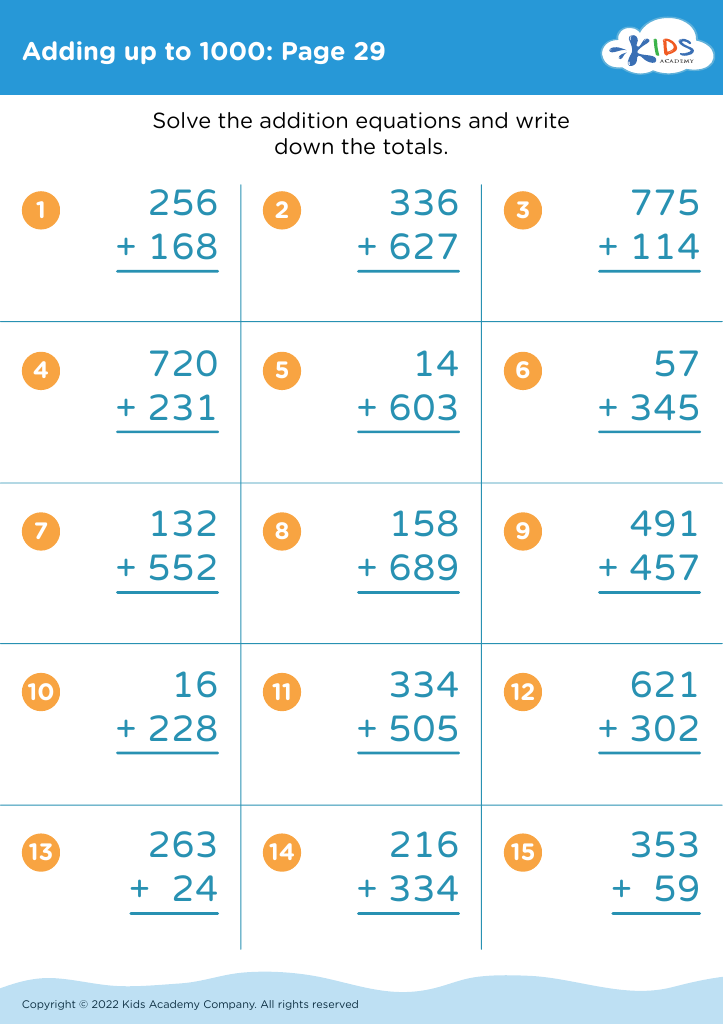
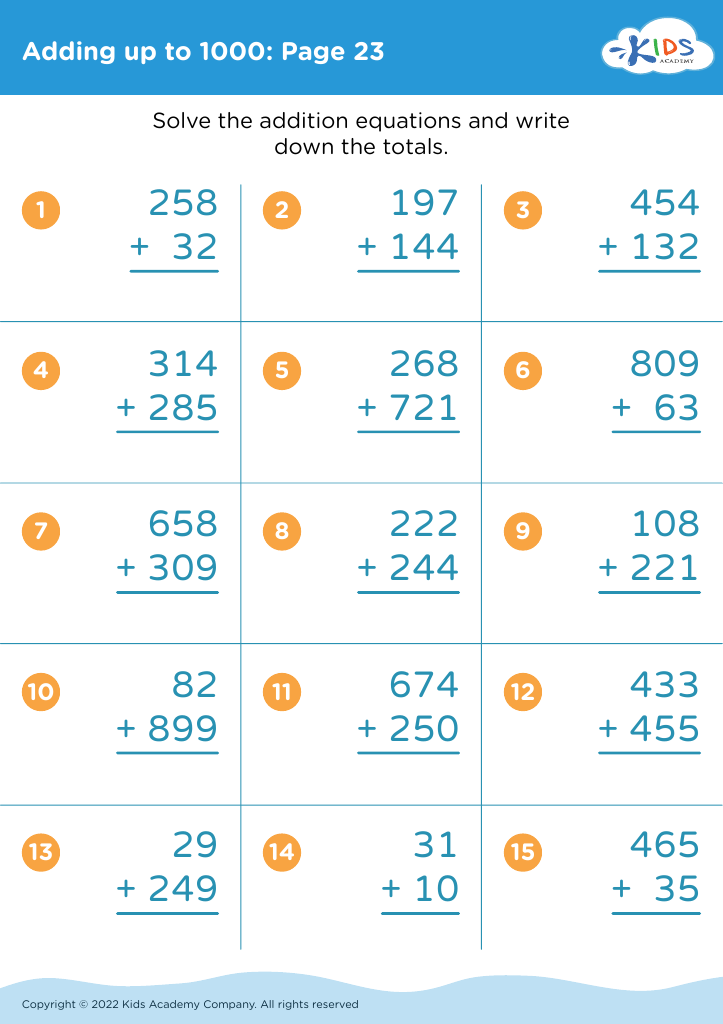
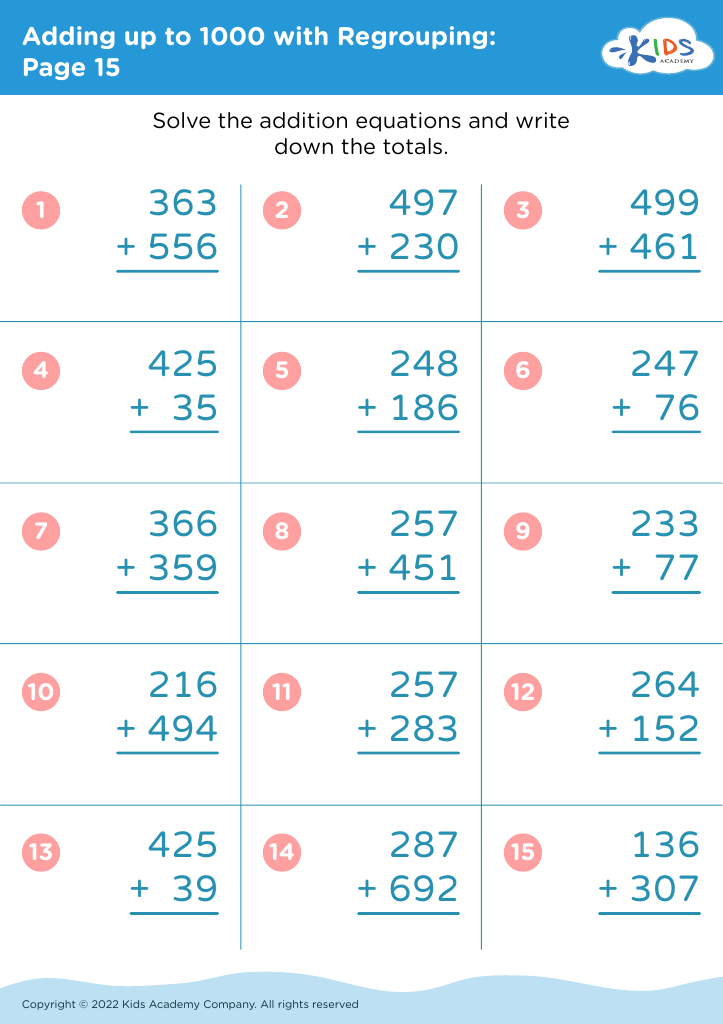








Reading analog clocks and mastering addition and subtraction are foundational skills that significantly contribute to a child's overall development and academic success. Firstly, analog clocks help children understand the passage of time, scheduling, and time management, which are critical life skills. Unlike digital clocks, analog clocks provide a visual and hands-on way to grasp various time concepts, such as half-past, quarter to, and quarter past the hour. This practice combines cognitive and motor skills, enhancing their fine motor coordination and spatial awareness.
On the other hand, proficiency in addition and subtraction is fundamental to higher mathematical concepts necessary for middle school and beyond. These operations are involved in everyday activities, such as handling money, cooking measurements, and calculating time intervals. Therefore, having strong skills in addition and subtraction ensures that children are not only academically prepared but also able to carry out practical, real-world tasks with confidence.
When parents and teachers prioritize these skills, they are equipping children with the tools they need to succeed in both their academic journey and daily life. Early mastery of reading analog clocks and addition and subtraction forms a foundation upon which more complex concepts are built, fostering critical thinking, problem-solving, and logical reasoning. Thus, these skills are essential for a well-rounded education and confident, independent living.








