
Color recognition Addition Worksheets for 9-Year-Olds
3 filtered results
Difficulty Level
Grade
Age
-
From - To
Subject
Activity
Standards
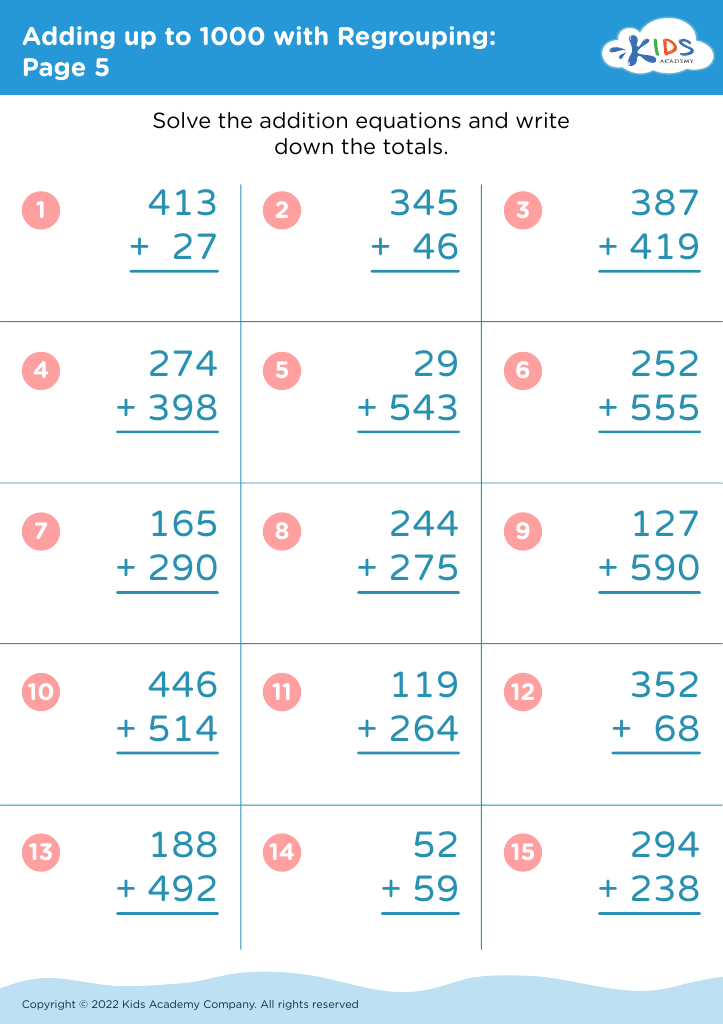
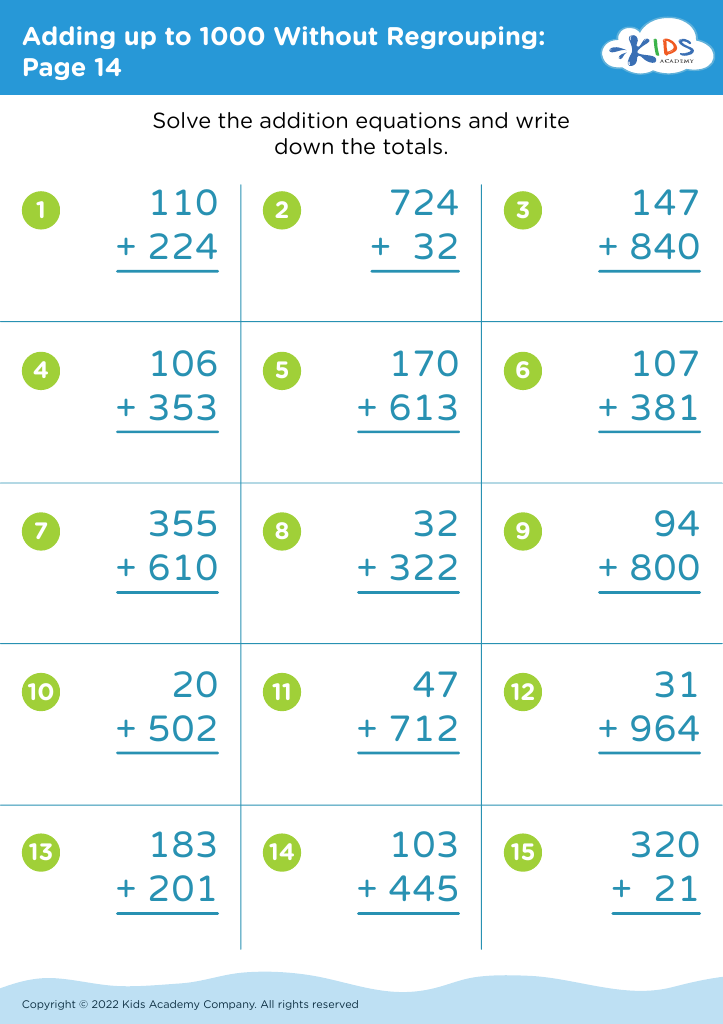
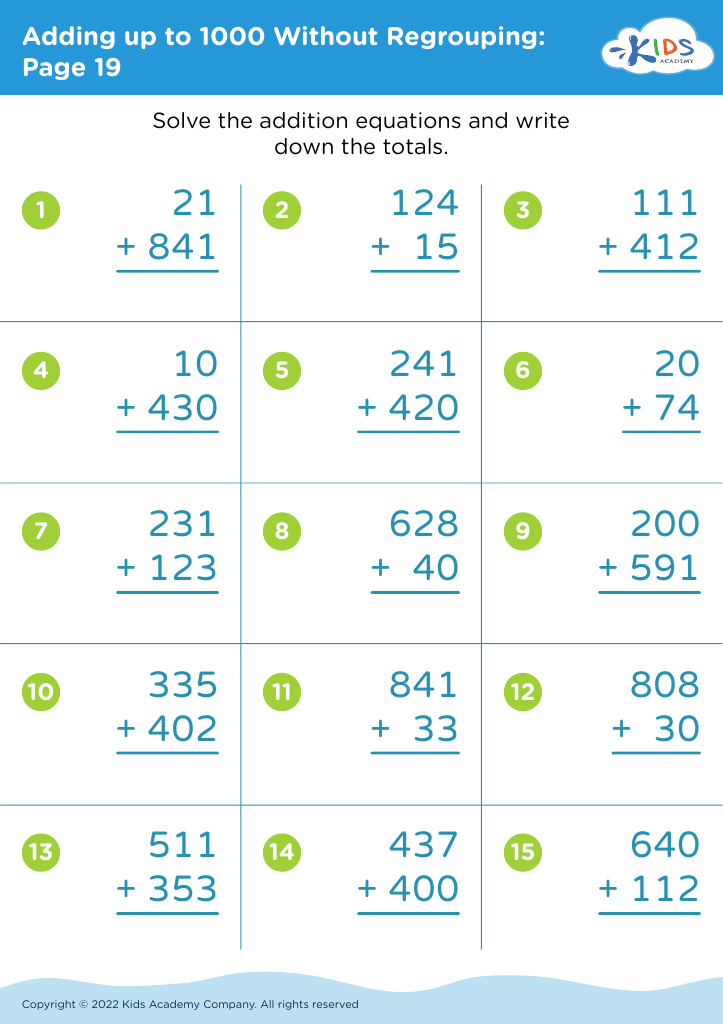
Discover our engaging Color Recognition Addition Worksheets tailored for 9-year-olds! These dynamic worksheets combine essential math skills with vibrant colors, making learning both fun and interactive. Designed to enhance addition skills while developing color recognition, each worksheet offers a unique approach to problem-solving. Children will enjoy exploring colorful illustrations as they formulate and calculate solutions, fostering creativity alongside math comprehension. Perfect for at-home practice or classroom activities, our worksheets provide a seamless integration of art and academics. Help your child build confidence in math and engage their mind with our thoughtfully crafted resources. Let’s make learning colorful and exciting!
Favorites
With answer key
Interactive
Join Kids Academy for Free
Who is primarily going to use this learning content?






.jpg)

Color recognition and addition are foundational skills that play a crucial role in a 9-year-old's cognitive development and everyday learning. Understanding colors enhances a child's ability to categorize and differentiate objects, crucial for problem-solving. When combined with addition, color recognition can make math more engaging and relatable. For instance, using colored blocks or counters allows children to visualize numbers, aiding in comprehension and retention.
Moreover, social-emotional development is fostered as children engage in collaborative activities, allowing peer interactions through games and group tasks that involve color-coded addition. This method reduces anxiety around math, instills confidence, and helps develop a positive attitude toward learning.
Additionally, incorporating colors into math exercises can cater to various learning styles, especially for visual learners. This multifaceted approach supports individualized learning experiences, accommodating distinct paces and preferences.
Ultimately, parents and teachers should care about these skills because they not only enhance academic performance but also build a solid foundation for higher-level math and critical thinking skills in the future. Encouraging color recognition and addition helps create a well-rounded educational experience that addresses emotional, social, and cognitive growth.








