Comparing Fractions Addition Worksheets for 9-Year-Olds
16 filtered results
-
From - To
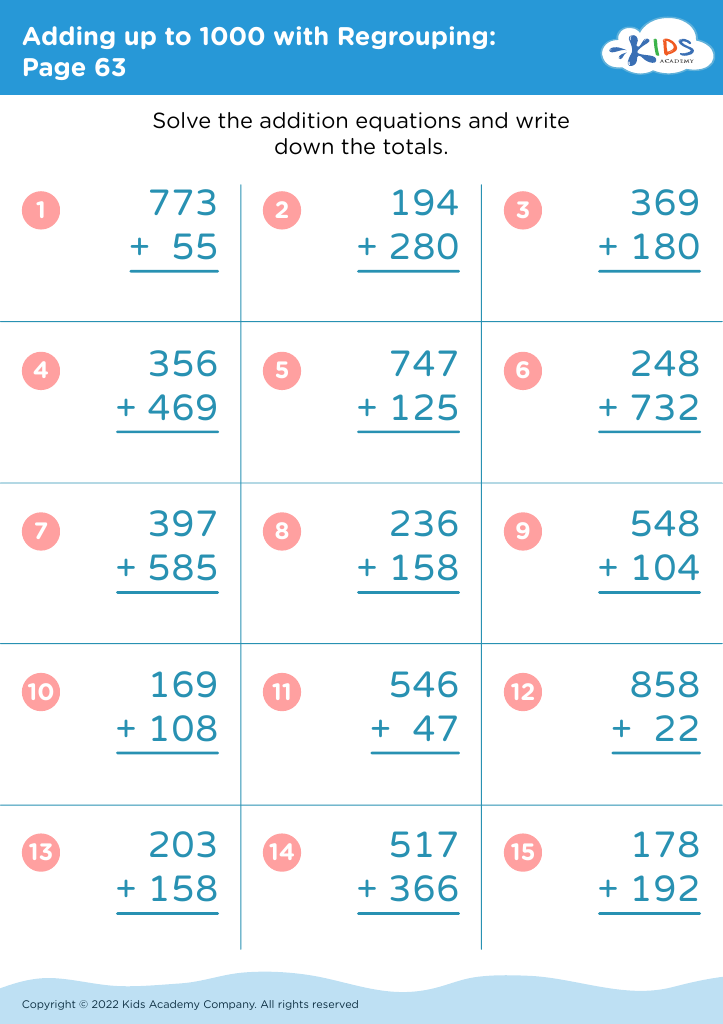
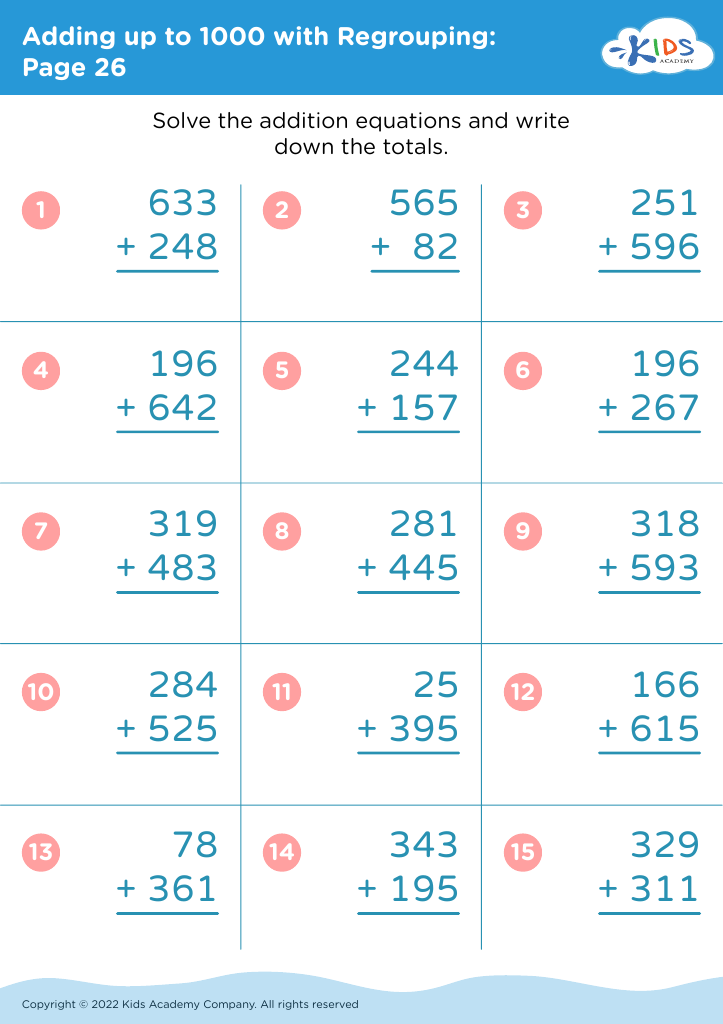
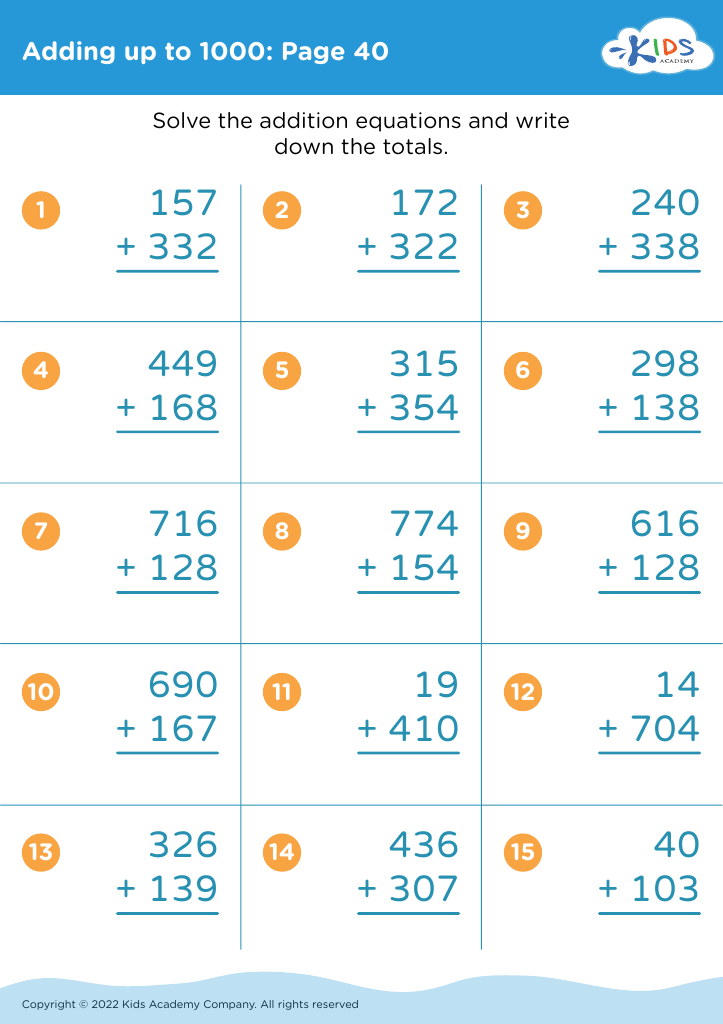
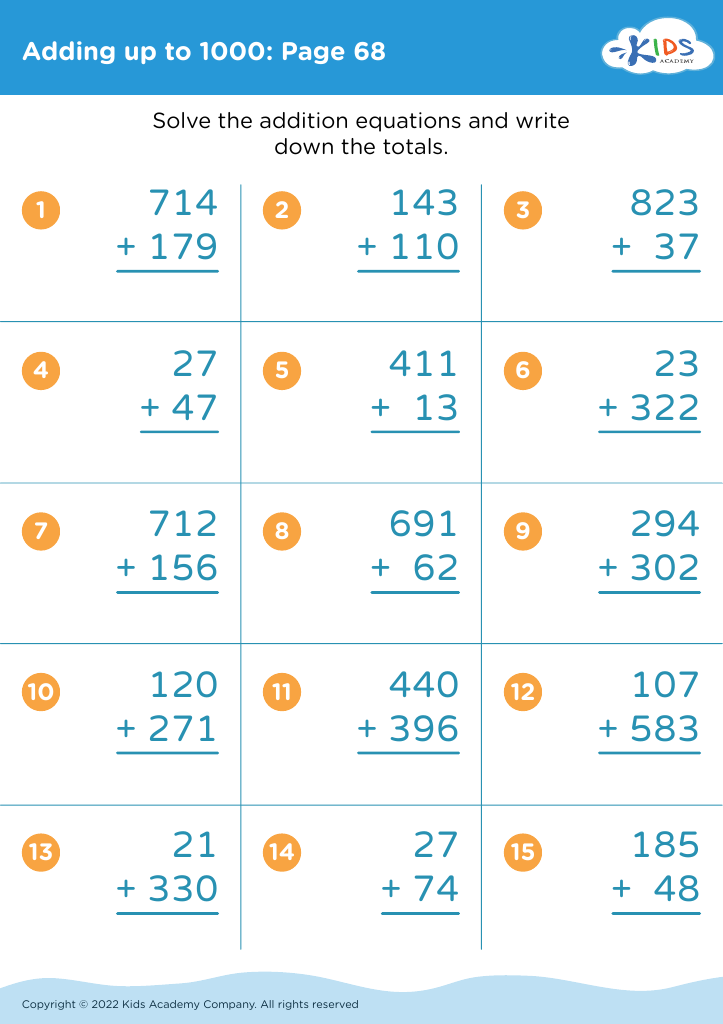
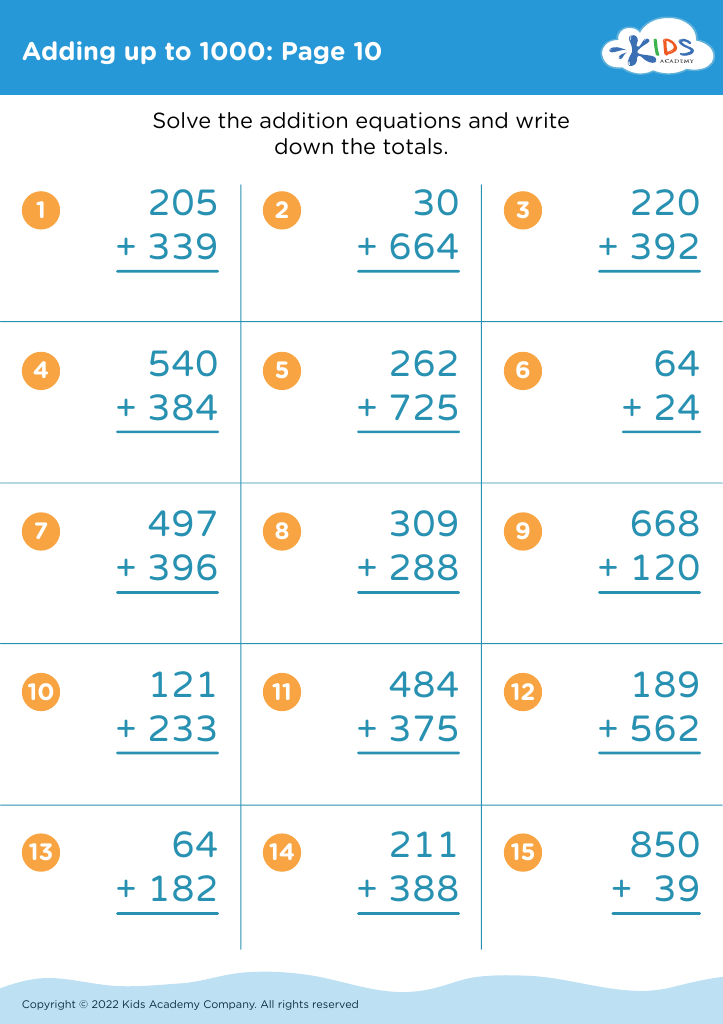
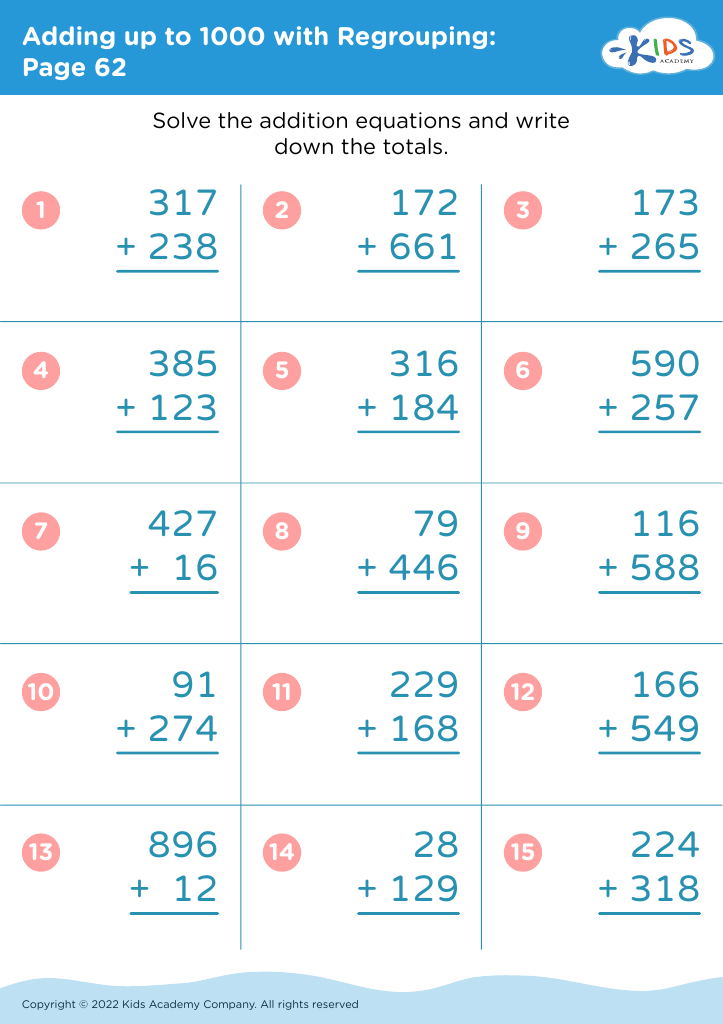
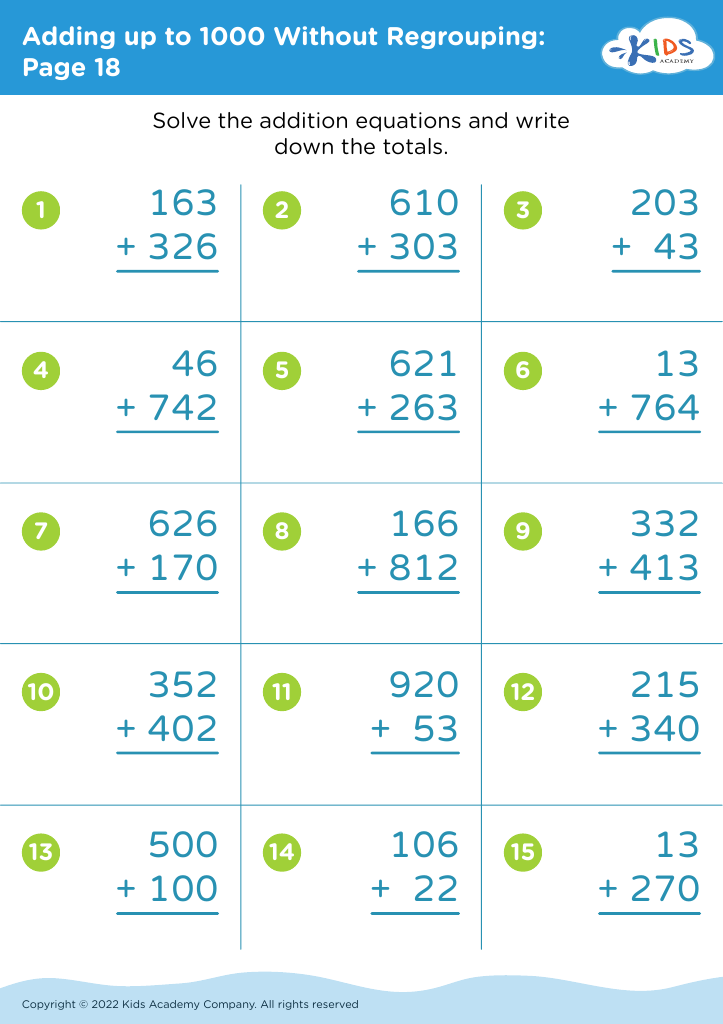
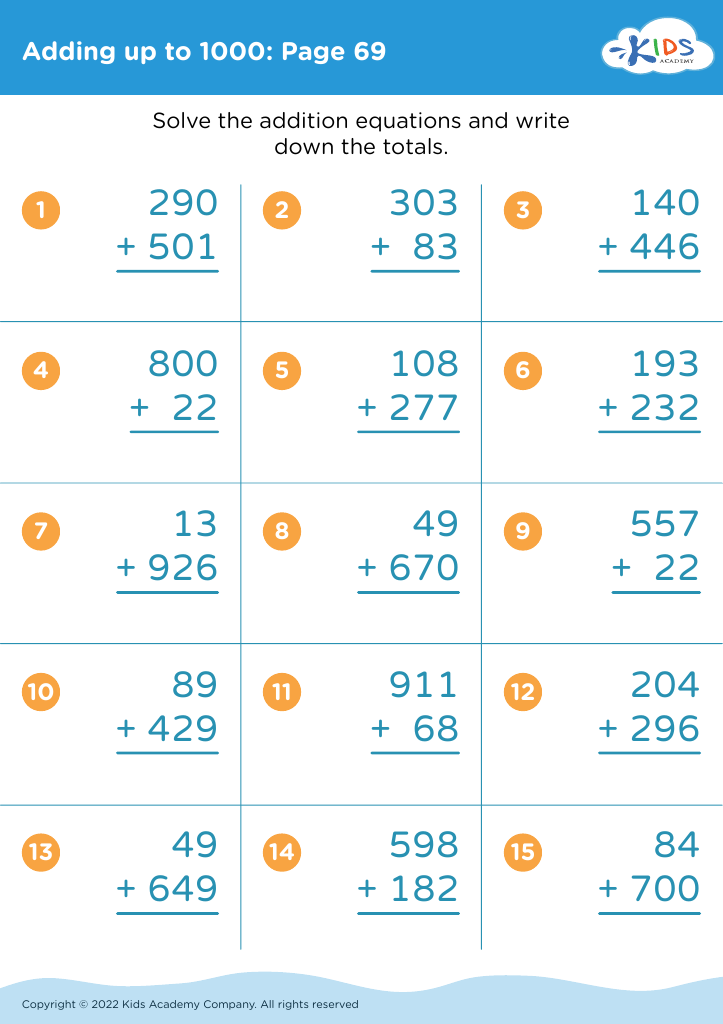
Discover our engaging Comparing Fractions Addition Worksheets designed specifically for 9-year-olds! These worksheets help young learners enhance their math skills by providing a fun and interactive way to understand and compare fractions during addition. Tailored to align with educational standards, the activities are perfect for reinforcing classroom learning or for at-home practice. Students will develop confidence in their mathematical abilities as they visualize and solve problems involving different fractions. Ideal for parents and teachers seeking quality resources, our worksheets offer clear instructions and answers for effective learning. Foster a love for math as students master the concept of comparing fractions!




.jpg)



Comparing fraction addition is a crucial mathematical skill for 9-year-olds, directly impacting their understanding of more complex concepts in math and daily life. At this developmental stage, children are building a solid foundation in arithmetic that will serve them in higher-level mathematics and problem-solving. When parents and teachers emphasize comparing fractions in addition, they help foster critical thinking and analytical skills.
Understanding how to compare fractions enhances a child's ability to visualize relationships between numbers, improving their number sense. This knowledge is essential for real-world applications, such as measuring ingredients in cooking, understanding portions, or interpreting data.
Moreover, learning to compare and add fractions encourages students to engage in discussions about reasoning, patterns, and relationships, promoting collaborative learning environments. It encourages perseverance in problem-solving as they encounter and overcome challenges.
Additionally, fractions can often seem abstract, so focusing on practical activities and relatable examples makes learning more accessible and enjoyable, fostering a positive attitude toward math. By prioritizing this area of study, parents and teachers can ensure that children develop not only important skills but also confidence in their mathematical abilities. Overall, comparing fractions addition is a step toward lifelong mathematical literacy and competence.








