Identify shapes Addition Worksheets for 9-Year-Olds
4 filtered results
-
From - To
Discover our engaging "Identify Shapes Addition Worksheets" designed specifically for 9-year-olds! These fun, interactive exercises blend geometry and arithmetic, helping children learn to recognize various shapes while completing addition problems. Each worksheet encourages critical thinking and builds foundational skills in both math and geometry. With colorful visuals and age-appropriate challenges, your child will enjoy honing their ability to identify shapes while enhancing their addition skills. Perfect for homeschools, tutoring sessions, or as extra practice at home, these worksheets provide a comprehensive learning experience. Explore our collection today and support your child's math mastery with enjoyable educational tools!
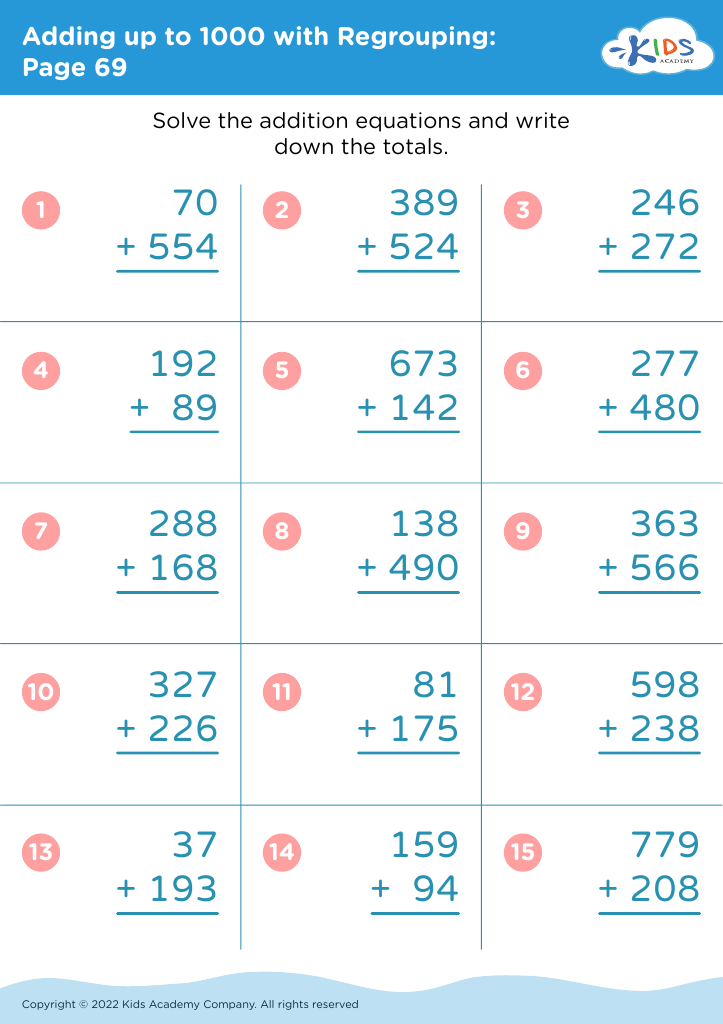
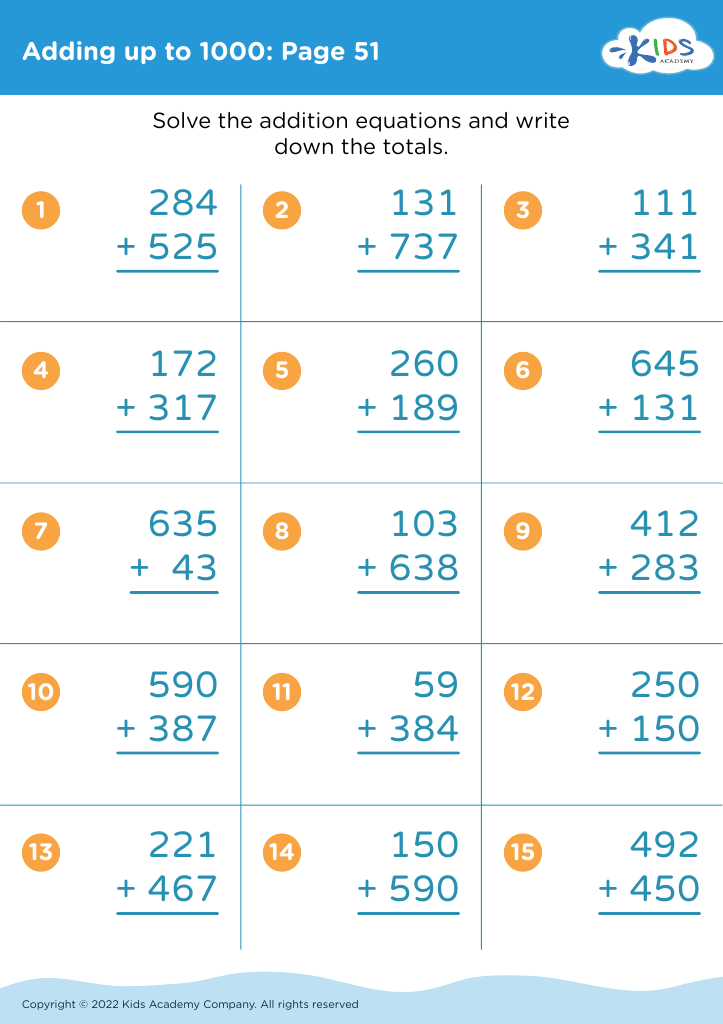
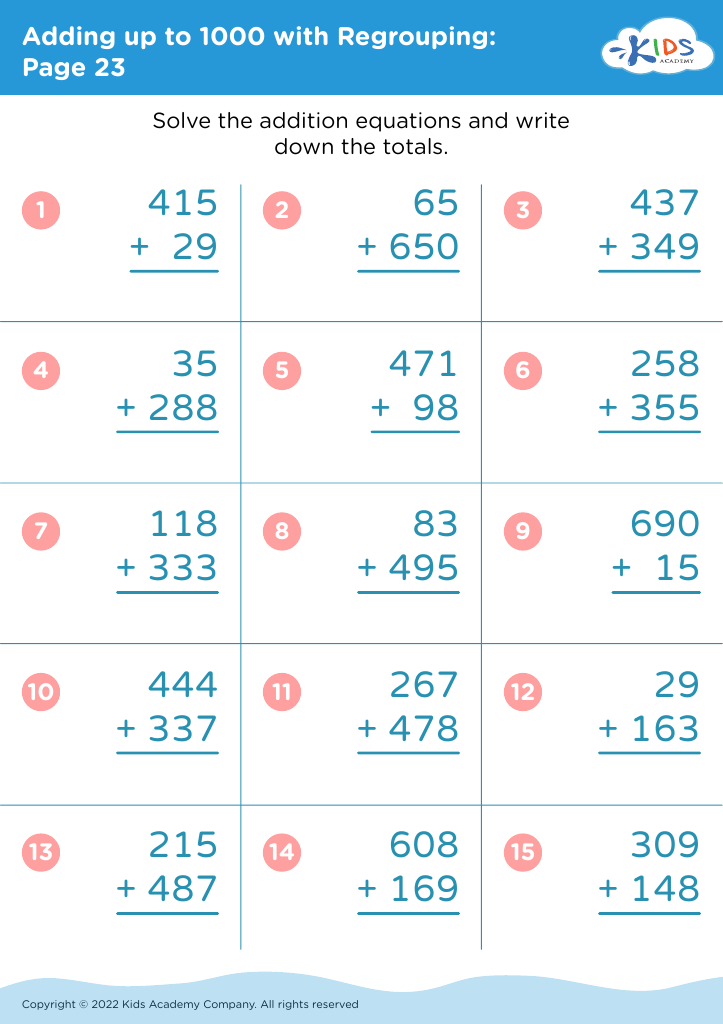
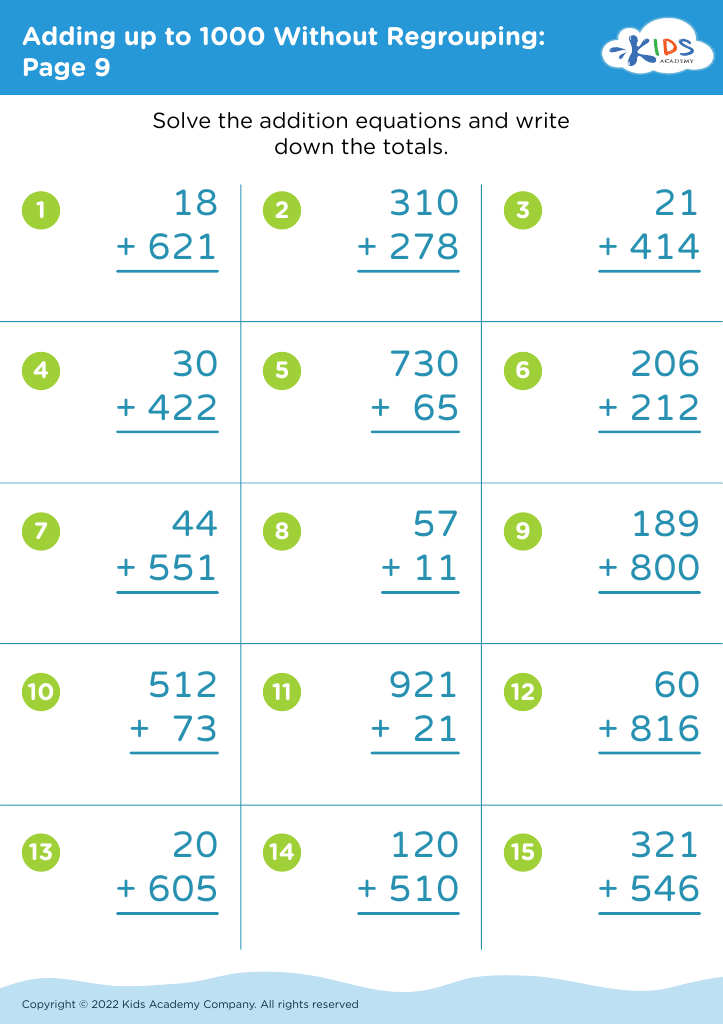







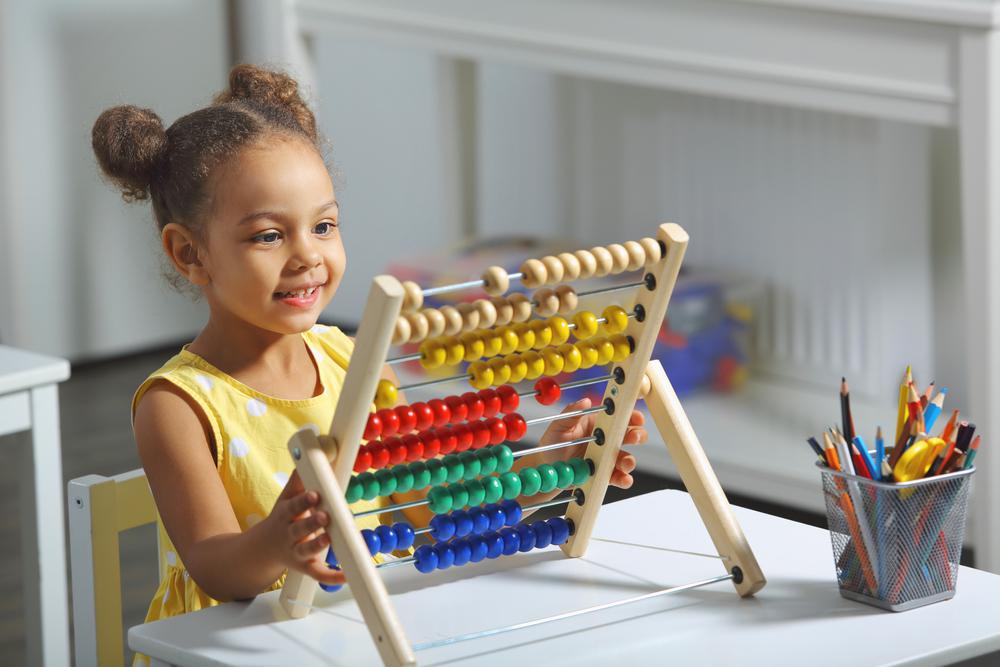
Parents and teachers should prioritize teaching 9-year-olds about identifying shapes and addition because these skills are foundational for mathematical understanding and critical thinking. At this age, children are becoming more adept at visual-spatial reasoning, which is essential not only for math but also for real-world problem-solving. Understanding shapes helps children recognize patterns and categorize objects, enhancing their ability to think abstractly.
Additionally, mastering addition is crucial as it serves as a building block for more complex mathematical concepts such as subtraction, multiplication, division, and fractions. When children learn to combine shapes with numerical skills, they perceive math as an interconnected system rather than isolated tasks. This integrated approach supports deeper comprehension and retention.
Moreover, these skills encourage creativity and innovation, as children can explore concepts in geometry while engaging in playful activities, such as drawing, building, or using manipulatives. As such, fostering a love for math through identifying shapes and addition can inspire a positive attitude toward learning overall. Thus, parents and teachers play a vital role in creating an enriching environment that encourages curiosity and promotes lifelong skills in children.








