Categorization skills Math Worksheets for 9-Year-Olds
3 filtered results
-
From - To
Discover our engaging Categorization Skills Math Worksheets designed specifically for 9-year-olds! Perfect for enhancing critical thinking and analytical abilities, these worksheets provide fun and interactive activities focused on sorting and classifying objects, numbers, and concepts. Covering various themes, our resources encourage children to recognize patterns, make connections, and develop their organizational skills. Each worksheet is aligned with educational standards, ensuring your child builds a solid foundation in mathematical reasoning. Ideal for use at home or in the classroom, our Categorization Skills worksheets make learning math an enjoyable experience. Empower your child’s math journey today with these essential tools!
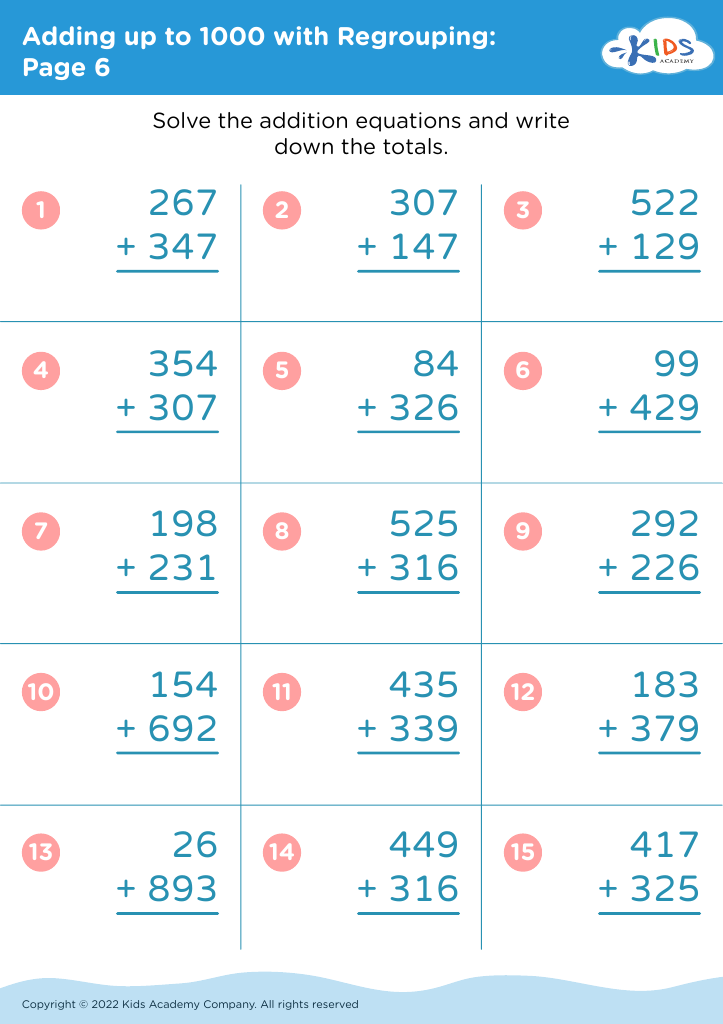
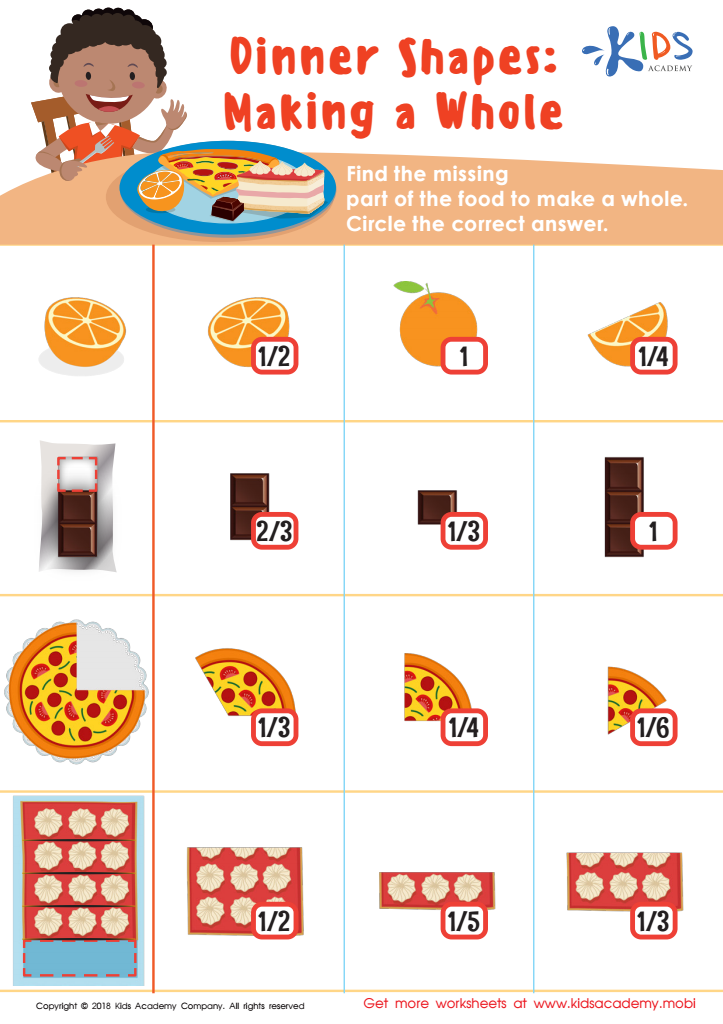
Dinner Shapes: Making a Whole Worksheet
 Assign to My Students
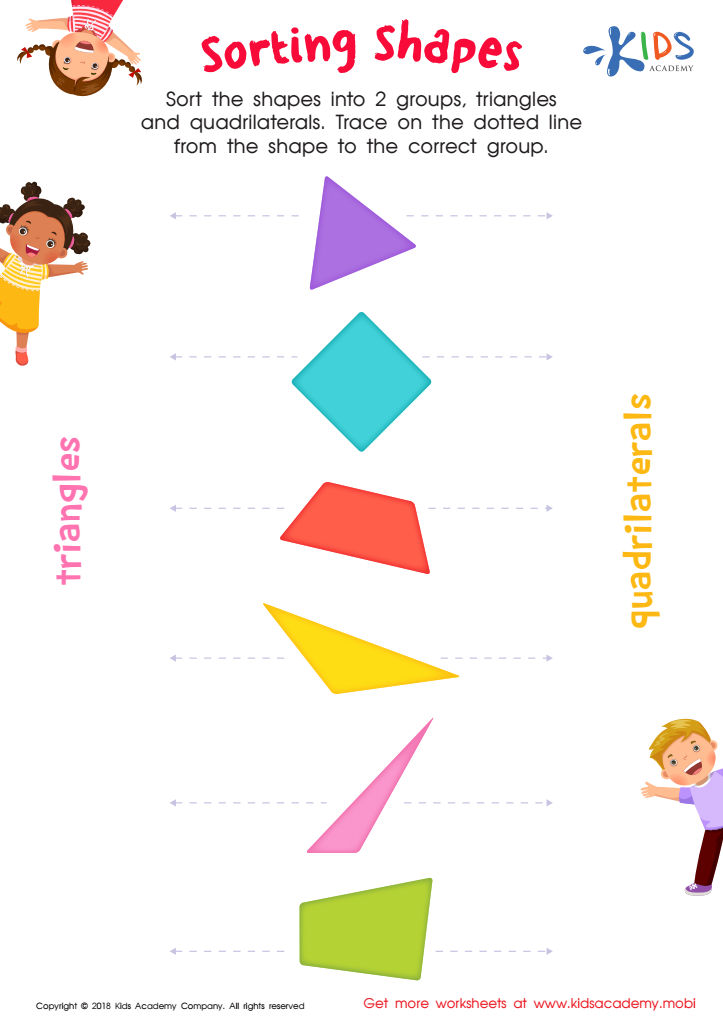
Sorting Shapes Worksheet








Categorization skills in math are crucial for 9-year-olds as they lay the groundwork for higher-order thinking and problem-solving abilities. At this age, children begin to develop critical reasoning skills, which enhance their understanding and interpretation of mathematical concepts. When children categorize objects or numbers based on shared properties, they learn to identify patterns, make connections, and simplify complex problems. This cognitive process fosters analytical thinking, enabling them to approach math challenges with confidence and creativity.
Moreover, categorization skills contribute to overall academic success. As children progress in mathematics, they encounter various topics, including geometry, data analysis, and algebra. Strong categorizations skills help them understand relationships between different concepts, leading to improved mathematical fluency and competence.
For teachers and parents, recognizing the importance of these skills can inform instructional strategies and support at home. Engaging activities, such as sorting games or group projects, can reinforce categorization and make learning enjoyable. Encouraging children to explain their reasoning promotes deeper understanding and retention of mathematical concepts. By investing in categorization skills, adults can help cultivate a positive attitude toward math, equipping children with the tools they need for future academic endeavors and real-world problem-solving.








