Fine motor skills development Math Worksheets for 9-Year-Olds
6 filtered results
-
From - To
Enhance your 9-year-old's learning experience with our engaging Fine Motor Skills Development Math Worksheets. Designed to strengthen hand-eye coordination and dexterity, these worksheets combine essential math concepts with fun activities. Children will enjoy practicing their skills while tackling various math challenges, from simple addition and subtraction to more complex problem-solving. Each worksheet promotes essential fine motor skills through enjoyable tasks, such as tracing, drawing, and cutting. Perfect for home or classroom use, these resources offer a holistic approach to math learning, ensuring kids develop both their cognitive and motor abilities. Explore our collection and support your child's educational journey today!
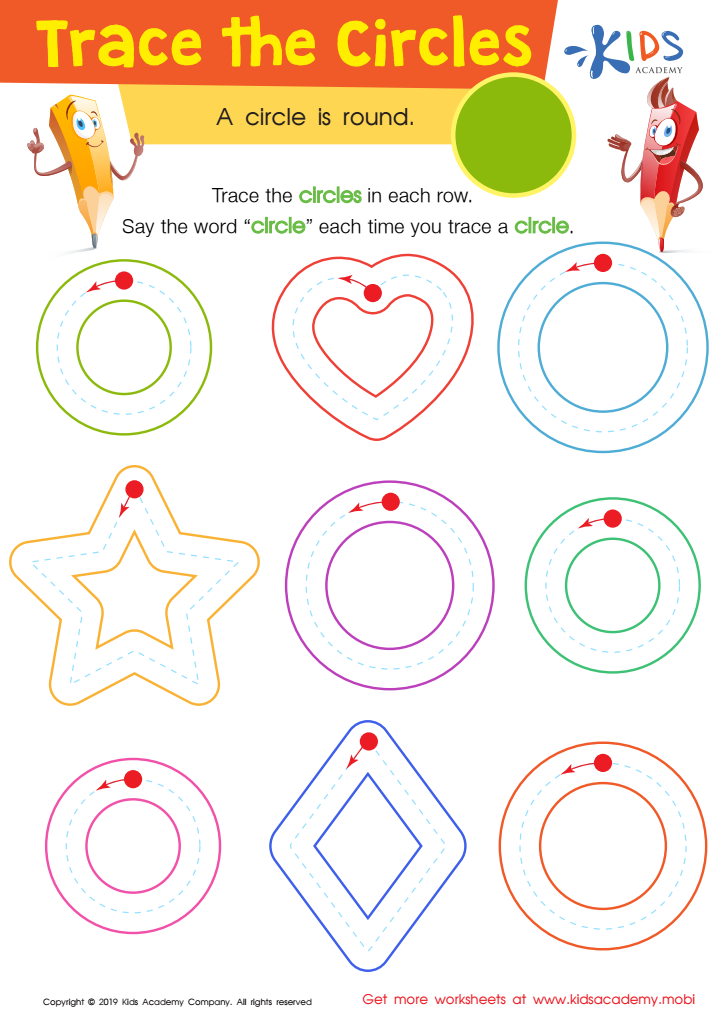
Trace The Circles Worksheet
 Assign to My Students
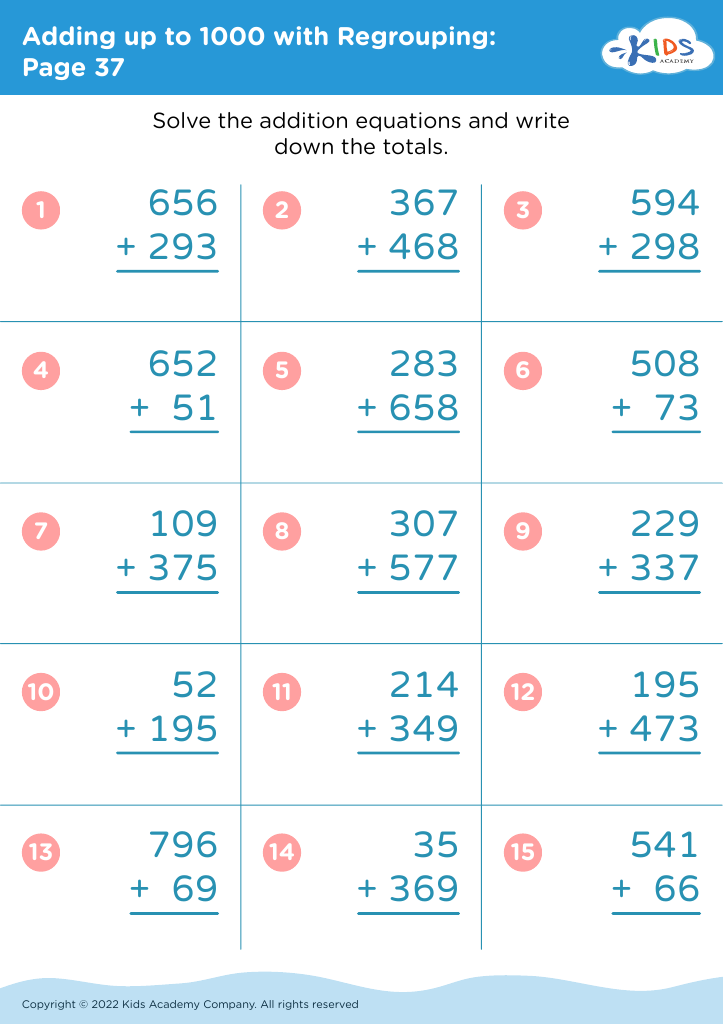
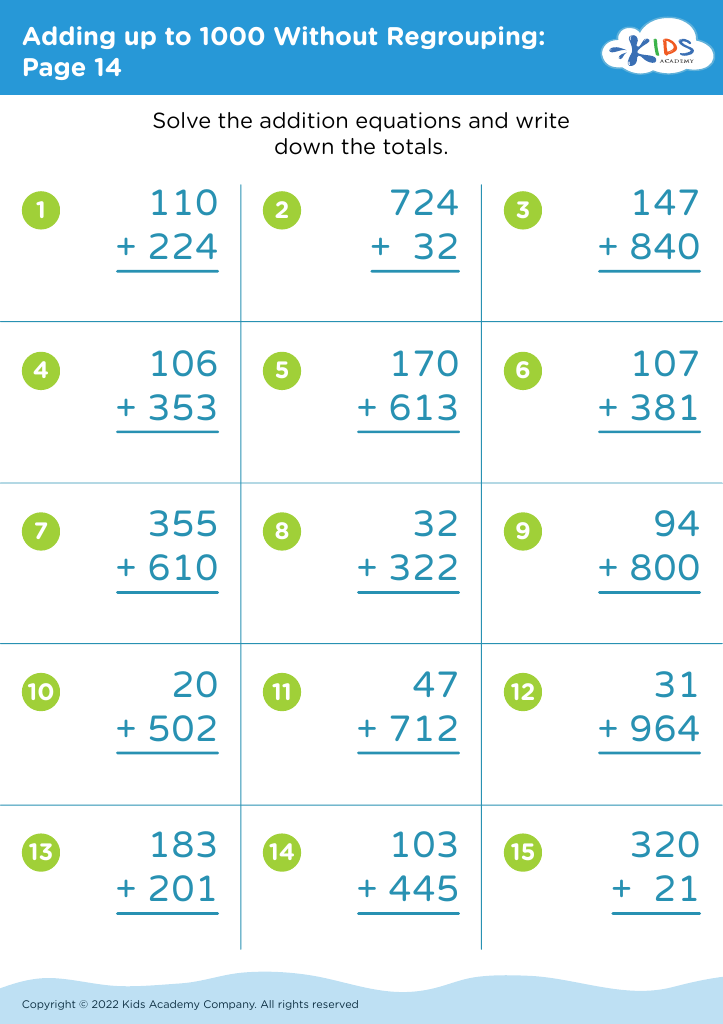
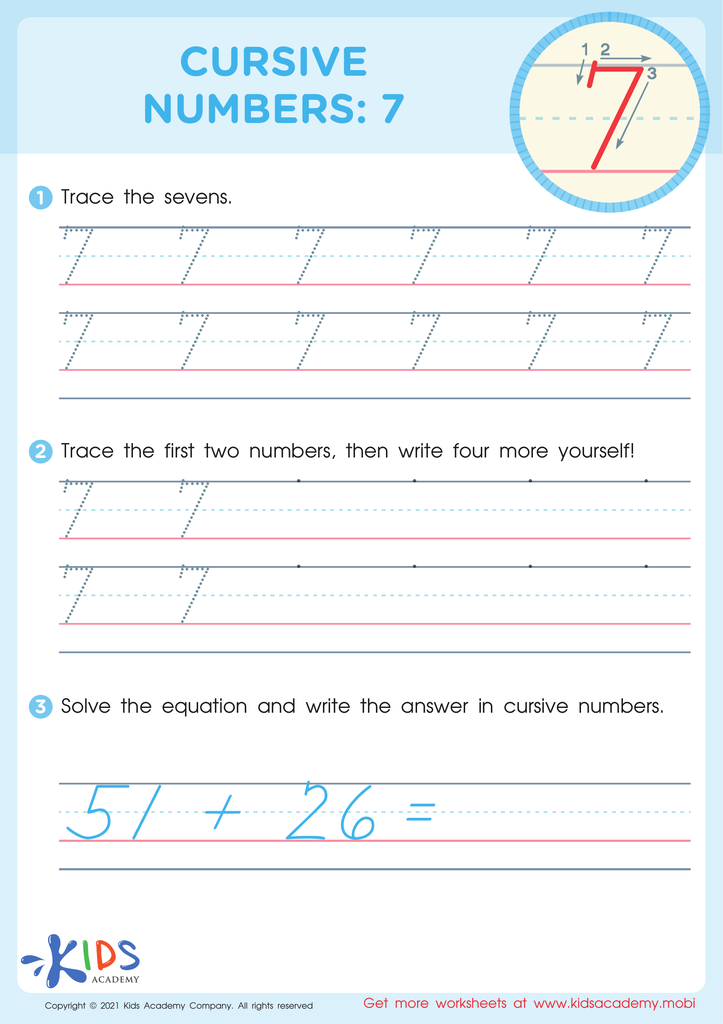
Cursive Numbers: 7 Worksheet
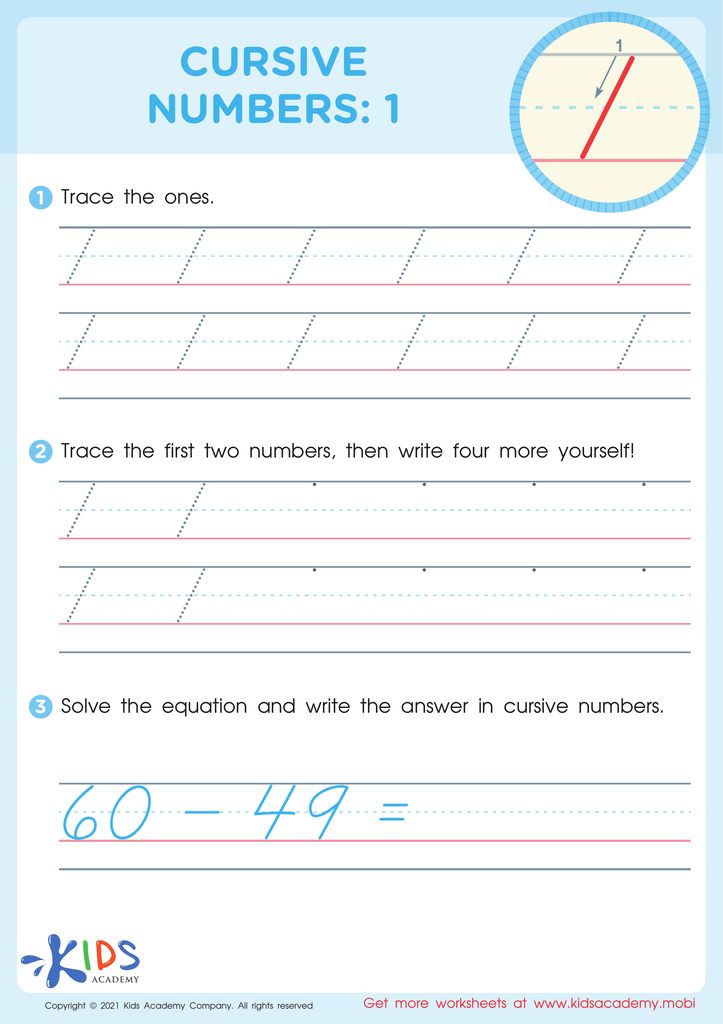
Cursive Numbers: 1 Worksheet
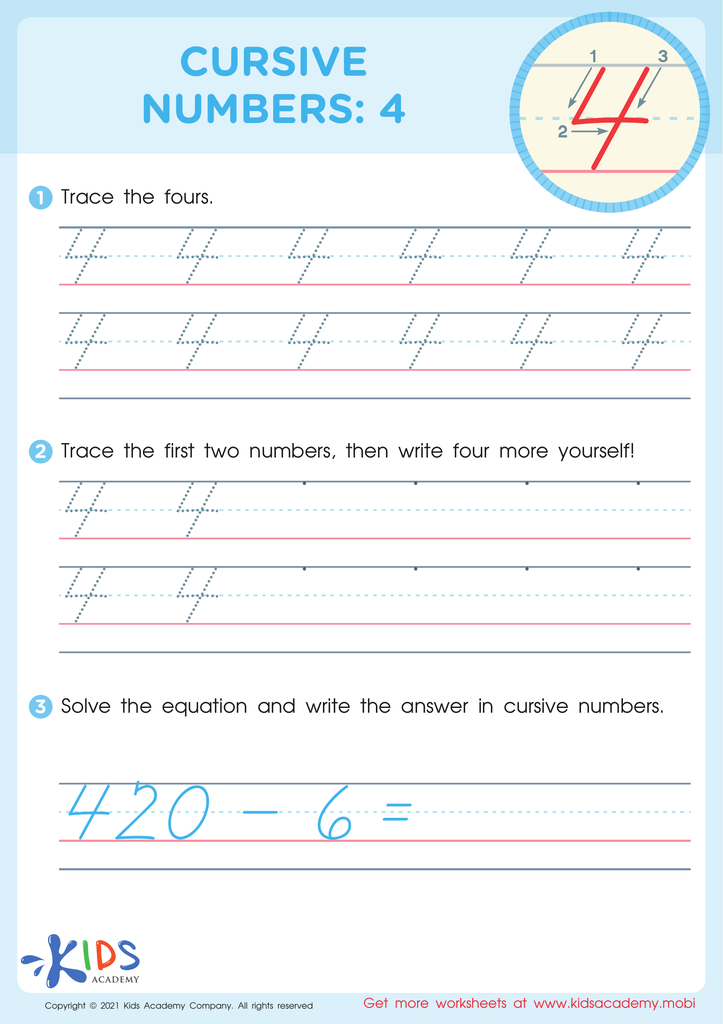
Cursive Numbers: 4 Worksheet








Fine motor skills are crucial for children's overall development, particularly for 9-year-olds as they navigate more complex tasks in both academic and daily life settings. These skills involve the small muscles in a child’s hands and fingers and are essential for activities like writing, drawing, and manipulating tools or objects. In math, fine motor skills facilitate the proper use of tools such as rulers, scissors, and calculators, enhancing children's ability to engage with the subject effectively.
When children possess well-developed fine motor skills, they can perform mathematical tasks with greater precision and confidence, leading to a stronger understanding of concepts such as geometry and measurement. Parents and teachers should care about these skills as they directly impact a child's ability to engage, participate, and succeed academically.
Moreover, fostering fine motor skills can positively influence a child’s self-esteem and willingness to take on challenges in math and beyond. Through activities like crafting, building, or even simple precision tasks at home, adults can reinforce these important skills. Supporting fine motor development not only helps in mathematics but also encourages better handwriting, artistic expression, and everyday activities, laying a solid foundation for future learning and independence.








