Identify shapes Math Worksheets for 9-Year-Olds
4 filtered results
-
From - To
Kids Academy offers engaging "Identify Shapes Math Worksheets for 9-Year-Olds", perfect for enhancing geometric skills in young learners. These worksheets provide hands-on activities to help children recognize, compare, and name various shapes, enhancing their understanding of geometry. Each worksheet is meticulously designed to make learning fun and effective, whether for classroom use or home practice. With colorful illustrations and interactive tasks, kids will build a strong foundation in shape identification and spatial awareness. Foster your child’s math skills today with Kids Academy's comprehensive collection of geometry worksheets tailor-made for 9-year-olds!







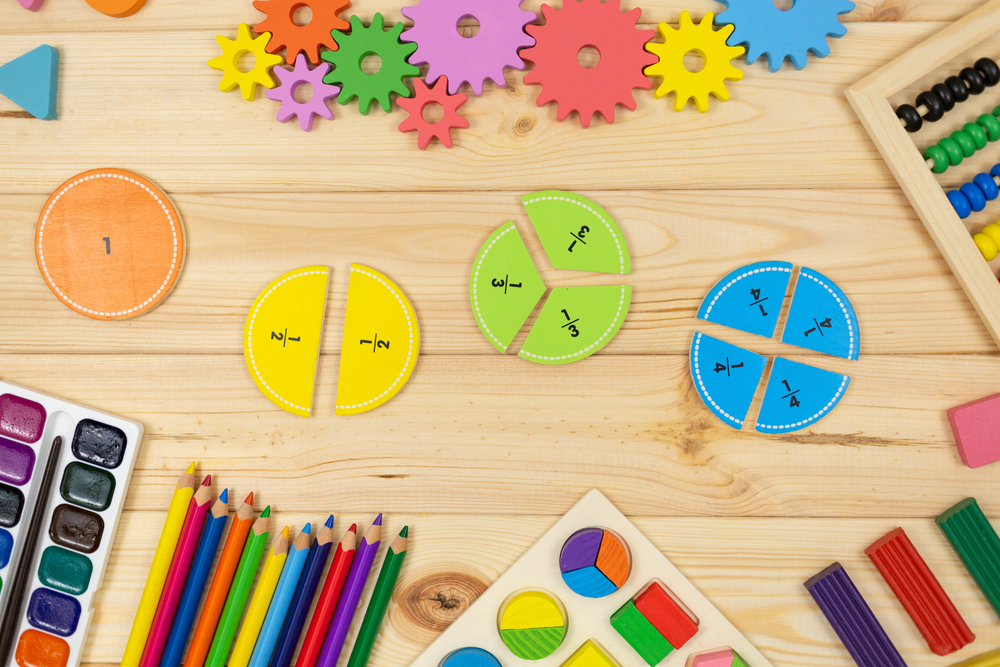
Understanding shapes is foundational for a 9-year-old because it supports their overall cognitive and mathematical development. Recognizing and identifying shapes help students grasp basic geometry concepts, which are essential building blocks for more advanced math skills. For instance, the ability to distinguish shapes builds spatial awareness, an important skill for subjects like geography, architecture, art, and engineering.
From an educational perspective, teaching shapes helps children develop critical thinking and problem-solving abilities. They learn to observe, classify, and analyze visual information, allowing them to make sense of the world around them in a structured way. For instance, understanding circles, squares, and triangles can later lead to comprehending more complex geometric configurations and patterns.
Moreover, shapes are closely linked to everyday life. Road signs, buildings, and various objects all use geometric shapes, and recognizing these can improve a child's ability to navigate and understand their environment. In terms of standards and benchmarks, being proficient in identifying shapes is often a key objective in early grades, making it a priority for teachers to address.
Parents should care too, as shape recognition encourages children's fine motor skills and spatial reasoning in fun and interactive ways, such as puzzles and drawing activities. Encouraging shape identification at home can supplement school learning, fostering a more comprehensive educational experience for the child.








