Critical Thinking Word Problems Worksheets for 9-Year-Olds
6 filtered results
-
From - To
Enhance your 9-year-old's problem-solving skills with our engaging Critical Thinking Word Problems Worksheets! These specially curated worksheets from Kids Academy challenge young minds to apply their math knowledge creatively and logically. Each worksheet features real-life scenarios that require children to think critically, fostering higher-order reasoning and analytical skills. Perfect for complementing school learning or extra practice at home, these activities are designed to make math fun while enhancing critical thinking abilities. Encourage your child’s development as a confident problem-solver with our expertly crafted puzzles and word problems tailored for young math enthusiasts.
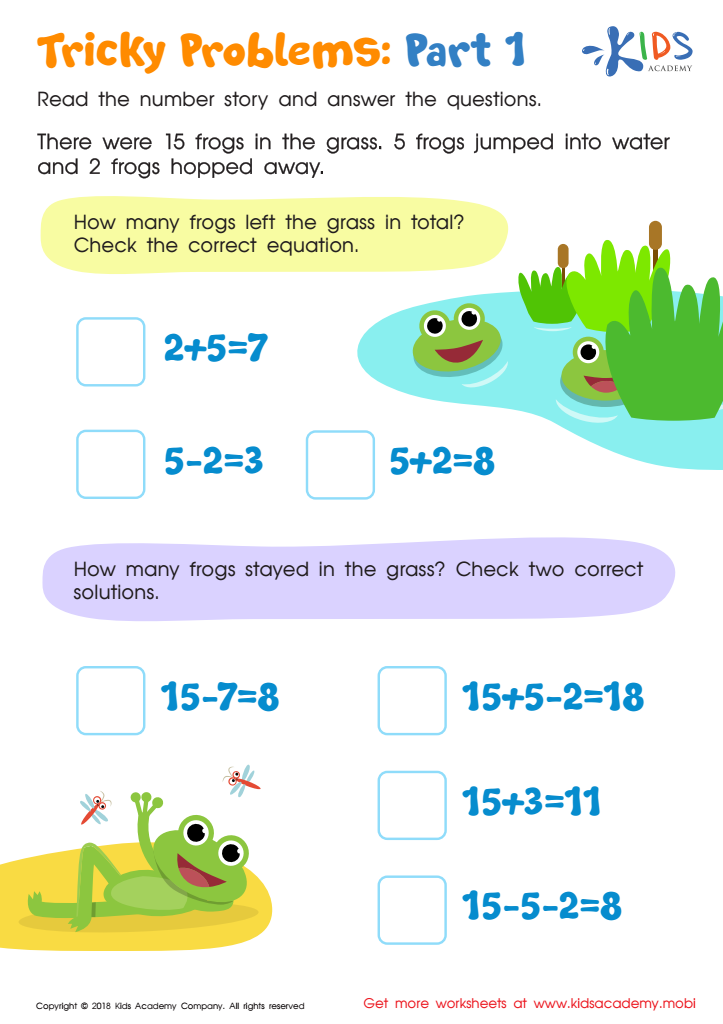
Tricky Problems Worksheet: Part 1
 Assign to My Students
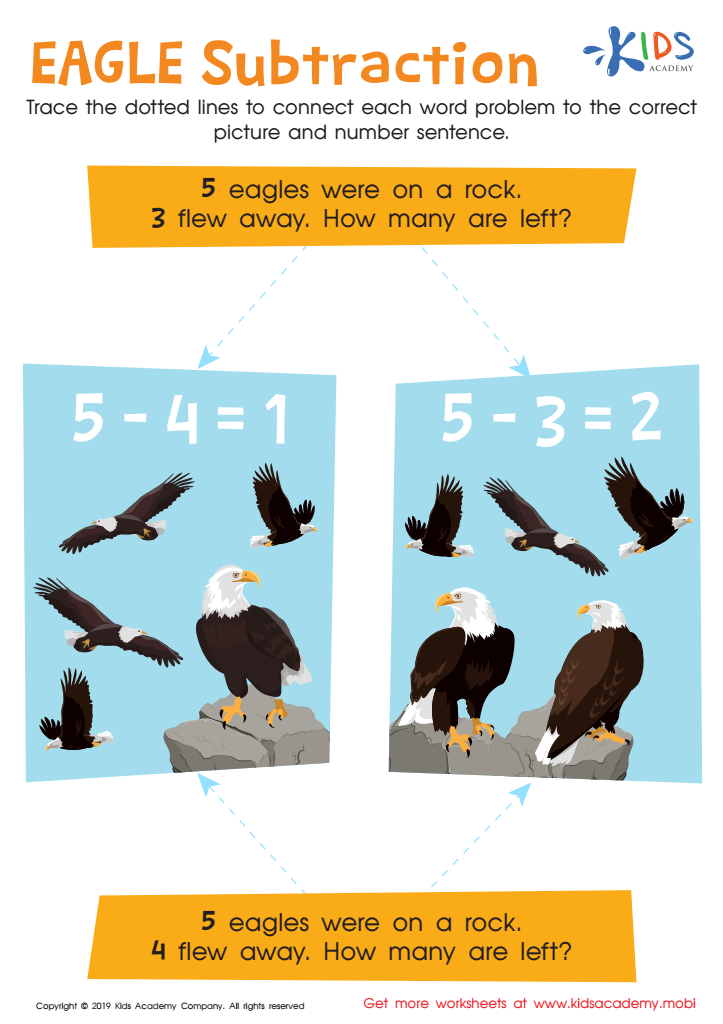
Eagle Subtraction Worksheet
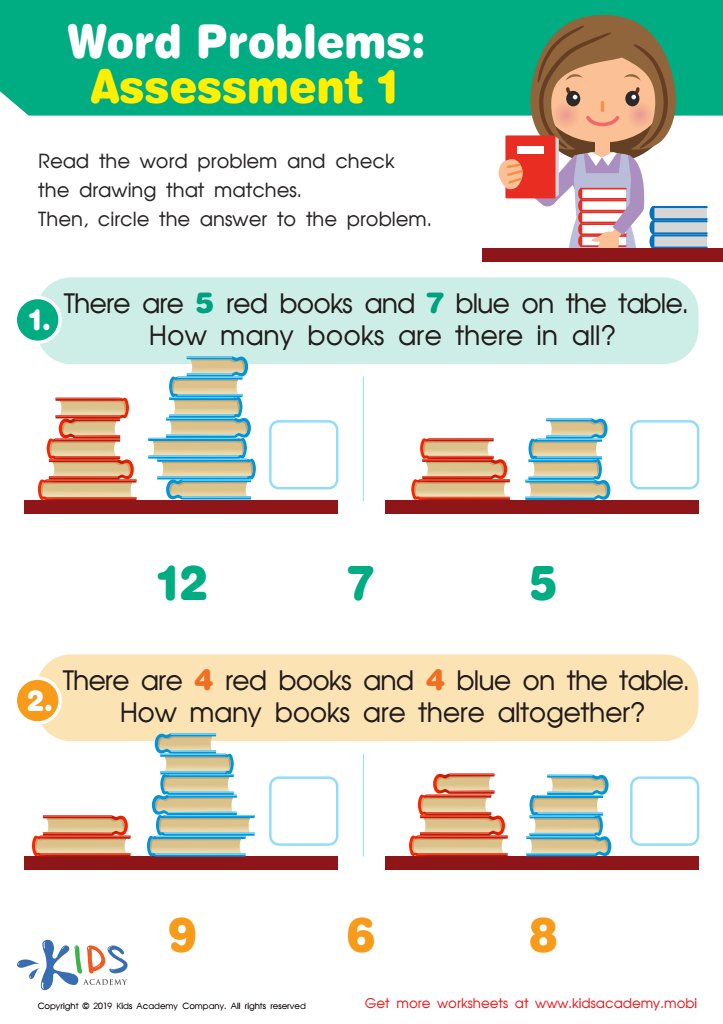
Word Problems: Assessment 1 Worksheet
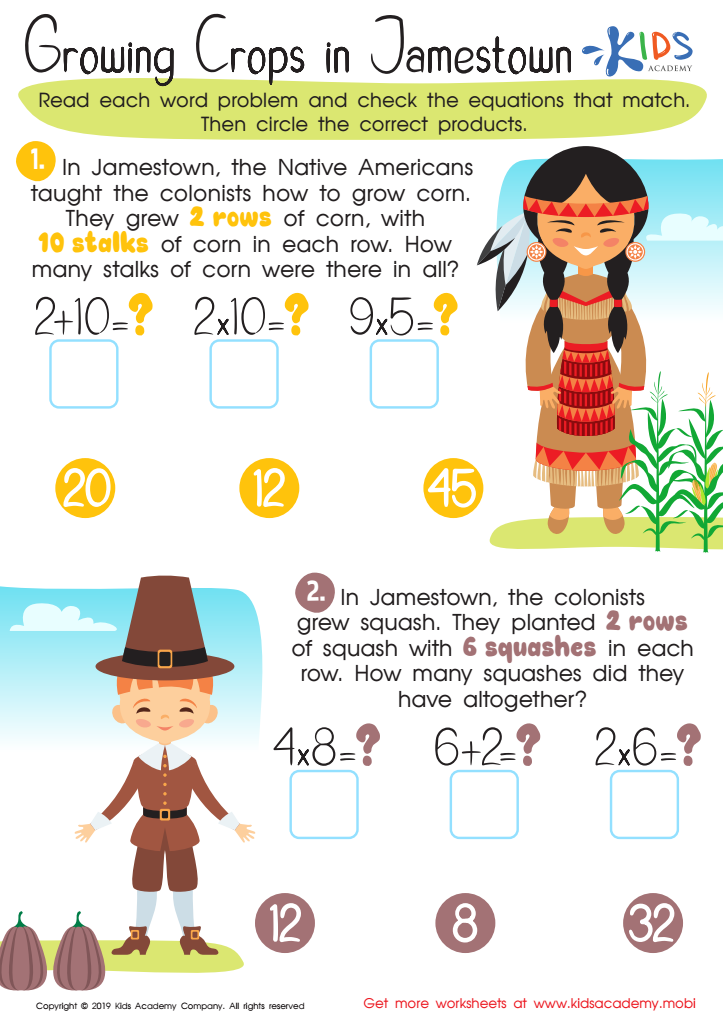
Growing Jamestown Worksheet
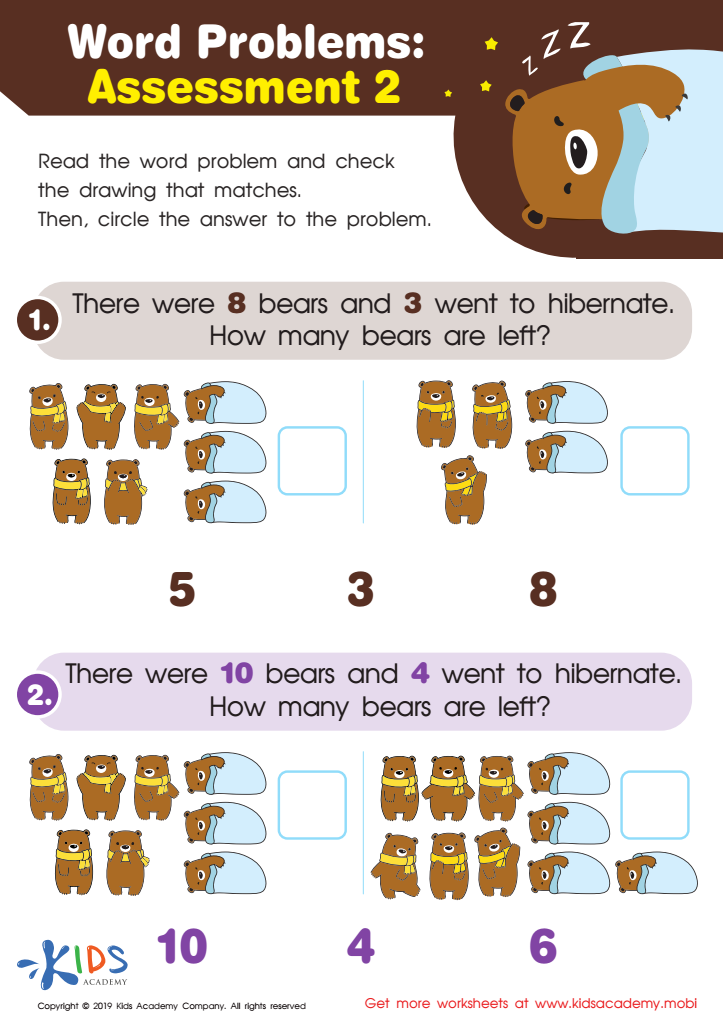
Word Problems: Assessment 2 Worksheet
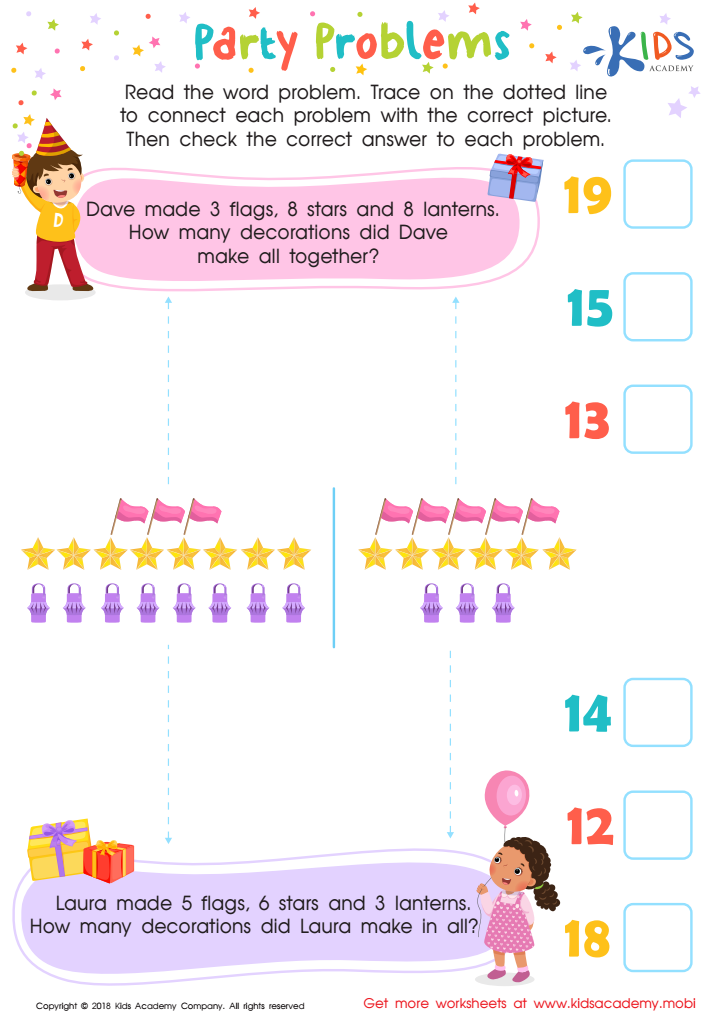
Party Problems Worksheet




.jpg)



Engaging 9-year-olds in critical thinking word problems is essential for several reasons that grasp both educational and developmental aspects. Firstly, these exercises help to enhance cognitive abilities such as problem-solving, logical reasoning, and analytical skills. When students tackle word problems, they must decipher what information is relevant, predict possible outcomes, and systematically work through steps, which sharpens their mind far beyond rote memorization.
Moreover, fostering critical thinking at an early age prepares children for more complex subjects they will encounter later in their academic journey. Mastery of these skills translates to an improved ability to understand and solve real-world problems. For instance, when students are faced with everyday dilemmas or decision-making situations, critical thinking enables them to weigh different options and foresee potential impacts, fostering more enlightened choices.
Additionally, participation in critical thinking exercises enhances communication skills. As children articulate their reasoning and thought processes, they improve their verbal and written expression, which are crucial for academic success and social interactions.
Lastly, critical thinking aids in building confidence and independence in young learners. When they successfully solve challenging problems, they experience a sense of achievement and learn to trust their abilities, paving the way for a positive attitude toward learning and lifelong intellectual curiosity.








