Counting practice Building Vocabulary Worksheets for 9-Year-Olds
4 filtered results
-
From - To
Enhance your 9-year-old’s counting skills while building vocabulary with our engaging worksheet collection! Specifically designed to make learning enjoyable, these resources combine numerical practice with language development. Your child will practice counting and learn new words through interactive activities that stimulate critical thinking. Each worksheet is crafted to reinforce both math and reading skills in a fun and effective way, helping young learners connect numbers with everyday language. Perfect for classroom use or at home, these worksheets will keep children challenged and excited about learning. Download and watch your child thrive as they master counting and vocabulary simultaneously!
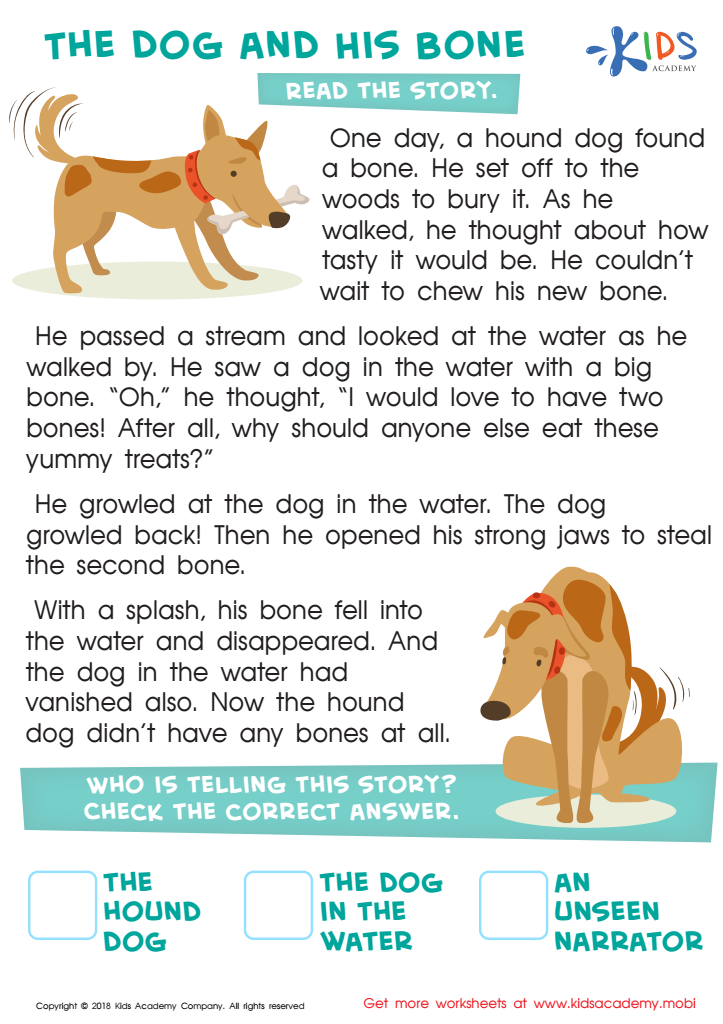
The Dog and His Bone Worksheet
 Assign to My Students











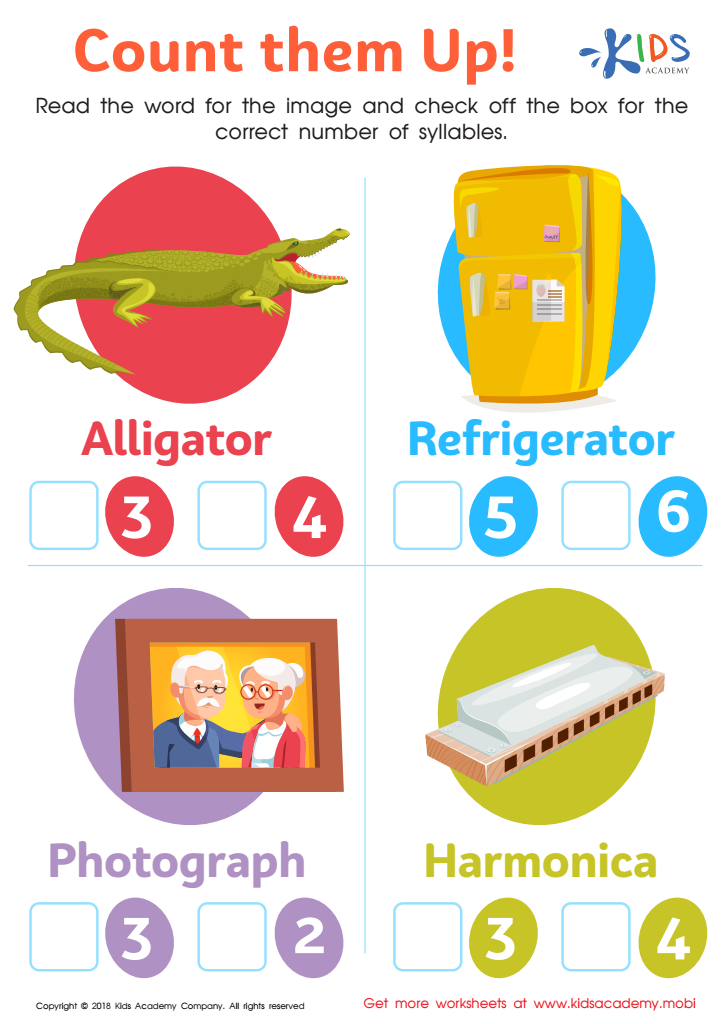
Count Them Up Worksheet
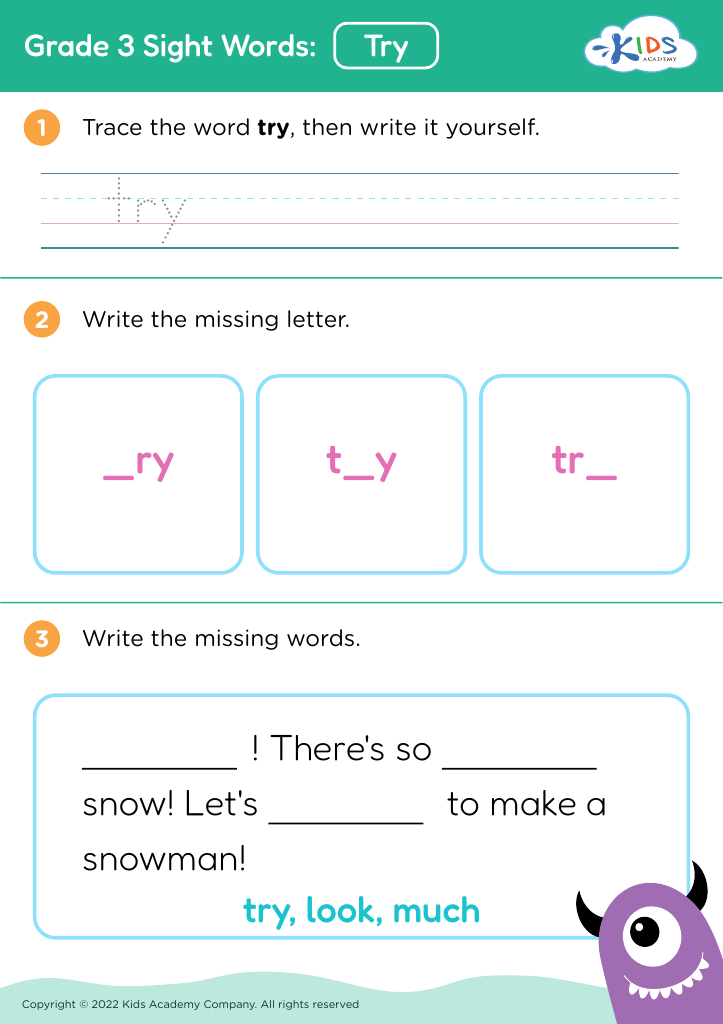
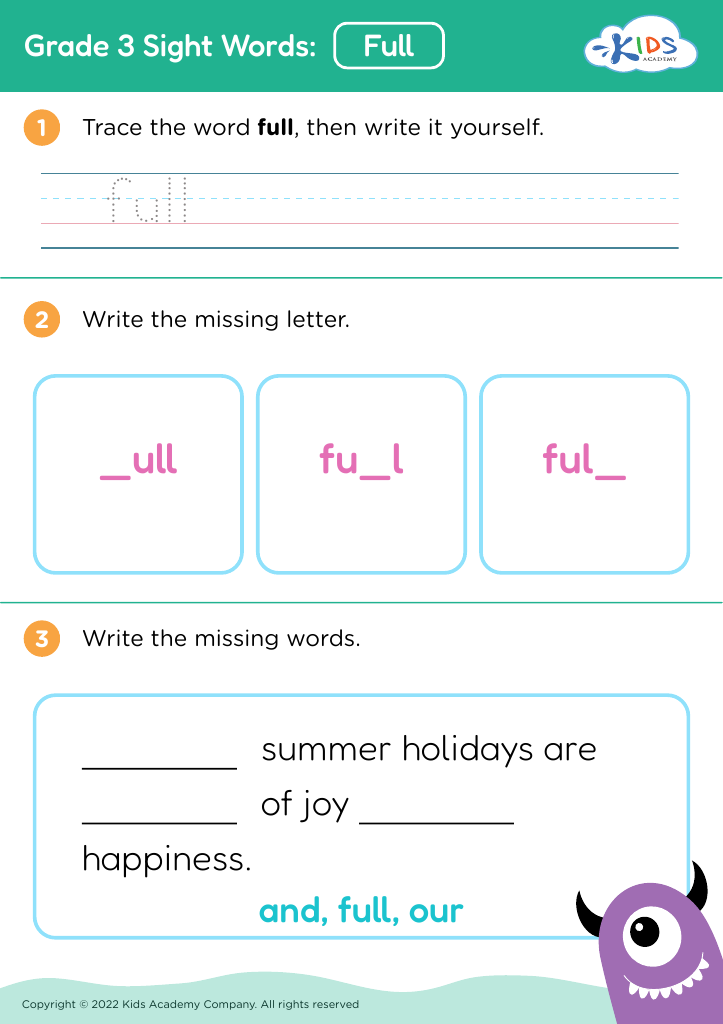


.jpg)




.jpg)
Counting practice and building vocabulary are essential for 9-year-olds because they form the foundation for successful learning across all subjects. At this age, children are transitioning from basic arithmetic to more complex mathematical concepts, making counting skills crucial. Regular counting practice helps them understand number sequences, improve their ability to solve problems, and develop critical thinking skills.
Simultaneously, vocabulary building plays a pivotal role in enhancing reading comprehension and written expression. As children encounter diverse words, they learn to articulate their thoughts more clearly and understand more complex ideas. A rich vocabulary supports their academic performance in subjects like science and social studies, where specialized terms are often introduced.
Moreover, both counting and vocabulary skills foster confidence. When children become proficient in these areas, they feel more capable of tackling challenging tasks, which can enhance their overall attitude towards learning. Encouraging counting and vocabulary activities at home or in classrooms can lead to improved cognitive abilities and social skills, preparing 9-year-olds for their future educational journey. Parents and teachers must prioritize these practices to equip children with the tools necessary for academic success and personal growth.








