Handwriting practice Letter X Worksheets
4 filtered results
-
From - To
Enhance your child's handwriting skills with our engaging "Handwriting Practice Letter X Worksheets"! Designed for early learners, these worksheets offer a fun and interactive way to master the letter X, promoting fine motor skills and confidence in writing. Each worksheet features traceable letters, allowing children to practice writing uppercase and lowercase X in various creative activities. Incorporate playful elements to keep them engaged while they learn. Perfect for homeschooling or classroom use, our resources cater to different learning styles. Download and print our free worksheets today to support your child's journey towards fluent handwriting and foundational literacy success!
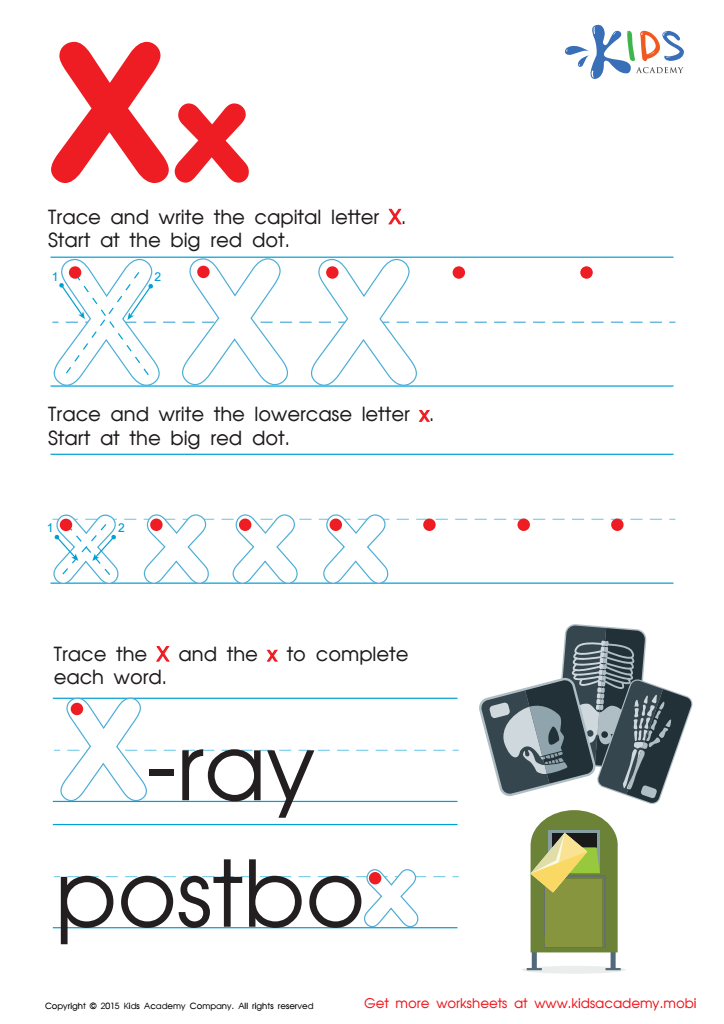
Letter X Tracing Page
 Assign to My Students
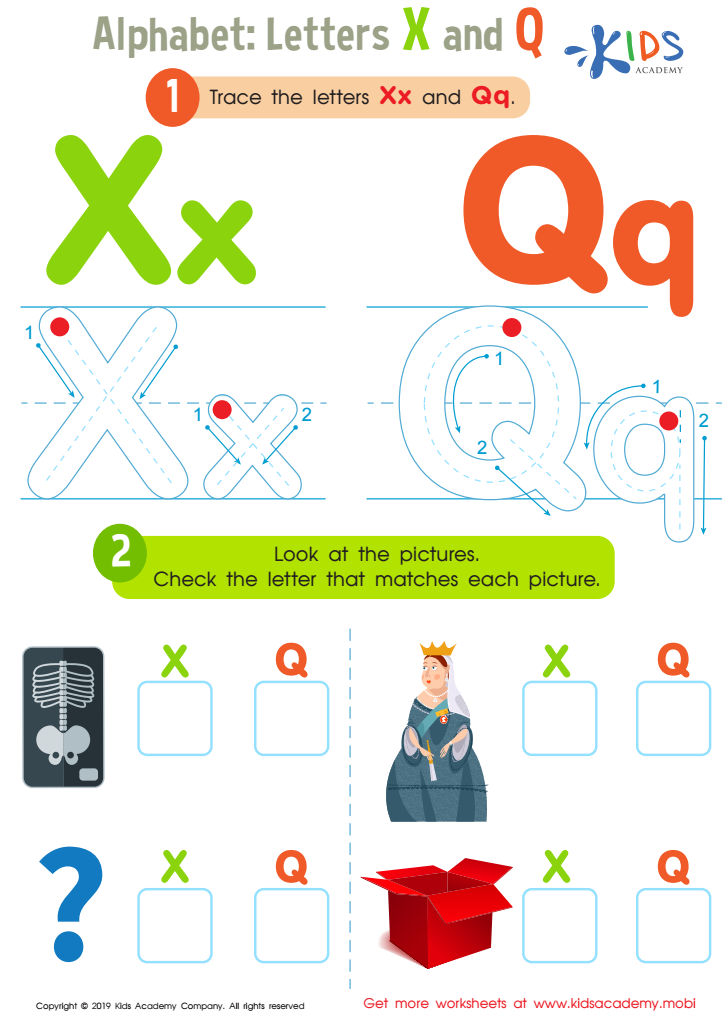
Letters X and Q Tracing Worksheet
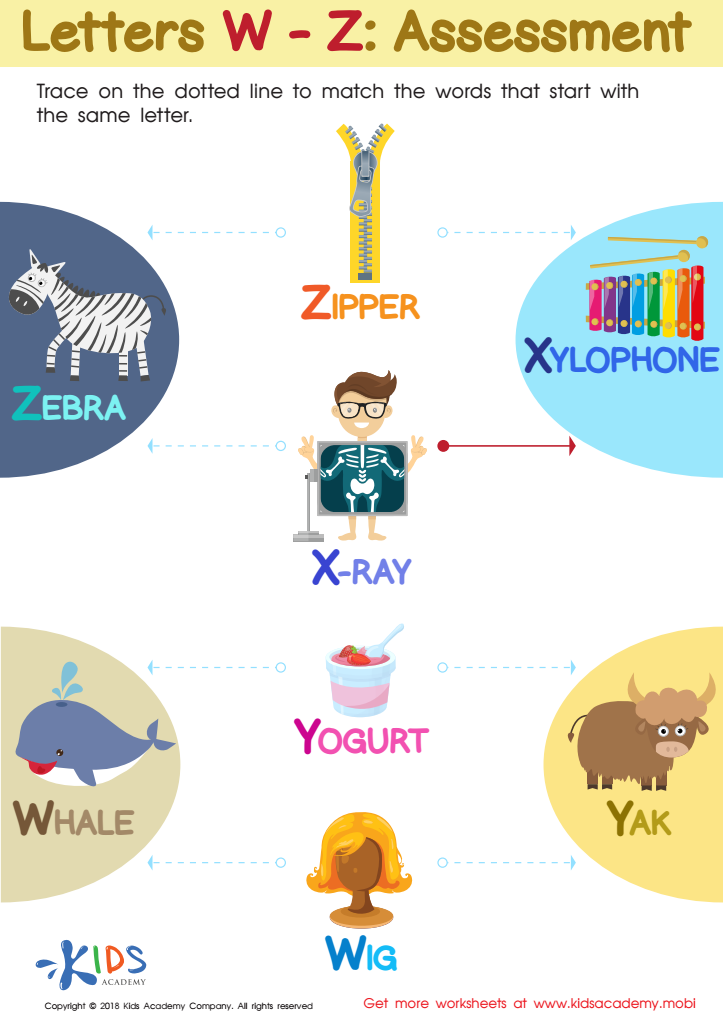
Letters W–Z Tracing Worksheet
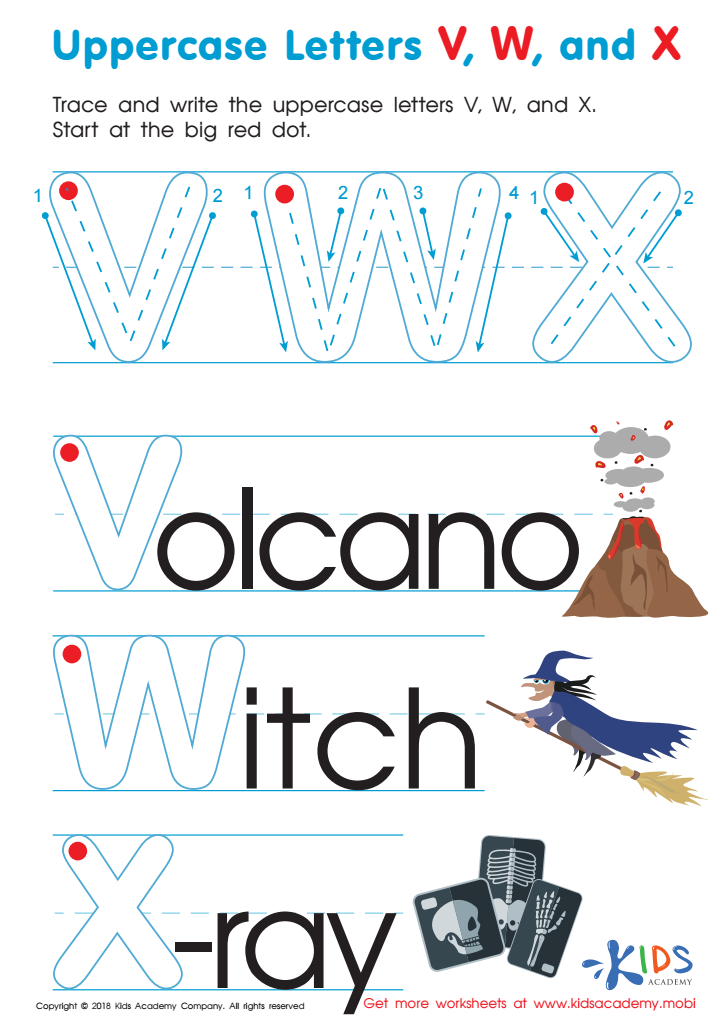
Uppercase Letters V, W, and X Worksheet




Handwriting practice, especially for letters like "X," is crucial for young learners as it lays the foundation for effective communication skills. For parents and teachers, fostering good handwriting habits offers several benefits. Firstly, developing fine motor skills is essential for children's overall dexterity; practicing letter formations strengthens hand muscles and coordination. The letter "X," with its diagonal strokes, encourages children to engage different parts of their hands, promoting greater control and precision.
Moreover, proper handwriting contributes to reading fluency. As students practice writing letters, they reinforce their recognition of these letters within words and sentences. Literacy development thrives in an environment where writing is valued. Clear, legible handwriting promotes confidence in children when expressing themselves on paper.
Practicing letter "X" can also enhance students' focus and attention to detail. Engaging with controlled movements helps children learn patience and perseverance, key skills that extend beyond academics. Lastly, consistent handwriting practice creates a sense of accomplishment for children, motivating them to continue developing their skills.
In sum, handwriting practice, including the letter "X," encourages fine motor development, reinforces literacy, and builds essential life skills, making it critically important for both parents and educators to prioritize.