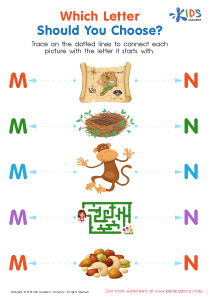
Alphabet Recognition Lowercase/Small Letters Worksheets
9 filtered results
-
From - To
Boost your child's literacy skills with our engaging Alphabet Recognition Lowercase/Small Letters Worksheets! Designed for early learners, these worksheets help children identify and differentiate lowercase letters through fun activities and exercises. Each resource focuses on building recognition, enhancing fine motor skills, and promoting letter familiarity. With a variety of interactive tasks, including tracing, matching, and coloring, young learners will enjoy mastering the alphabet in a playful and supportive environment. Ideal for home practice or classroom use, our printable worksheets provide the perfect foundation for early reading success. Discover the joy of learning letters—download our worksheets today!
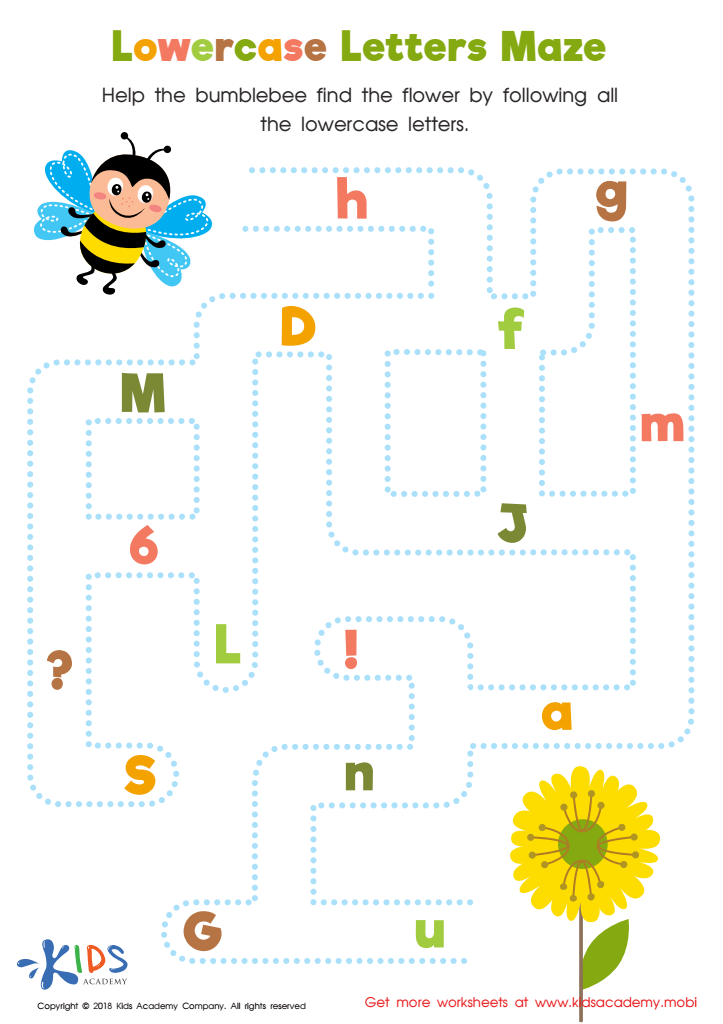
Lowercase Letters Maze Worksheet
 Assign to My Students
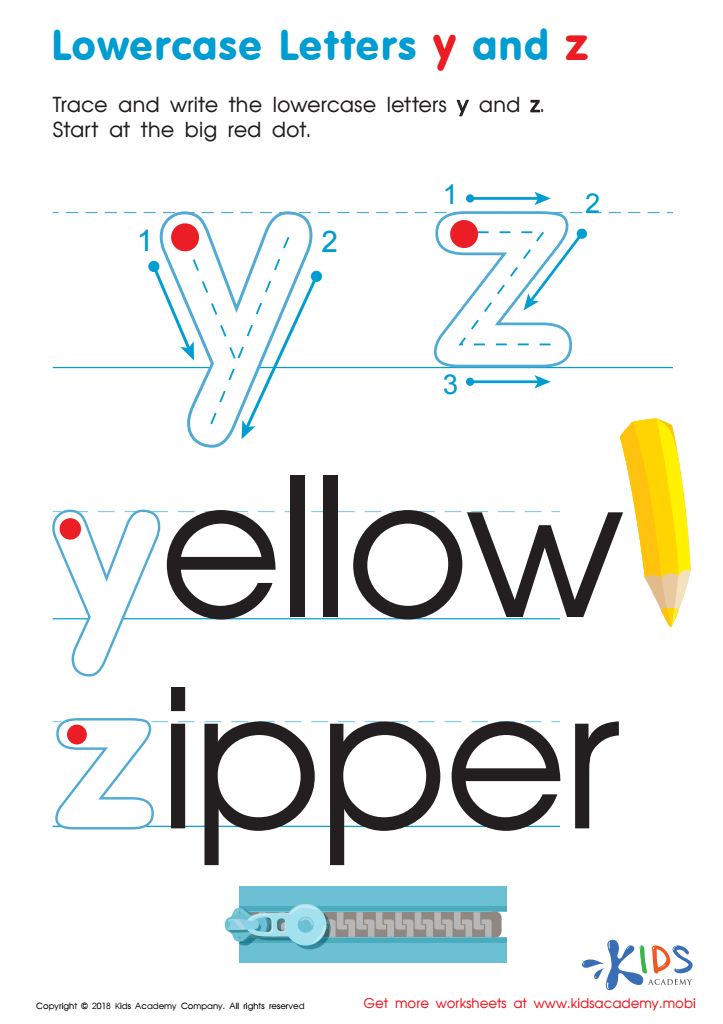
Lowercase Letters y z Worksheet
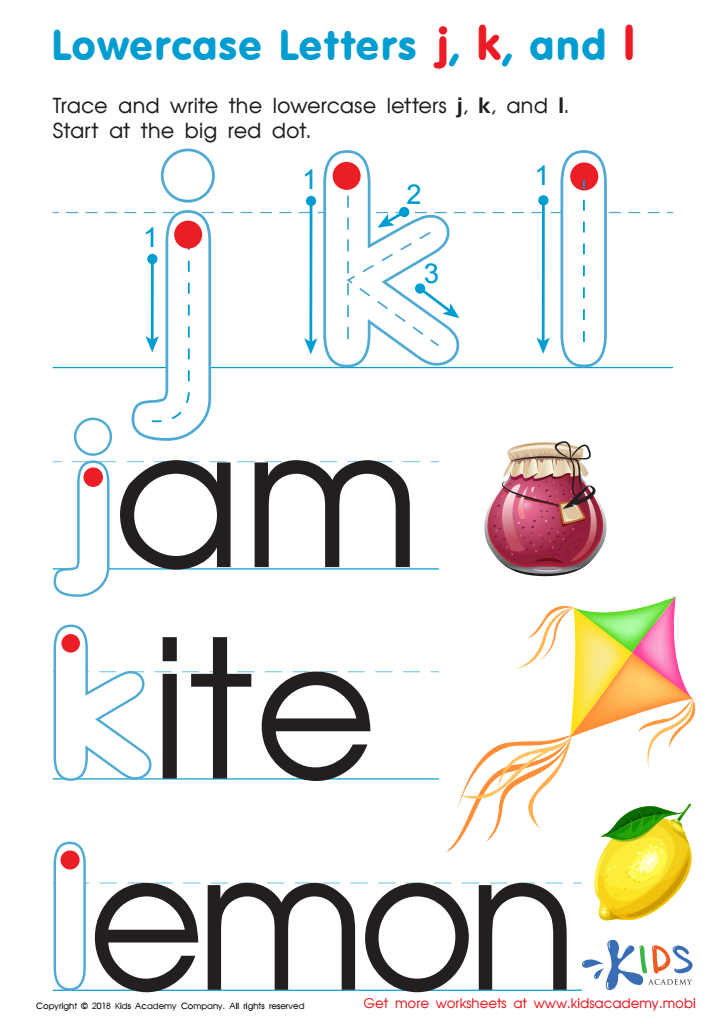
Lowercase Letters j k l Worksheet

Lowercase Letters m n o Worksheet

Lowercase Letters d e f Worksheet
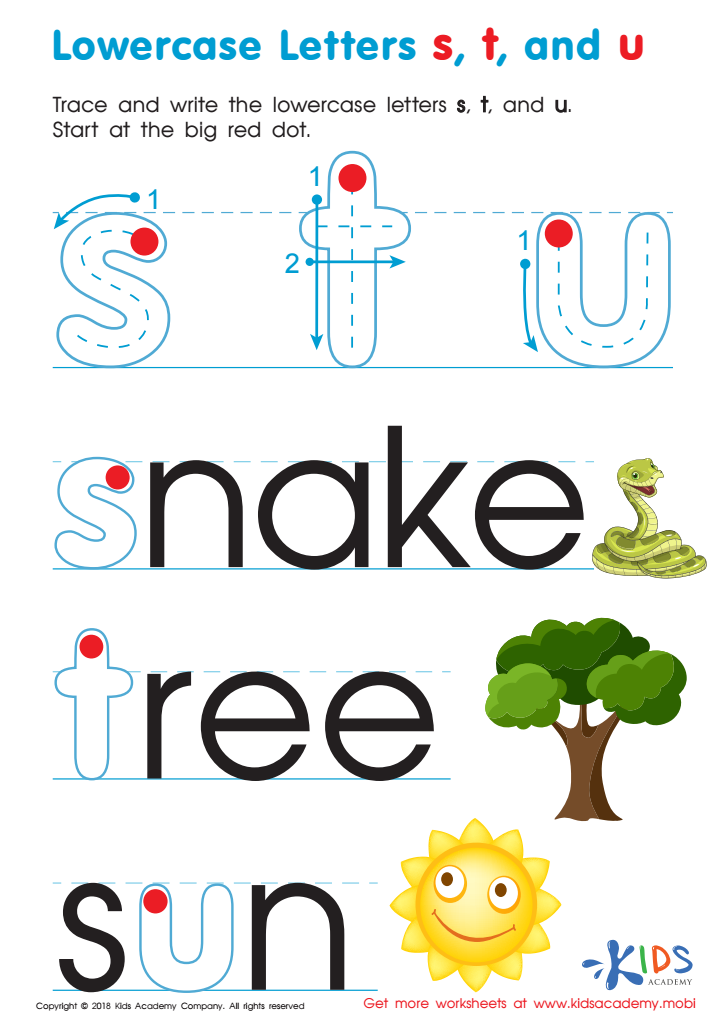
Lowercase Letters s t u Worksheet
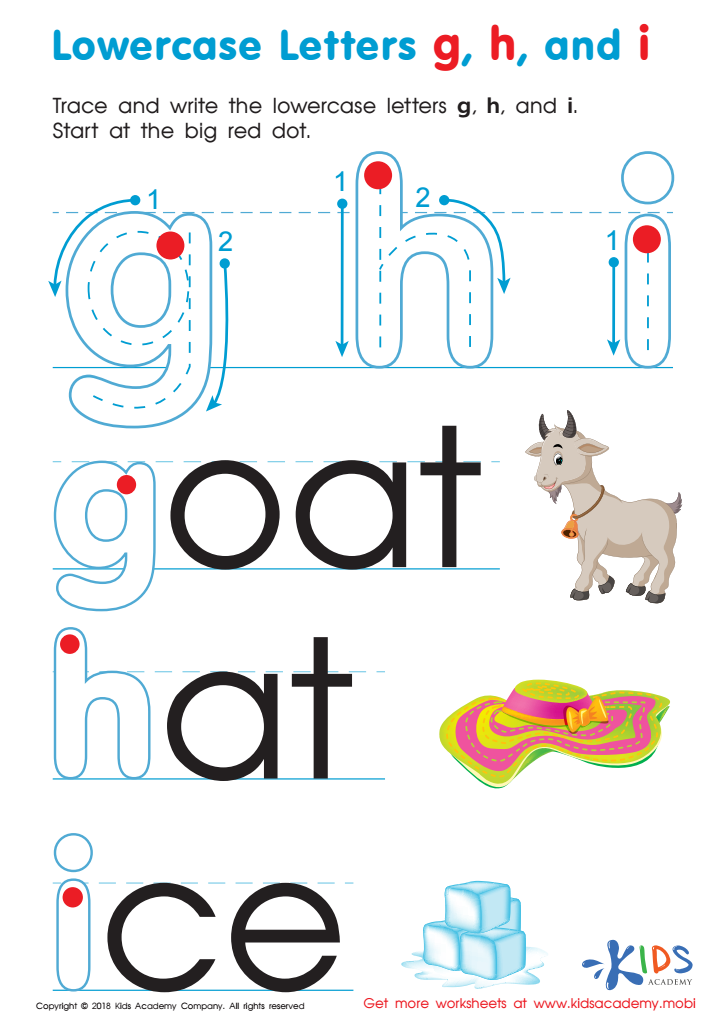
Lowercase Letters g h i Worksheet
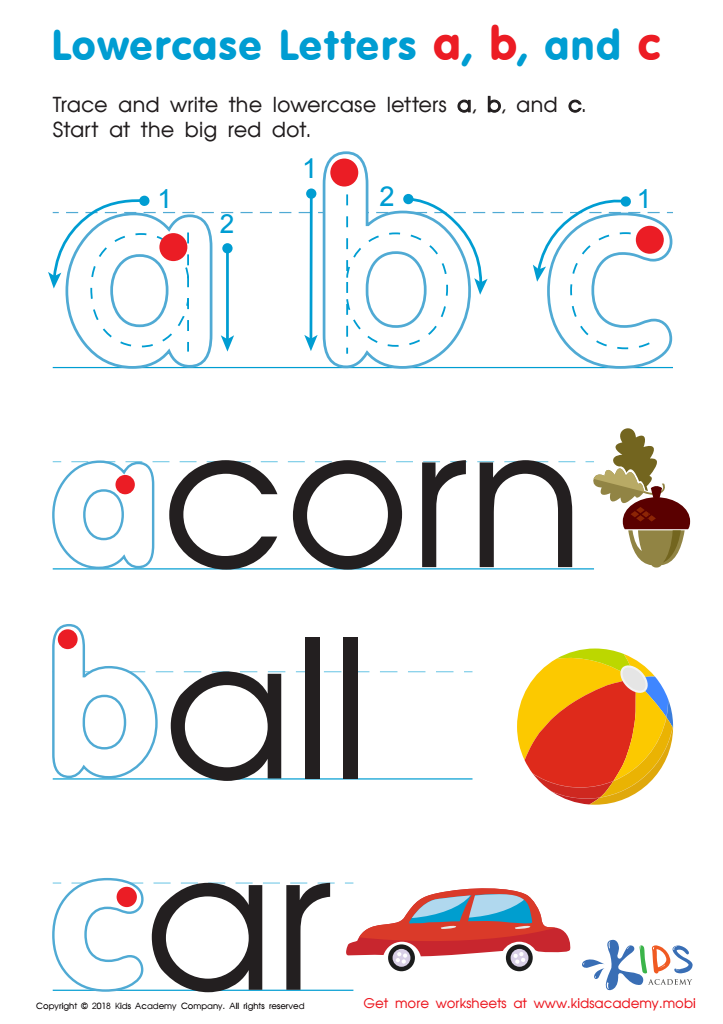
Lowercase Letters a b c Worksheet
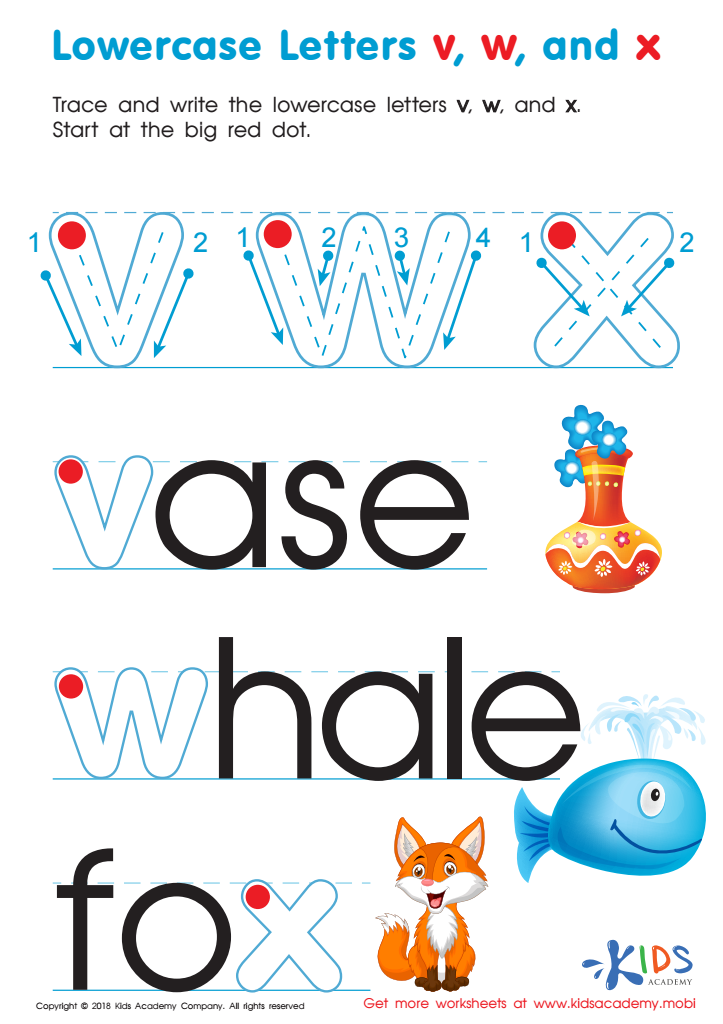
Lowercase Letters v w x Worksheet


Alphabet recognition, particularly of lowercase letters, is a fundamental skill that significantly impacts a child's reading and writing development. Parents and teachers should prioritize this skill for several reasons.
Firstly, lowercase letters are the most commonly used in everyday writing, making it essential for children to recognize and effectively read and write them. Fostering familiarity with these letters encourages early literacy, enhancing their ability to decode words, comprehend texts, and express ideas coherently.
Secondly, mastering alphabetical recognition forms the groundwork for phonics, where children learn the sounds associated with letters. This connection is crucial for spelling and developing effective reading strategies.
Moreover, developing recognition of lowercase letters contributes to confidence and motivation in young learners. When children can recognize and use letters confidently, they are likely to engage more in classroom activities and reading exercises.
Finally, understanding this fundamental skill supports children's communication abilities, extending beyond academics into daily life, where reading and writing are invaluable skills.
By prioritizing lowercase letter recognition, parents and teachers equip children not just with skills needed for literacy, but also foster a love for learning and storytelling, setting them on a path for lifelong academic success.