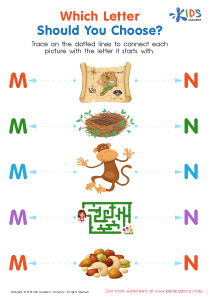
Handwriting practice Lowercase/Small Letters Worksheets
8 filtered results
-
From - To
Discover engaging handwriting practice worksheets dedicated to teaching lowercase letters! Our expertly designed pages help children develop proper letter formation, fine motor skills, and early writing techniques. Ideal for preschool and kindergarten students, each worksheet provides step-by-step tracing activities and ample space for independent practice. These colorful, fun activities encourage learning while making handwriting practice enjoyable. Perfect for classroom use or at-home learning, our lowercase letter worksheets lay the foundation for excellent penmanship and literacy skills. Transform handwriting lessons into a stress-free, delightful experience with our easy-to-use, printable resources. Explore now and watch your child's writing confidence soar!
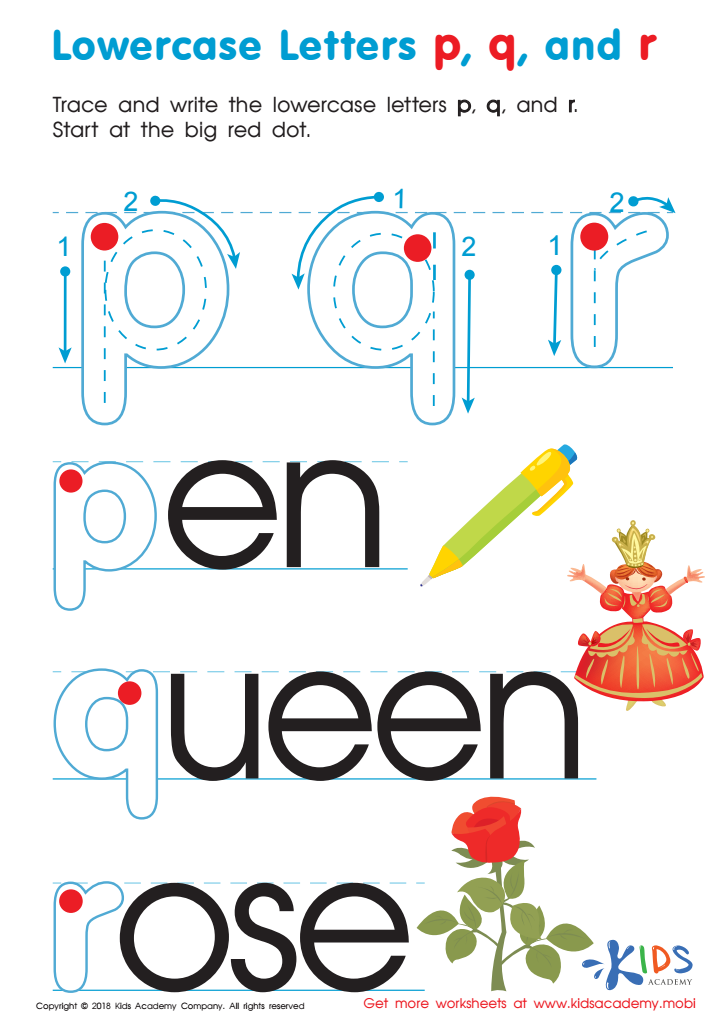
Lowercase Letters p q r Worksheet
 Assign to My Students
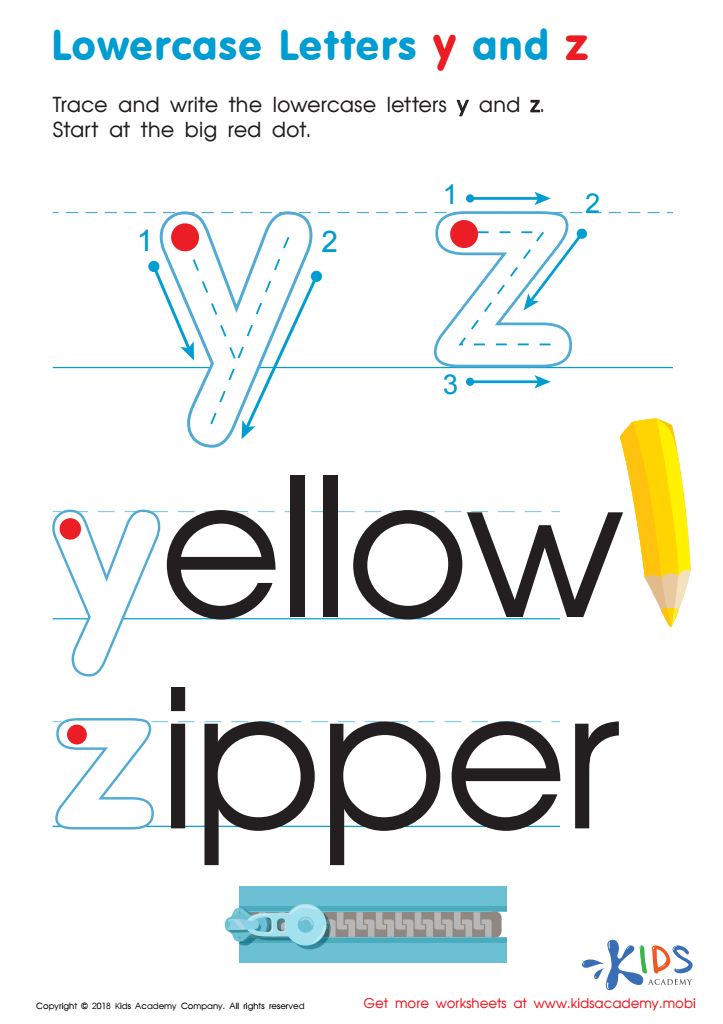
Lowercase Letters y z Worksheet
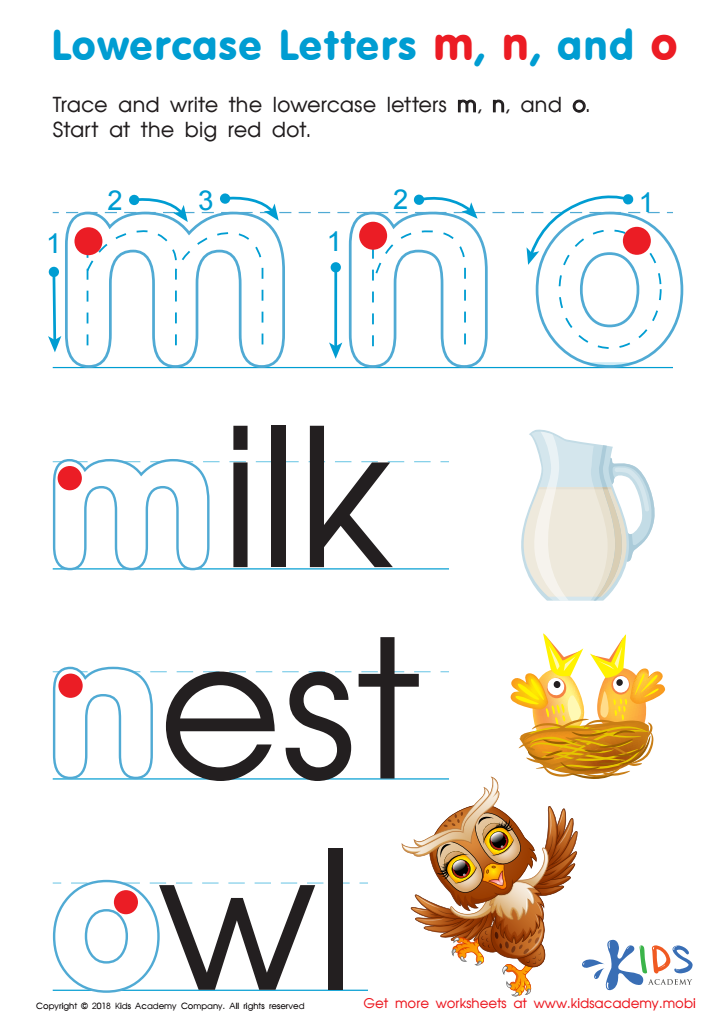
Lowercase Letters m n o Worksheet
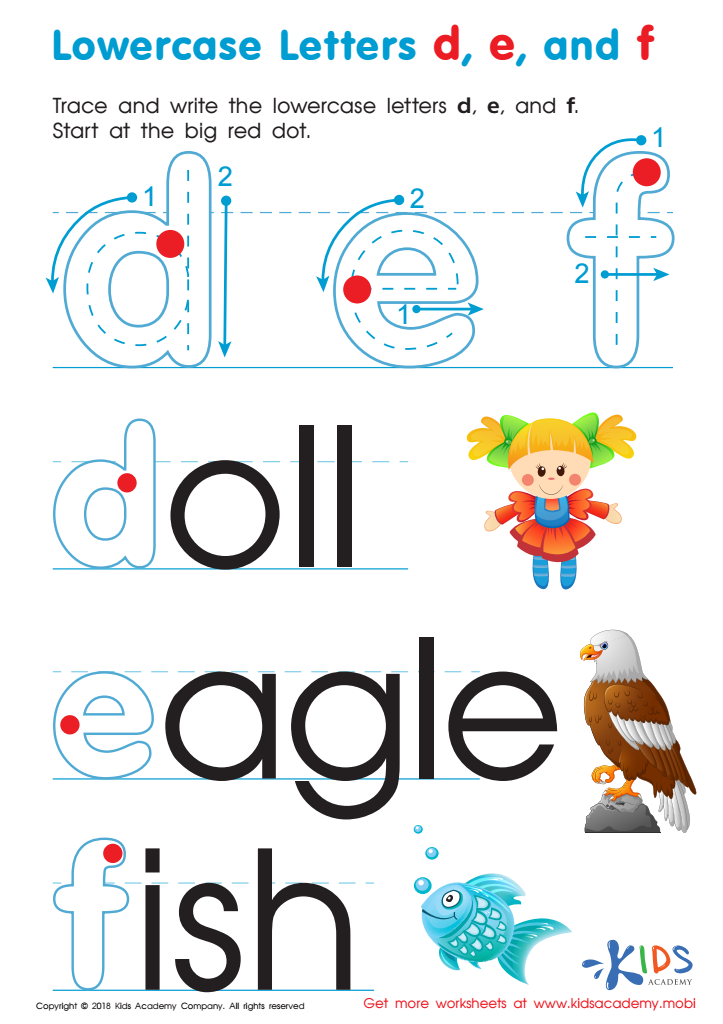
Lowercase Letters d e f Worksheet
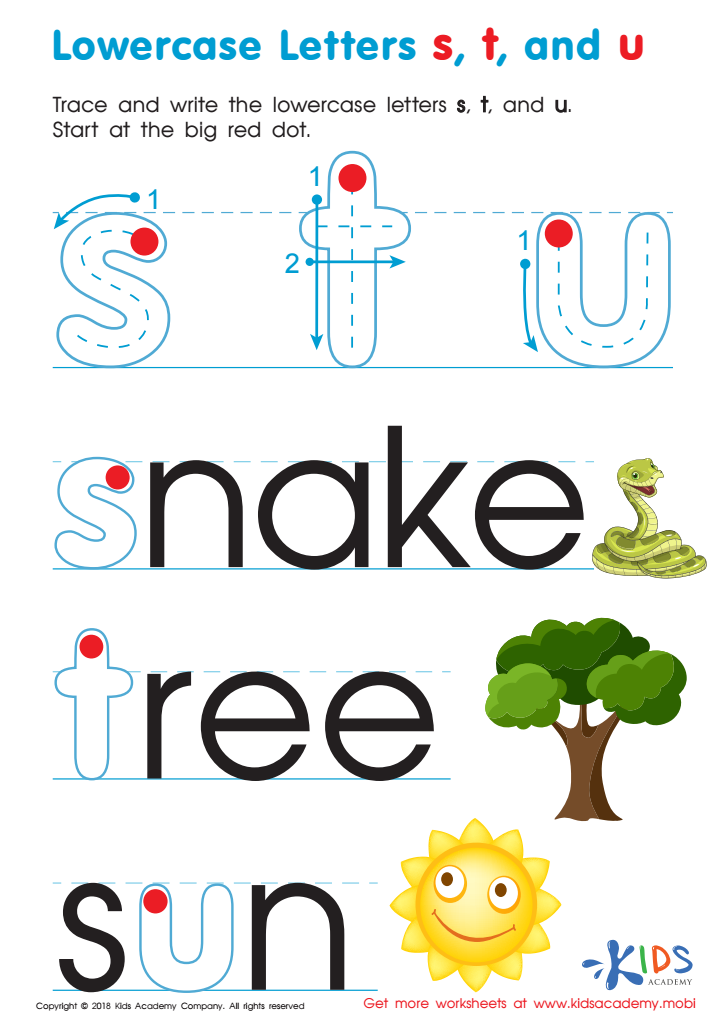
Lowercase Letters s t u Worksheet
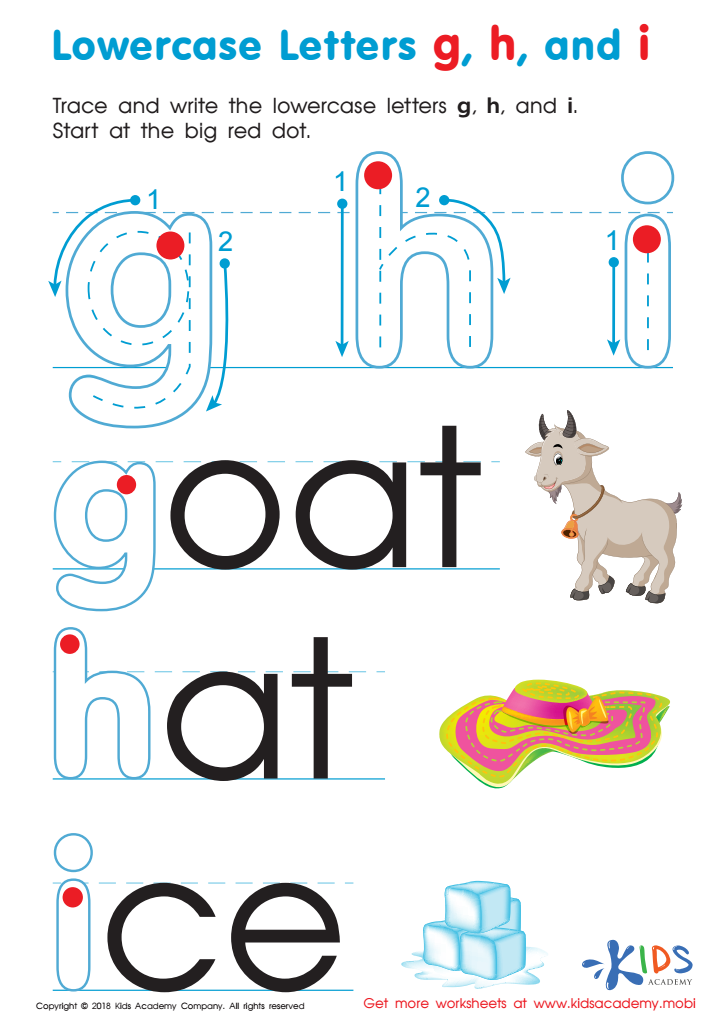
Lowercase Letters g h i Worksheet
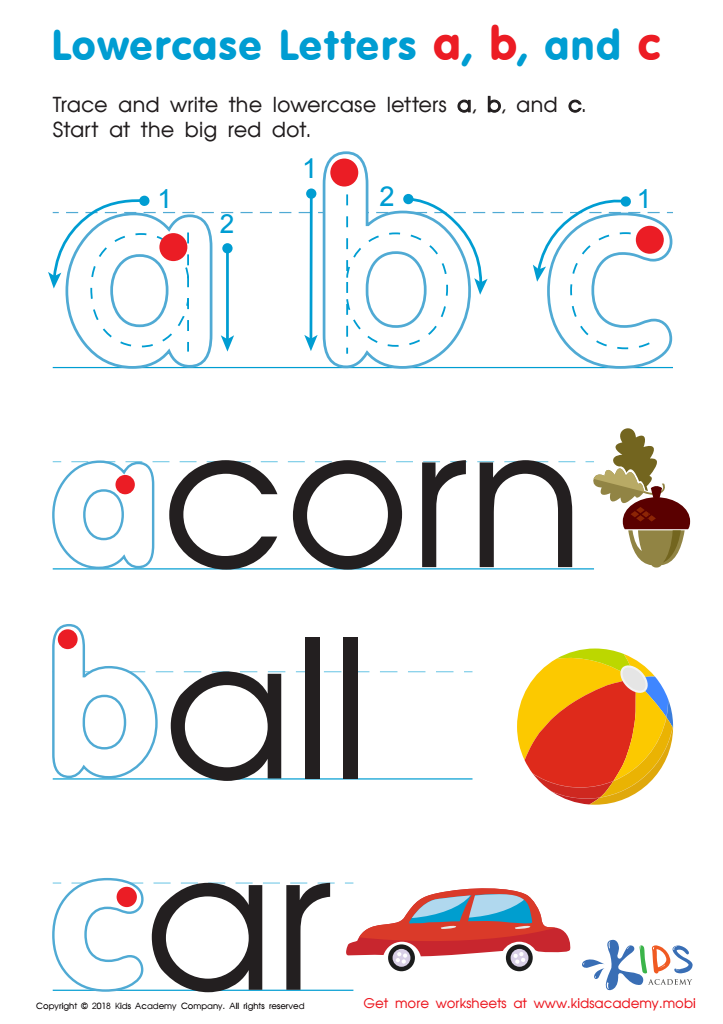
Lowercase Letters a b c Worksheet
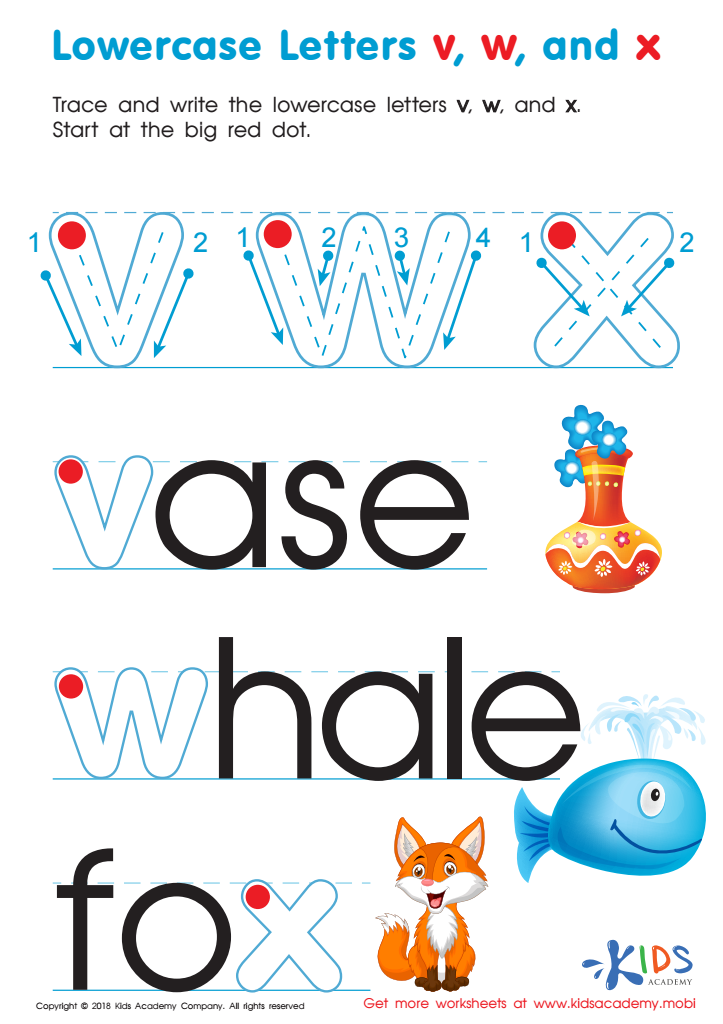
Lowercase Letters v w x Worksheet


Handwriting practice for lowercase or small letters is crucial for young learners due to its multifaceted benefits in cognitive and academic development. Firstly, mastering handwriting contributes significantly to fine motor skills development. The coordinated hand movements involved in writing stimulate brain regions responsible for these skills, which are essential for everyday tasks.
Secondly, handwriting enhances literacy skills—specifically, reading and spelling. When children practice forming letters, they simultaneously reinforce letter recognition and phonemic awareness. This dual engagement helps create neural connections that foster better reading and comprehension skills.
Additionally, handwriting practice lays a strong foundation for effective communication. Well-developed handwriting allows students to focus on the content rather than the mechanics of writing, improving their ability to express complex ideas clearly and efficiently.
From an emotional and psychological perspective, successfully learning to write in lowercase letters can boost a child's confidence and promote a sense of accomplishment. This positive feedback loop can enhance their attitude towards learning in general, encouraging greater participation and perseverance in academic activities.
In summary, prioritizing handwriting practice in lowercase letters equips children with essential motor skills, reinforces literacy development, improves communication, and nurtures self-esteem, making it a crucial aspect of early education that parents and teachers should wholeheartedly support.