Tracing Worksheets Activities With Answers for Ages 6-9 - Page 7
147 filtered results
-
From - To
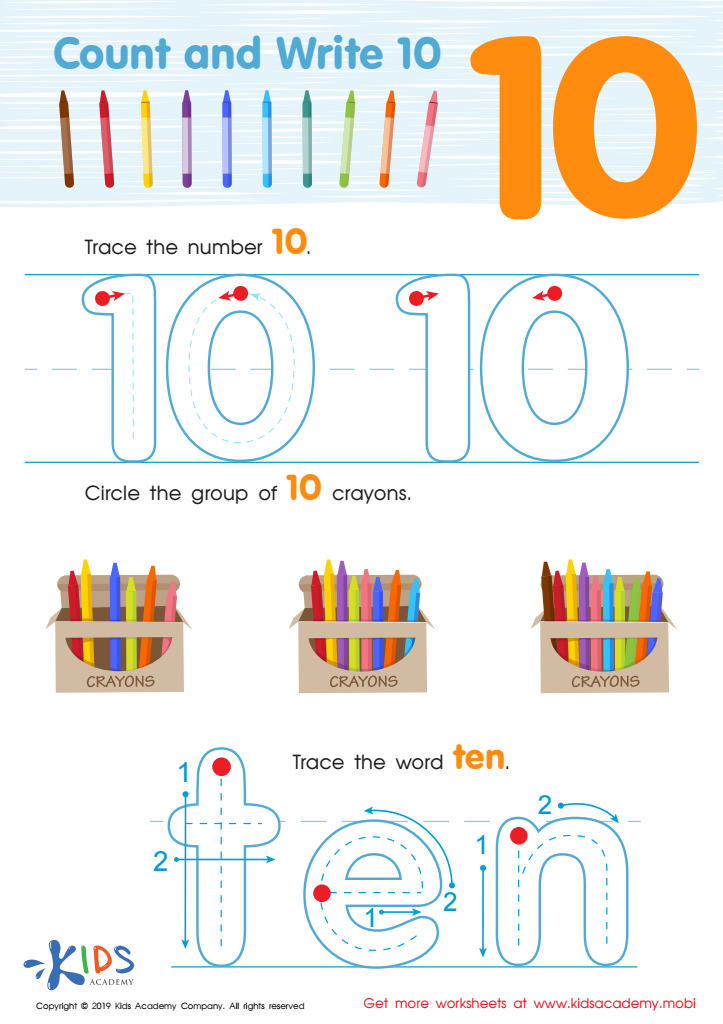
Count and Write 10 Worksheet
 Assign to My Students
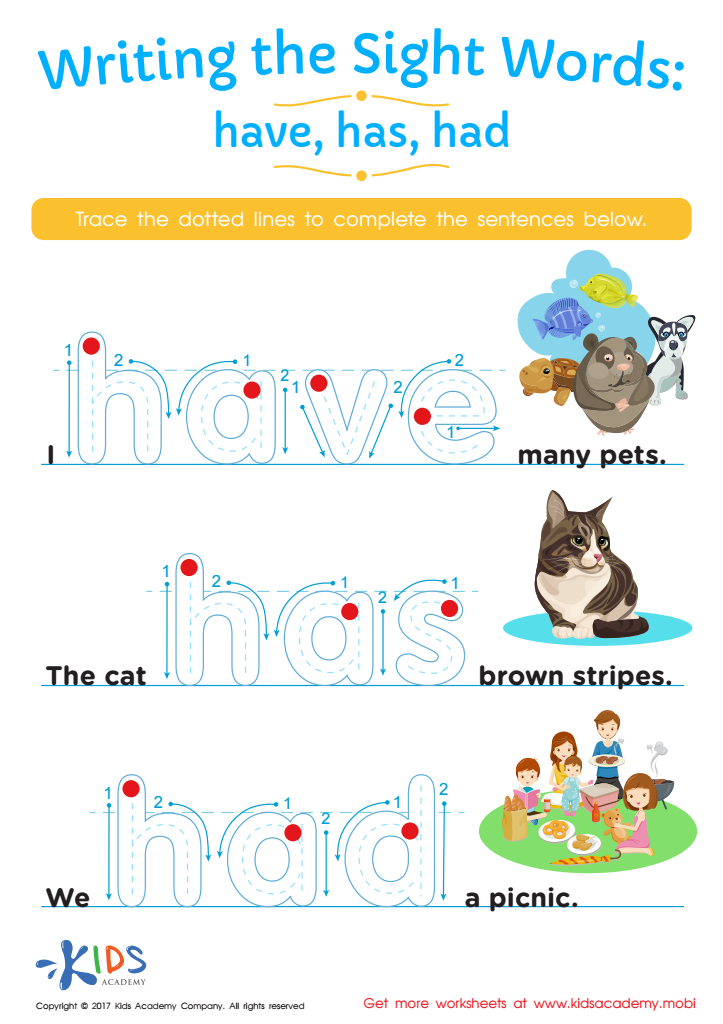
Have, Has, Had Worksheet Sight Words Worksheet
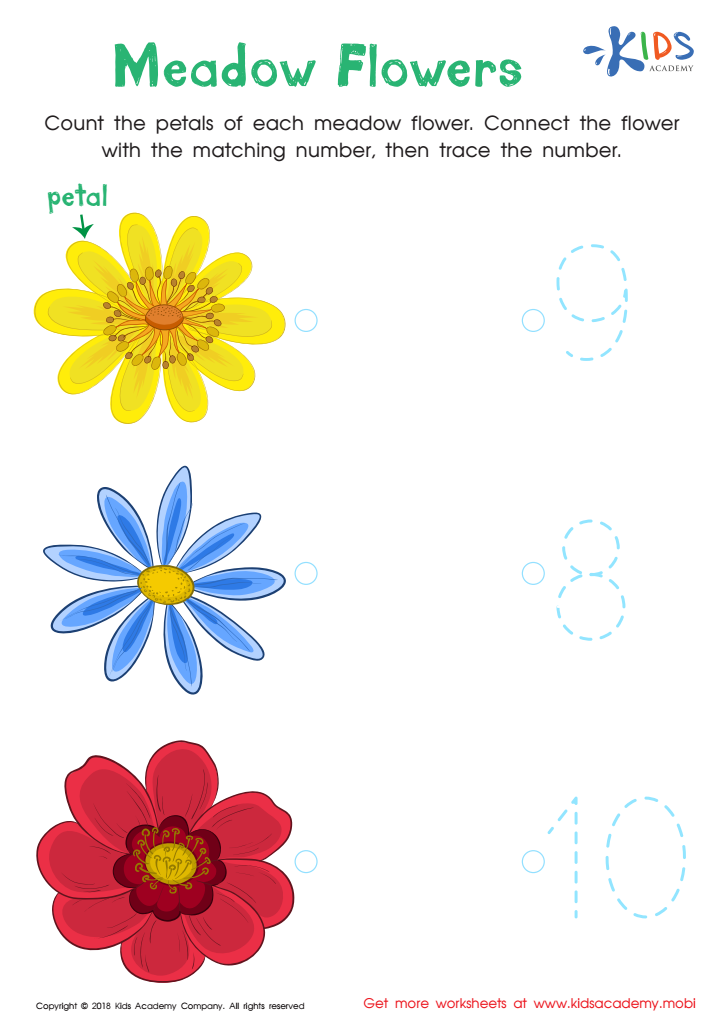
Kindergarten Number Tracing: Medow Flowers Worksheet








Tracing activities for children aged 6-9 are vital tools for enhancing fine motor skills, promoting focus, and encouraging creativity. These activities help young learners develop hand-eye coordination, an essential component of writing and drawing. As children trace letters, numbers, or images, they improve their control over writing tools, making it easier for them to write independently later on.
Moreover, tracing activities can significantly contribute to a child's cognitive development. They offer a structured approach that can enhance memory retention as children associate shapes and letters with their sounds and meanings. This is especially valuable in language learning and early literacy, as it lays the foundation for stronger reading and writing skills.
Teachers and parents should also recognize that tracing can be adapted to various subjects, including math and art. By integrating these activities across the curriculum, they provide diverse methods of engagement, making learning enjoyable.
Lastly, tracing activities can be a quiet and calming practice for children, fostering a sense of accomplishment and boosting their self-esteem. When parents and teachers prioritize tracing activities, they invest in well-rounded skill development that can benefit children in multiple aspects of their academic journey and beyond.








