Normal Matching Worksheets Activities With Answers for Ages 6-9 - Page 2
29 filtered results
-
From - To
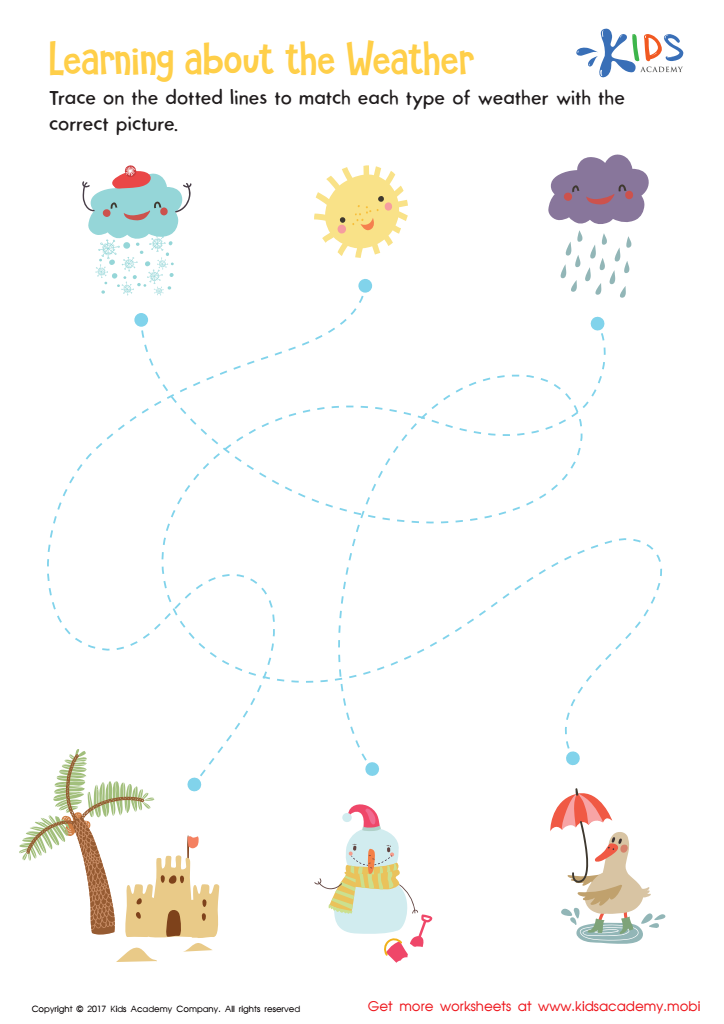
 Assign to My Students
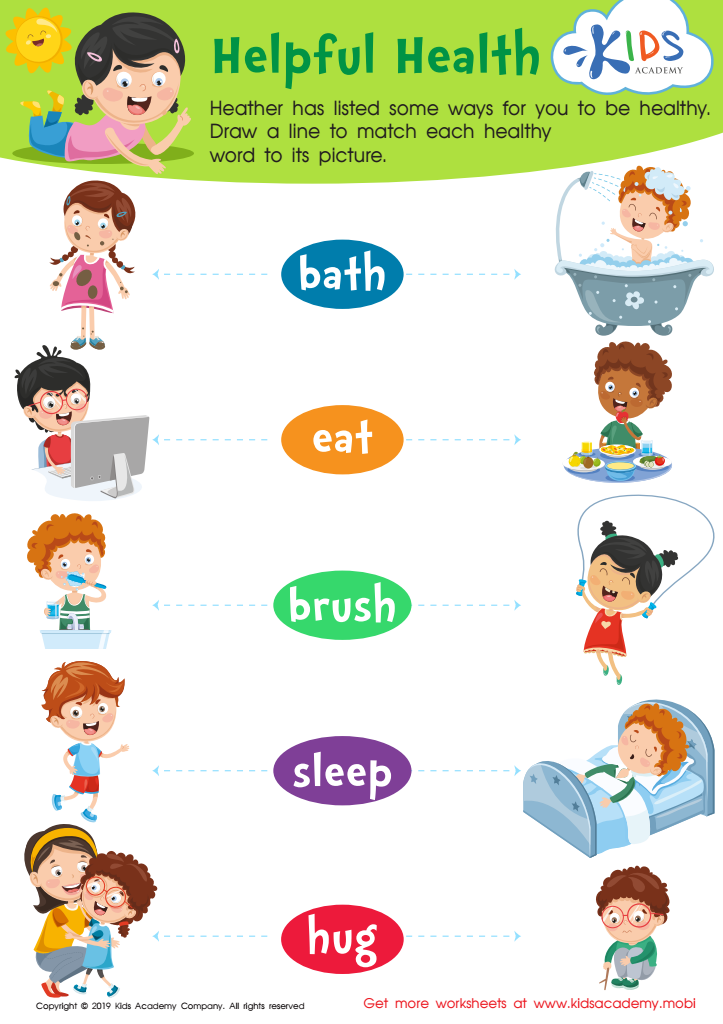
Helpful Health Worksheet
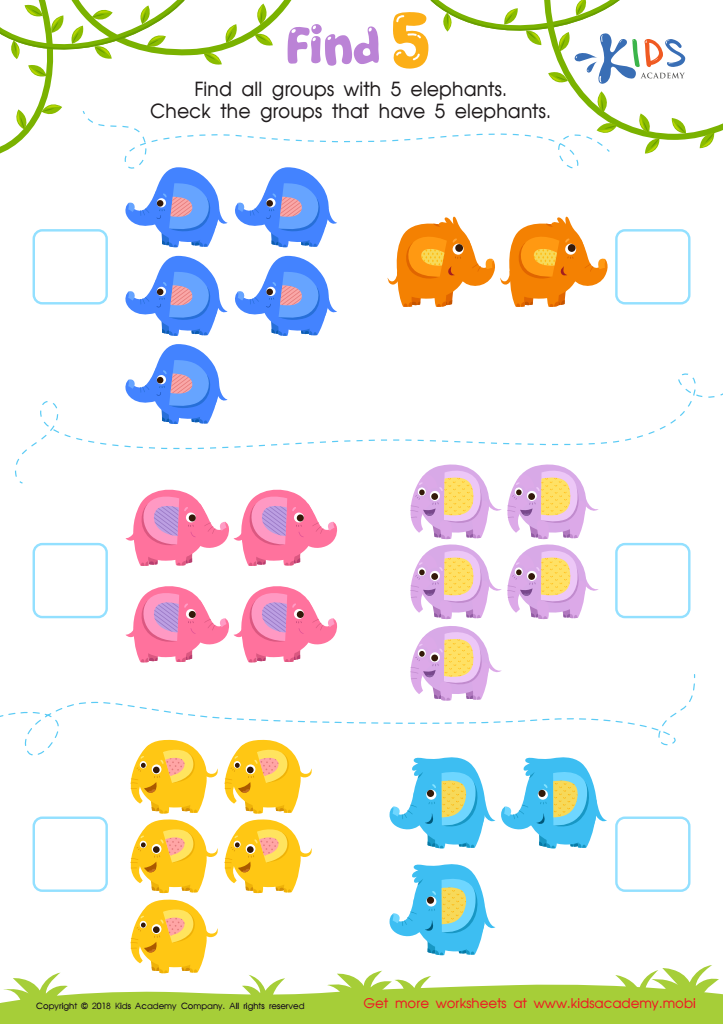
Find 5 Worksheet
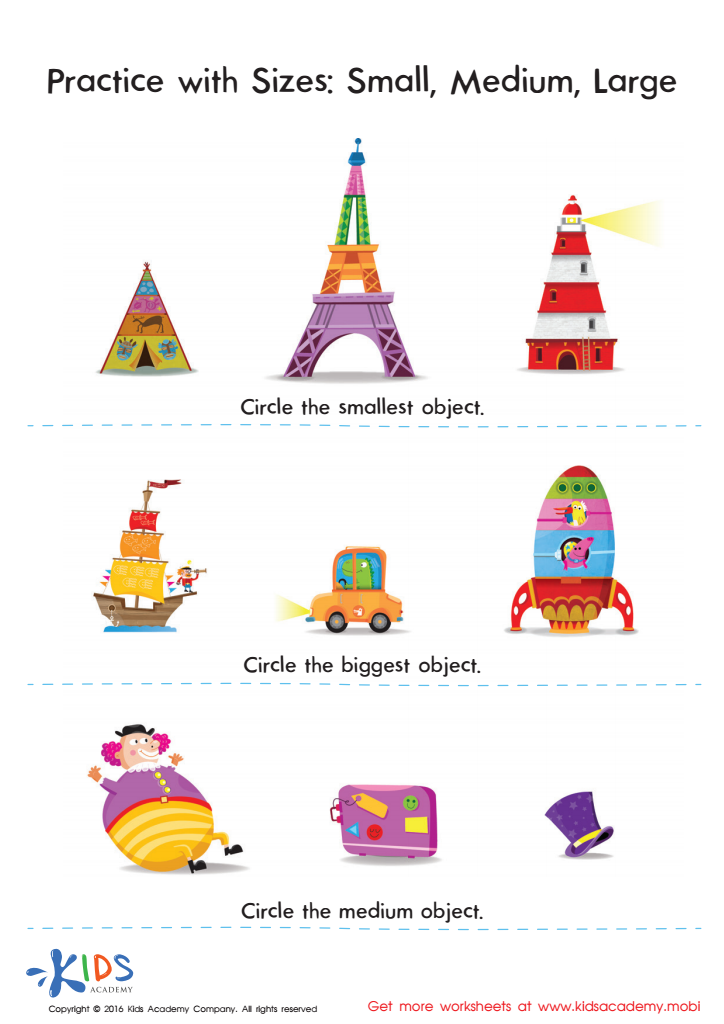







Normal Matching Activities are essential for children aged 6-9 as they promote critical cognitive and social skills crucial for early development. Parents and teachers should prioritize these activities because they foster essential abilities such as pattern recognition, memory, and categorization. Engaging with matching games helps children enhance their concentration spans and improve their problem-solving skills, creating a solid foundation for future learning.
Moreover, these activities can be tailored to include various subjects, such as letters, numbers, and basic math or vocabulary, making them versatile educational tools. By aligning with learnings in the classroom, Normal Matching Activities reinforce classroom concepts, helping to cement understanding through interactive play.
Additionally, children thrive in social environments, so participating in matching games can enhance teamwork, communication, and cooperation skills among peers. This cooperative learning experience cultivates a sense of community and belonging, essential at this developmental stage.
In summary, Normal Matching Activities offer an engaging way to consolidate knowledge, develop key skills, and encourage social interaction among young learners, making them invaluable tools for both parents and teachers in supporting children's growth and learning.








