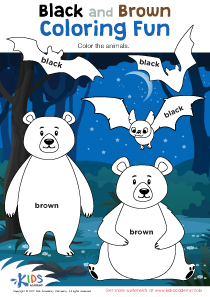
English for Beginners Worksheets for Ages 4-9 - Page 5
101 filtered results
-
From - To
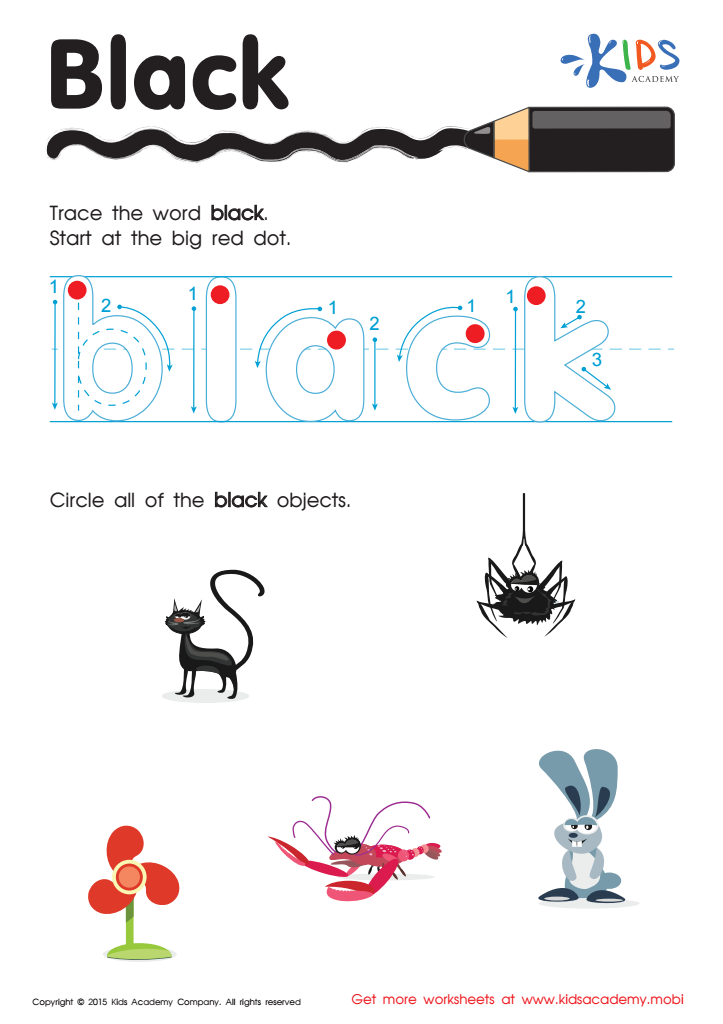
Black Tracing Color Words Printable
 Assign to My Students
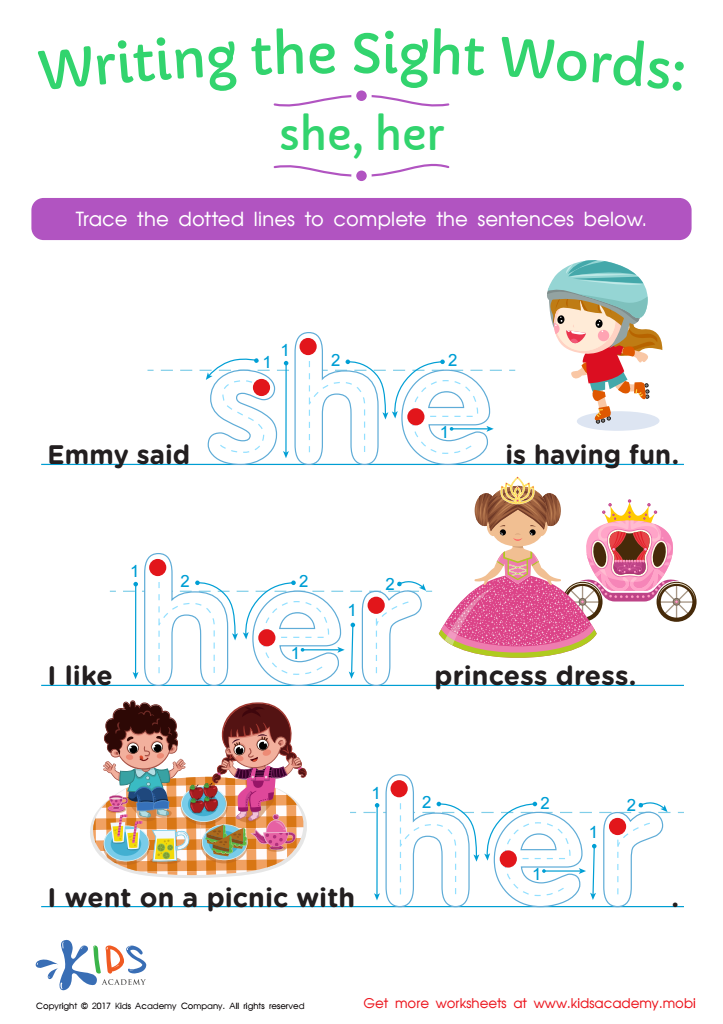
She, Her Printable Sight Words Worksheet
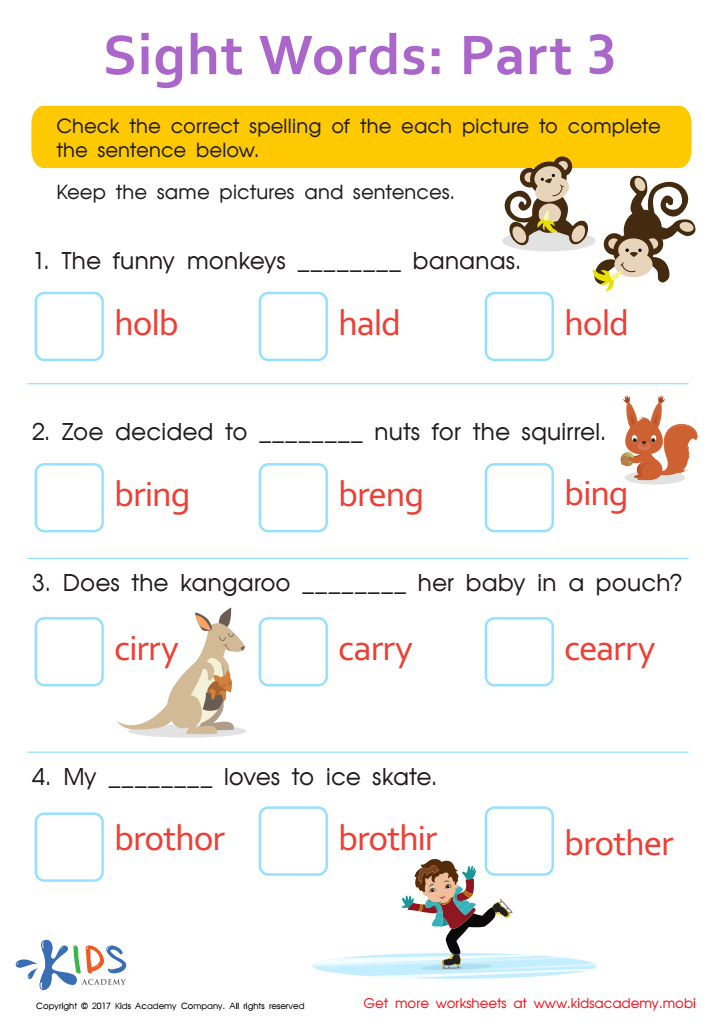
Hold, Bring, Carry, Brother Sight Words Worksheet
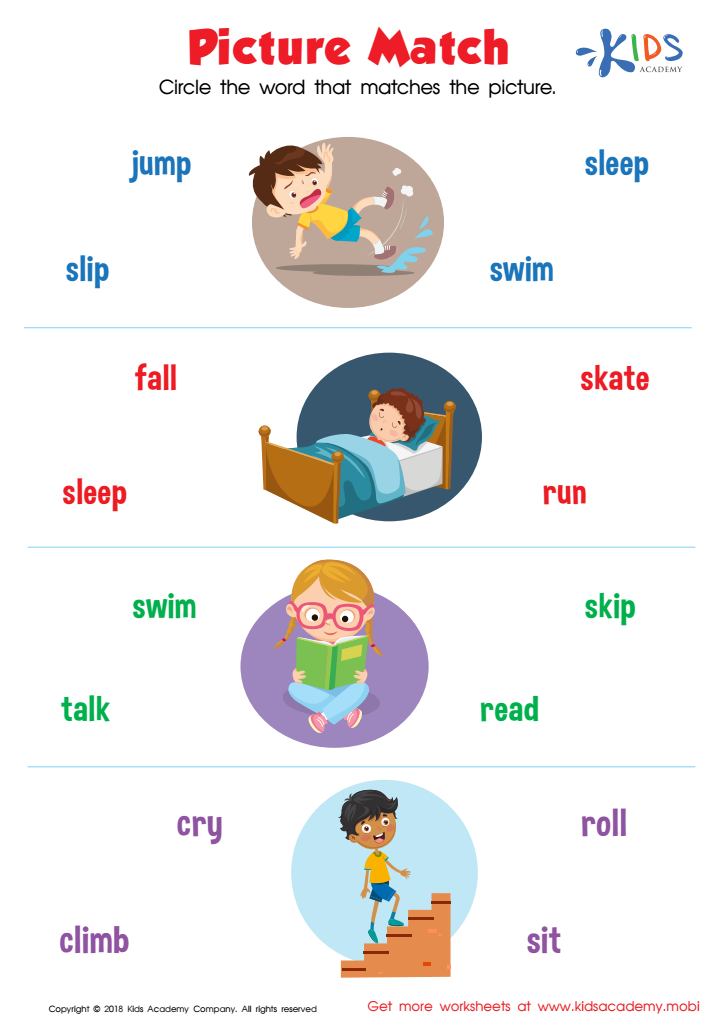
Picture Match Worksheet
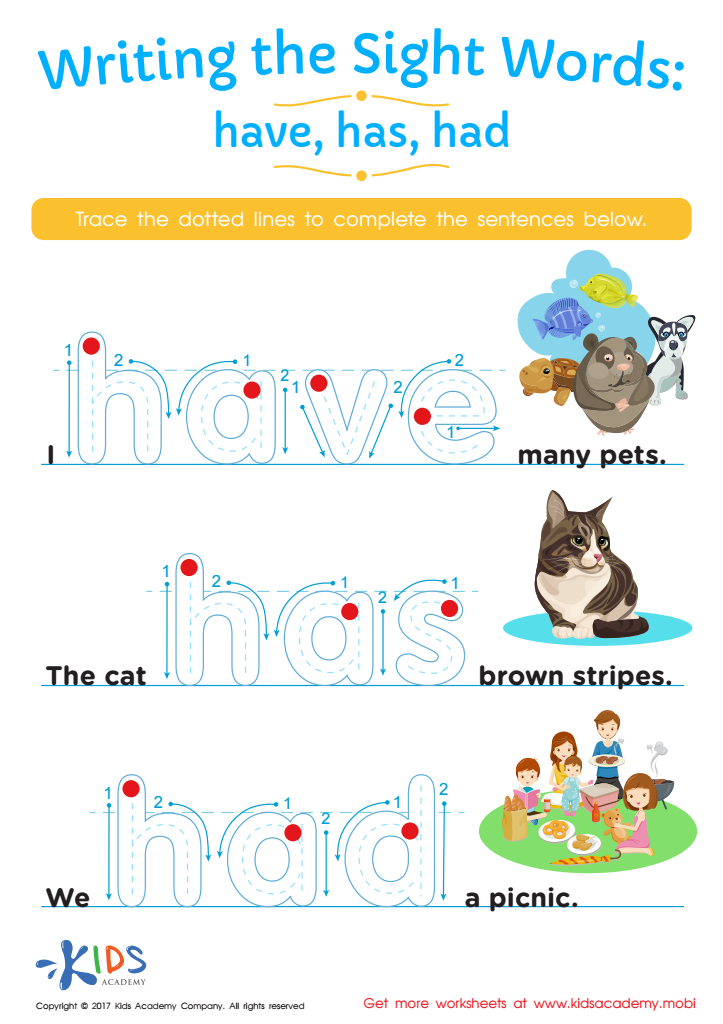
Have, Has, Had Worksheet Sight Words Worksheet





Parents and teachers should care about English for beginners aged 4-9 because this is a crucial period for language development and foundational learning. During these early years, children's brains are incredibly receptive to new information and can absorb languages more easily compared to older children or adults. Introducing English at this stage fosters better cognitive skills, such as improved memory, problem-solving abilities, and critical thinking.
Learning English early also sets a strong foundation for future academic success. English is a global language, widely used in science, technology, business, and international communication. Proficiency in English enhances opportunities in higher education and professional careers, giving children an advantage in an increasingly interconnected world.
Moreover, learning a new language promotes cultural awareness and sensitivity. It exposes children to different cultures, traditions, and perspectives, fostering an inclusive mindset. It also improves their ability to understand and appreciate diversity, essential traits in today's multicultural societies.
For non-English-speaking children, acquiring English proficiency aids in better integration into their communities, enriching their social interactions and reducing feelings of isolation. Early exposure through engaging activities, stories, and songs makes learning fun and instills a positive attitude towards language acquisition that lasts a lifetime. Thus, prioritizing English for young beginners equips them with valuable skills that benefit their personal, academic, and future professional lives.