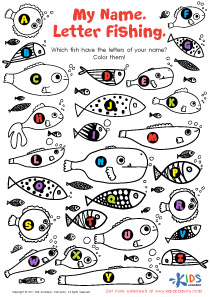
ABC Order Worksheets for Ages 5-7 - Page 2
26 filtered results
-
From - To
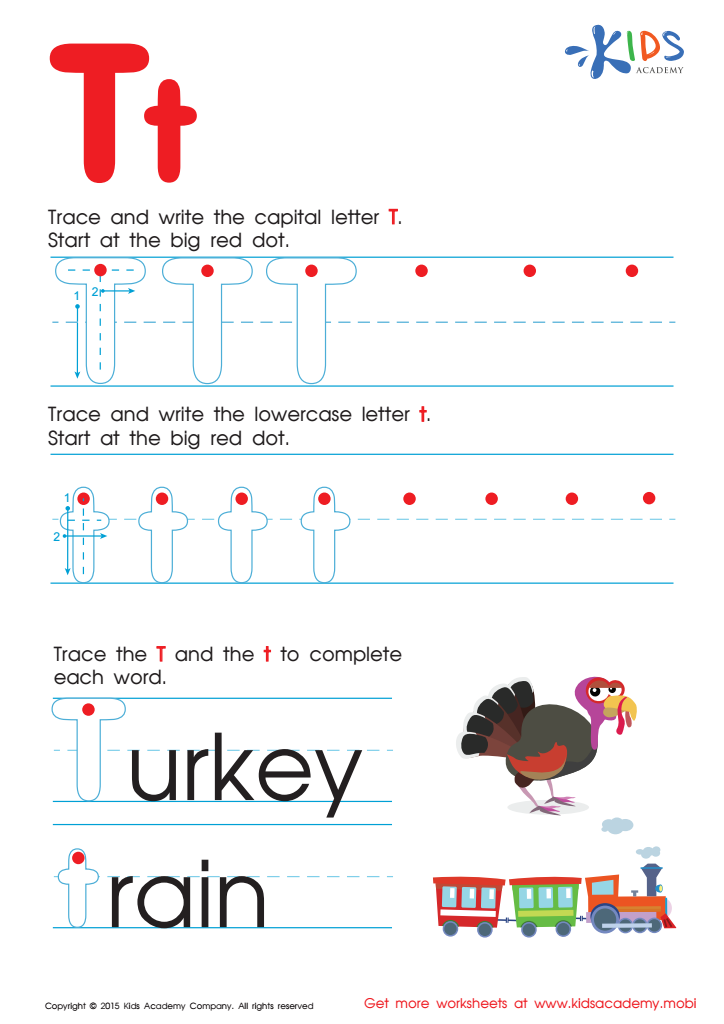
Letter T Tracing Page
 Assign to My Students









Letter D Tracing Page








Understanding ABC order, or alphabetical order, is an essential skill for children ages 5-7, and both parents and teachers should recognize its importance for several reasons.
First, ABC order boosts reading and writing skills. Familiarity with the alphabet helps children quickly locate words in a dictionary or books, which enhances their vocabulary and comprehension. It also supports the development of spelling skills, as students learn to recognize the sequence of letters.
Second, this skill encourages organizational abilities. By learning to arrange items or information in alphabetical order, children gain practice in categorization and sequencing—fundamental cognitive skills that benefit future learning.
Moreover, mastering ABC order contributes to social-emotional growth. It offers opportunities for collaboration and group activities, fostering teamwork as children work together to sort and find items in alphabetical sequence.
Finally, instilling the concept of ABC order at an early age lays the groundwork for effective study habits. It prepares young learners for more advanced literacy tasks and data management skills they will encounter in later grades.
In summary, teaching ABC order to ages 5-7 enriches literacy, nurtures cognitive organization, supports collaboration, and equips children for future academic success, making it a crucial focus for both parents and teachers.