Our engaging Alphabet Sequencing Worksheets are perfect for kids ages 5-7, designed to enhance their alphabet knowledge while making learning fun. These printable worksheets provide a variety of activities, helping young learners practice letter order, strengthen their fine motor skills, and build essential literacy foundations. Each worksheet is thoughtfully crafted to cater to different learning styles, offering a mix of puzzles, sorting tasks, and tracing exercises. Whether used in a classroom or at home, our alphabet resources ensure an interactive and effective way for children to master their ABCs. Give your child a head start on their reading journey today!

Check out this FREE Trial Lesson on Alphabet for age 5-7!

Naming Lowercase Letters a-i

Favorites
With answer key
Interactive
  • 5-7
  • With answer key
  • Alphabet sequencing
  • Alphabet
Find Lowercase Letters g h i Worksheet

Find Lowercase Letters g h i Worksheet

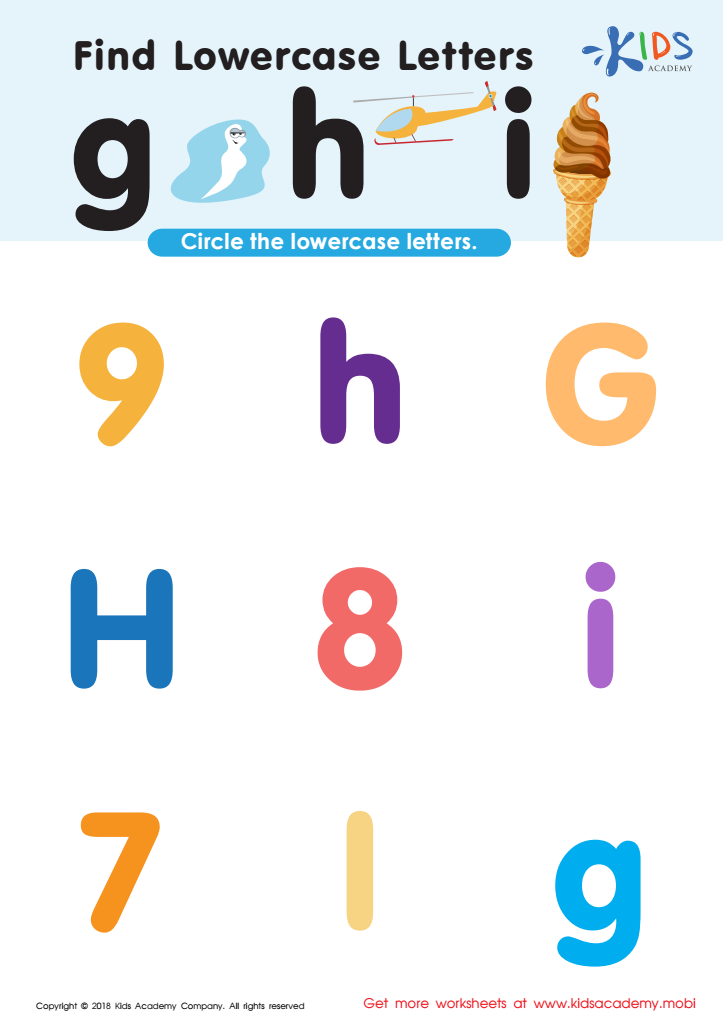
Turn learning into a fun journey with your child! Use this free worksheet to find and circle the lowercase letters hidden amongst uppercase letters and numbers. Your child will understand what you're teaching them as they enjoy the search.
Find Lowercase Letters g h i Worksheet
Worksheet
Lowercase Letters p q r Worksheet

Lowercase Letters p q r Worksheet

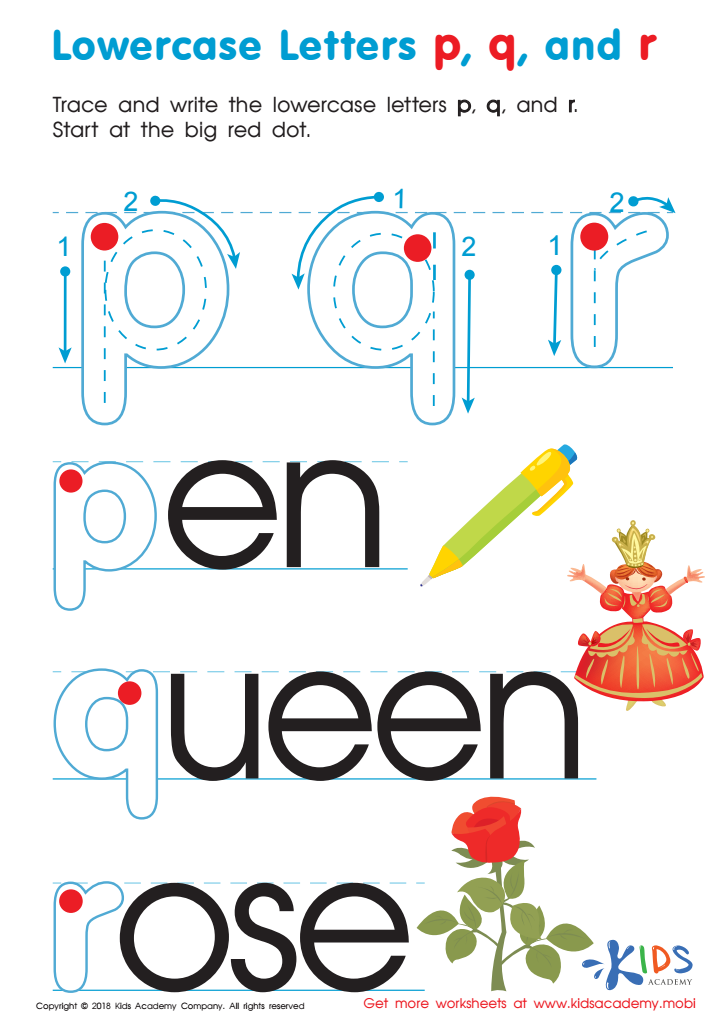
Trace and write lowercase letters p, q and r with this fun worksheet. Each letter has a large red dot to mark the start, and dotted lines to follow with a pencil. Colorful images and text make it an enjoyable way to learn.
Lowercase Letters p q r Worksheet
Worksheet
Uppercase Letters Maze Worksheet Preview

Uppercase Letters Maze Worksheet

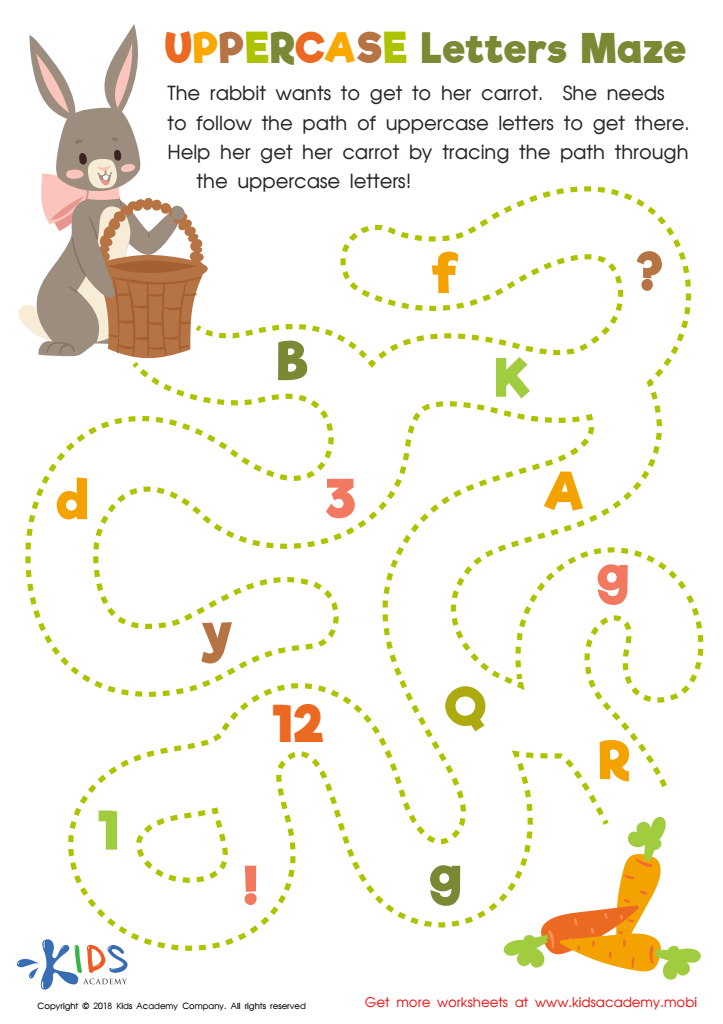
Kids can have fun helping a rabbit find her carrot by picking the path with uppercase letters. This worksheet teaches letter differentiation while building confidence. Kids will have a great time while getting an essential skill!
Uppercase Letters Maze Worksheet
Worksheet
Letters A-F Worksheet Preview

Letters A - F Worksheet

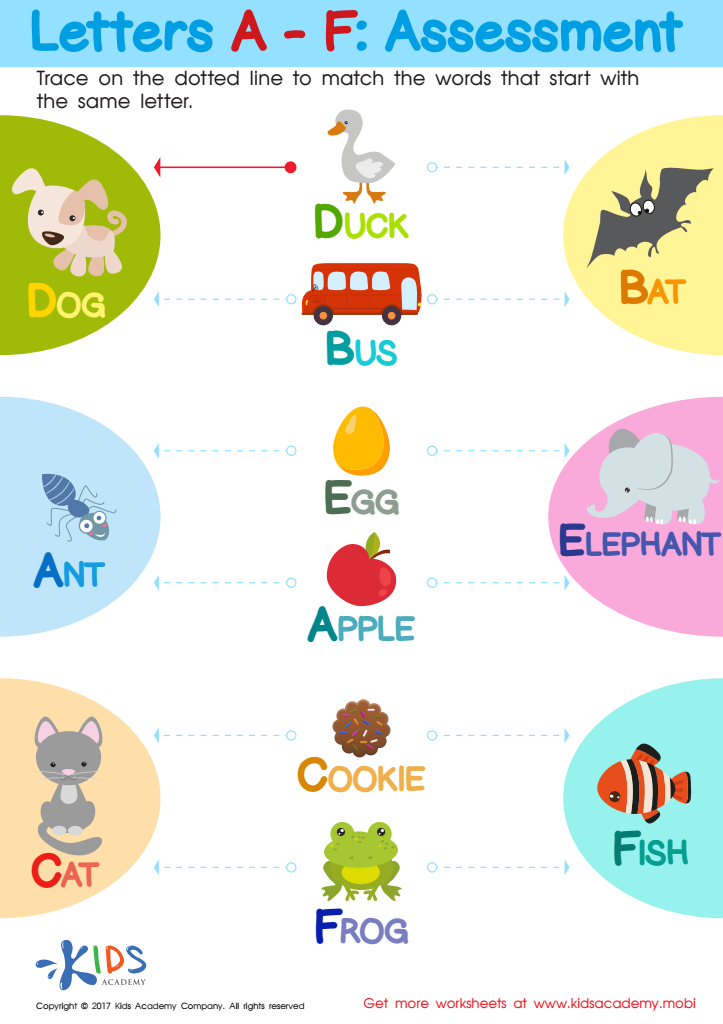
Help your child develop their reading skills with this fun phonics worksheet aimed at preschoolers. They can match letters A-F using colorful words and pictures. Assist your child by sounding out the letters and words - it's a great way to learn!
Letters A - F Worksheet
Worksheet
Lowercase Letters j k l Worksheet

Lowercase Letters j k l Worksheet

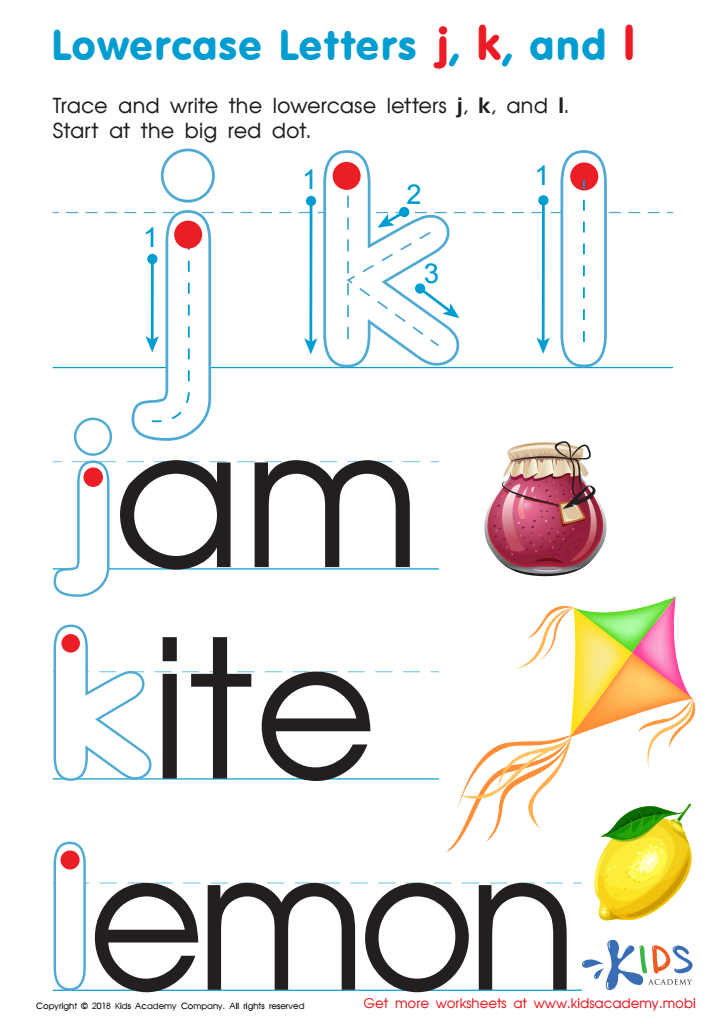
Teach your child the difference between uppercase and lowercase letters. Have them trace and write the lowercase letters j, k, and l, starting at the red dot. Guide your child's hand to form the letters correctly.
Lowercase Letters j k l Worksheet
Worksheet
Letters X and Q Tracing Worksheet Preview

Letters X and Q Tracing Worksheet

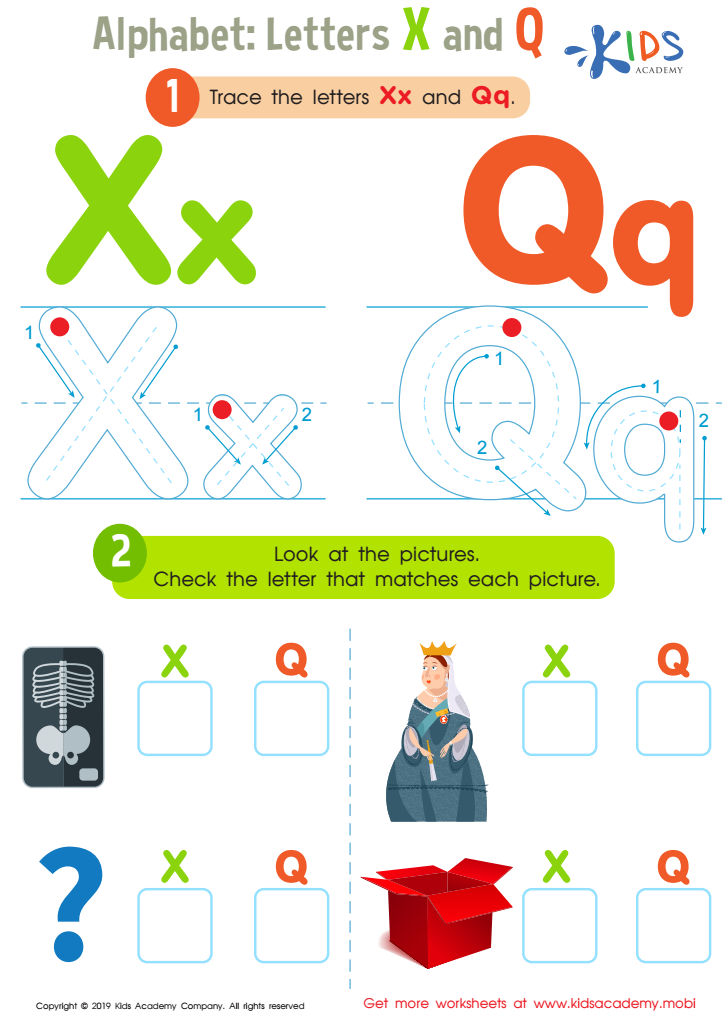
Do you want your students to improve writing and letter recognition? This worksheet is a great place to start! Kids can trace the letters «X» and «Q» and identify pictures that match each letter. With a little encouragement, they'll do a great job!
Letters X and Q Tracing Worksheet
Worksheet
Letter Y Tracing Worksheet Preview

Letter Y Tracing Worksheet

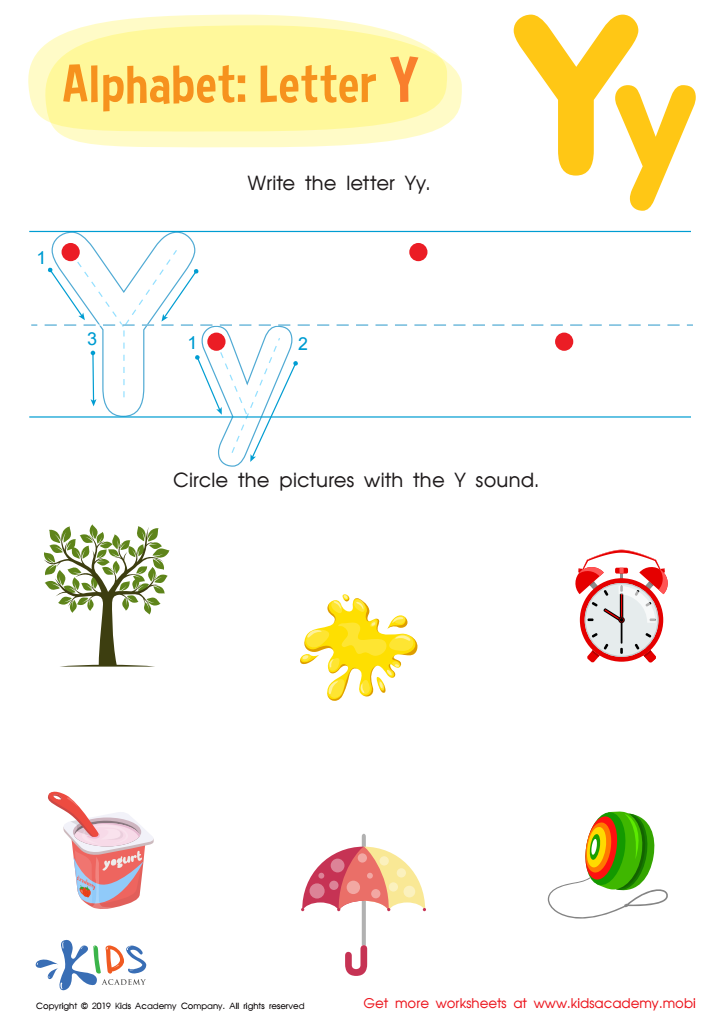
Does your child need help with learning the final letters of the alphabet? This PDF worksheet is perfect then! Kids can practice tracing the letter «Y» and circle pictures that start with the same sound. Options include «yellow» and «yogurt». It's a great way of honing their letter-learning skills.
Letter Y Tracing Worksheet
Worksheet
Missing Letter Worksheet


Missing Letter Worksheet

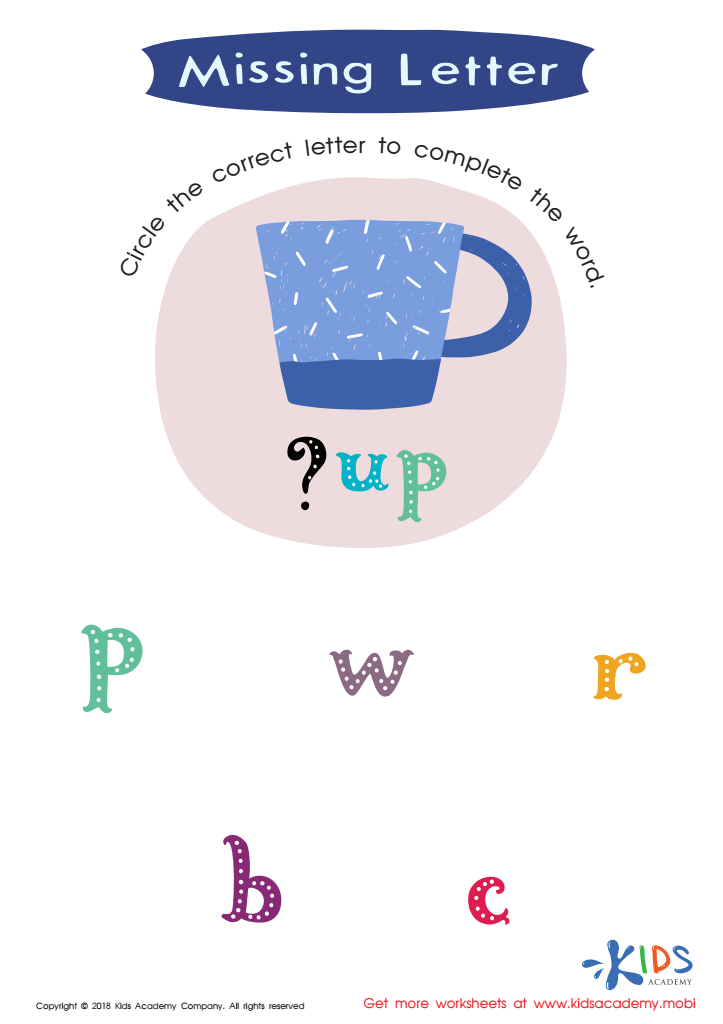
Congrats! If your kids can spell some small words, pat yourself on the back. Struggling with the alphabet? Help them learn with this simple worksheet. They'll have to find the missing letter to complete the word. Print this worksheet and help your little one find and circle the right letter.
Missing Letter Worksheet
Worksheet


Caring about alphabet sequencing for children ages 5-7 is crucial for several reasons. Firstly, it lays the foundation for literacy. Understanding the order of the alphabet helps children recognize letters more easily and aids in the acquisition of reading skills. This early grasp on literacy is essential for their overall academic success, as reading is integral to almost every subject they will encounter.

Secondly, alphabet sequencing supports cognitive development. It involves memorization, pattern recognition, and logical thinking, which are key cognitive skills. These skills extend beyond just reading and writing; they positively influence problem-solving abilities and other areas of cognitive functioning.

Thirdly, knowing the sequence of the alphabet also helps with writing and spelling. When children can quickly recall the order of letters, they find it easier to spell words correctly and understand alphabetical order, which is important for tasks such as using a dictionary or alphabetizing items.

Lastly, fostering these skills in the early grades instills confidence and encourages a positive attitude toward learning. Children who feel competent in their abilities are more likely to participate in class and are generally more motivated.

Therefore, parents and teachers should prioritize alphabet sequencing activities to create a strong educational foundation, support cognitive growth, and boost children's confidence and enthusiasm for learning.