Vowels and Consonants Worksheets for Ages 5-8 - Page 2
29 filtered results
-
From - To
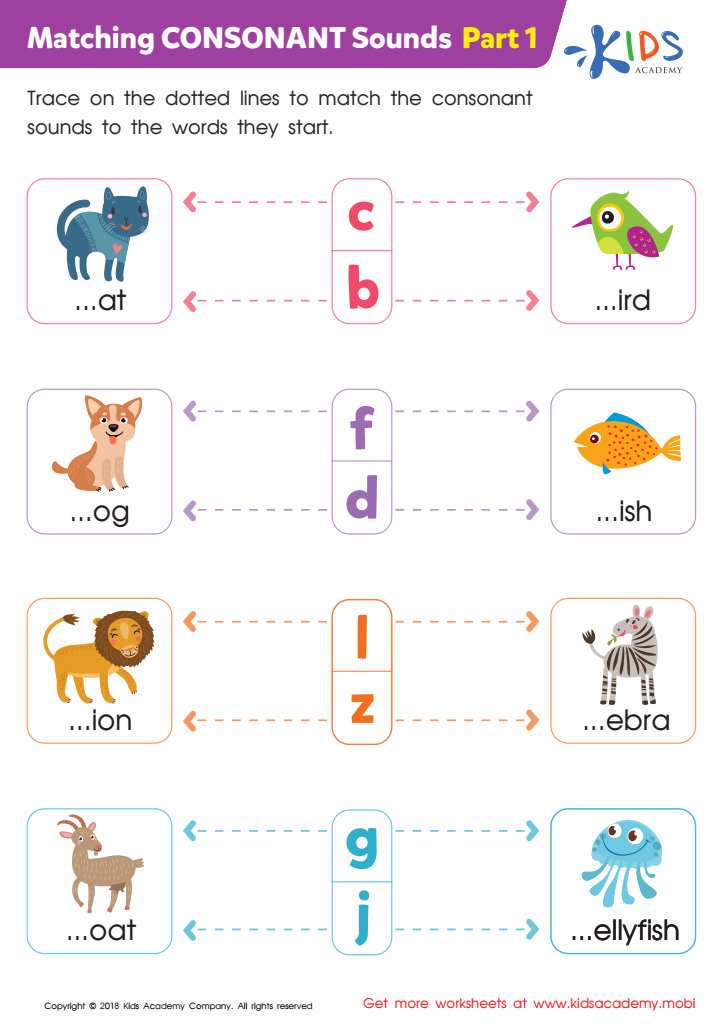
Matching Consonant Sounds: Part 1 Worksheet
 Assign to My Students
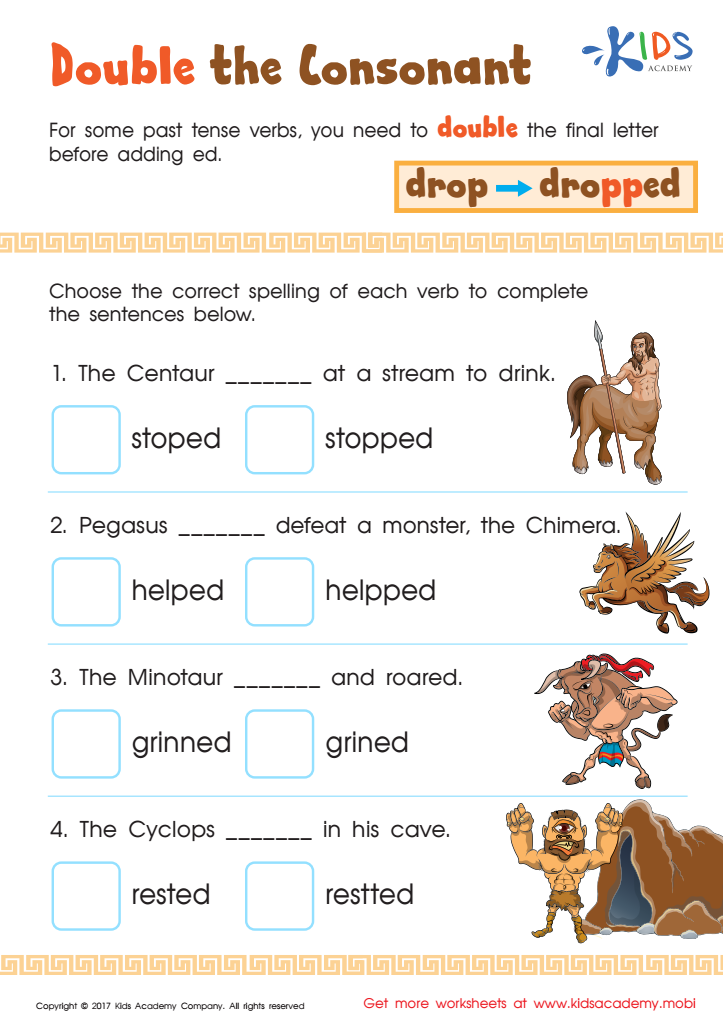
Double Consonant Spelling Worksheet
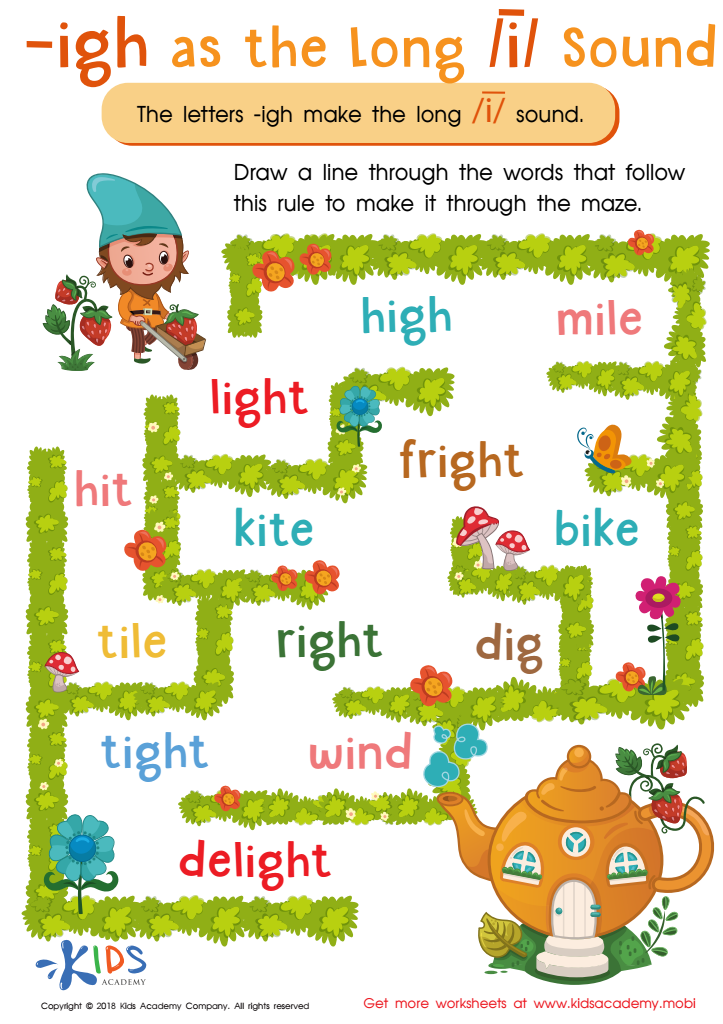
Reading: IGH as Long I Worksheet
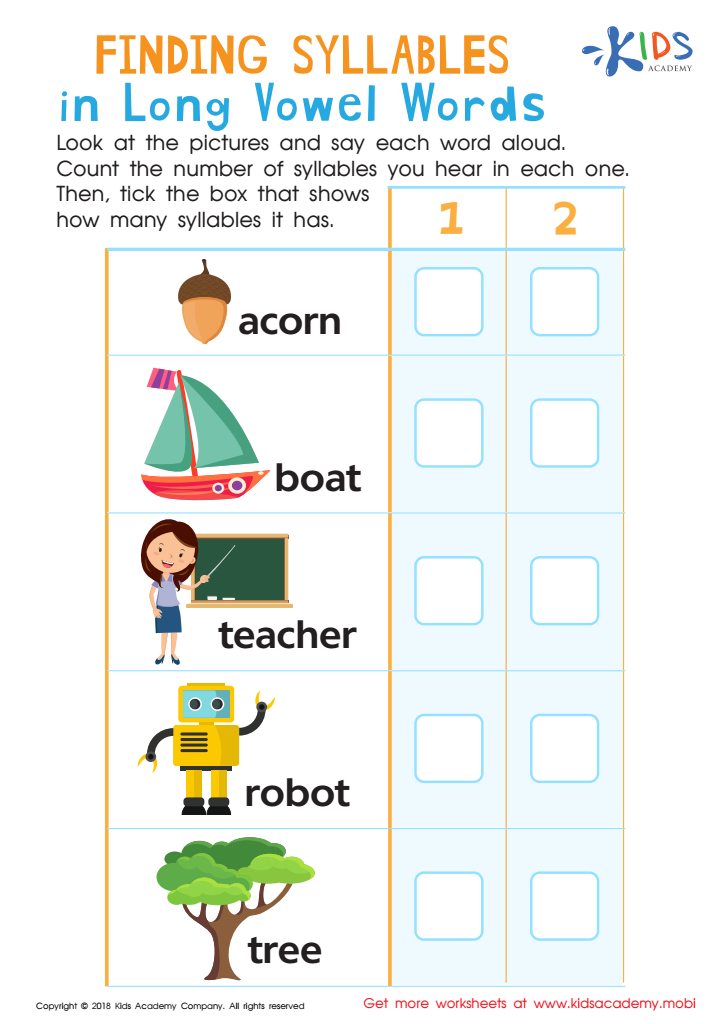
Finding Syllables in Long Vowel Words Worksheet
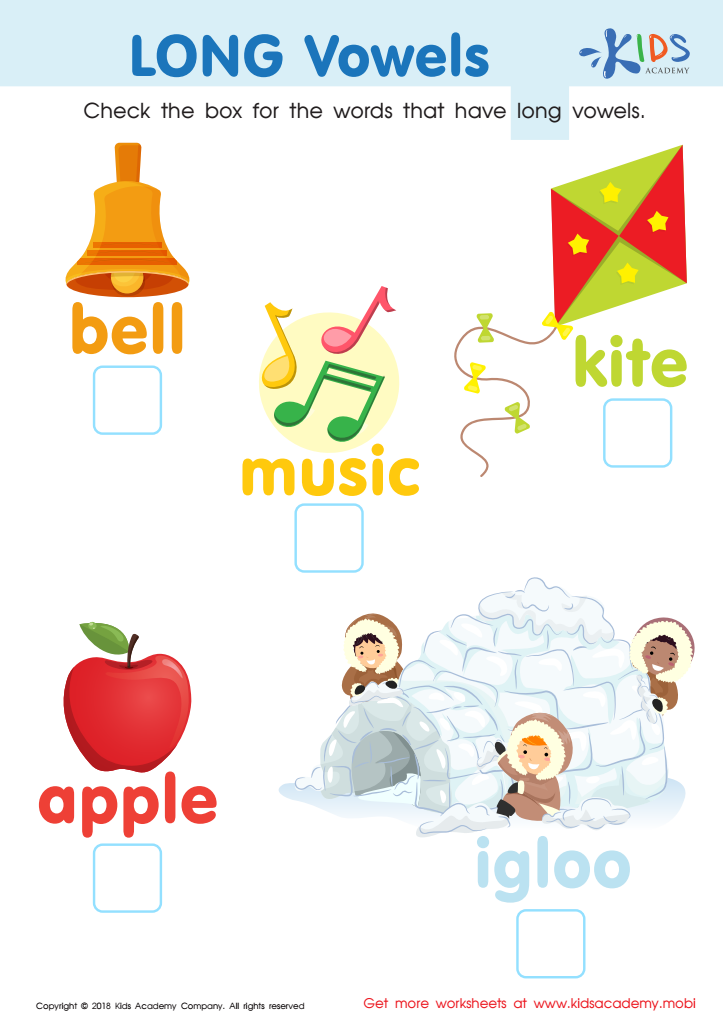
long vowels Worksheet



Understanding vowels and consonants is fundamental for young readers and writers, making it crucial for parents and teachers to emphasize their importance for children aged 5-8. Vowels (A, E, I, O, U) and consonants (all other letters) shape the phonetic structure of words, pivotal for decoding and encoding language.
At this developmental stage, learning about these letter categories helps children with phonemic awareness—the ability to hear, identify, and manipulate individual sounds in spoken language. This skill is essential for reading fluency, comprehension, and spelling. For instance, knowing that adding or changing a vowel sound can transform meaning helps children recognize and build familiarity with word families, enhancing their vocabulary.
Moreover, the practice of identifying vowels and consonants lays the groundwork for understanding syllables, which is crucial for both reading aloud and writing. Engaging children in activities like singing songs, rhyming games, and interactive phonics exercises fosters a love of language learning.
Additionally, by addressing these concepts early, parents and teachers empower children to take charge of their literacy journey. Building strong foundational skills in recognizing vowels and consonants encourages confidence, making the process of reading and writing a joyful exploration rather than a daunting challenge.







