Easy History Worksheets for Ages 4-7
5 filtered results
-
From - To
Discover our 'Easy History Worksheets for Ages 4-7' designed to introduce young learners to the intriguing world of history! These engaging, printable activities help children explore essential historical concepts through fun, interactive exercises suited for early education. From comprehending the basics of time and historical events to recognizing significant figures and holidays, our worksheets ensure a rewarding learning experience. Developed by educational experts, they support foundational skills and ignite curiosity in young minds, making history both accessible and enjoyable. Perfect for parents and educators, these resources are available for instant download—spark a lifelong interest in history today!

Happy Diwali Printable
 Assign to My Students
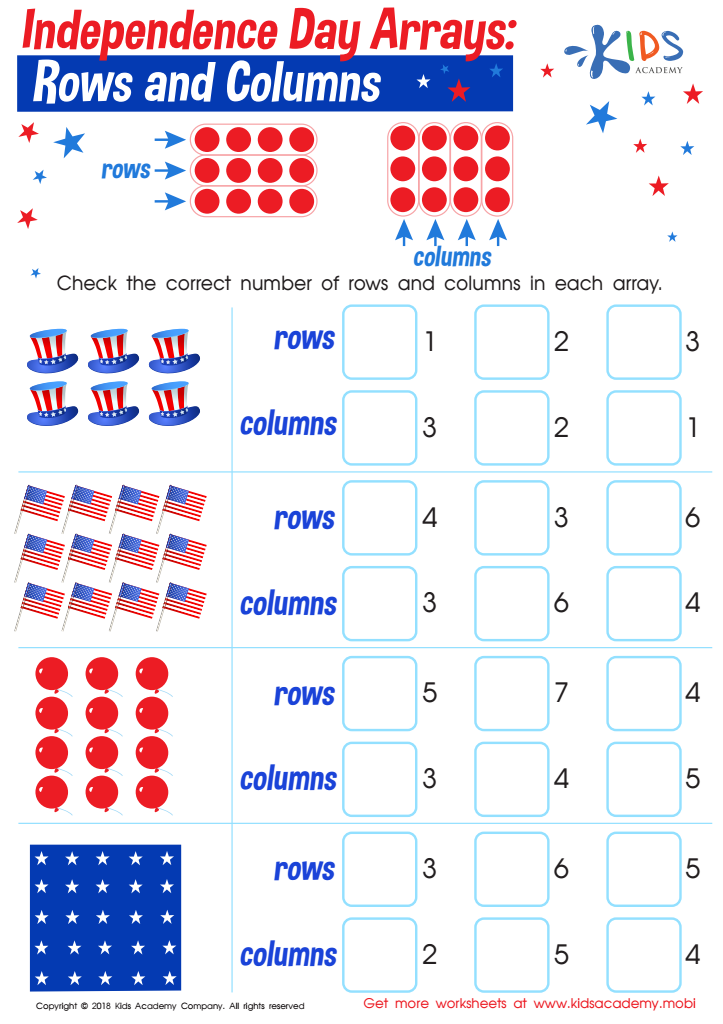
Independence Day Arrays: Rows and Columns Worksheet
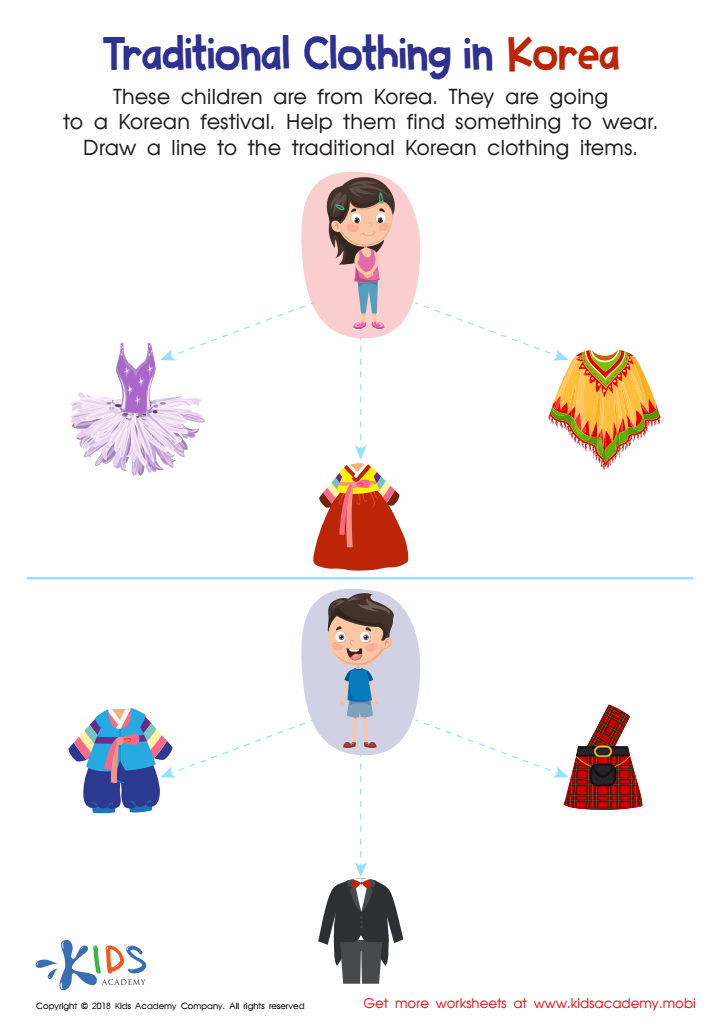
Traditional Clothing in Korea Worksheet
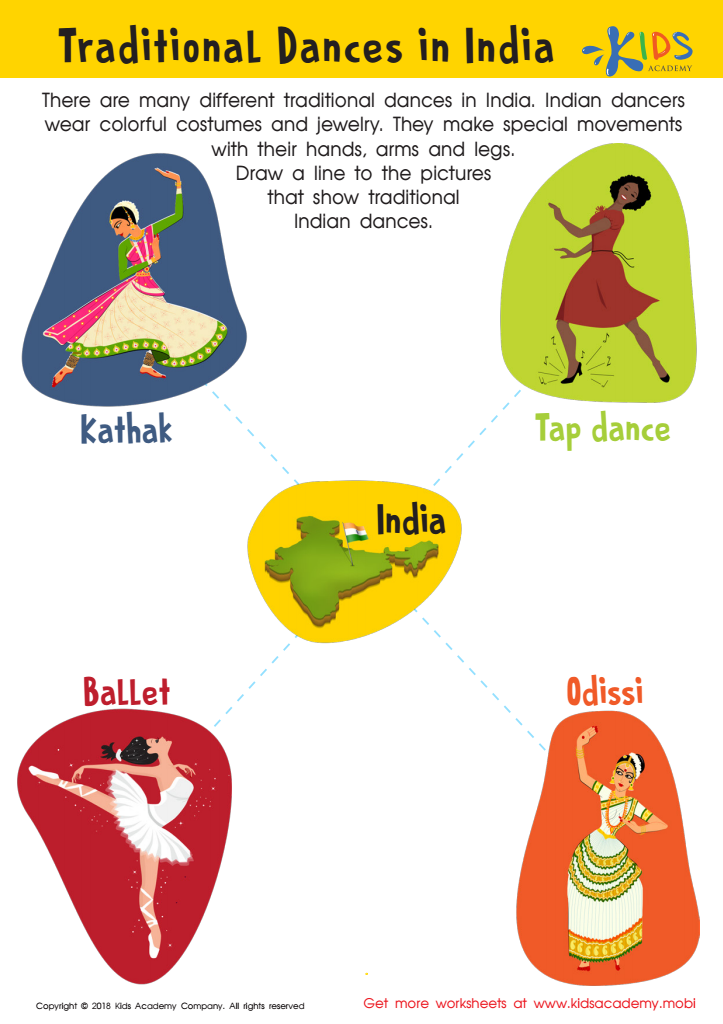
Traditional Dances in India Worksheet
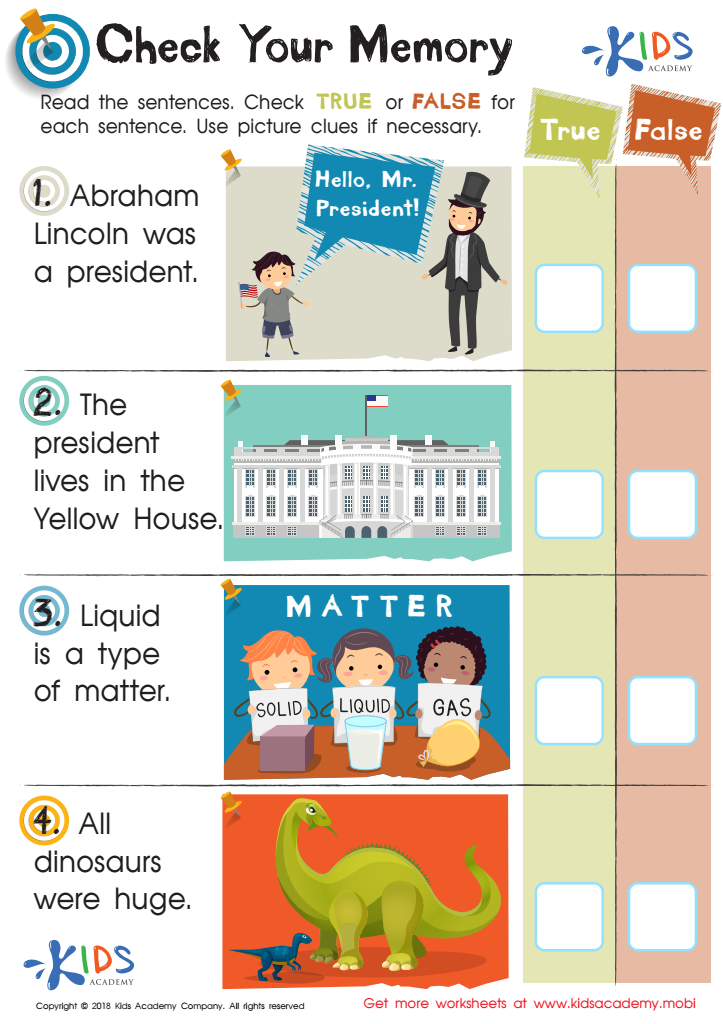
Check Memory Worksheet





.jpg)


Ensuring young learners are exposed to Easy History for Ages 4-7 is essential for multiple reasons. Firstly, introducing history at this early age helps children develop a sense of time, sequence, and the concept of past and present. It enriches their understanding of the world by highlighting how things were different long ago, giving them a framework to understand how society and technology have evolved.
Additionally, simplified history helps build a sense of identity and cultural awareness. Knowing where stories, traditions, and ways of life come from fosters a connection to their heritage and community. It also encourages empathy as children learn about different people's experiences throughout history, nurturing appreciation for diversity.
From a cognitive standpoint, early exposure to history enhances critical thinking and comprehension skills. When children hear tales from the past, they're not only memorizing facts but also learning to ask questions, infer meanings, and connect events, which lays the groundwork for more complex learning.
Lastly, history taught in an age-appropriate, engaging manner fuels curiosity and love for learning. Whether it’s through picture books, storytelling, or simple discussions, children who develop an early interest in history may carry that enthusiasm and inquisitiveness throughout their educational journey, making them more informed and thoughtful individuals.