Easy Beginning Sounds Worksheets for Ages 4-8
4 filtered results
-
From - To
Kickstart your child’s reading journey with our Easy Beginning Sounds Worksheets for Ages 4-8! Specifically designed for young learners, these engaging worksheets help children identify and practice initial sounds of words using fun, colorful illustrations and interactive activities. Our comprehensive exercises are perfect for preschool through early elementary students, aiding in the development of crucial phonemic awareness and literacy skills. With straightforward instructions, kids will love associating letters with corresponding sounds while building confidence in their reading abilities. Ideal for teachers and parents alike, our worksheets make learning the basics of phonics enjoyable and accessible for all young readers.
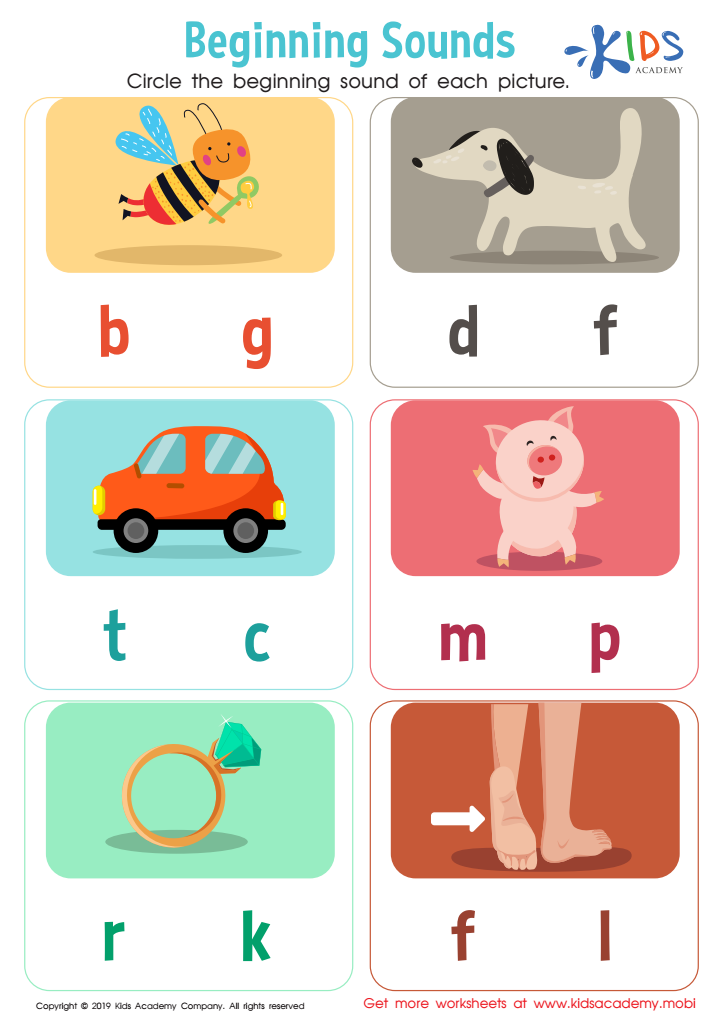
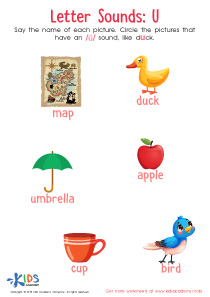
Beginning Sounds Worksheet
 Assign to My Students
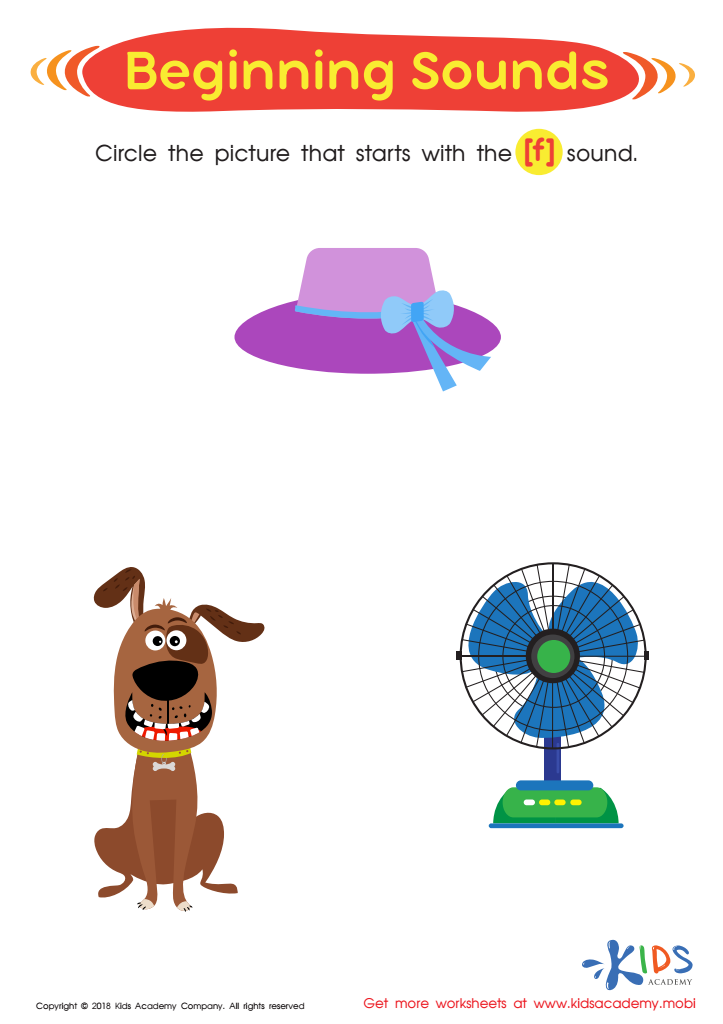
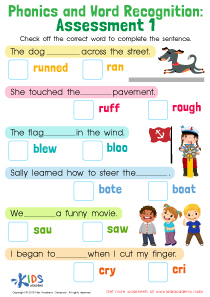
Beginning Sounds Assessment Printable
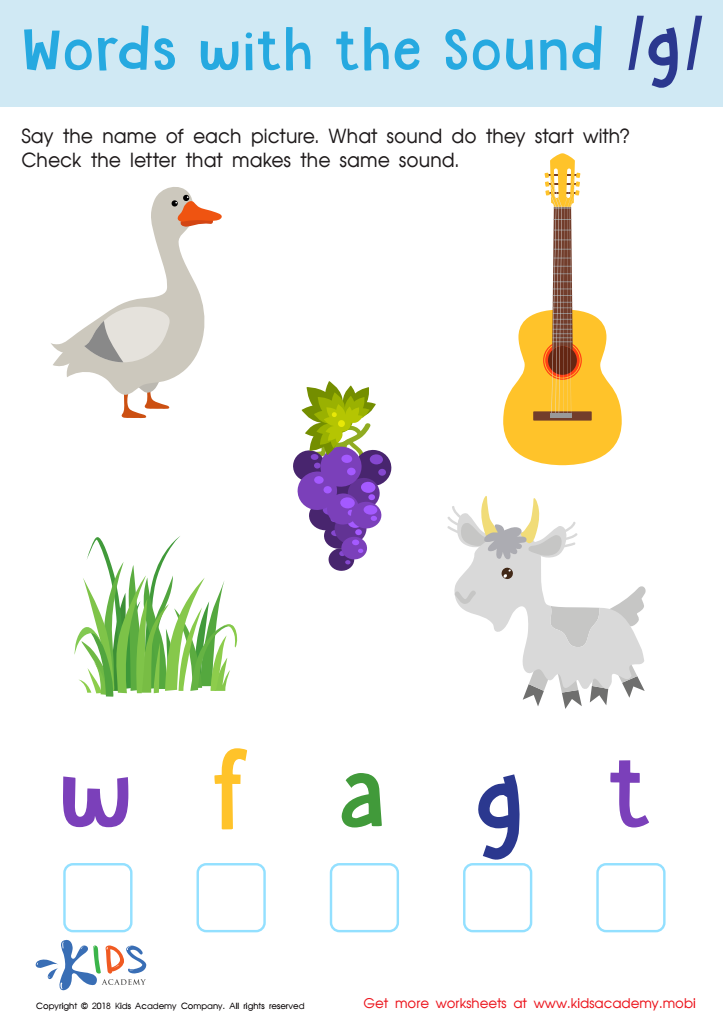
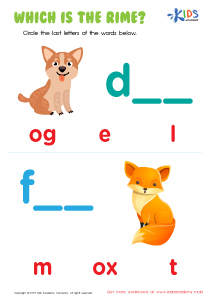
Words with sound g Reading Worksheet
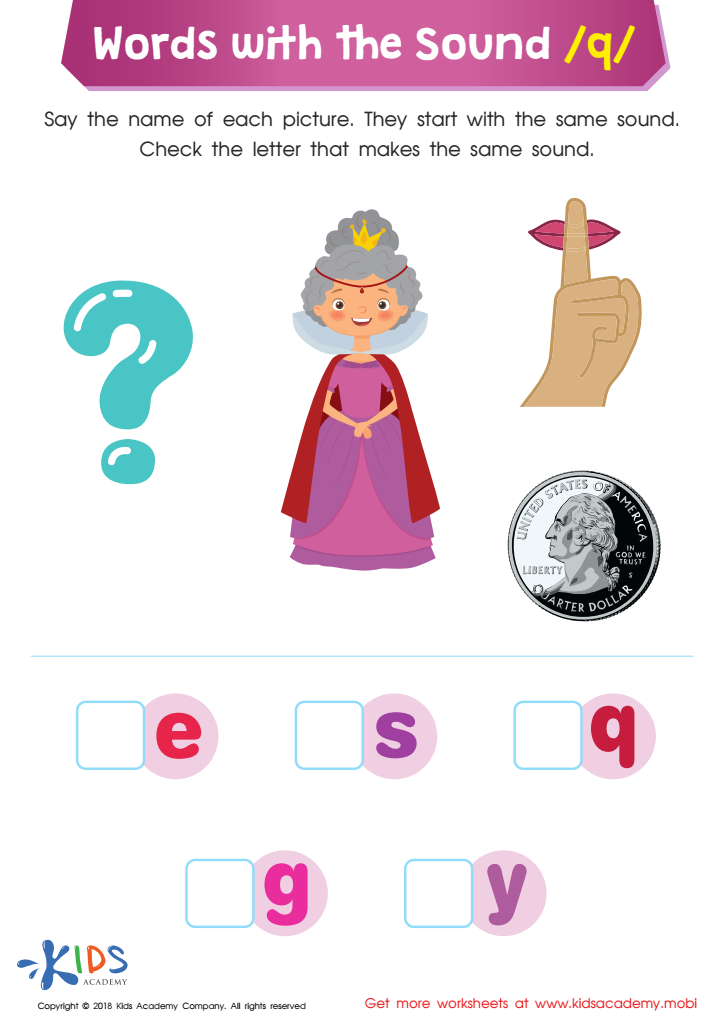
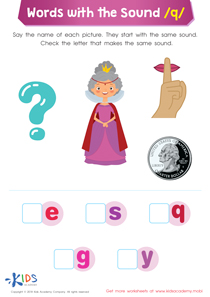
Words with Sound Q Reading Worksheet








Ensuring that children ages 4-8 grasp easy beginning sounds is foundational for their literacy development. These early phonemic awareness skills lay the groundwork for reading and writing abilities. When children can discern and produce beginning sounds, they become skilled at decoding words, which is a crucial step toward fluent reading. This ability empowers them to sound out unfamiliar words, expanding their vocabulary and confidence in reading.
For teachers and parents, focusing on beginning sounds helps seamlessly integrate kids into the literacy journey, creating a strong multisensory learning experience. Engaging in sound recognition activities fosters listening skills, attention, and memory – key components of effective learning environments.
Moreover, understanding beginning sounds aids in accurate spelling and improves pronunciation, helping children develop clear verbal communication skills. Children who struggle with early phonemic awareness often face difficulties in later academic settings, hindering their overall educational progress.
Overall, nurturing beginning sound recognition is a vital element in scaffolding a child's educational journey. It helps develop a love for reading and boosts confidence in communication, making learning both an enjoyable and rewarding experience for young minds. As literacy is fundamental to all areas of education, prioritizing these early skills ensures a solid foundation for future academic success.