Easy Measurement Worksheets for Ages 5-8 - Page 2
43 filtered results
-
From - To
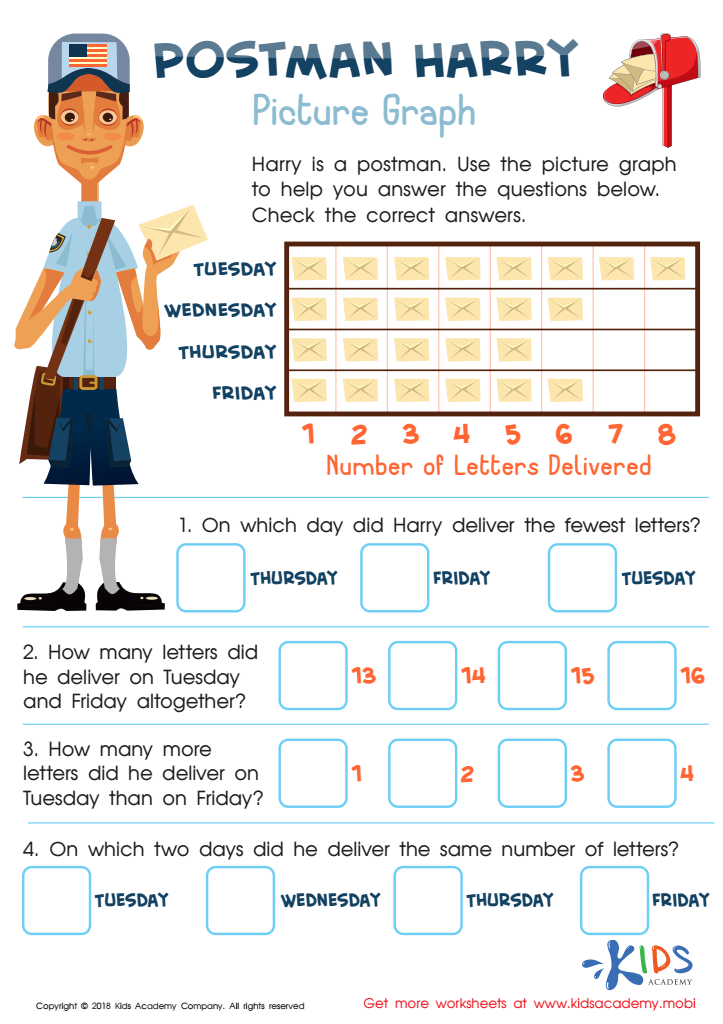
Postman Harry: Picture Graph Worksheet
 Assign to My Students
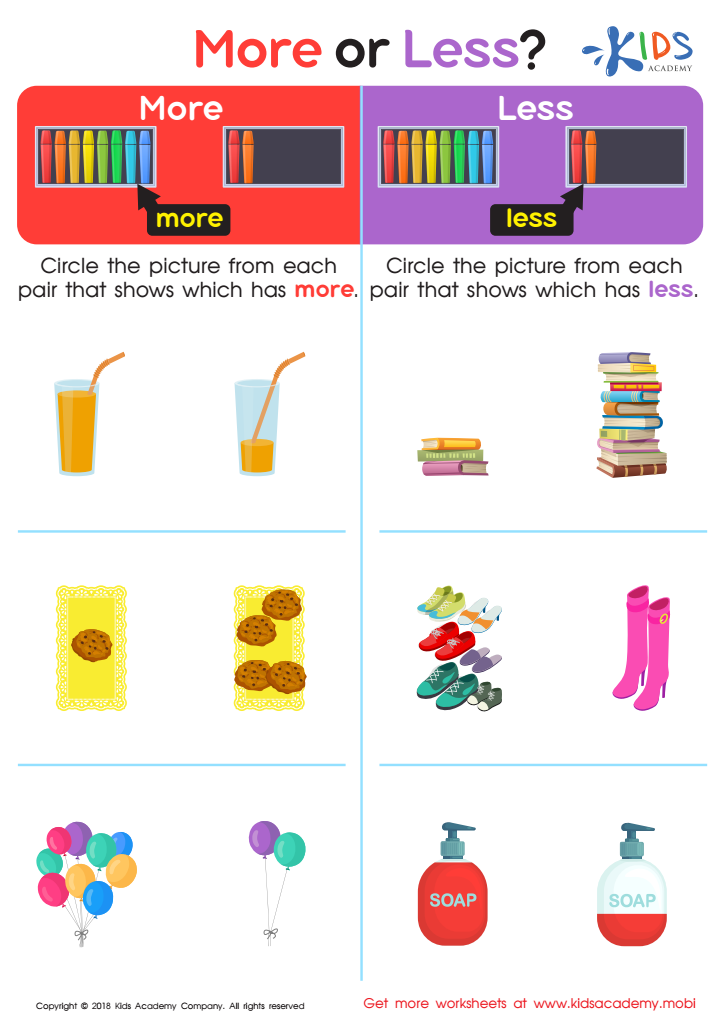
More or Less? Worksheet
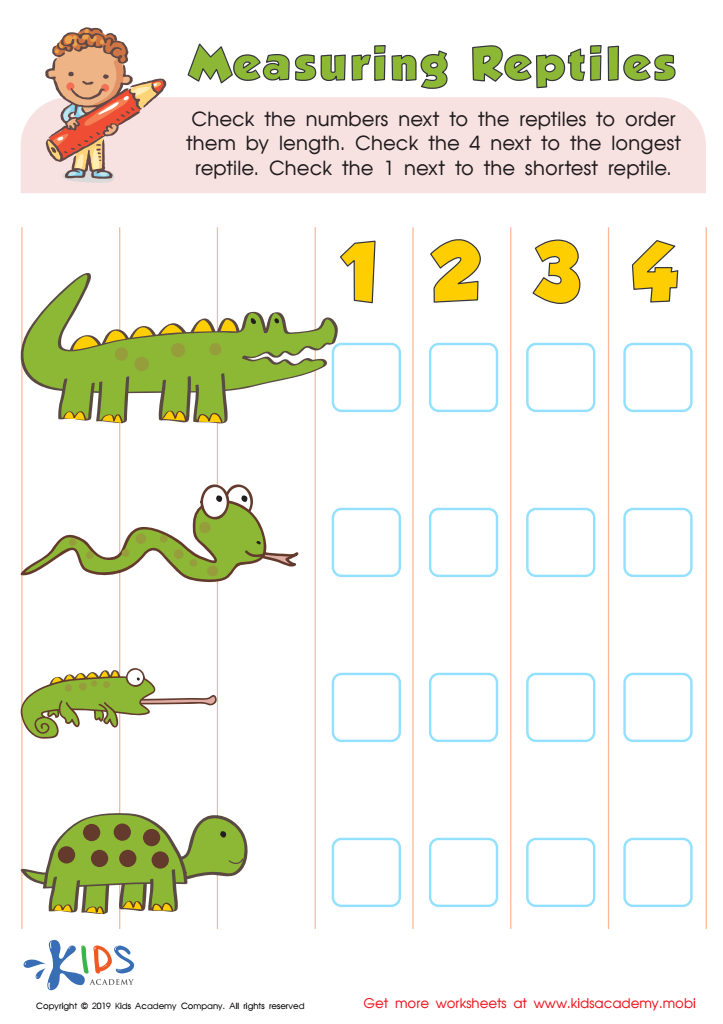
Measuring Reptiles Worksheet
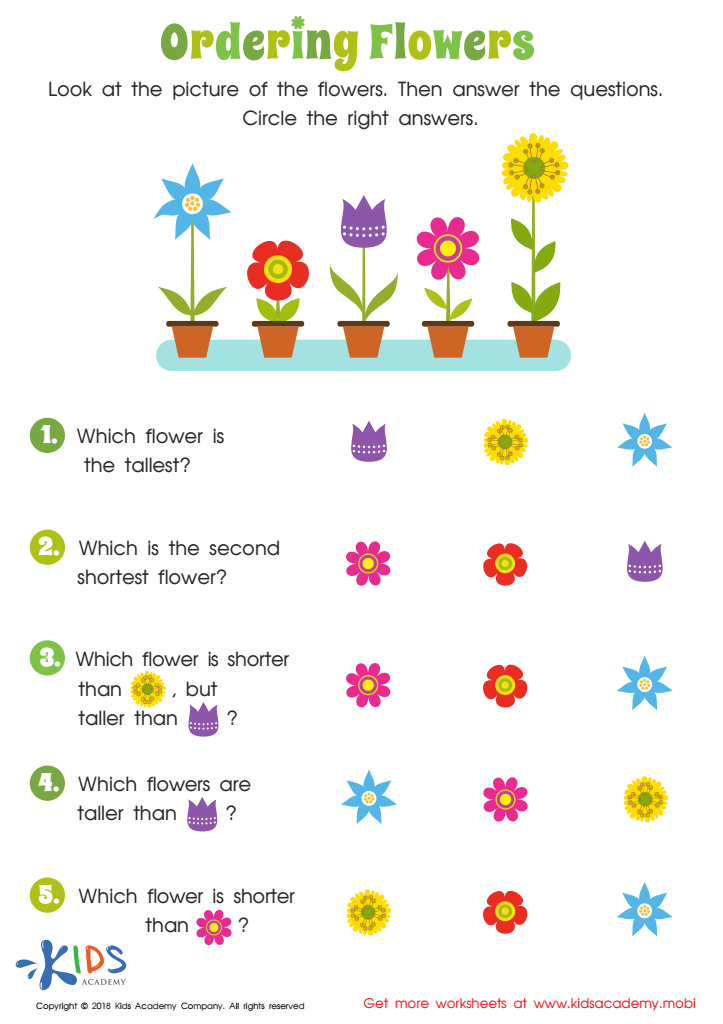
Ordering Flowers Worksheet
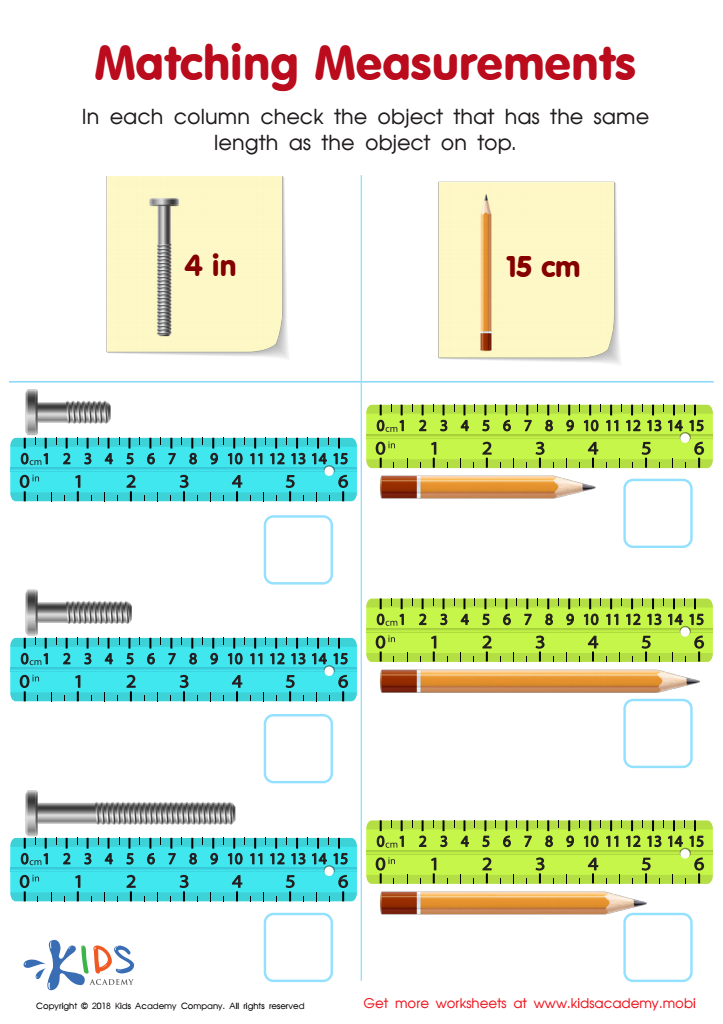
Matching Measurements Worksheet
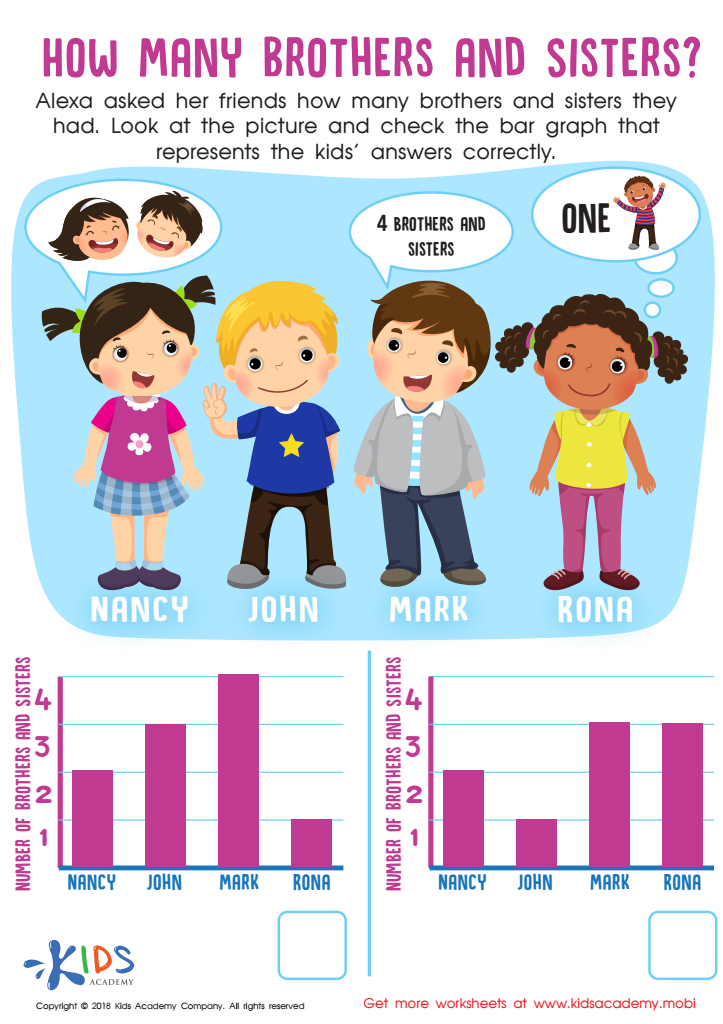
How Many Brothers and Sisters? Worksheet
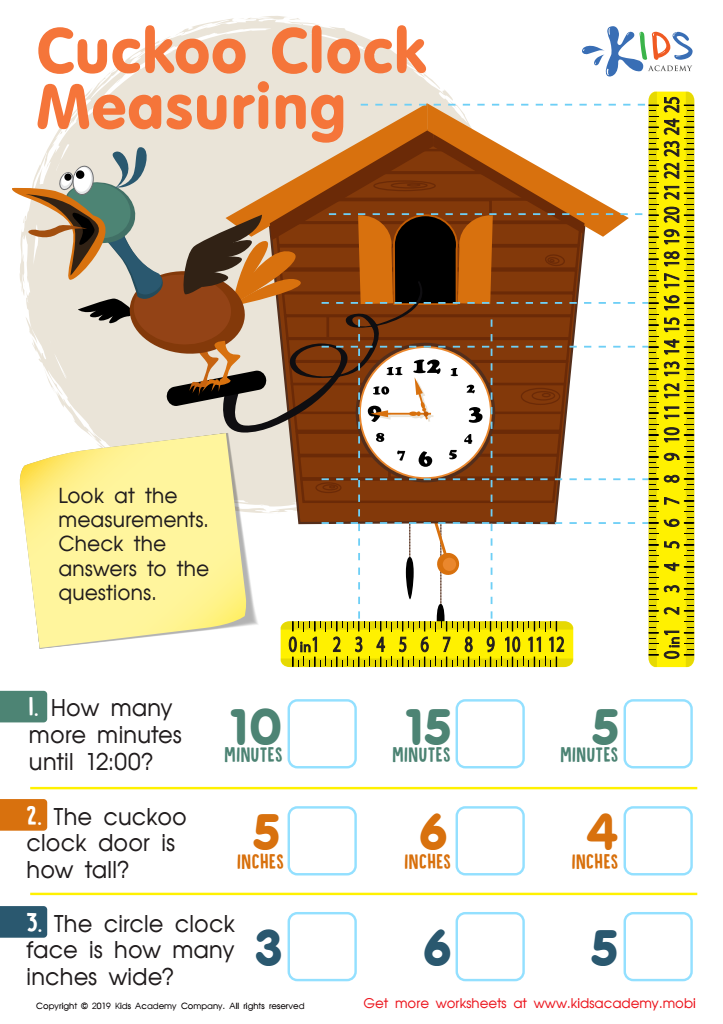
Cuckoo Clock Measuring Worksheet
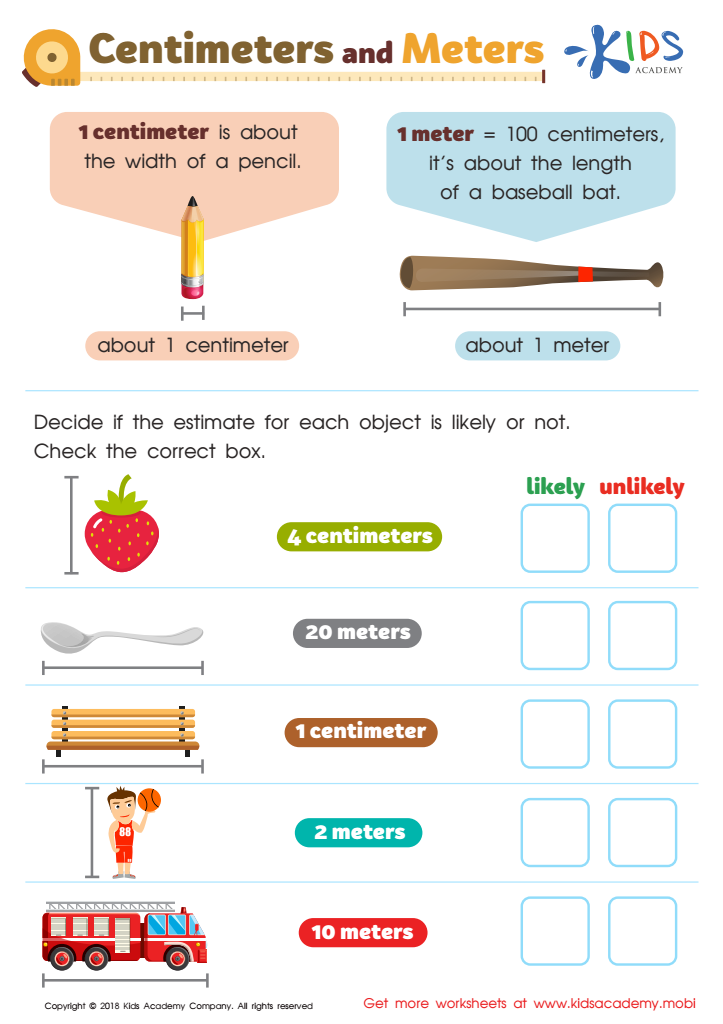
Centimeters and Meters Worksheet
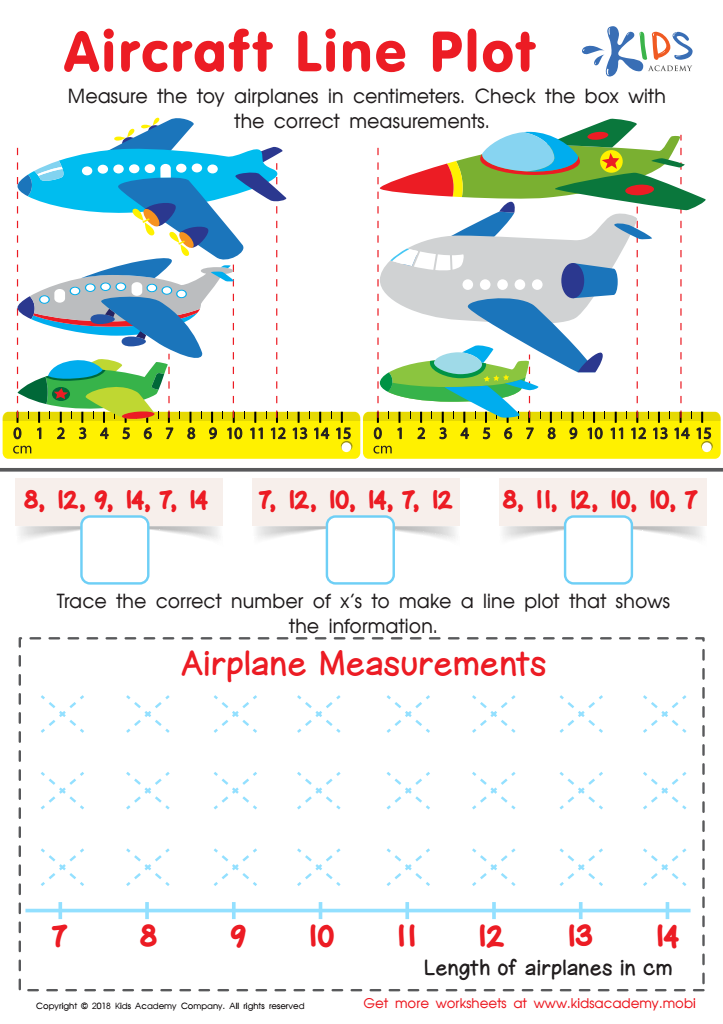
Aircraft Line Plot Worksheet
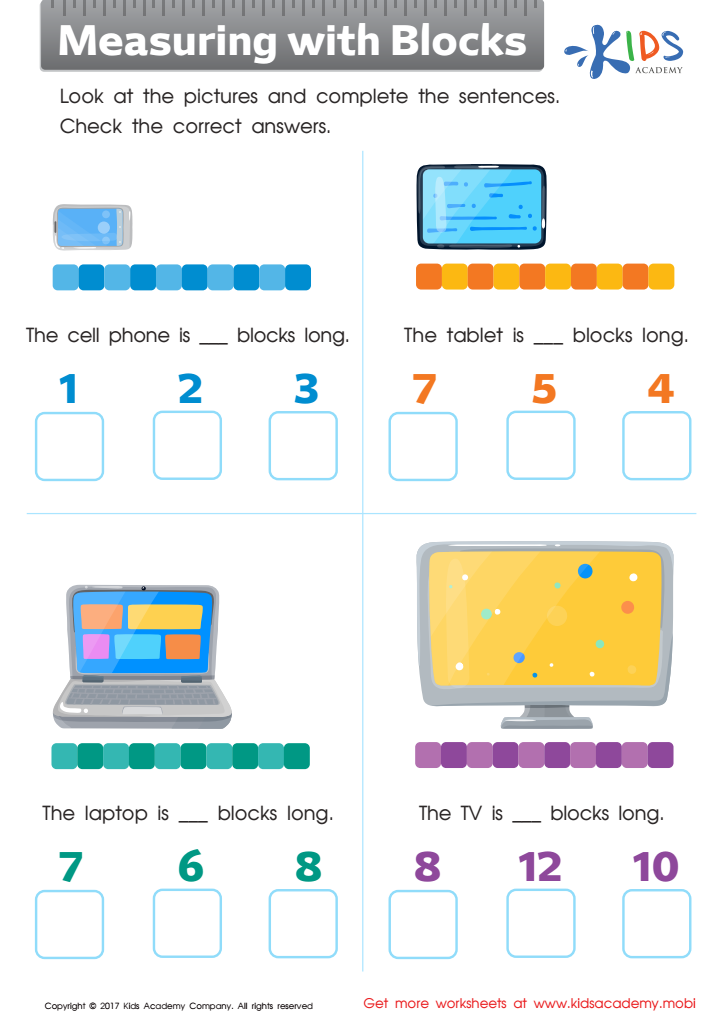
Measuring with Blocks Worksheet
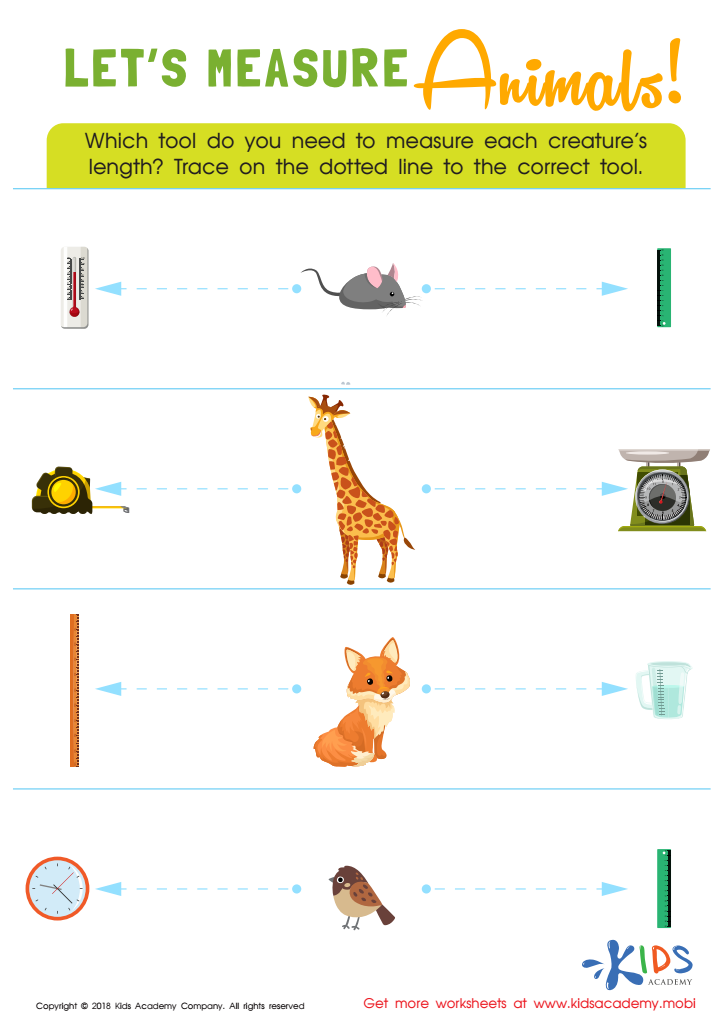
Let's Measure Animals! Worksheet
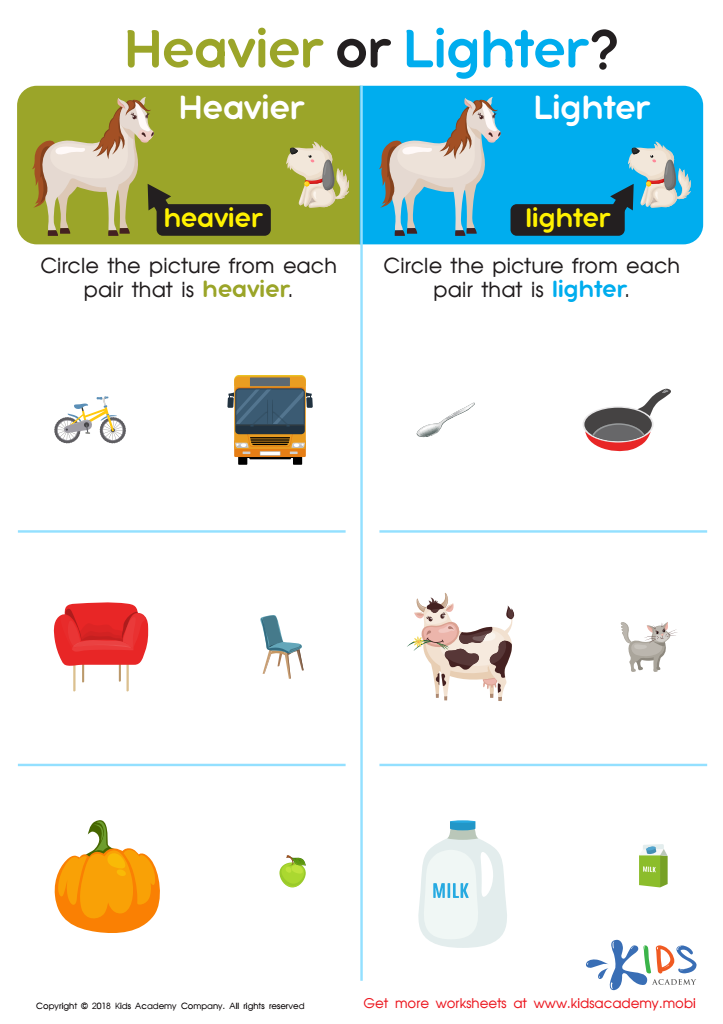
Heavier or Lighter? Worksheet
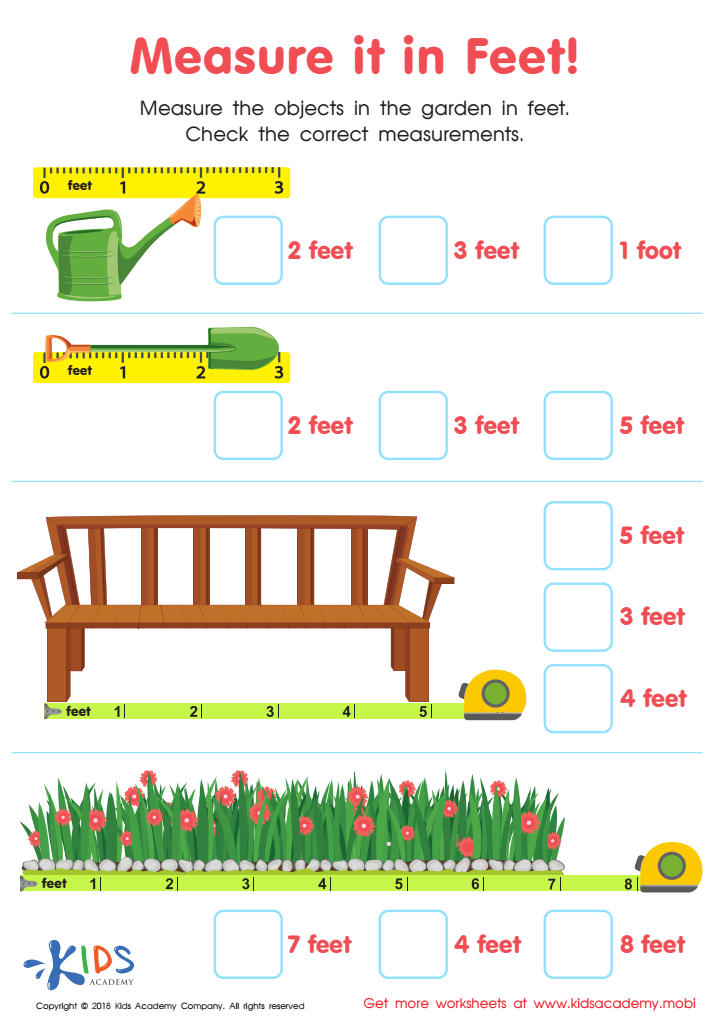
Measure it in Feet Worksheet
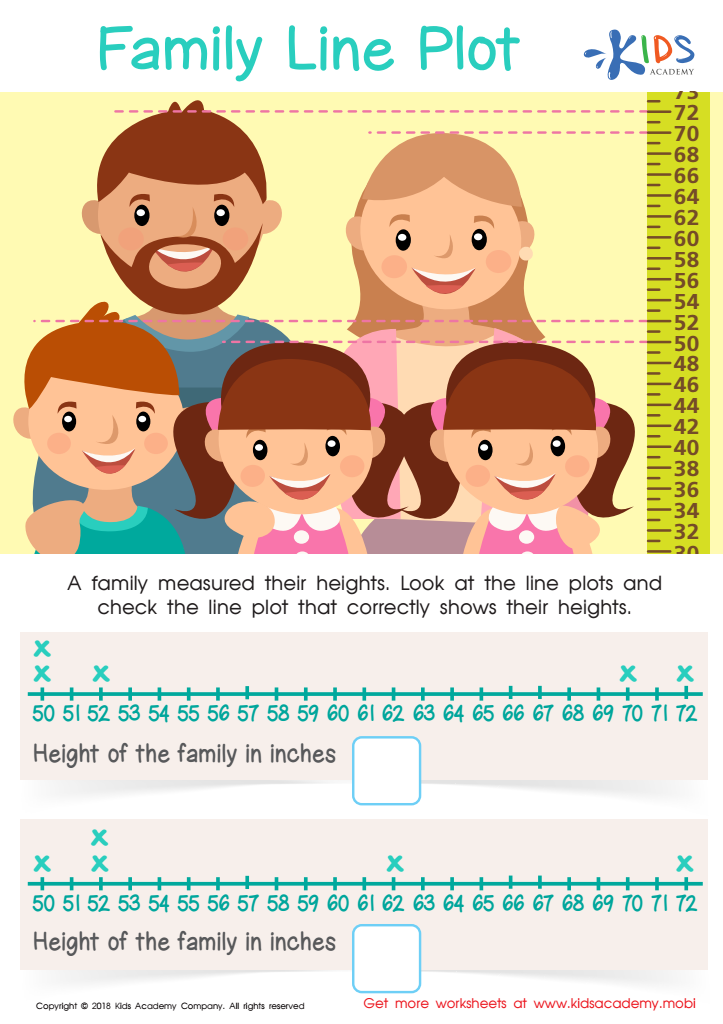
Family Line Plot Worksheet
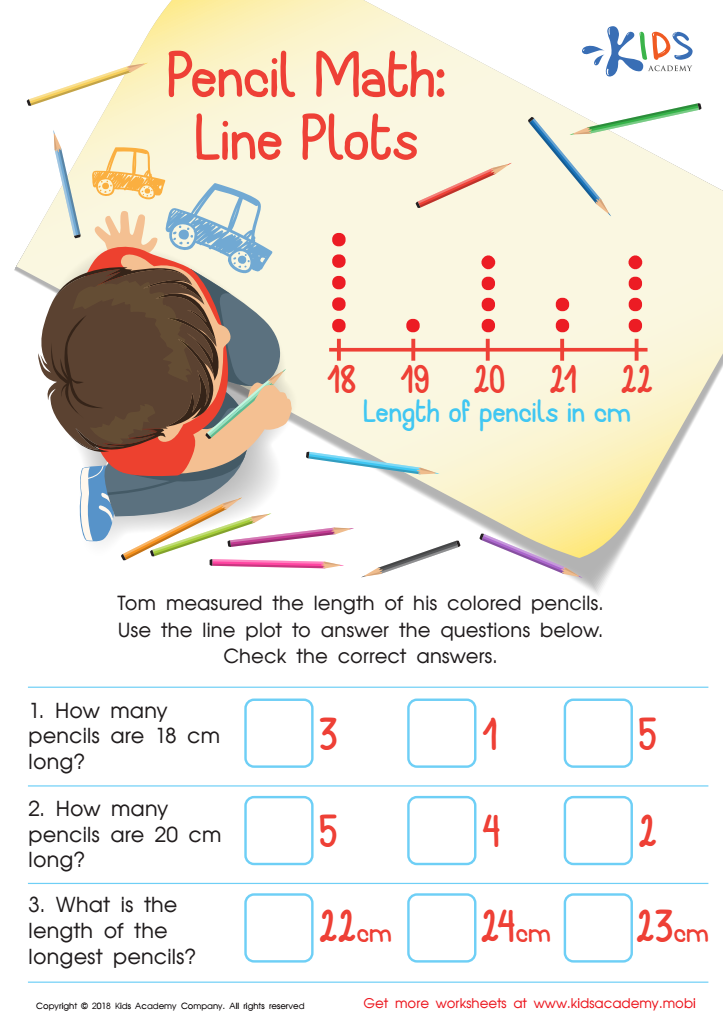
Pencil Math: Line Plots Worksheet
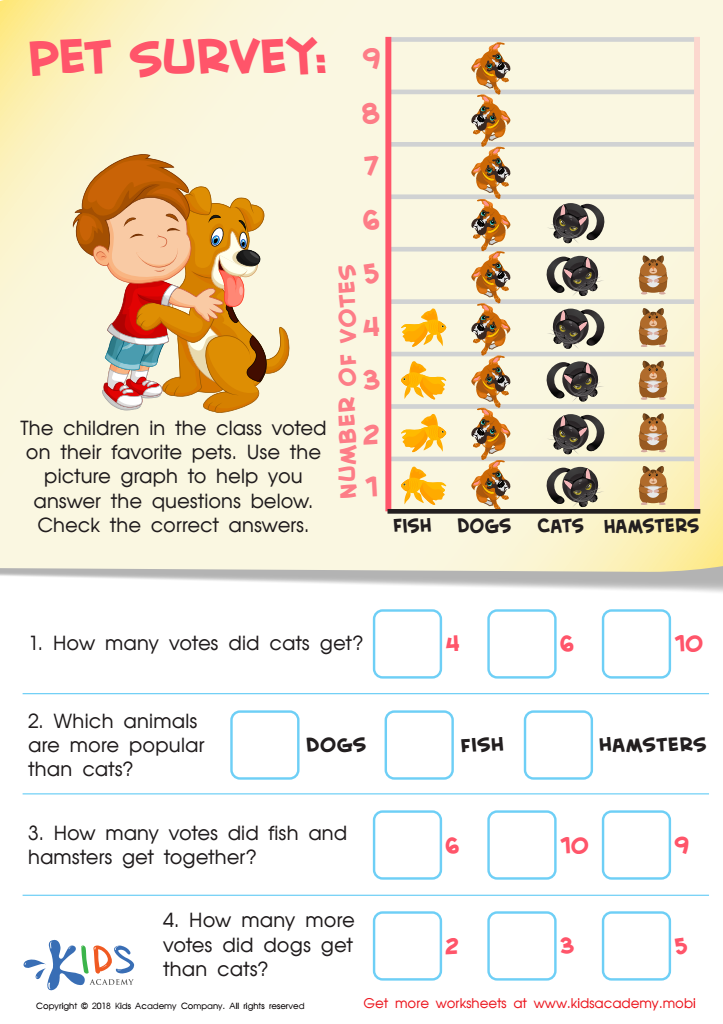
Pet Survey Worksheet
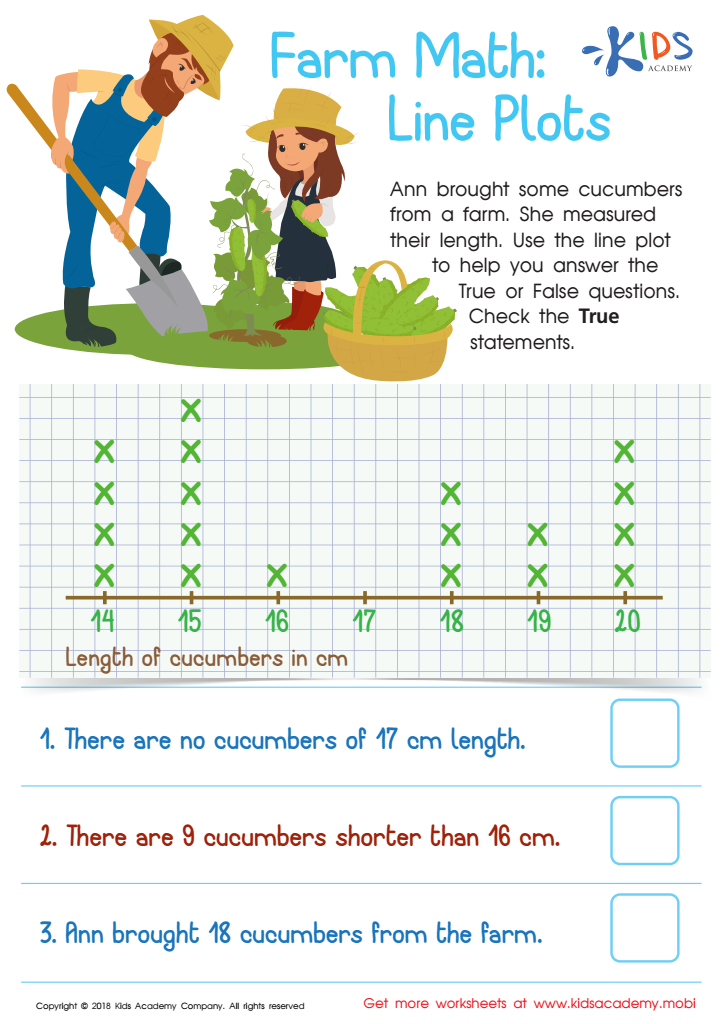
Farm Math: Line Plots Worksheet
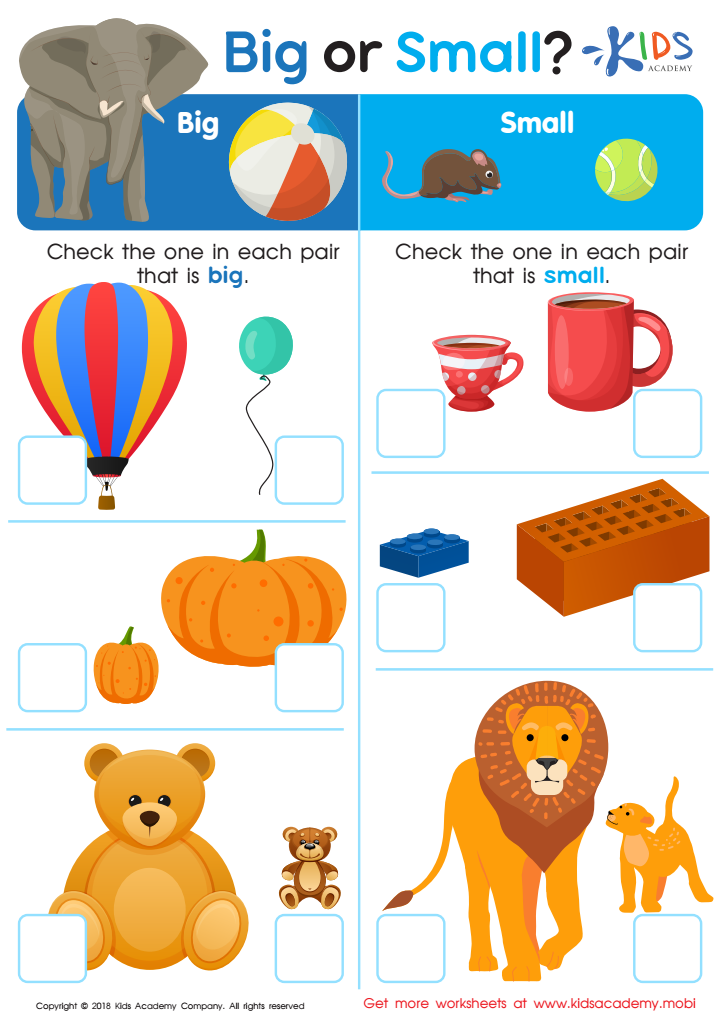
Big or Small? Worksheet
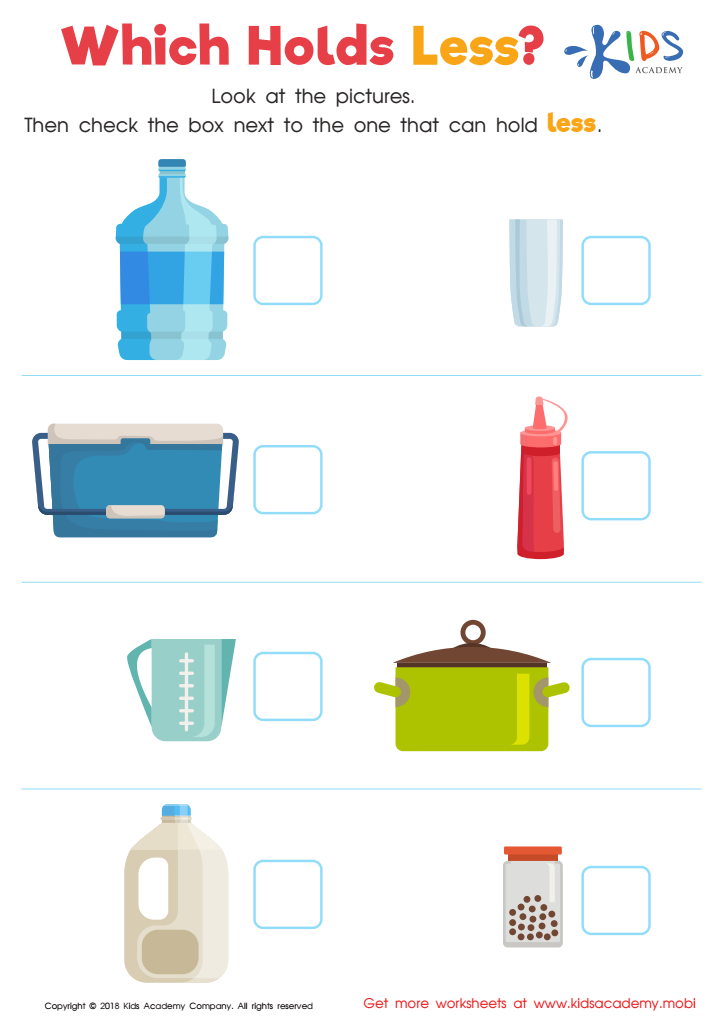
Which Holds Less? Worksheet








Easy Measurement for ages 5-8 is a fundamental aspect of early learning that sets the groundwork for mathematical understanding and everyday problem-solving skills. During these formative years, children are naturally curious about the world around them, and introducing measurement concepts engages their interests and fosters critical thinking.
Measurement skills help children grasp essential life concepts, such as size, quantity, and symmetry, all of which are observable in daily life—from cooking to crafting. By incorporating measurement activities, parents and teachers can provide hands-on experiences that make learning tangible and enjoyable, catering to varied learning styles. These activities promote collaboration and communication among peers, encouraging social skills alongside cognitive development.
Furthermore, measurement is interconnected with other academic areas, such as science and art, helping children see the relevance of math in their everyday lives. Early exposure to measurement concepts prepares them for higher-level math skills needed in later grades, while boosting their confidence and enthusiasm for learning. Ultimately, prioritizing Easy Measurement not only enriches children's academic foundations but also empowers them with practical skills they will carry throughout their lives. Parents and teachers play a critical role in nurturing this development, making it an essential focus in early education.








