Easy Consonants Worksheets for Ages 6-8
3 filtered results
-
From - To
Discover engaging "Easy Consonants Worksheets for Ages 6-8" designed to help young learners confidently master basic phonics. Perfect for classroom or homeschool settings, these printable worksheets offer fun and interactive ways to reinforce consonant sounds, enhance reading skills, and boost early literacy. Each worksheet features age-appropriate exercises, including matching games, fill-in-the-blank activities, and tracing practice. Tailored for kids aged 6 to 8, our resources ensure a strong foundation in essential language arts concepts, making learning both enjoyable and effective. Access our carefully curated materials to support your child's educational journey today!
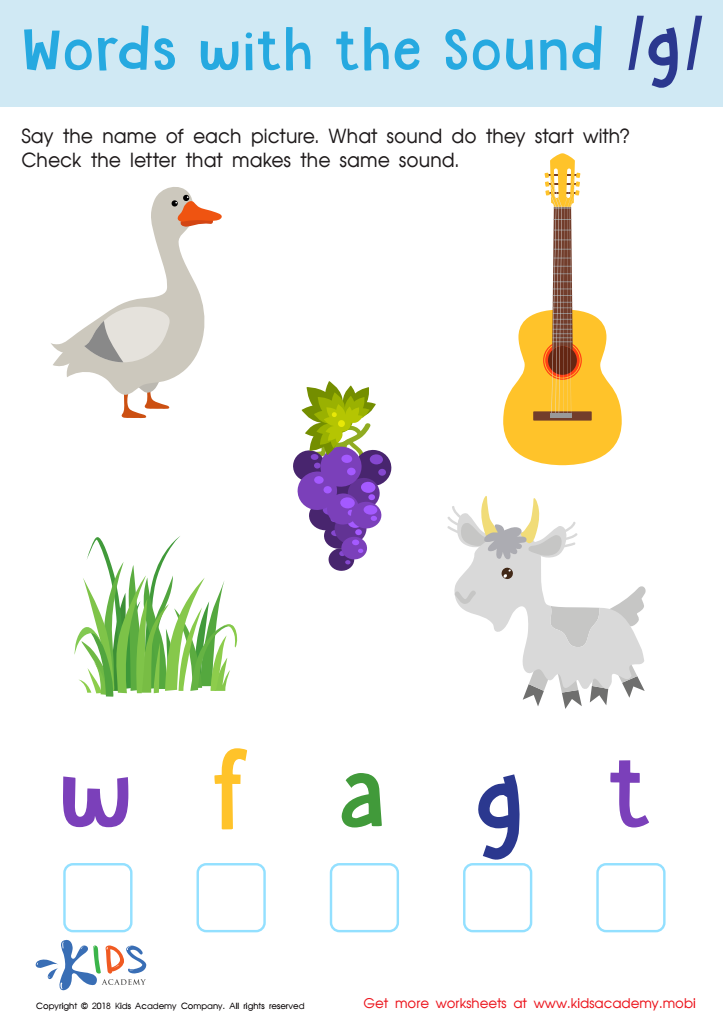
Words with sound g Reading Worksheet
 Assign to My Students
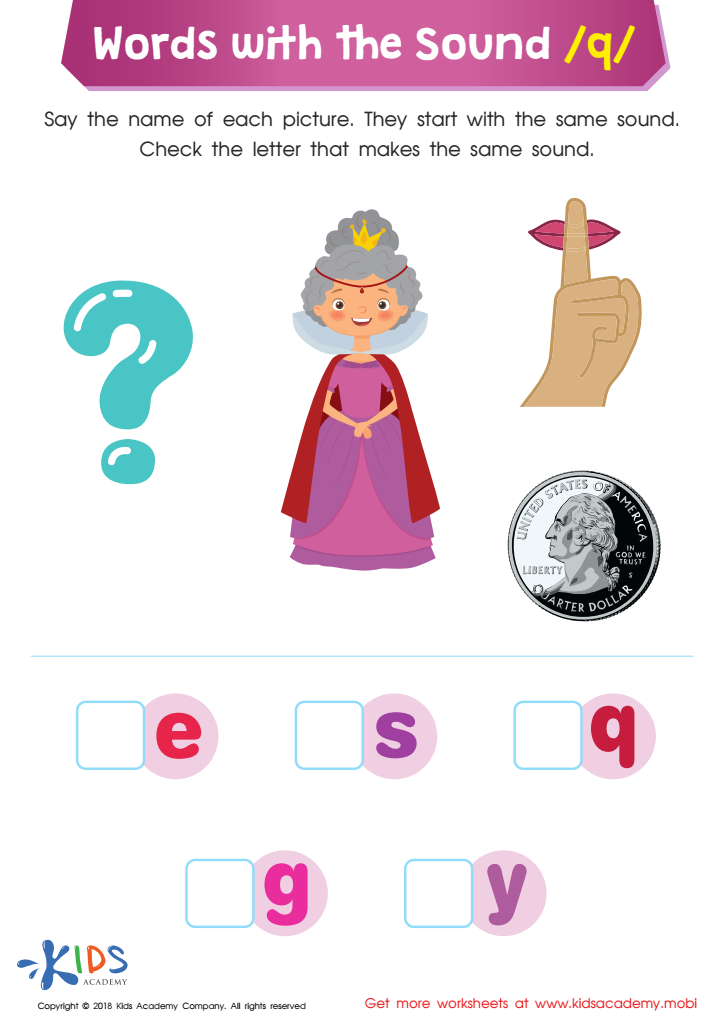
Words with Sound Q Reading Worksheet
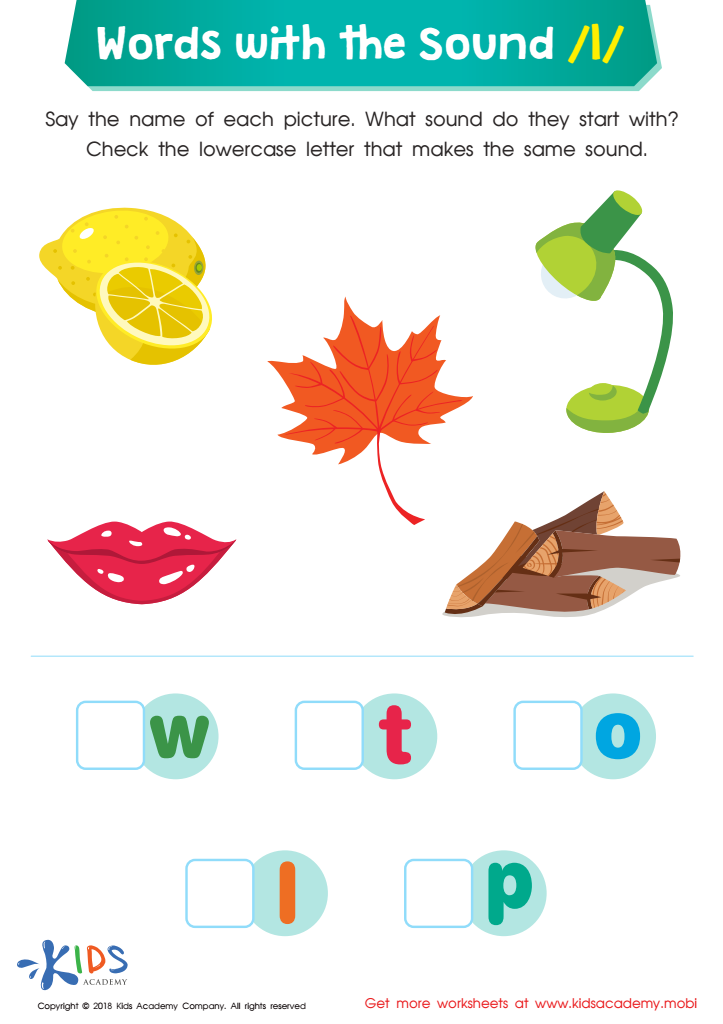
Words with Sound L Reading Worksheet



Parents or teachers should care about Easy Consonants for children ages 6-8 because this period is crucial for foundational language development. At this age, kids are transitioning from recognizing letters and sounds to blending them to form words. Easy consonants like B, C, D, and F are among the simplest sounds for young learners to grasp and pronounce accurately. Mastery of these sounds builds essential phonetic awareness, helping children decode words and enhance their reading skills.
Learning easy consonants also fosters spelling abilities, as kids begin to understand the relationship between letters, sounds, and word structure. This is a key component of literacy that will support their overall academic performance, especially as other subjects increasingly rely on reading comprehension.
Moreover, confidence grows as children succeed in identifying and using these sounds, motivating them to tackle more complex language tasks. With strong early consonant skills, kids can better engage in phonemic activities like rhyming, segmenting, and blending, which are foundational for advanced literacy.
Investing effort into ensuring children grasp easy consonants sets a strong literacy foundation, creating a ripple effect that positively influences their education trajectory. Teachers and parents play a critical role, offering consistent practice and encouragement to foster these essential early literacy skills.