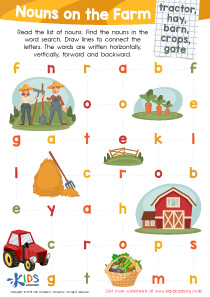
Extra Challenge Sight Words Worksheets for Ages 3-7
3 filtered results
-
From - To
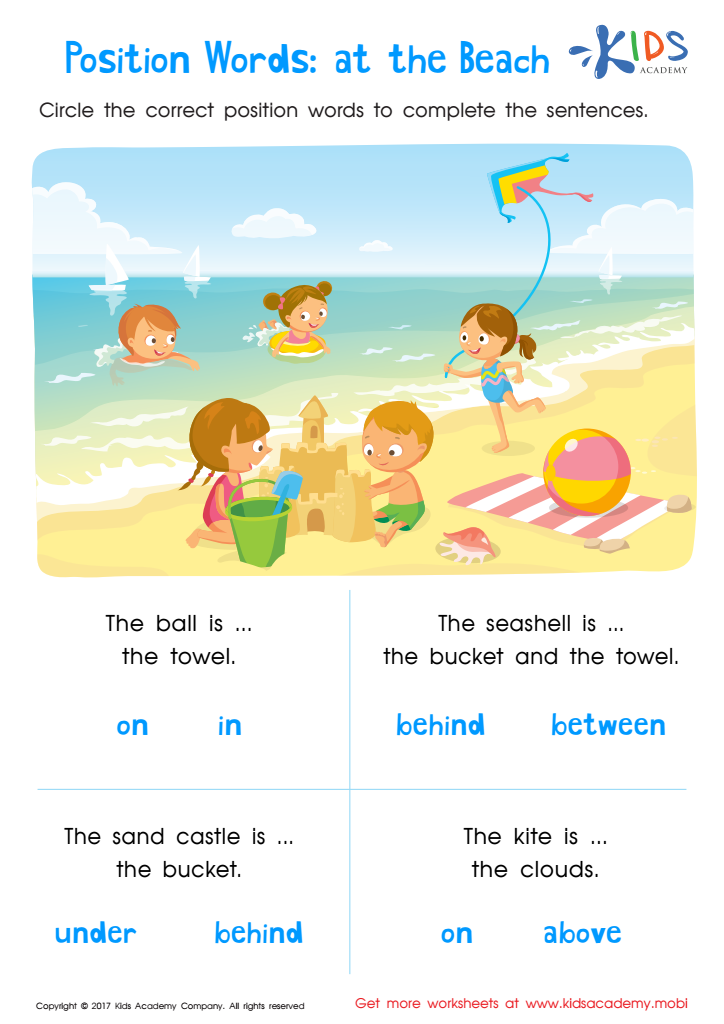
Discover our "Extra Challenge Sight Words Worksheets for Ages 3-7," designed to enhance early reading skills in young learners. These engaging worksheets provide a fun and stimulating way for children to master essential sight words, fostering confidence in their reading abilities. Tailored for ages 3 to 7, our resources cater to various learning levels, ensuring that every child is challenged appropriately. Each worksheet includes varied activities such as tracing, circling, and filling in the blanks, making learning dynamic and enjoyable. Equip your child with the vital tools for literacy success while reinforcing their cognitive development with these expertly crafted worksheets!
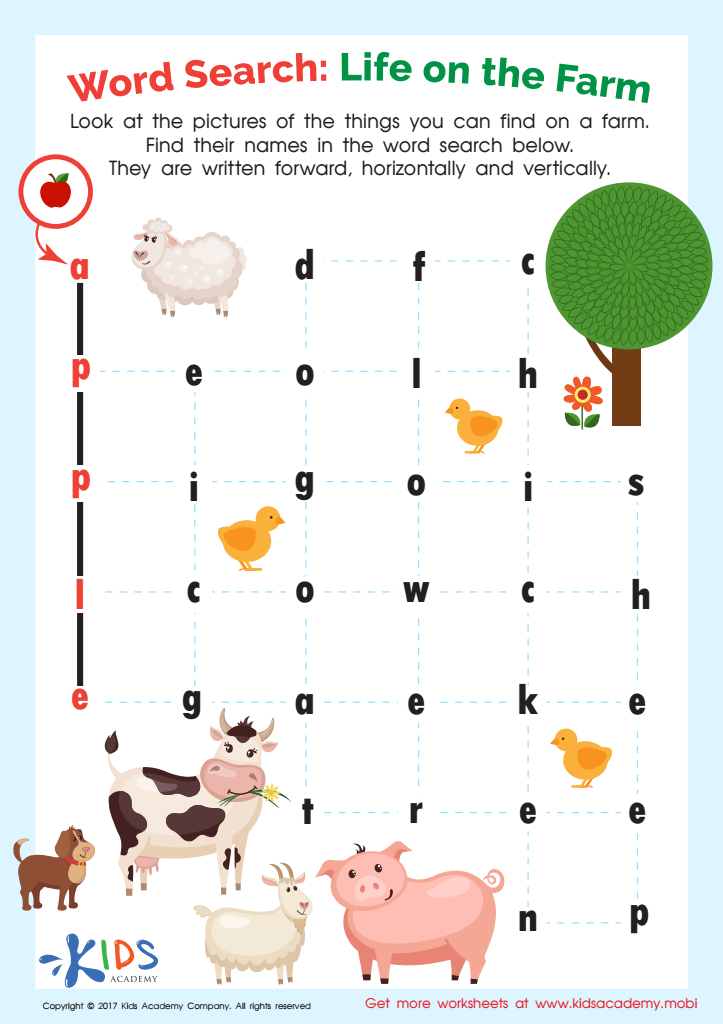
Word Search Puzzles Worksheet
 Assign to My Students



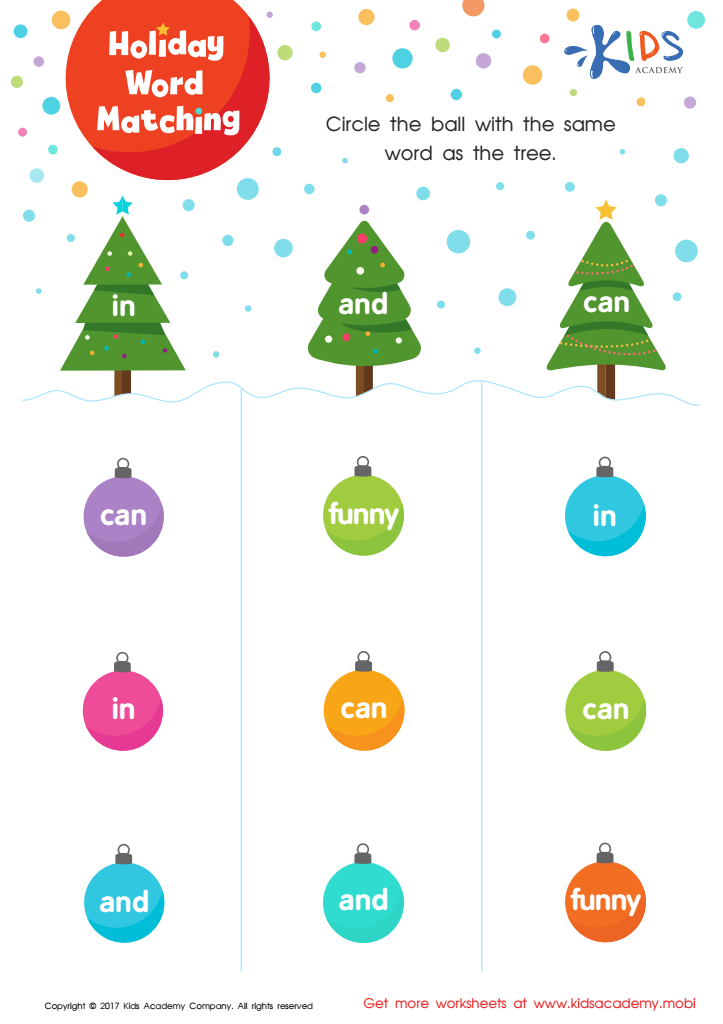
Holiday Word Matching Worksheet








Parents and teachers should care about Extra Challenge Sight Words for Ages 3-7 because these words play a critical role in early literacy development. Sight words are often high-frequency words that children encounter regularly in reading materials; they are essential for building reading fluency. By introducing Extra Challenge Sight Words, educators can enhance a child’s vocabulary and comprehension skills.
This extra challenge pushes children to engage with more advanced texts earlier, fostering a love for reading and encouraging analytical thinking. Additionally, mastering these words can boost a child's confidence as they navigate through storybooks and other reading exercises. For parents, knowing these words helps them support their child’s progress at home through activities such as flashcards and reading together.
Moreover, building a robust sight word vocabulary in early childhood can lead to greater academic success in later years, reinforcing the foundational skills necessary for more complex reading and writing. Early encounters with challenging vocabulary can also stimulate cognitive development, allowing children to make connections and expand their understanding of language.
In essence, prioritizing Extra Challenge Sight Words paves the way for lifelong reading competency, equips parents to actively participate in their child’s education, and empowers teachers to address varying learner needs effectively.