Extra Challenge Governance and Civics Worksheets for Ages 5-7
3 filtered results
-
From - To
Help your child discover the fundamentals of governance and civics with our engaging ""Extra Challenge Governance and Civics Worksheets for Ages 5-7."" Tailored specifically for young learners, these worksheets make complex concepts accessible and fun! Each activity encourages critical thinking, fostering a deep understanding of community roles, rules, and responsibilities in a vibrant and interactive way. Designed to spark curiosity, these extra challenge worksheets promote skill development in reading, comprehension, and analytical reasoning. Perfect for classrooms or home learning, your little one will explore the importance of citizenship through creative exercises and real-world applications, building a foundation for future civic engagement!
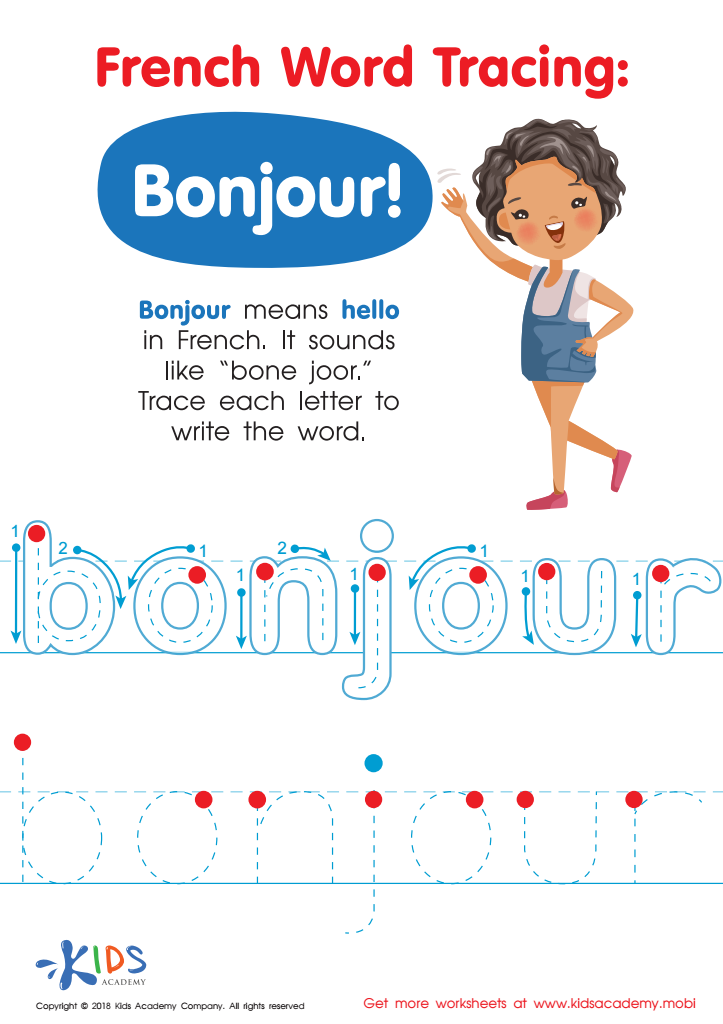
French Word Tracing: Bonjour Worksheet
 Assign to My Students
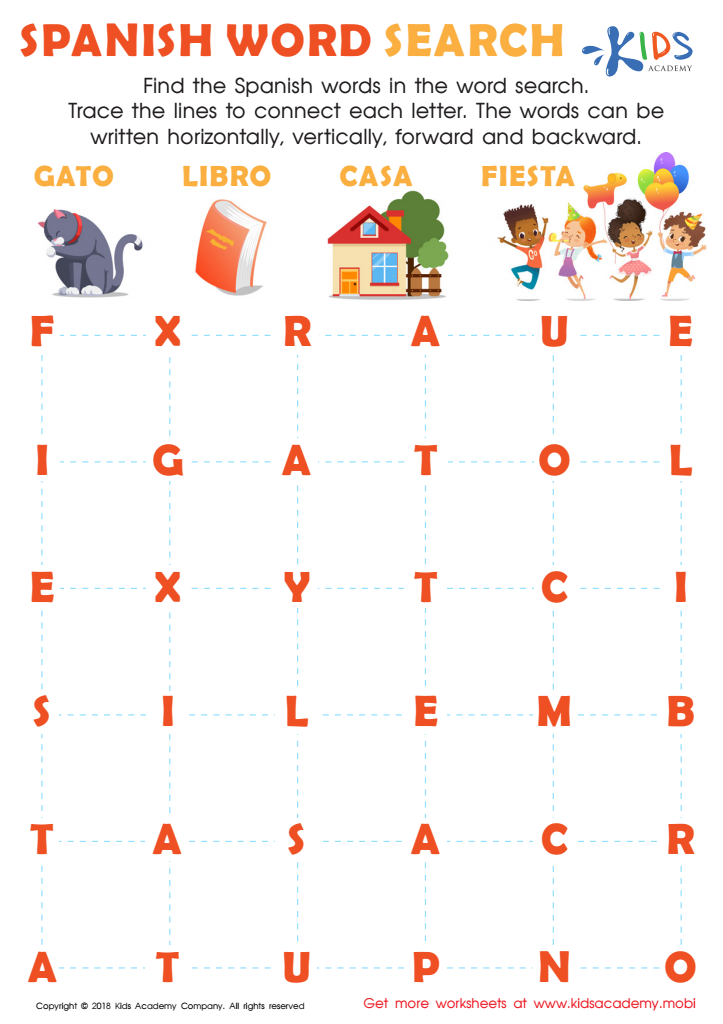
Spanish Word Search Worksheet
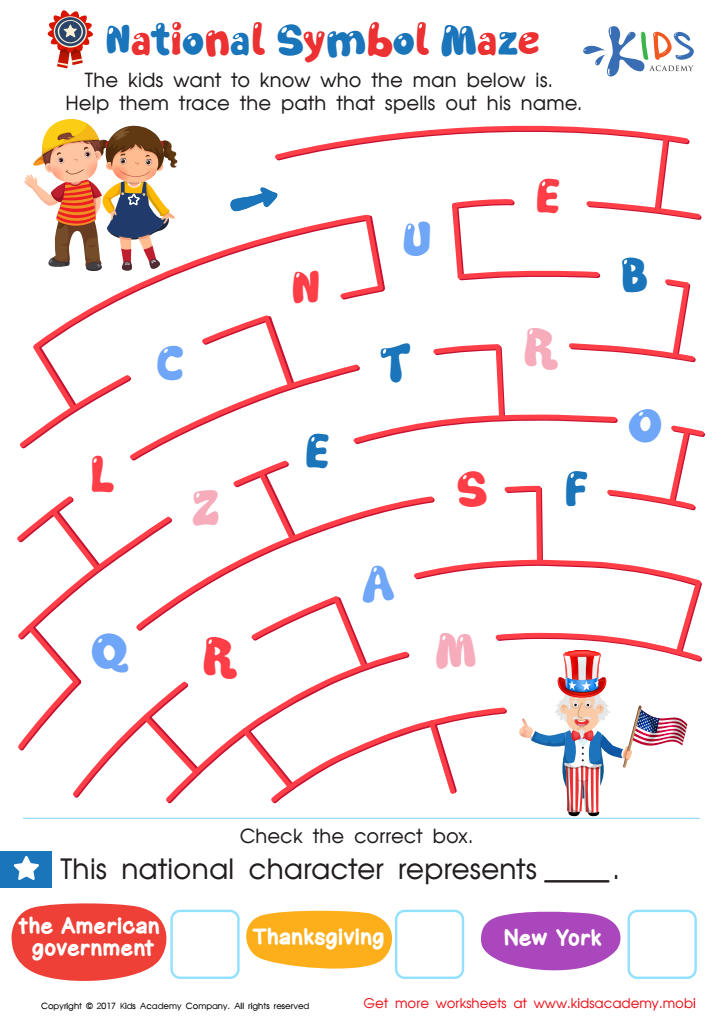
National Symbol Maze Worksheet


Extra Challenge Governance and Civics for children aged 5-7 introduces foundational concepts of democracy, responsibility, and community involvement. Parents and teachers should care about this early exposure for several reasons. Firstly, it fosters critical thinking skills, encouraging children to engage in discussions about fairness, rules, and shared responsibilities. When young learners explore the basics of governance, they begin to understand the importance of their own role within a community and are empowered to express their opinions.
Additionally, strengthening civics education at a young age promotes social-emotional skills. Children learn to respect diverse perspectives, enhancing their empathy and cooperation with peers. This lays a strong groundwork for healthy relationships and conflict resolution skills as they grow.
Introducing governance concepts also enhances children's ability to comprehend their rights and responsibilities, encouraging informed citizenship as they mature. Moreover, it can foster a love for learning about the world around them, cultivating curiosity about social structures and government functions.
Incorporating Extra Challenge Governance and Civics into early education also aligns with educational standards, ensuring children receive a well-rounded curriculum that prepares them for active, responsible participation in society. Therefore, nurturing these skills early is essential for shaping future engaged citizens.