Normal Upper & Lowercase Letters Worksheets for Ages 6-9 - Page 2
43 filtered results
-
From - To
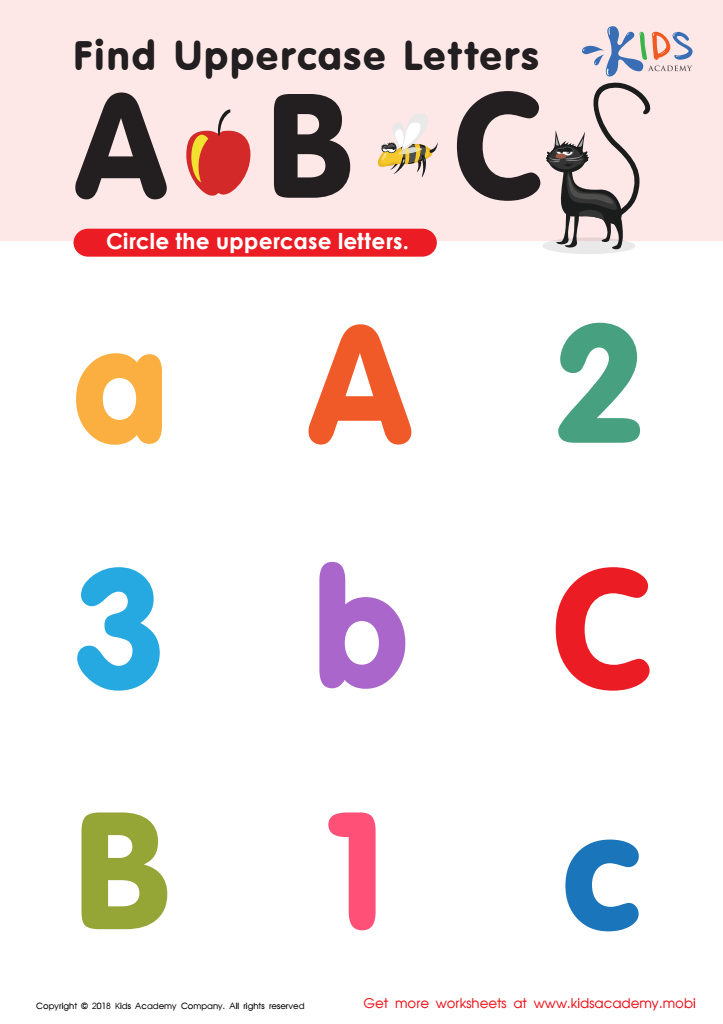
Find Uppercase Letters A, B, and C Worksheet
 Assign to My Students





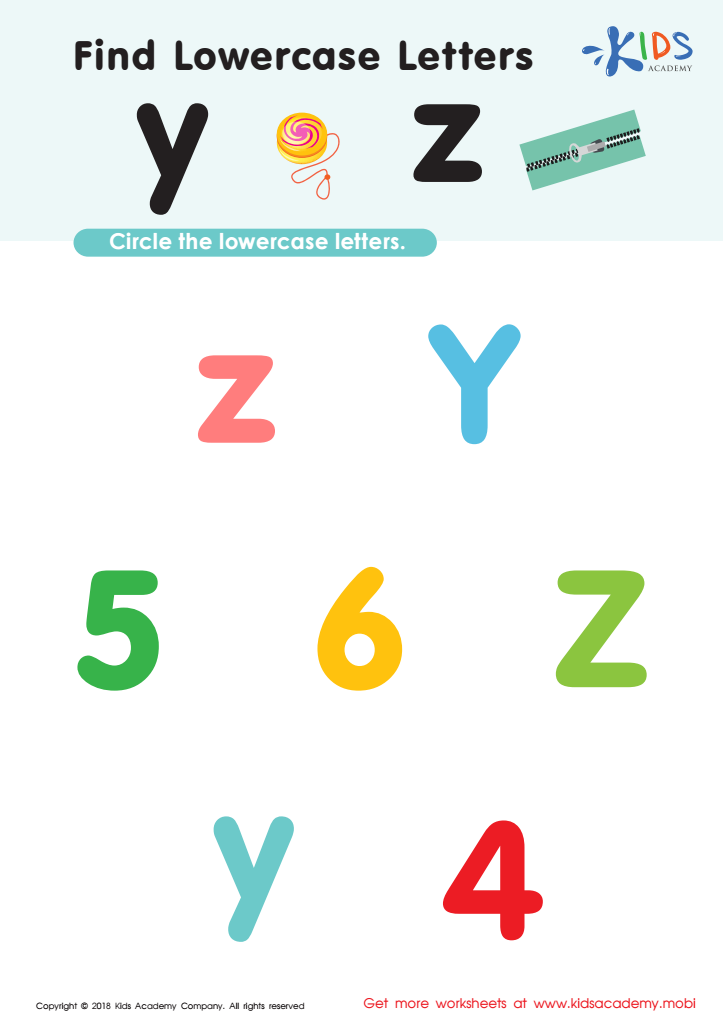
Find Lowercase Letters y z Worksheet
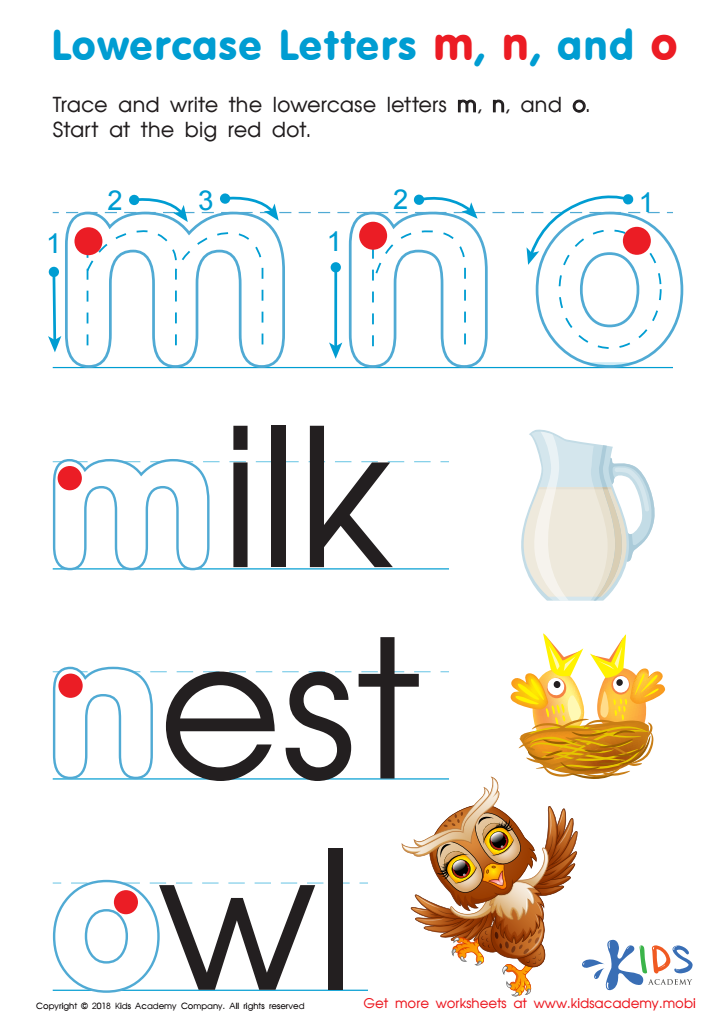
Lowercase Letters m n o Worksheet
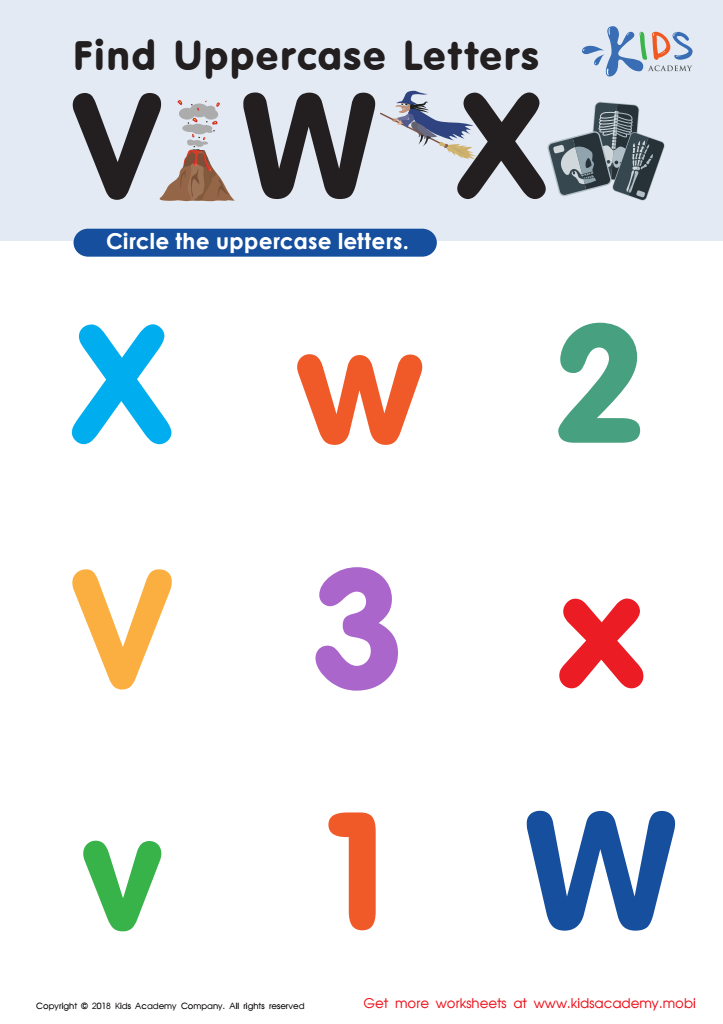
Find Uppercase Letters V, W, X Worksheet
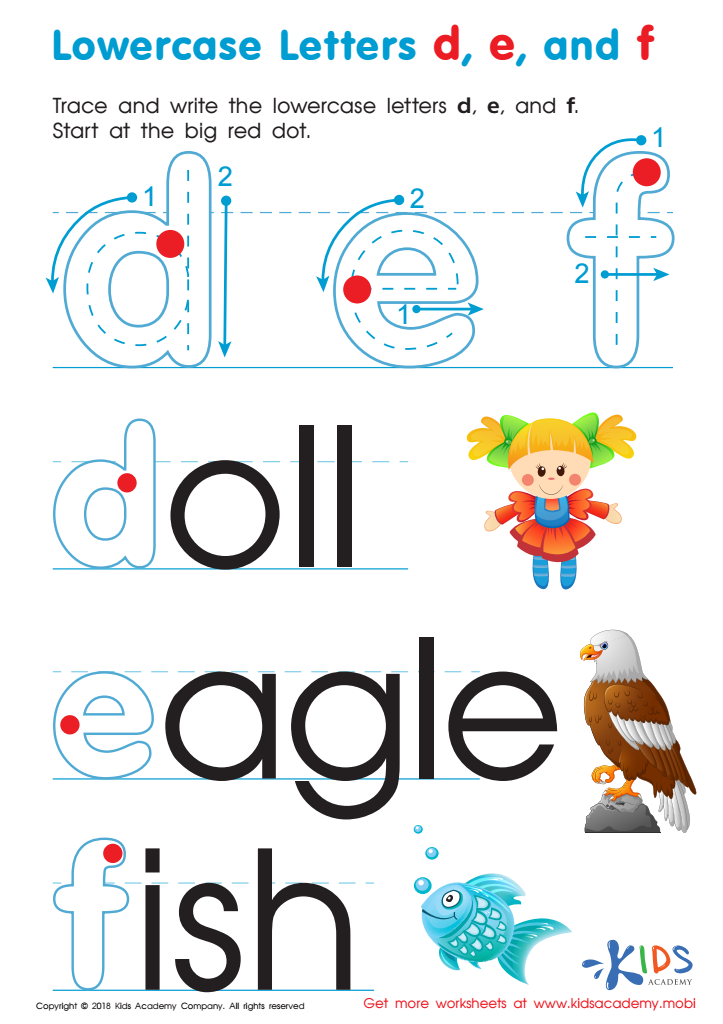
Lowercase Letters d e f Worksheet
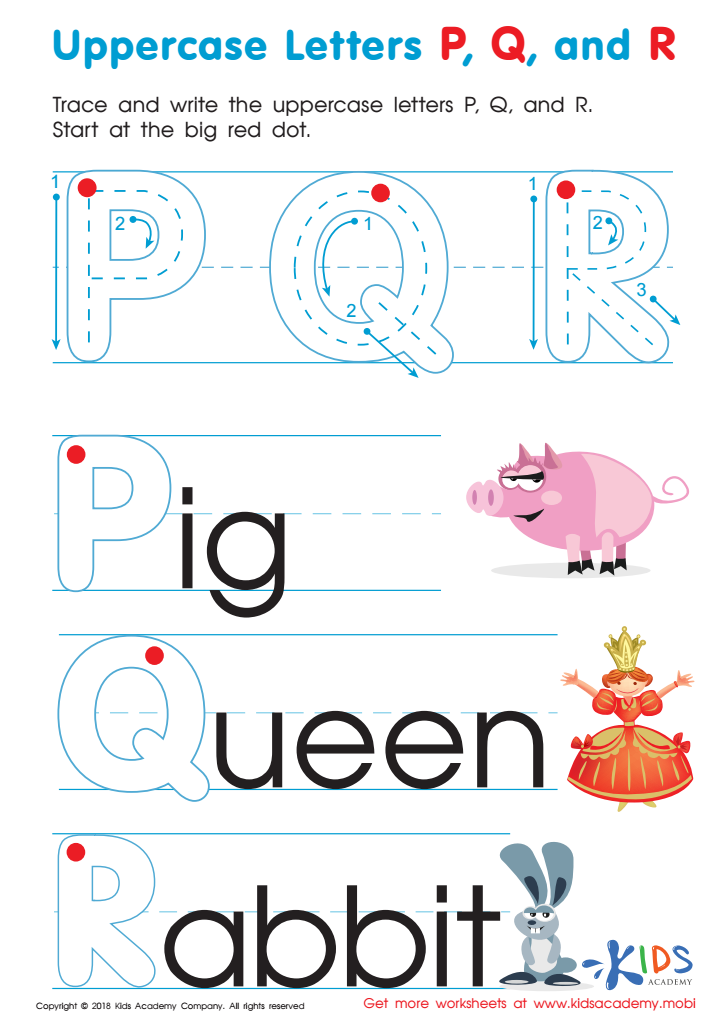
Uppercase Letters P, Q, and R Worksheet
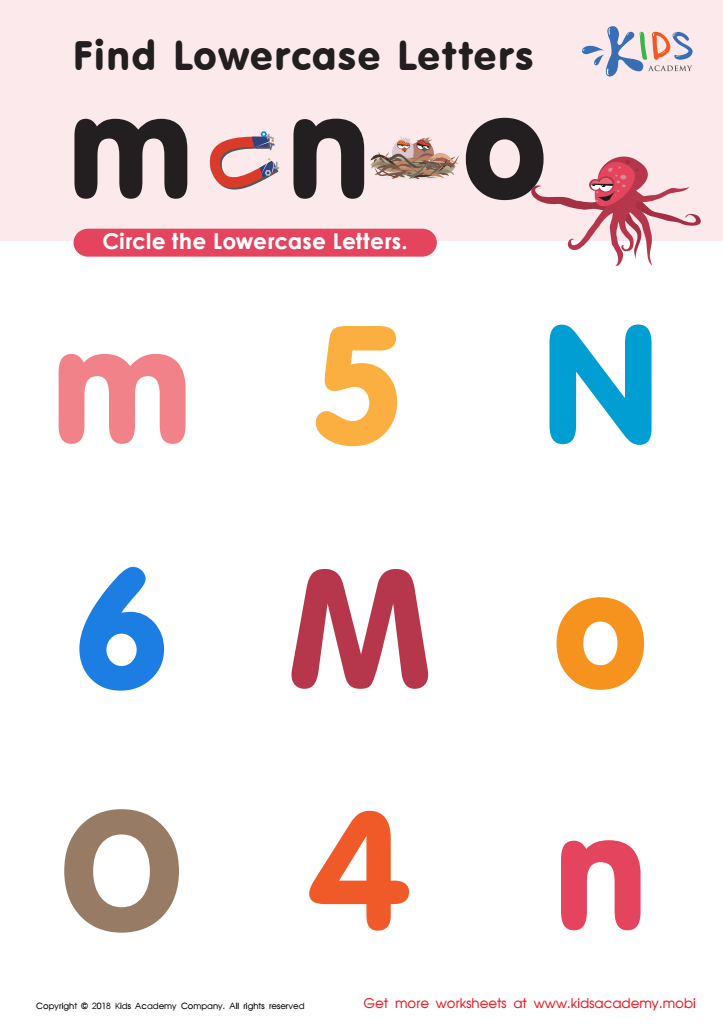
Find Lowercase Letters m n o Worksheet
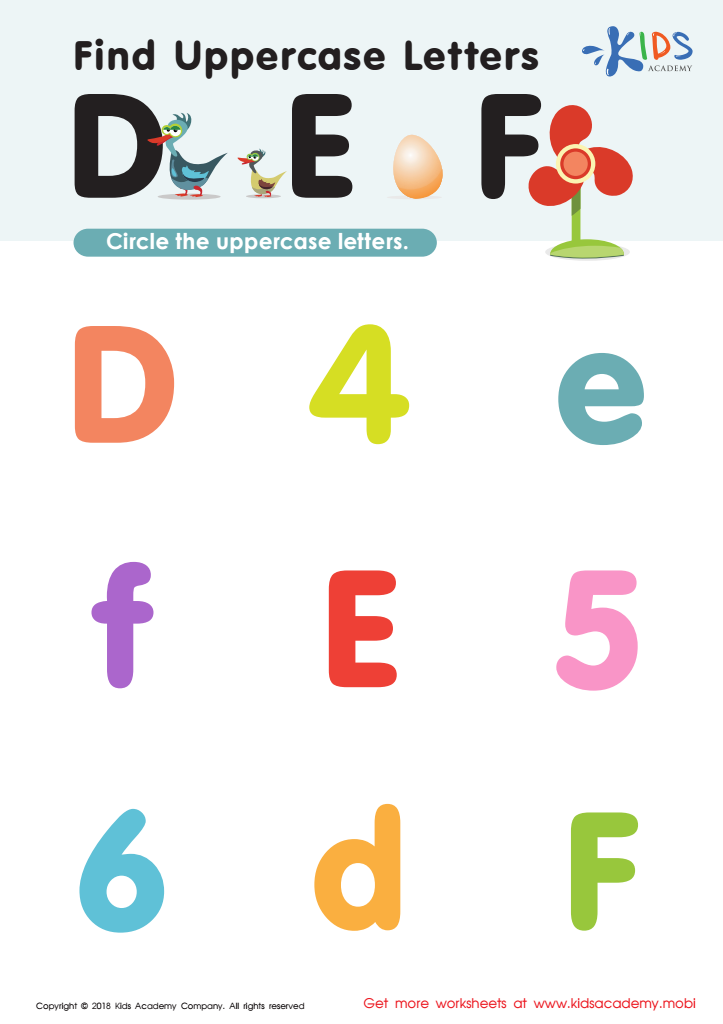
Find Uppercase Letters D, E, and F Worksheet
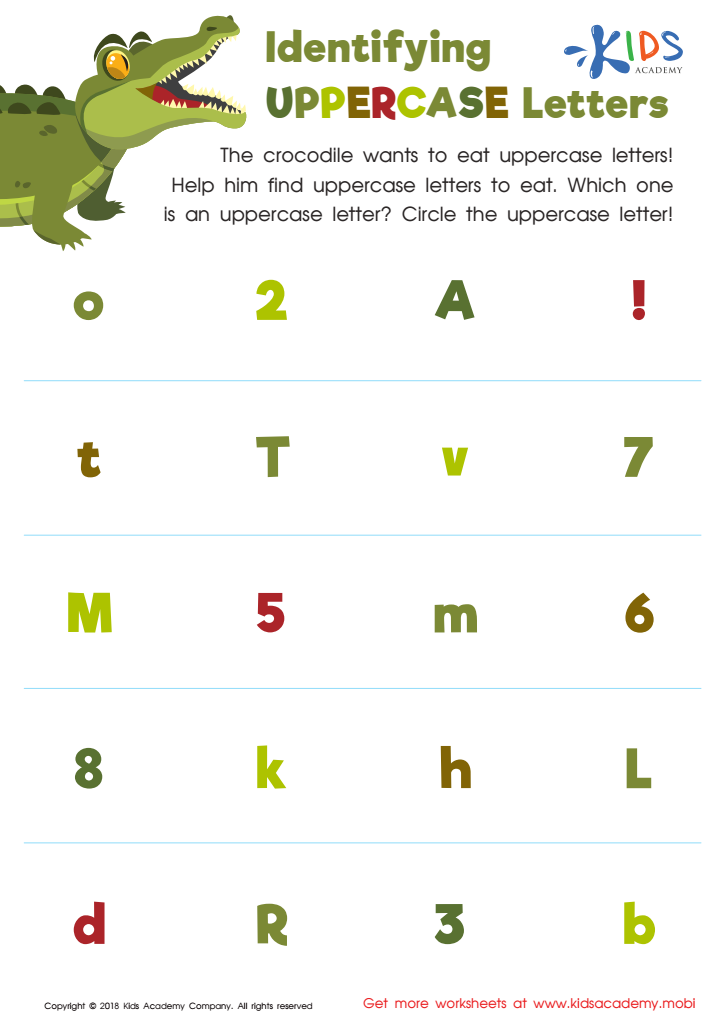
Identifying Uppercase Letters Worksheet
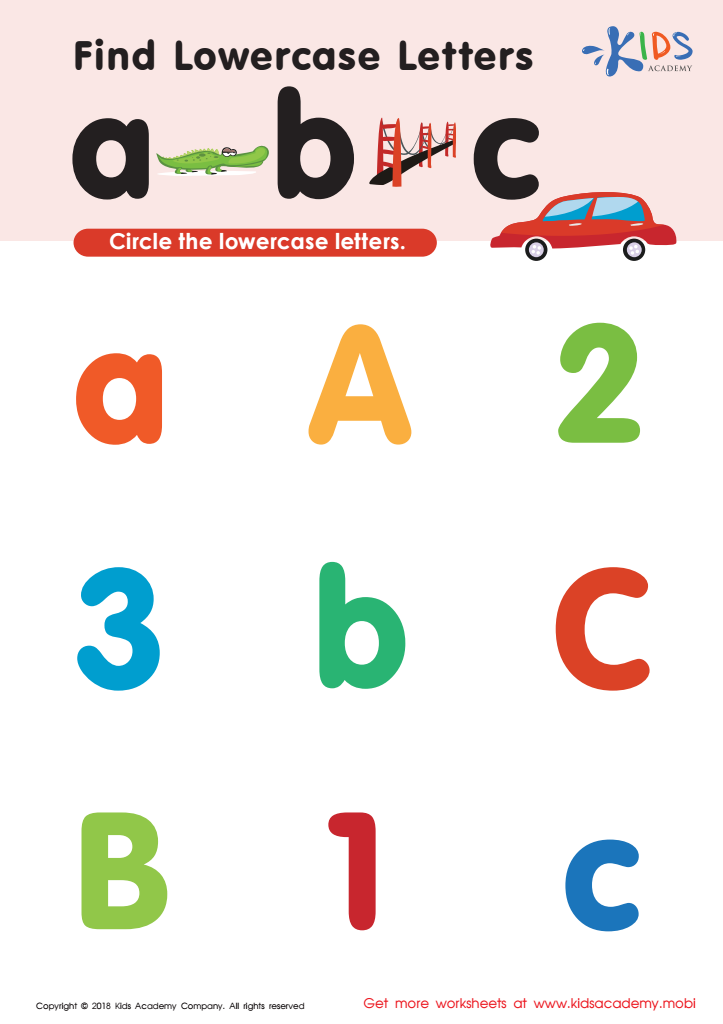
Find lowercase letters a b c Worksheet
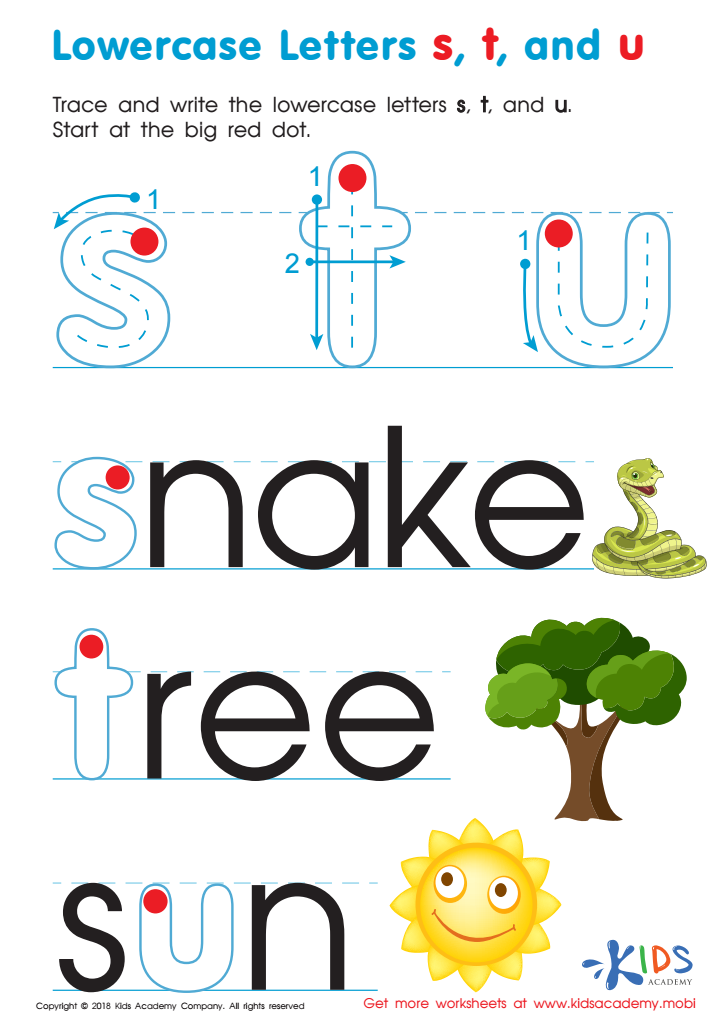
Lowercase Letters s t u Worksheet
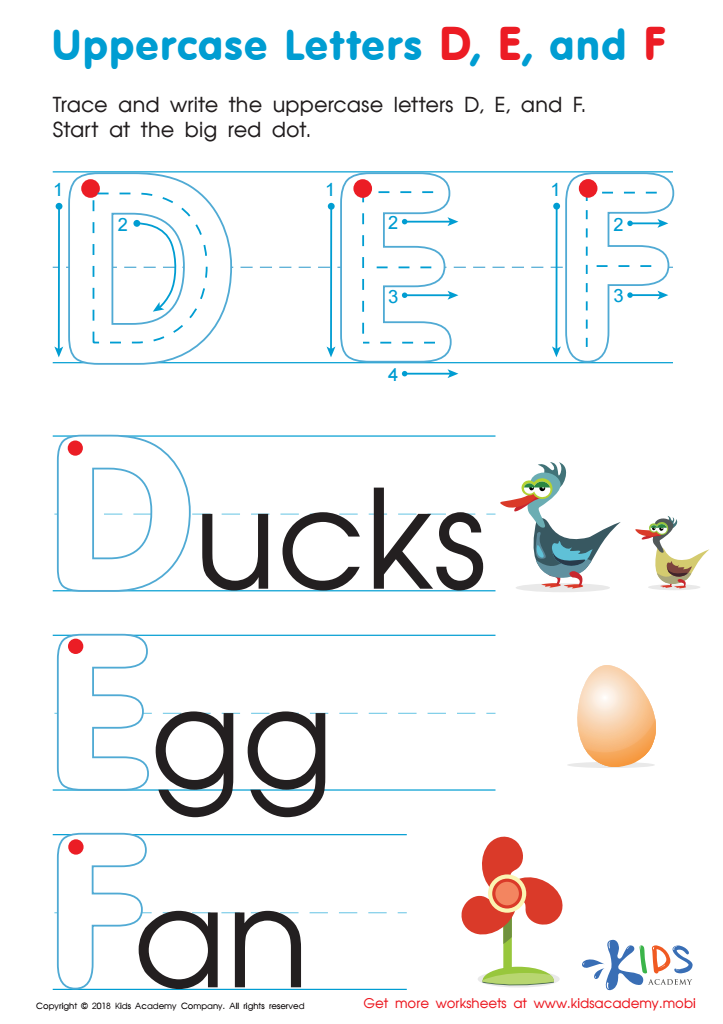
Uppercase Letters D, E, and F Worksheet
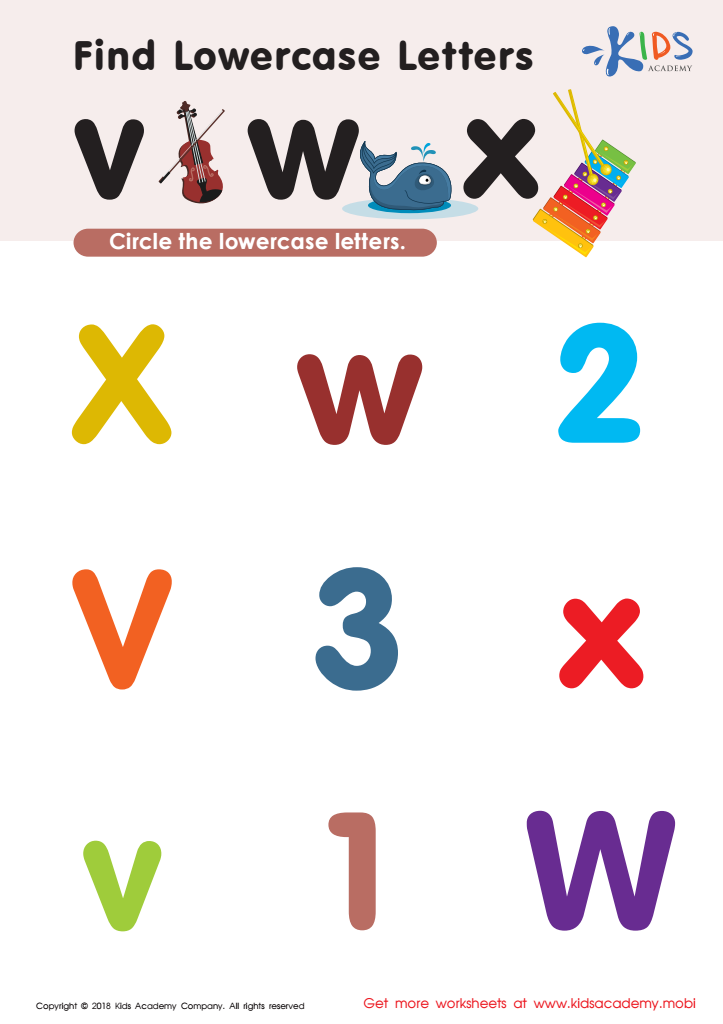
Find Lowercase Letters v w x Worksheet
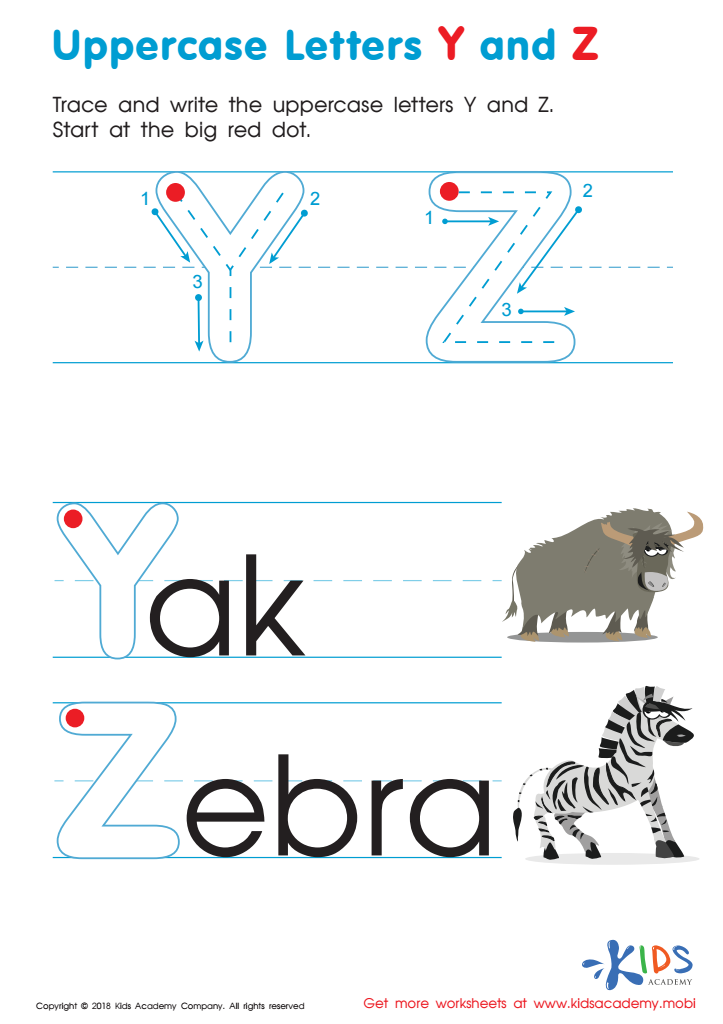
Uppercase Letters Y Z Worksheet
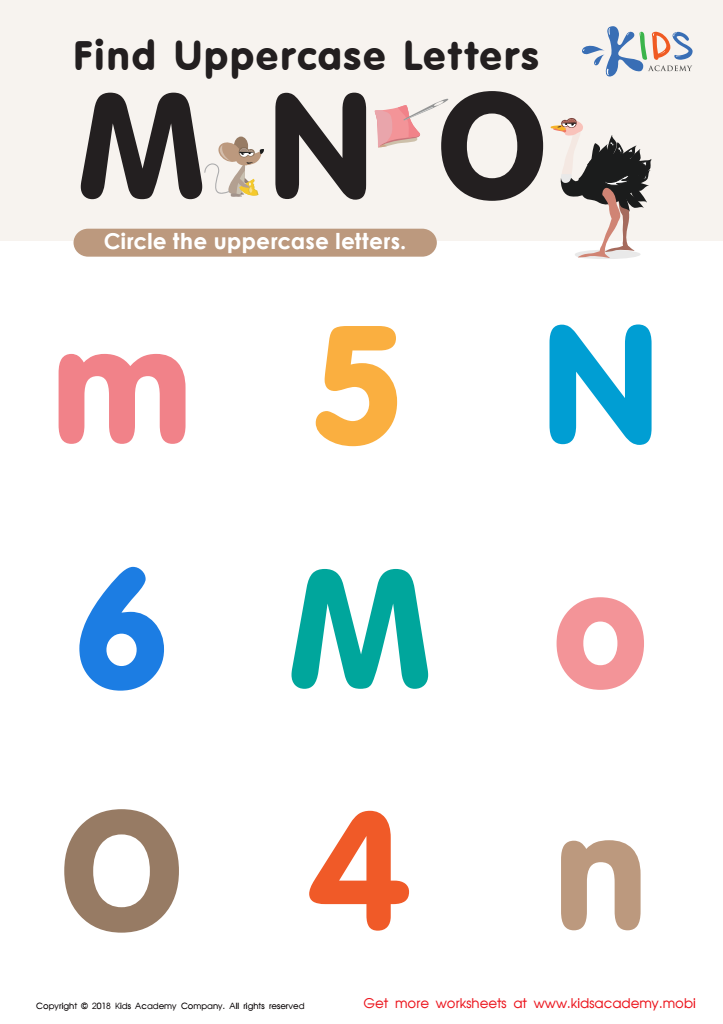
Find Uppercase Letters M, N, and O Worksheet
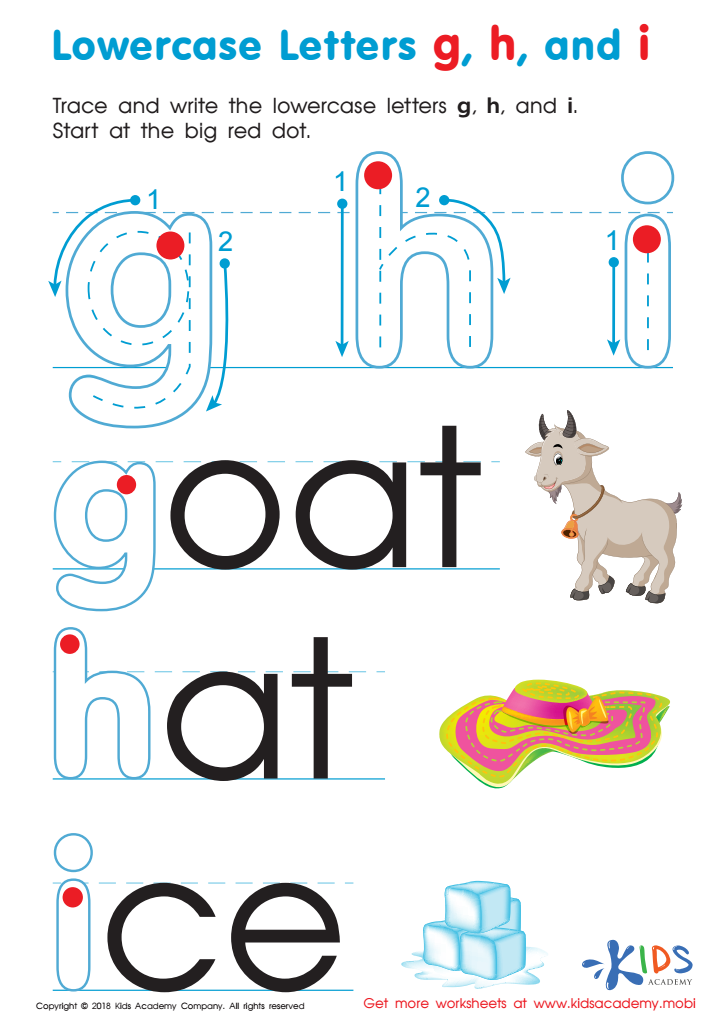
Lowercase Letters g h i Worksheet
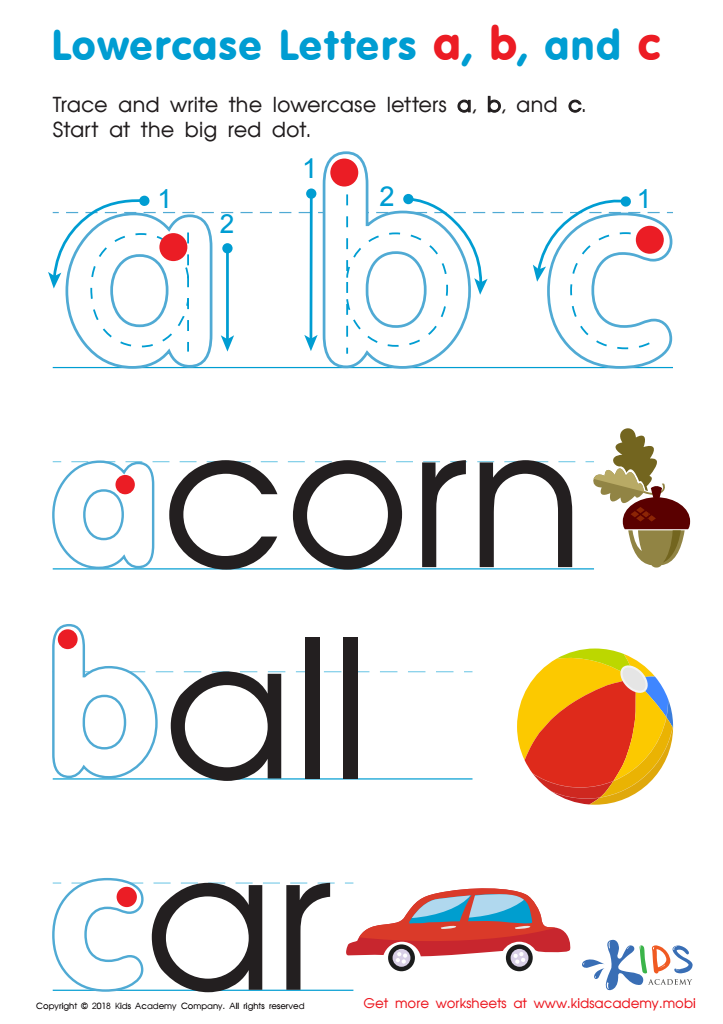
Lowercase Letters a b c Worksheet
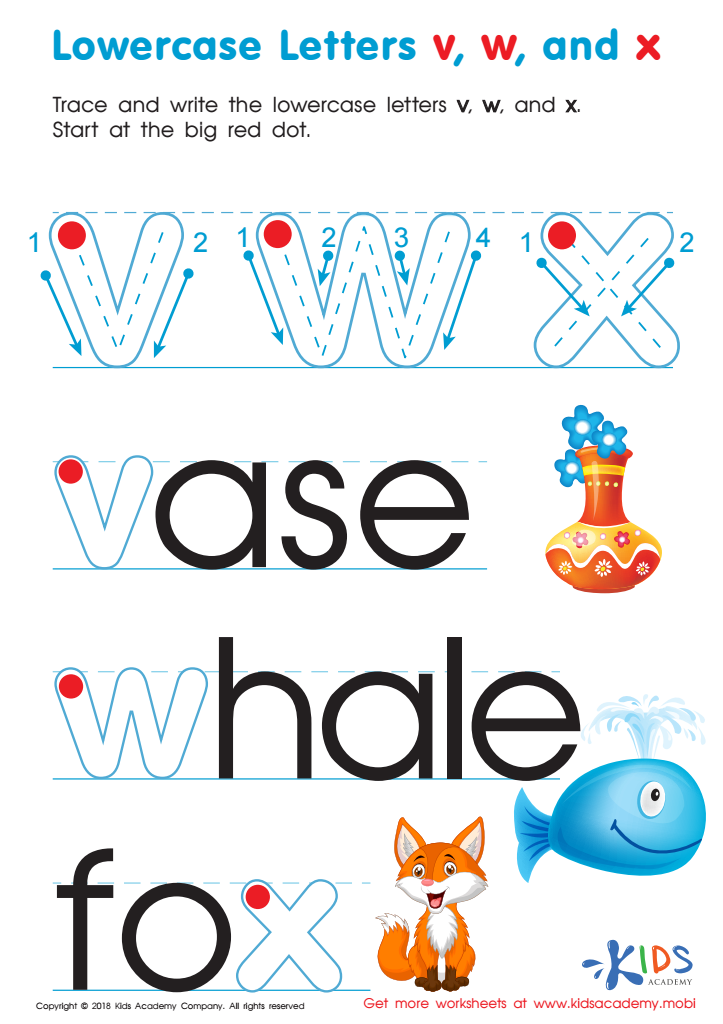
Lowercase Letters v w x Worksheet

Uppercase Letters V, W, and X Worksheet






Understanding normal uppercase and lowercase letters is crucial for children aged 6 to 9 because it forms the foundation of their literacy skills. At this age, children transition from learning to read to reading to learn, making letter recognition and writing essential for academic success. Familiarity with uppercase letters is vital for understanding the beginning of sentences and proper nouns, while lowercase letters foster fluency and help children to read more swiftly and comfortably.
Moreover, mastering letter distinctions facilitates better spelling and vocabulary development. For young learners, recognizing patterns in uppercase and lowercase letters aids memory retention and promotes independent reading and writing.
Additionally, consistent practice in forming and using these letters allows children to develop fine motor skills crucial for writing. It encourages confidence in expressing their thoughts through written language, an essential skill that impacts communication, creativity, and overall academic achievement.
Parents and teachers play a significant role in guiding this process. By emphasizing the importance of letter recognition, they help children develop a strong foundation in reading and writing, which is vital for lifelong learning. Engaging children with interactive activities involving letters can make learning enjoyable and motivate them to succeed.







