Normal Reading Fiction Worksheets for Ages 6-9 - Page 5
99 filtered results
-
From - To
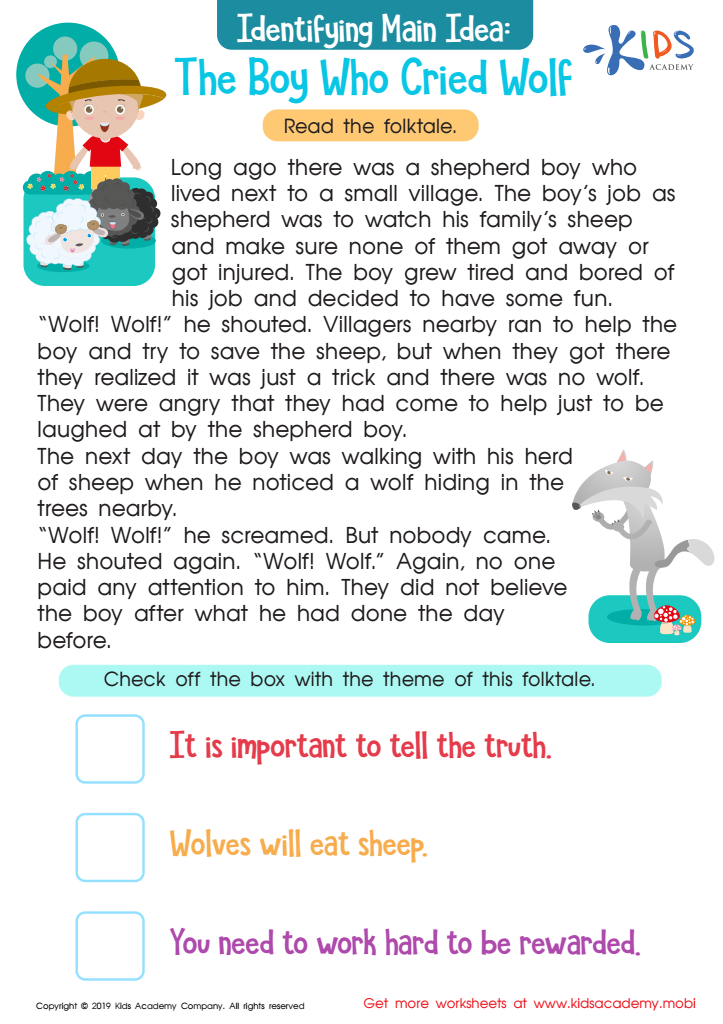
The Boy Who Cried Wolf Part 2 Worksheet
 Assign to My Students
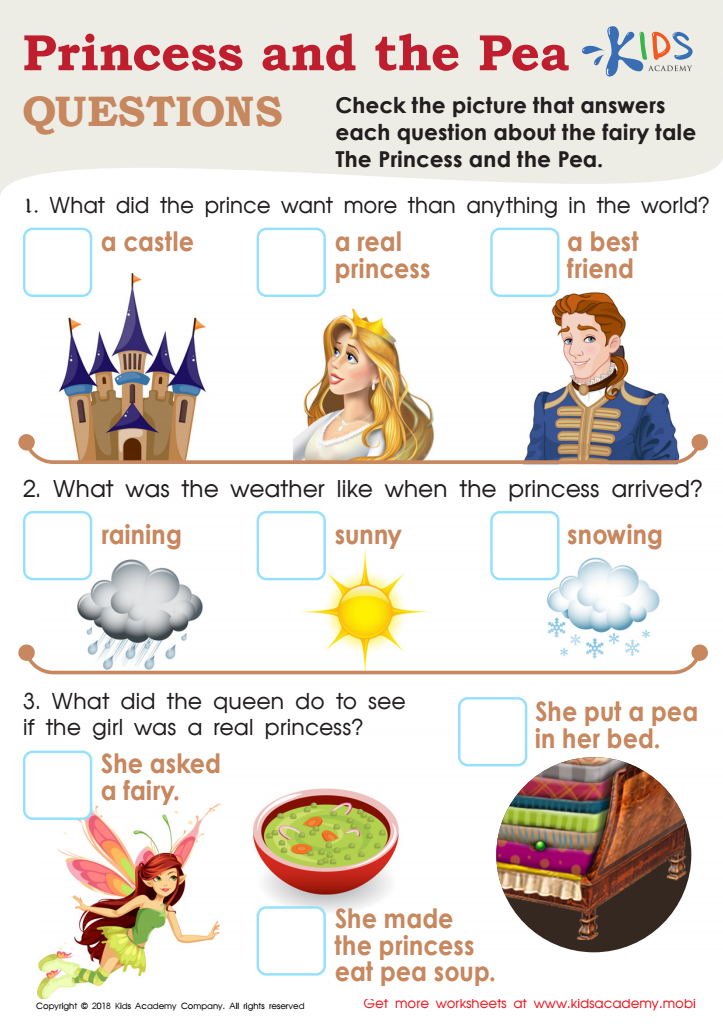
Princess and the Pea Questions Worksheet
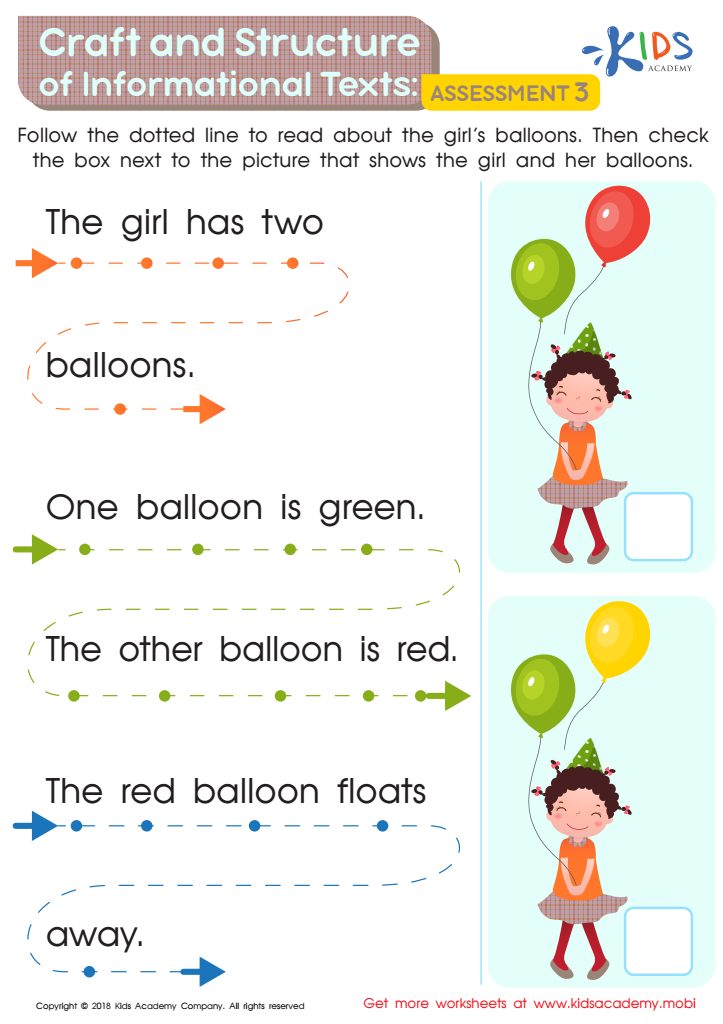
Craft and Structure of Informational Texts: Assessment 3 Worksheet



.jpg)


Normal reading fiction for ages 6-9 plays a crucial role in children's development, offering numerous benefits for both their cognitive and emotional growth. At this stage, children are developing essential reading skills, and exposure to engaging stories fosters a love for reading that can last a lifetime. Fiction nurtures imagination and creativity, enabling children to explore diverse worlds, cultures, and ideas, which broadens their understanding of life and strengthens their empathy.
Moreover, age-appropriate tales often contain valuable life lessons, teaching children about friendship, kindness, resilience, and problem-solving. These narratives can spark discussions between parents, teachers, and children about moral dilemmas and different perspectives, reinforcing critical thinking and comprehension skills. By questioning resolutions and character motivations, children learn to analyze and evaluate situations critically.
Additionally, literature from this age group can also support relational skills, helping children articulate their feelings and navigate social dynamics. When parents and teachers engage in reading together or discussing stories, they create bonds and instill a supportive environment that encourages literary exploration. For these reasons, investing time in age-appropriate fiction is vital for fostering literacy, enhancing emotional intelligence, and preparing youth for future academic challenges and social interactions.







