Normal Reading Non-Fiction Worksheets for Ages 6-9 - Page 3
65 filtered results
-
From - To
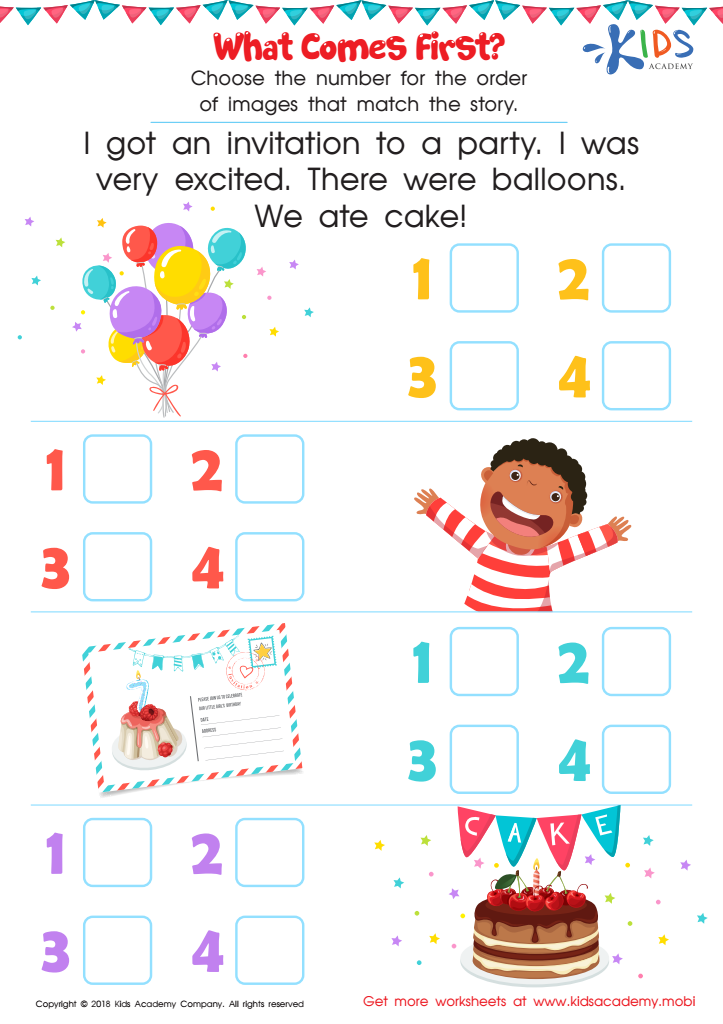
What Comes First Worksheet
 Assign to My Students
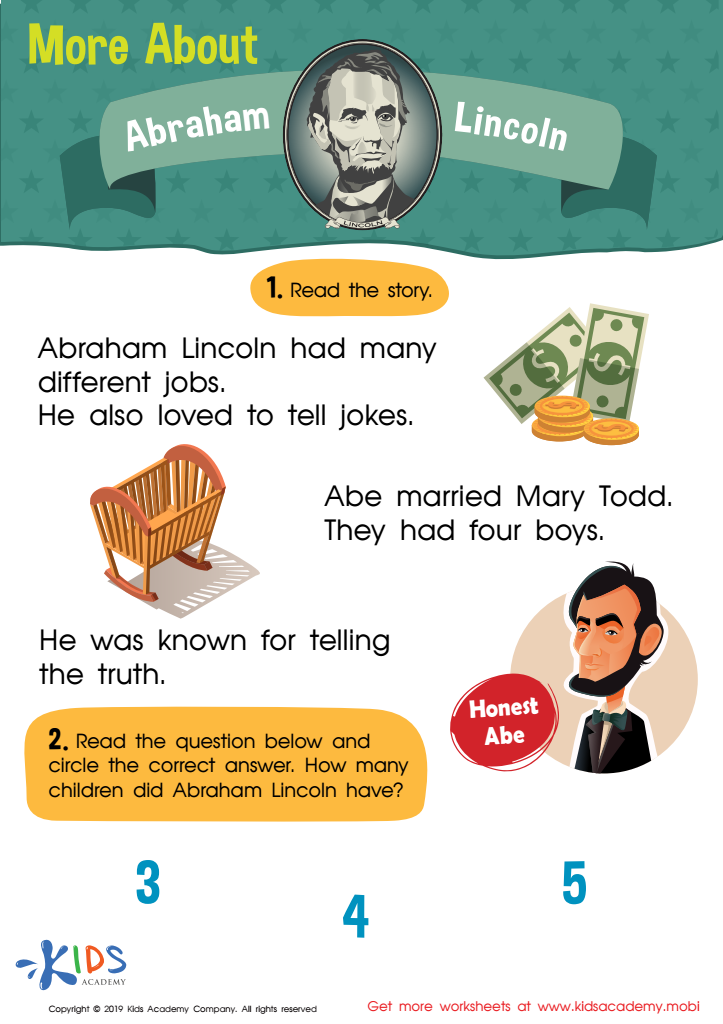
More About Abraham Lincoln Worksheet
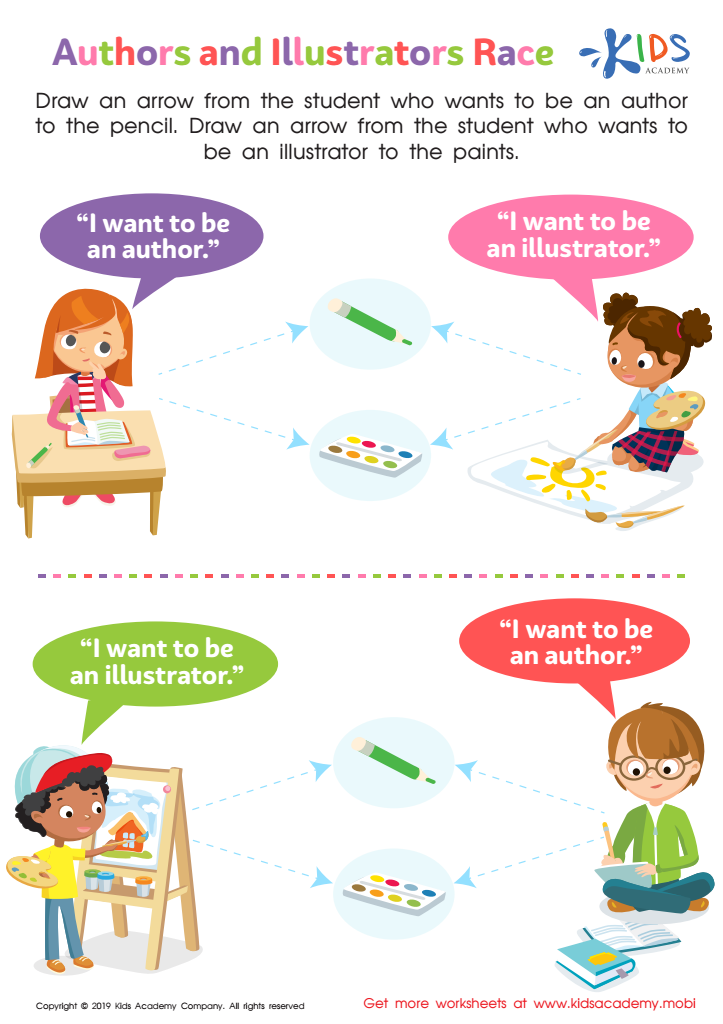
Authors and Illustrators Race Worksheet
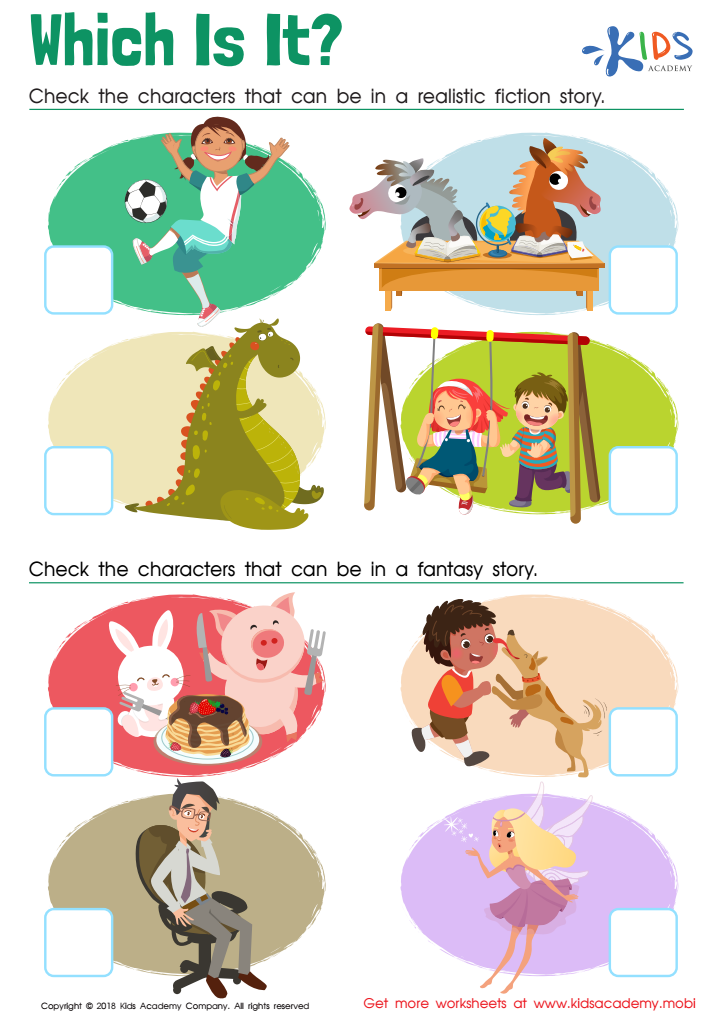
Which Is It? Worksheet
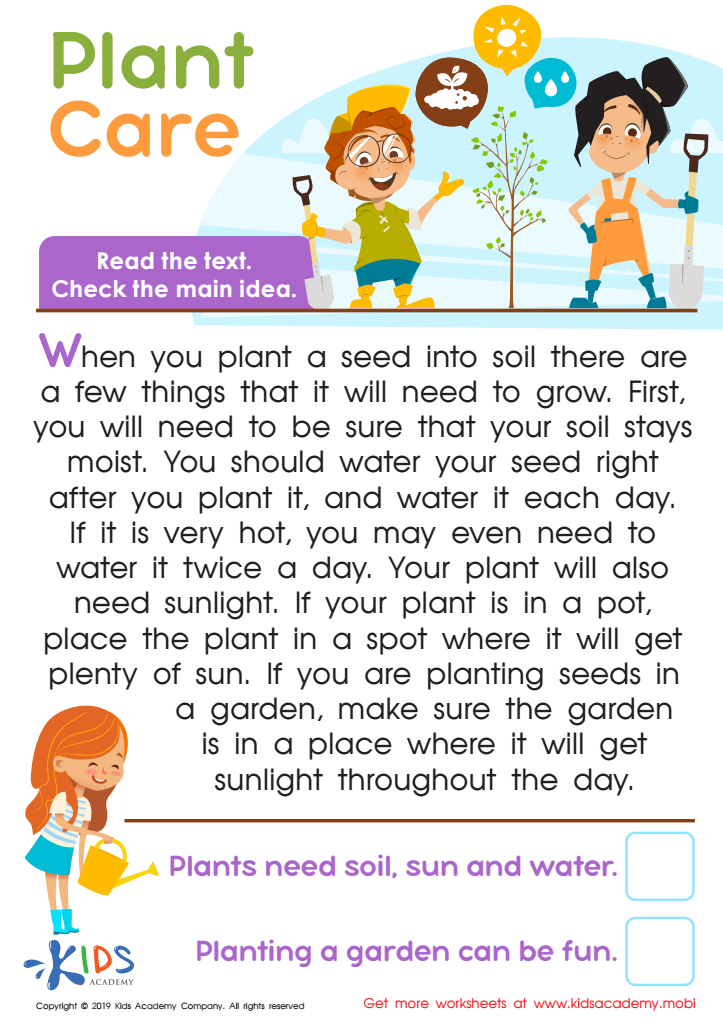
Plant Care Worksheet
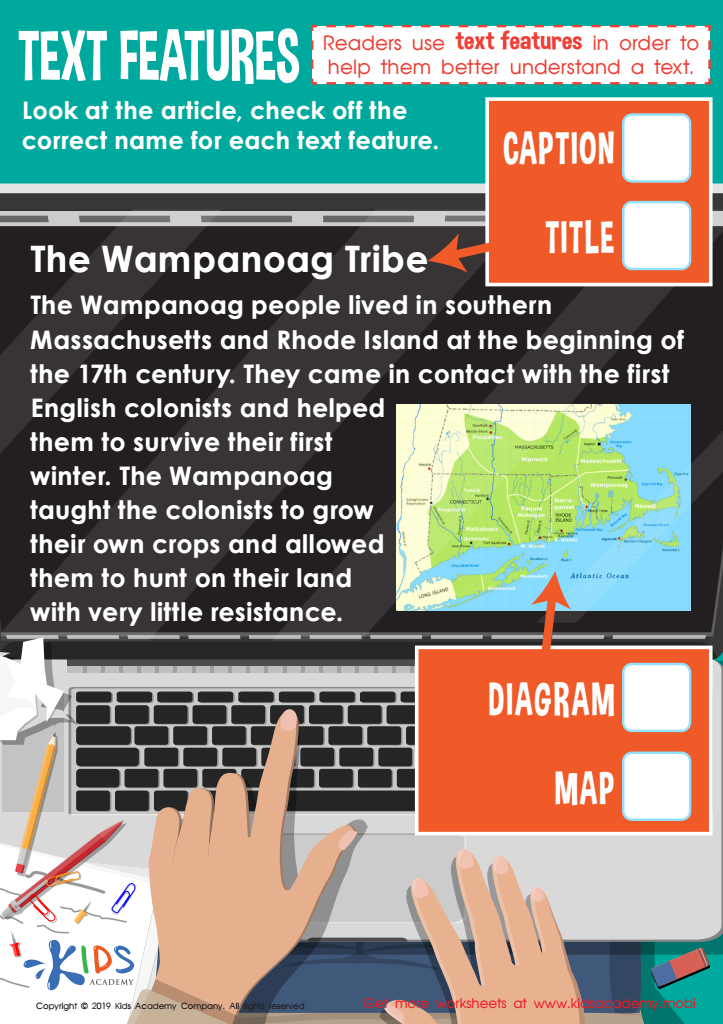
Text Features Worksheet
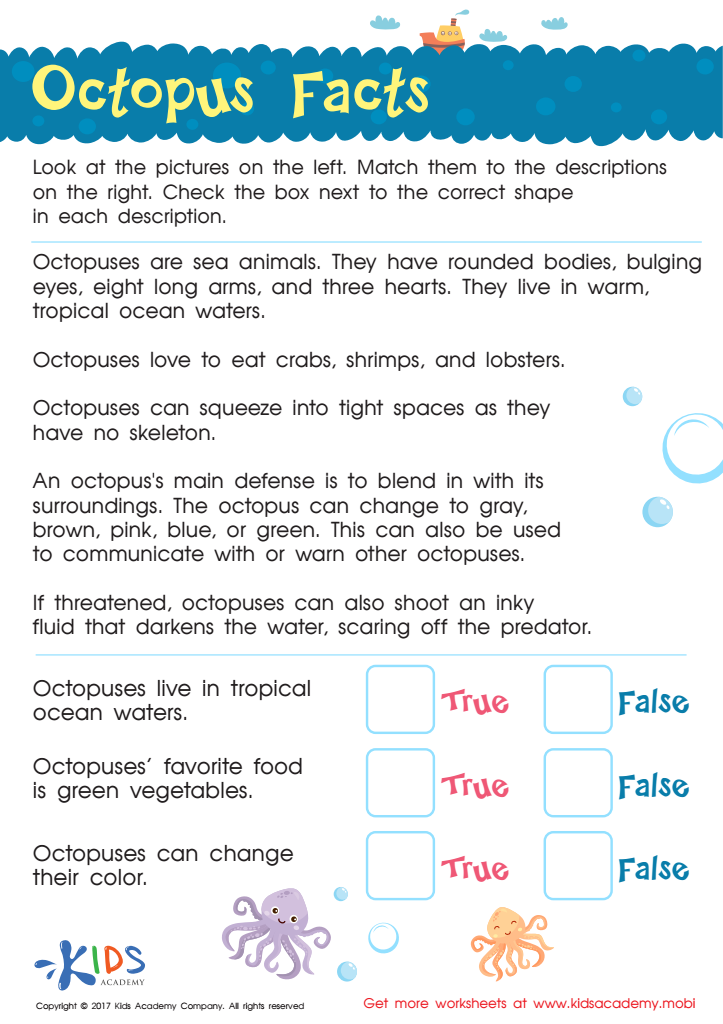
Octopus Facts Worksheet For Kids
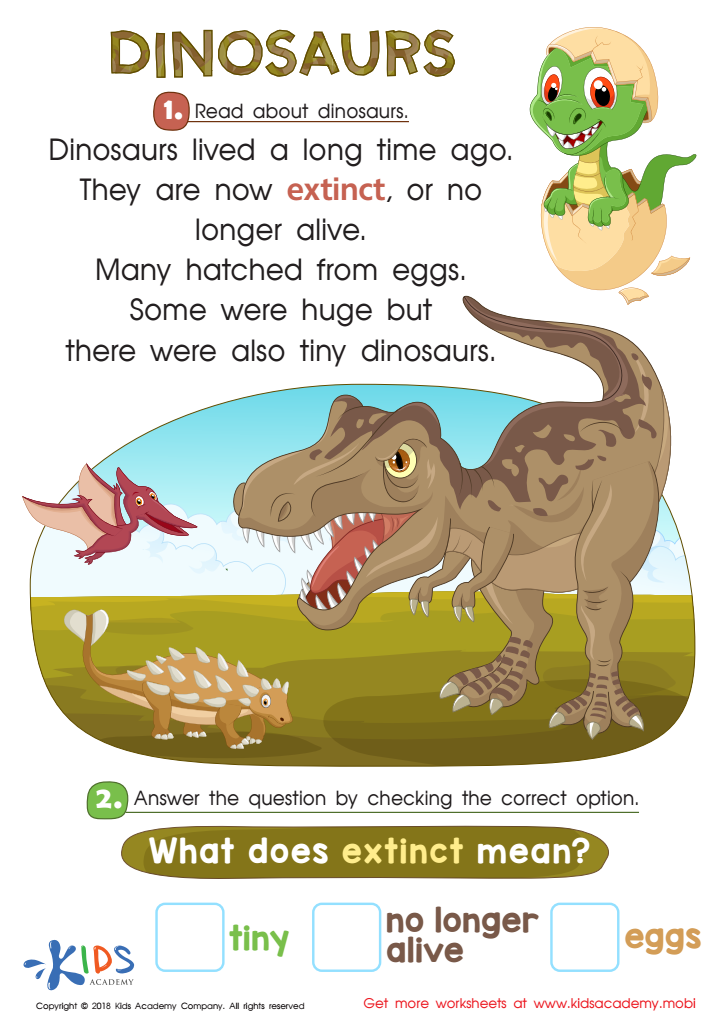
Dinosaurs Worksheet
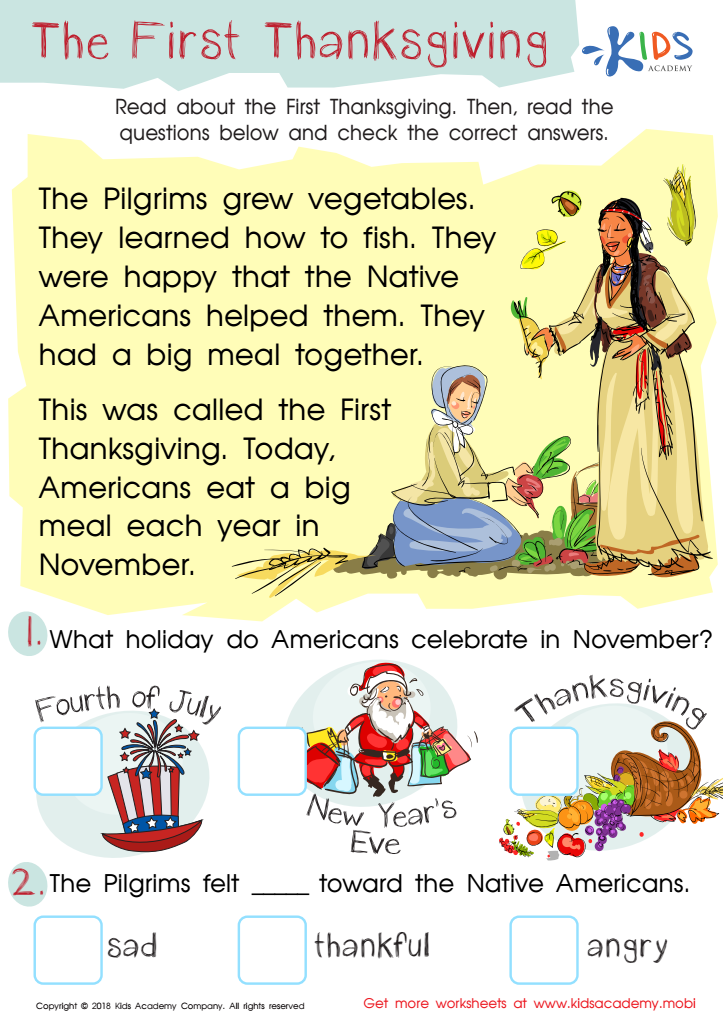
Assessment: First Thanksgiving Worksheet
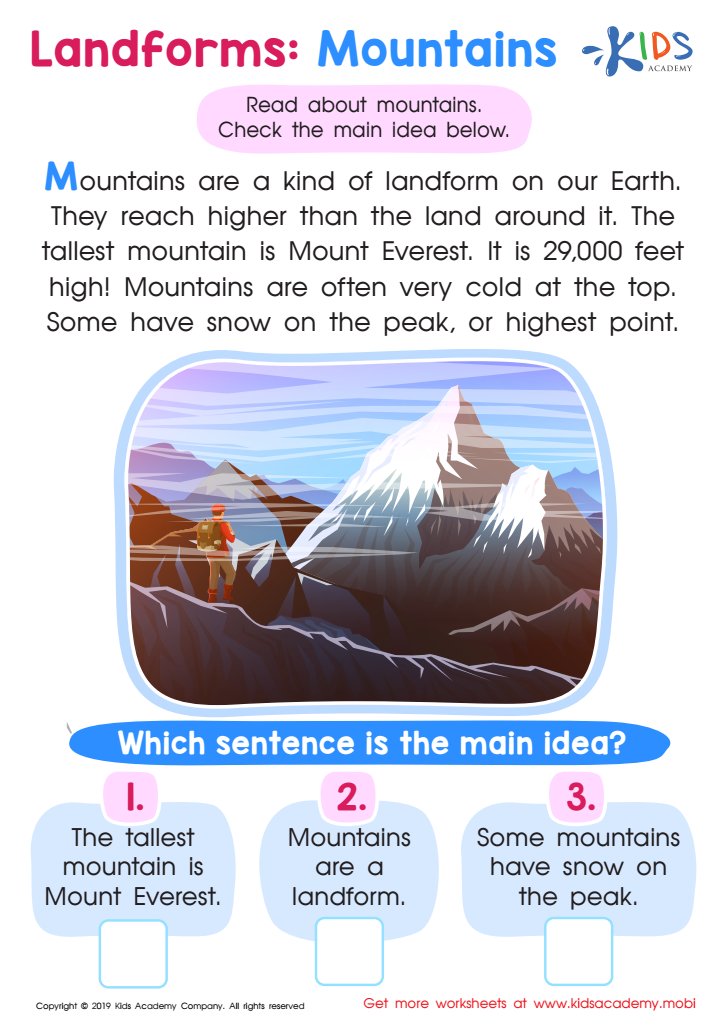
Landforms: Mountains Worksheet
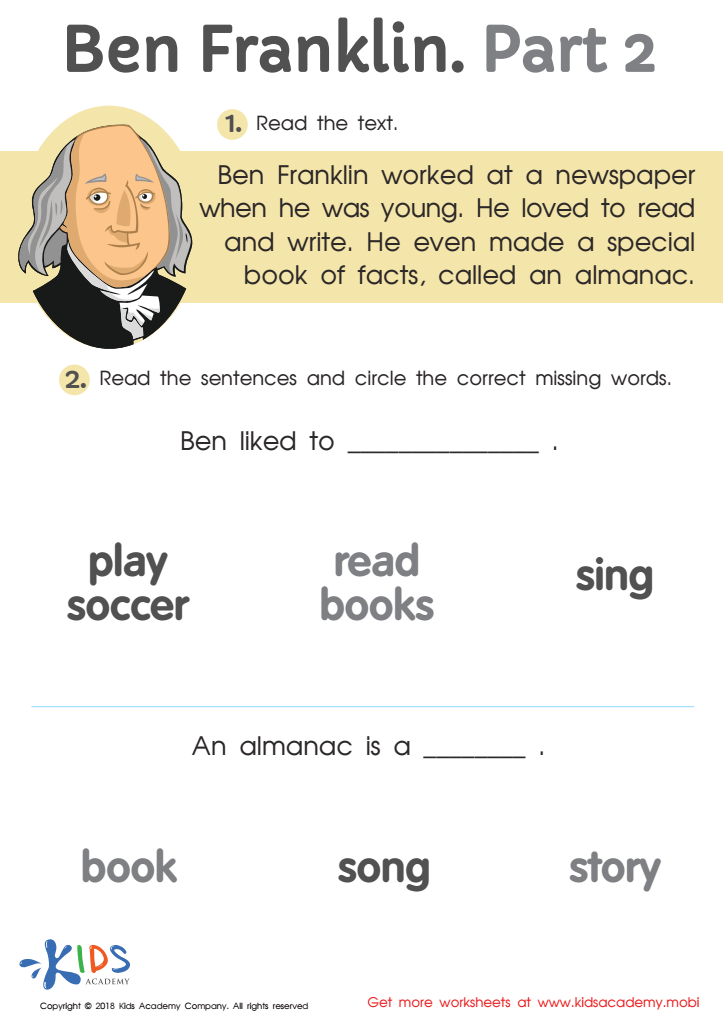
Ben Franklin Part 2 Worksheet
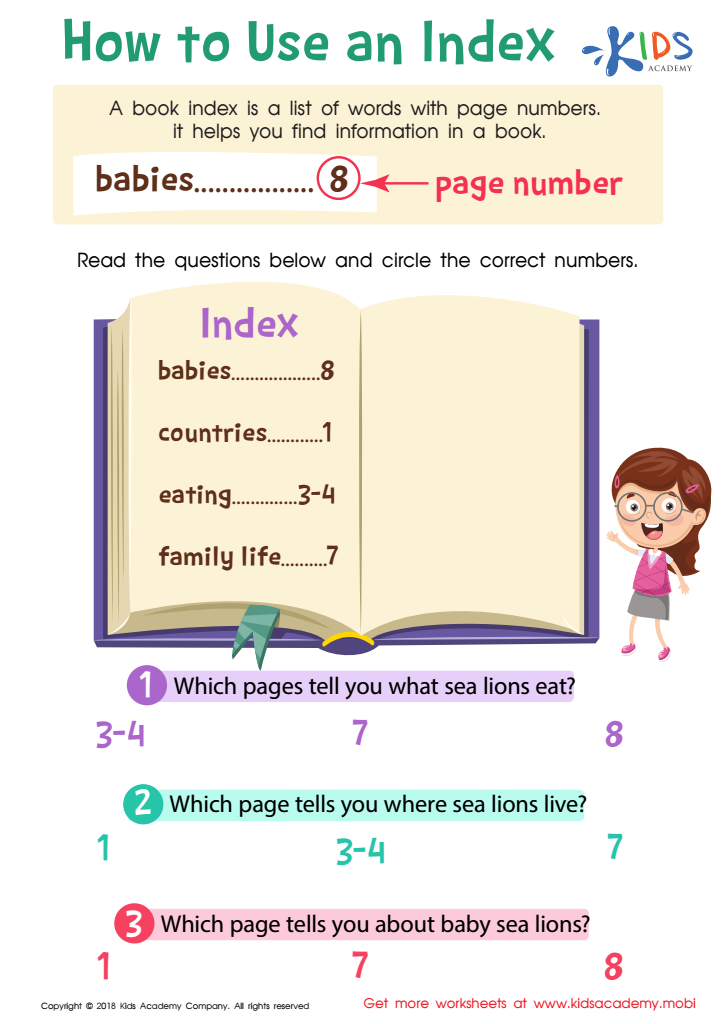
How Use Index Worksheet
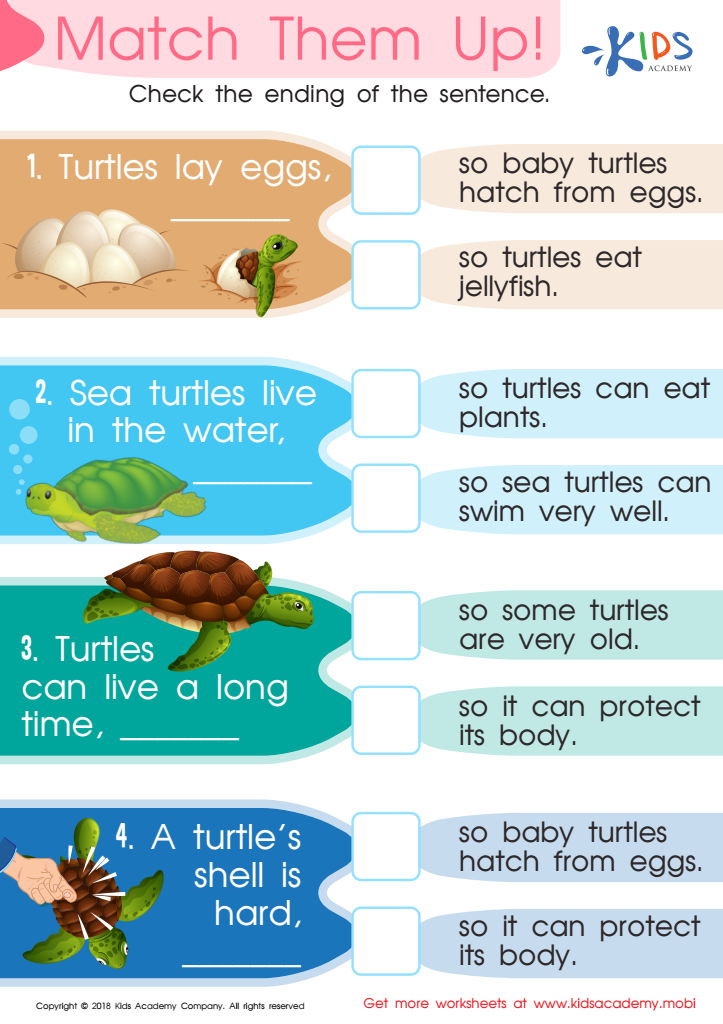
Match Them Up Worksheet
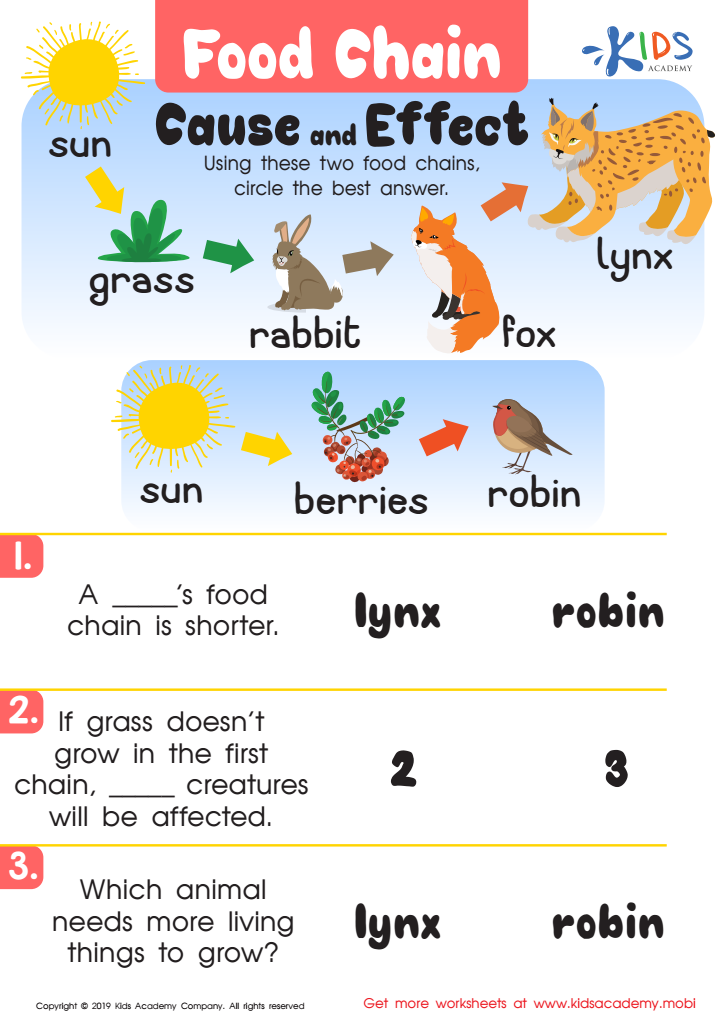
Food Chain Cause Worksheet
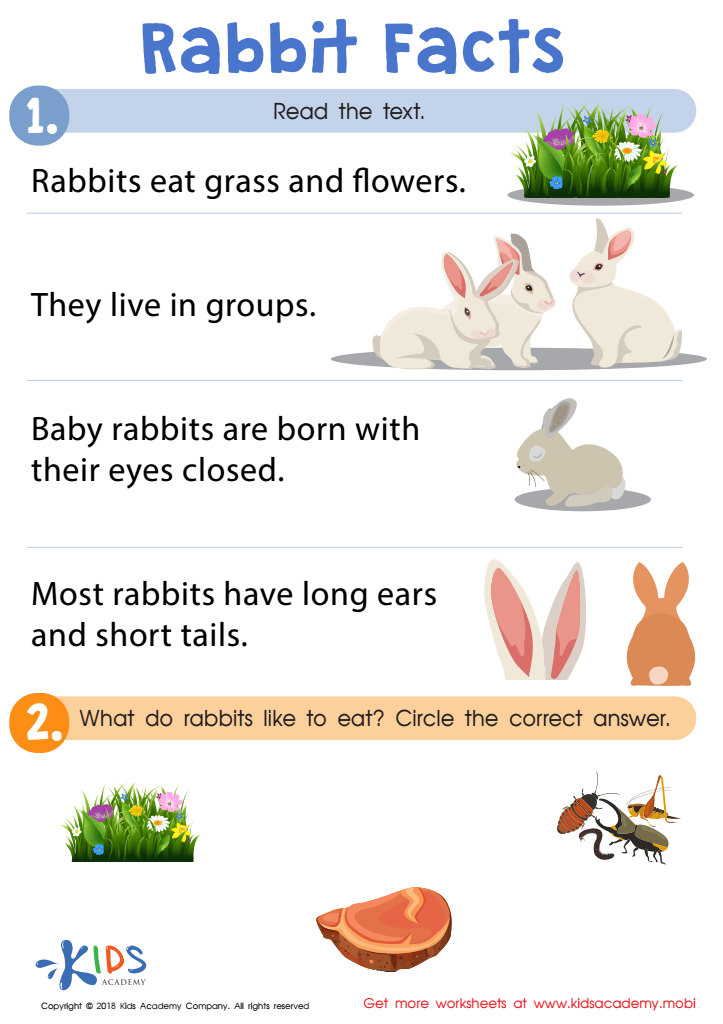
Rabbit Facts Worksheet
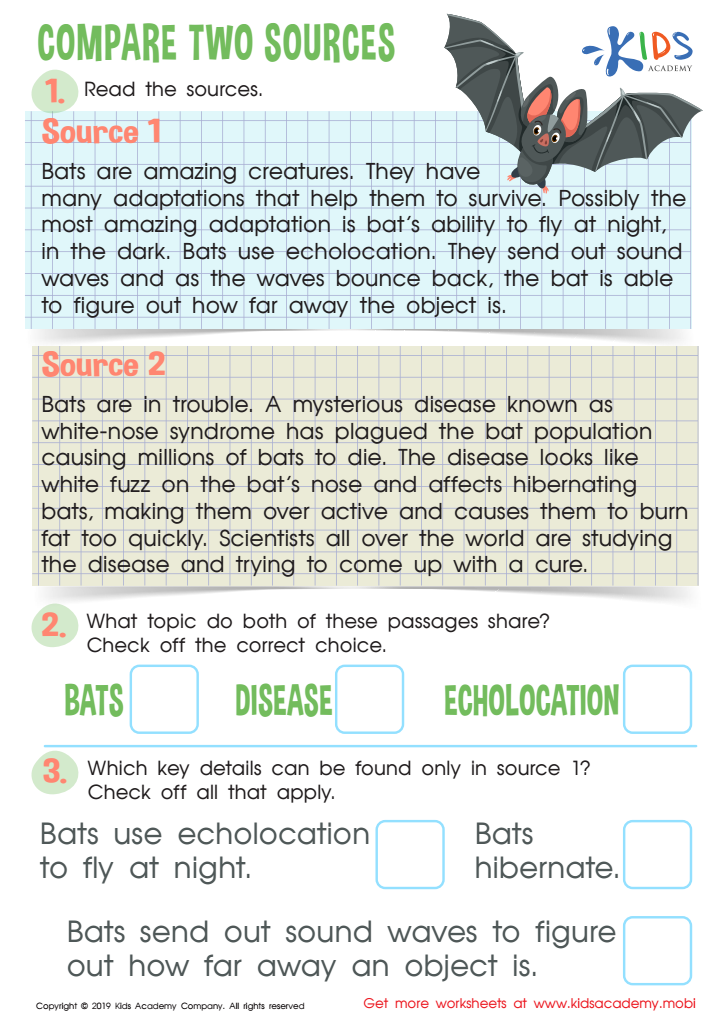
Compare Two Sources Worksheet
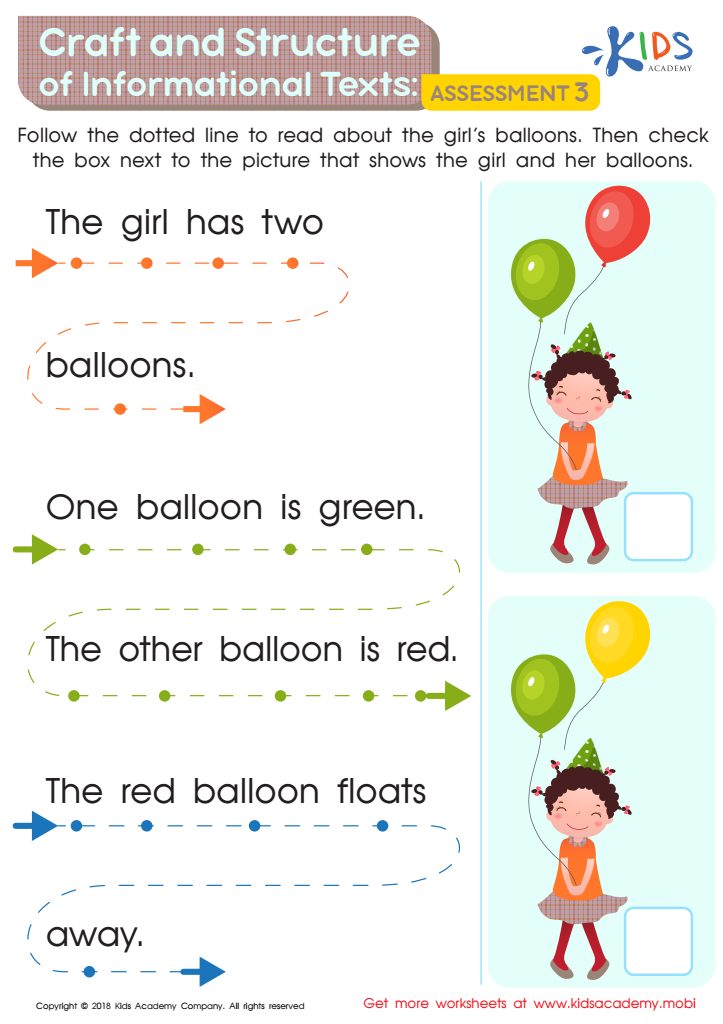
Craft and Structure of Informational Texts: Assessment 3 Worksheet








Parents and teachers should care about normal reading non-fiction for ages 6-9 because it plays a crucial role in the development of critical thinking, comprehension skills, and a love for learning. Non-fiction texts expose children to real-world information and factual content about various subjects like science, history, and culture, which broadens their knowledge and understanding beyond their immediate experiences.
Reading non-fiction helps children develop a range of skills necessary for academic success. They learn to identify main ideas, understand and remember facts, and discern the structure of informational text. These skills are foundational for more advanced learning and are often tested in school assessments.
Moreover, non-fiction reading stimulates curiosity in young minds. It encourages them to ask questions and seek answers, fostering a lifelong love for learning and discovery. By engaging with non-fiction, children learn to connect new information with what they already know, creating a deeper and more integrated understanding of the world.
Incorporating non-fiction reading into daily activities can also enhance vocabulary and language skills, as these texts include subject-specific terminology that isn't always present in fiction. Overall, normal reading non-fiction for ages 6-9 is essential for cognitive development, academic achievement, and nurturing an informed, inquisitive mindset in children.