Normal Governance and Civics Worksheets for Ages 6-9 - Page 2
41 filtered results
-
From - To
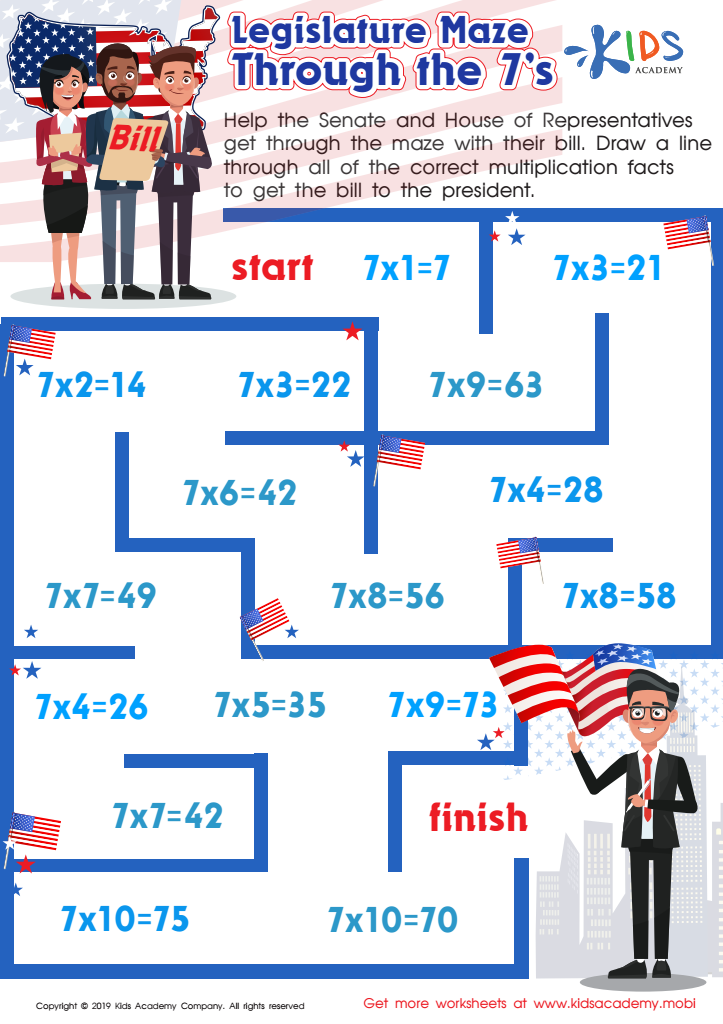
Legislature Maze Through the 7’s Worksheet
 Assign to My Students
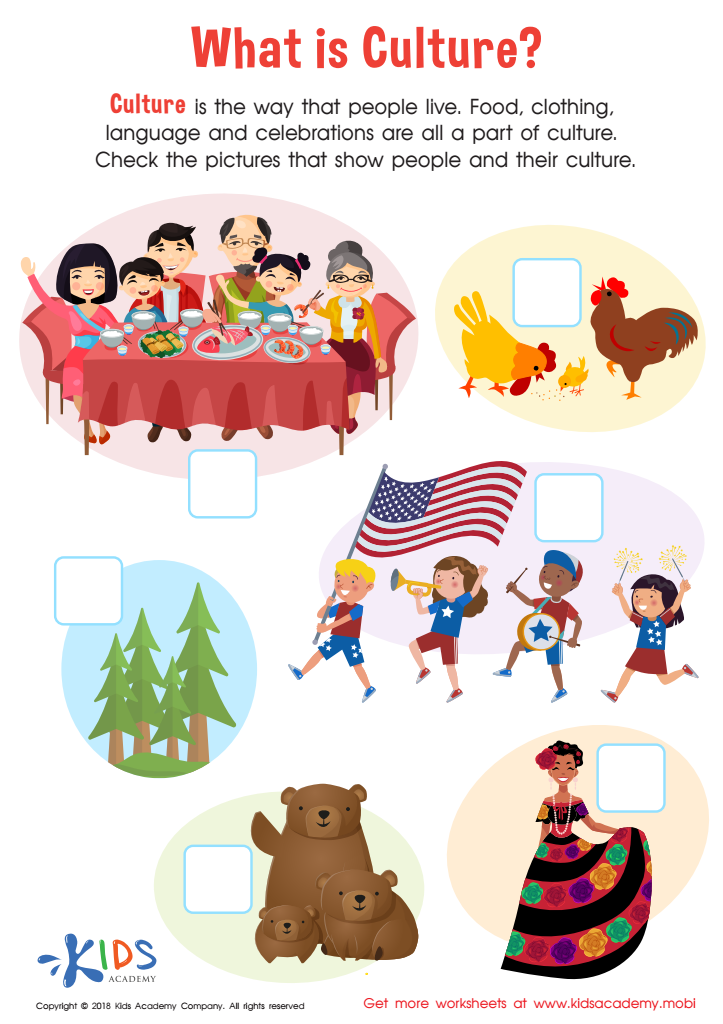
What Is Culture? Worksheet
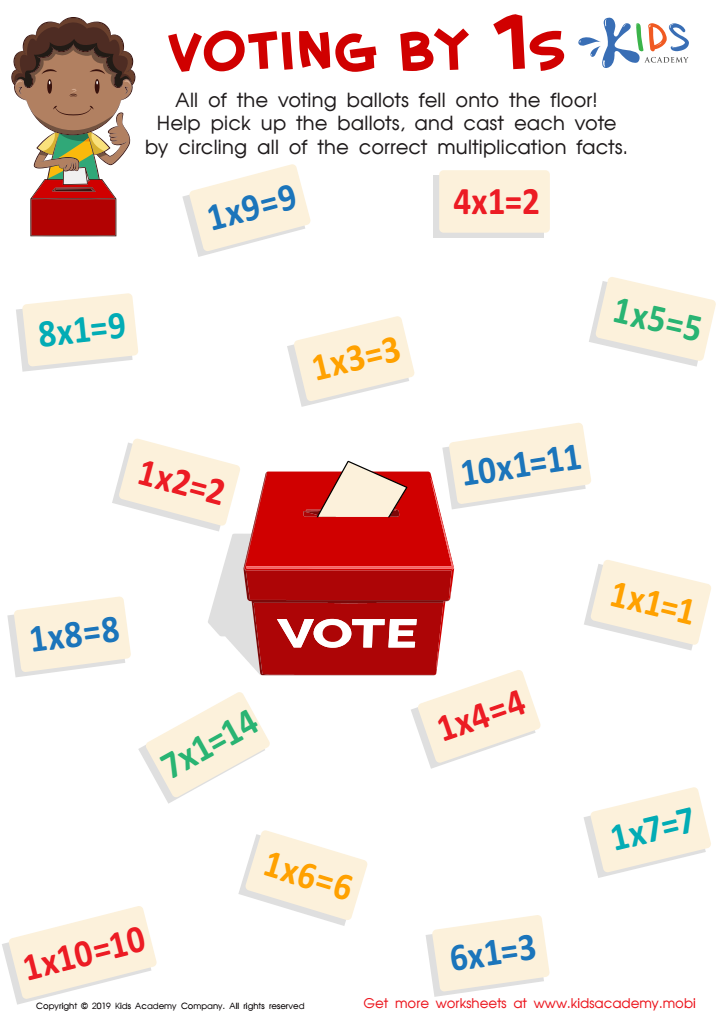
Voting by 1s Worksheet
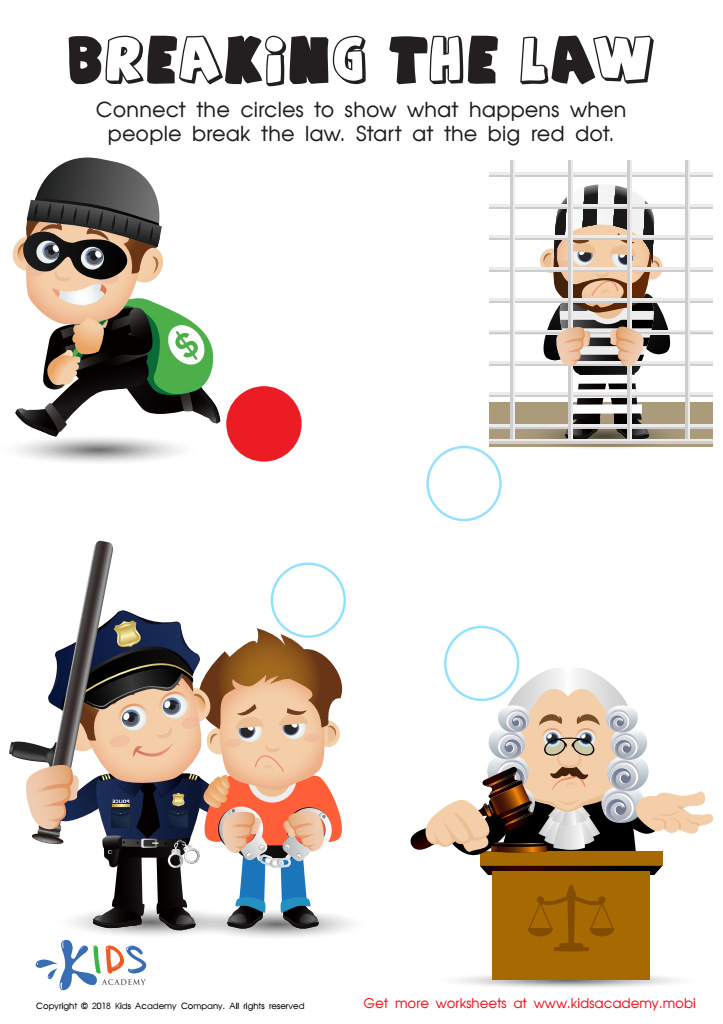
Breaking the Law Worksheet
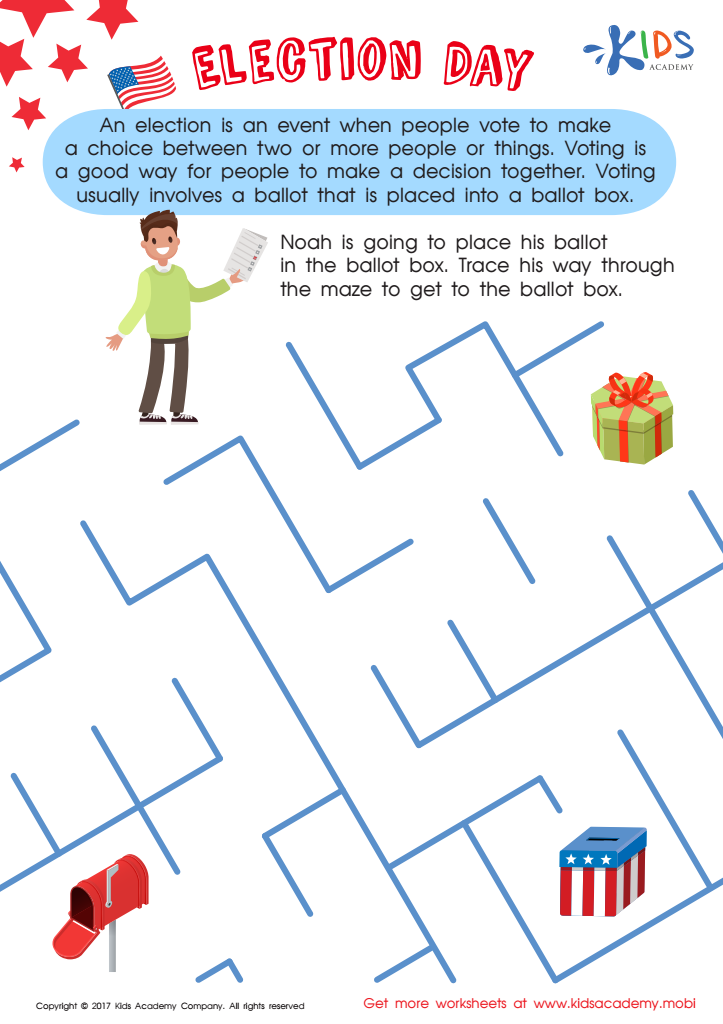
Election Day Worksheet
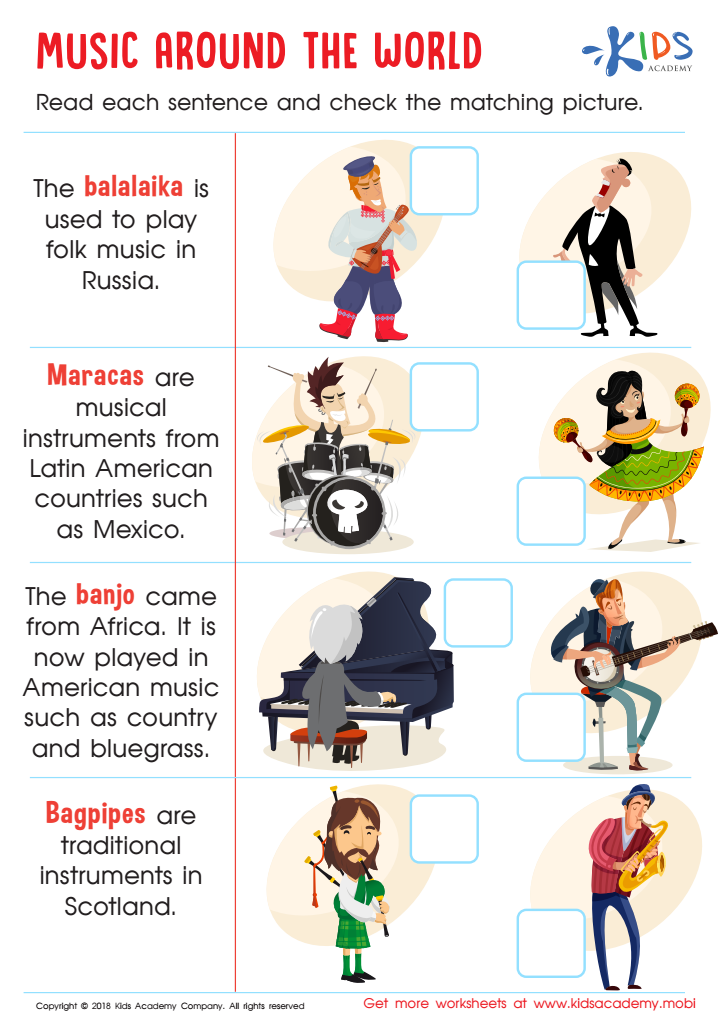
Music Around the World Worksheet
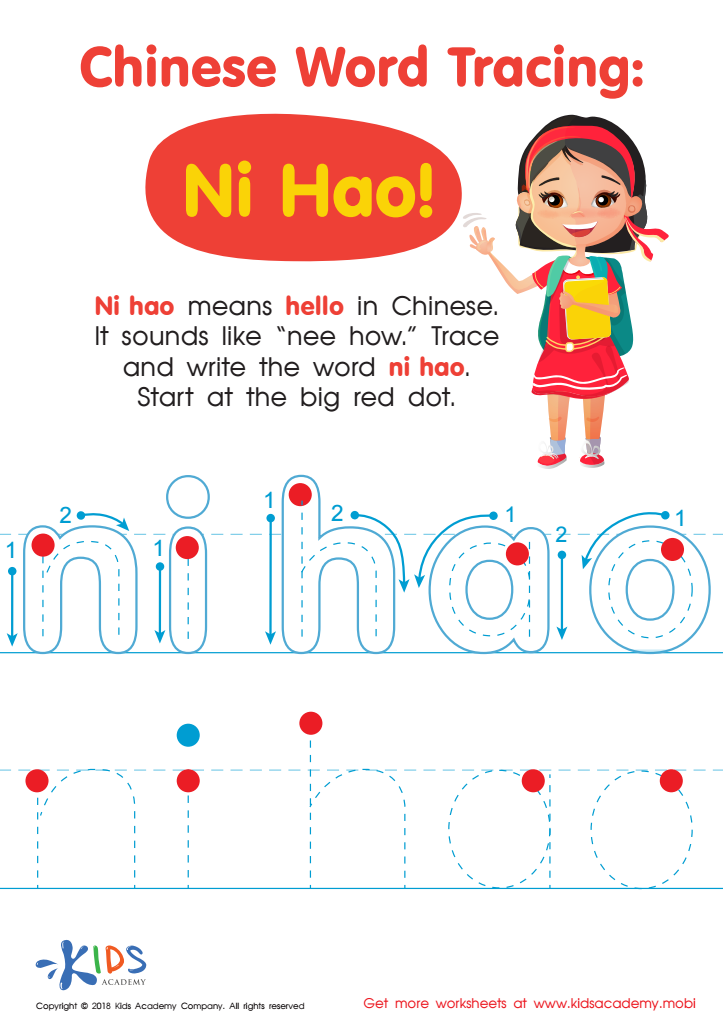
Chinese Word Tracing: Ni Hao Worksheet
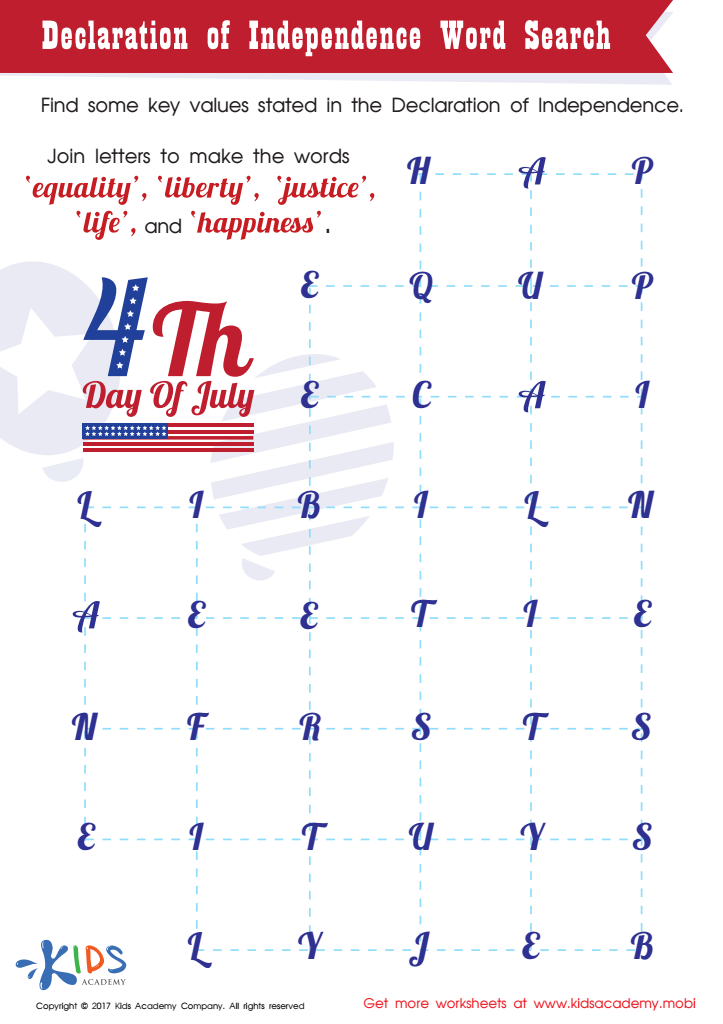
Declaration of Independence Word Search Printable
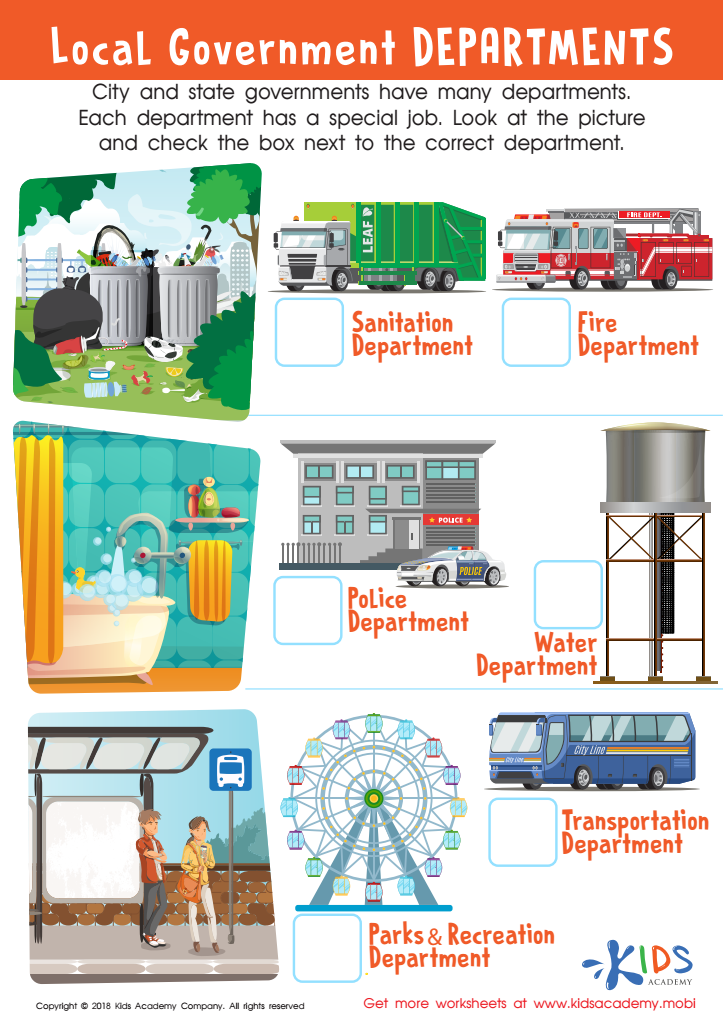
Local Government Departments Worksheet
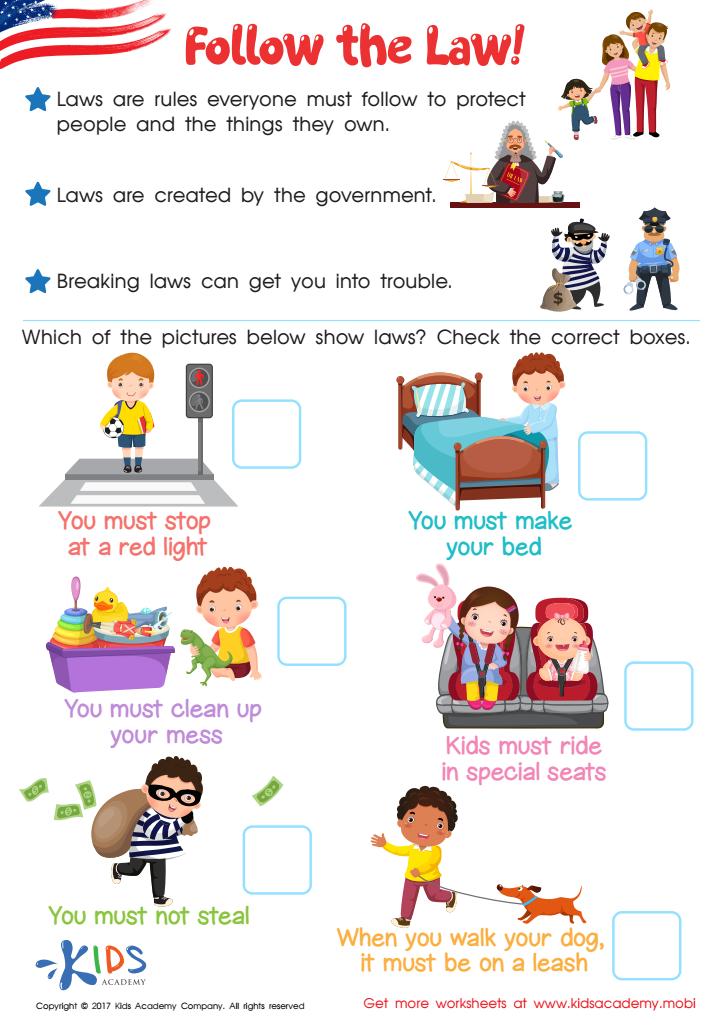
Follow the Law Worksheet
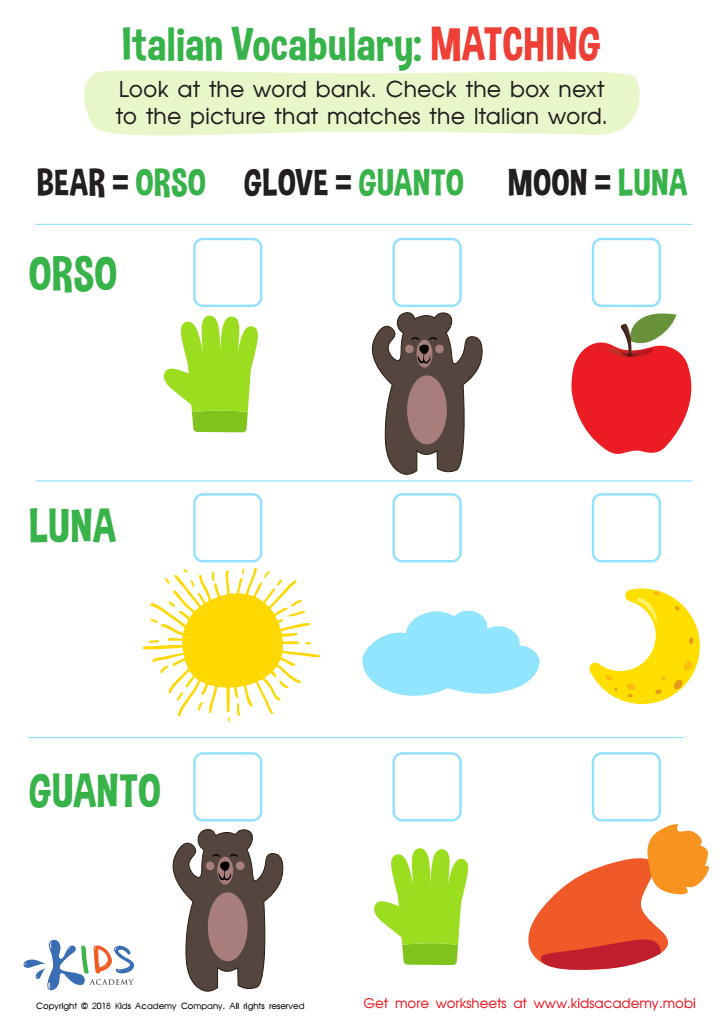
Italian Vocabulary Matching Worksheet
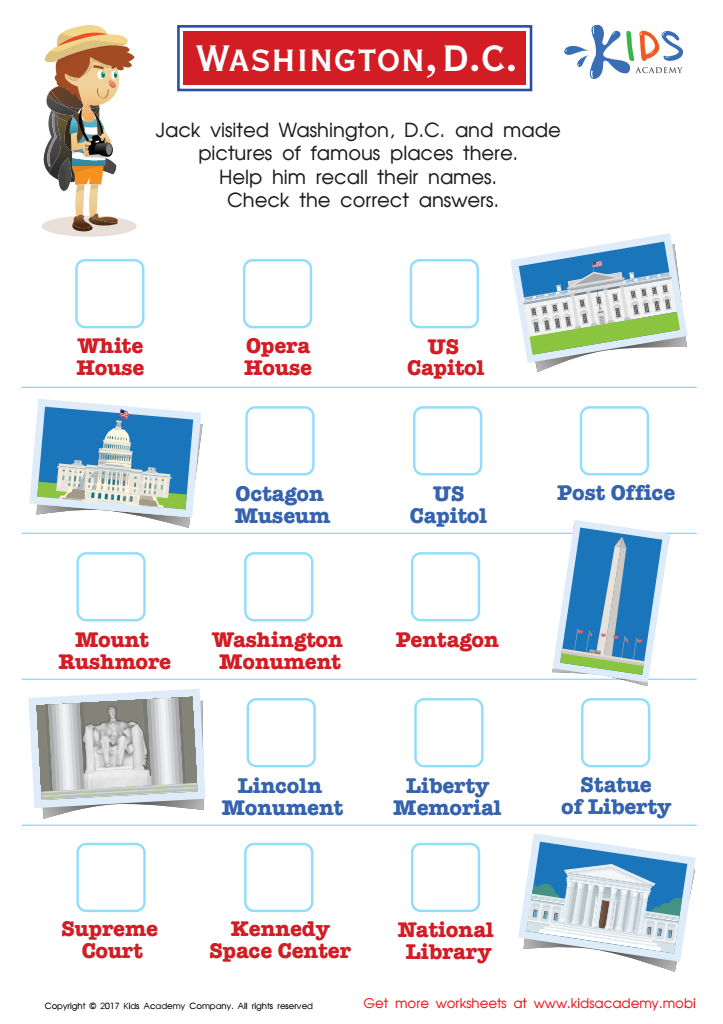
Washington D.C. Printable Worksheet
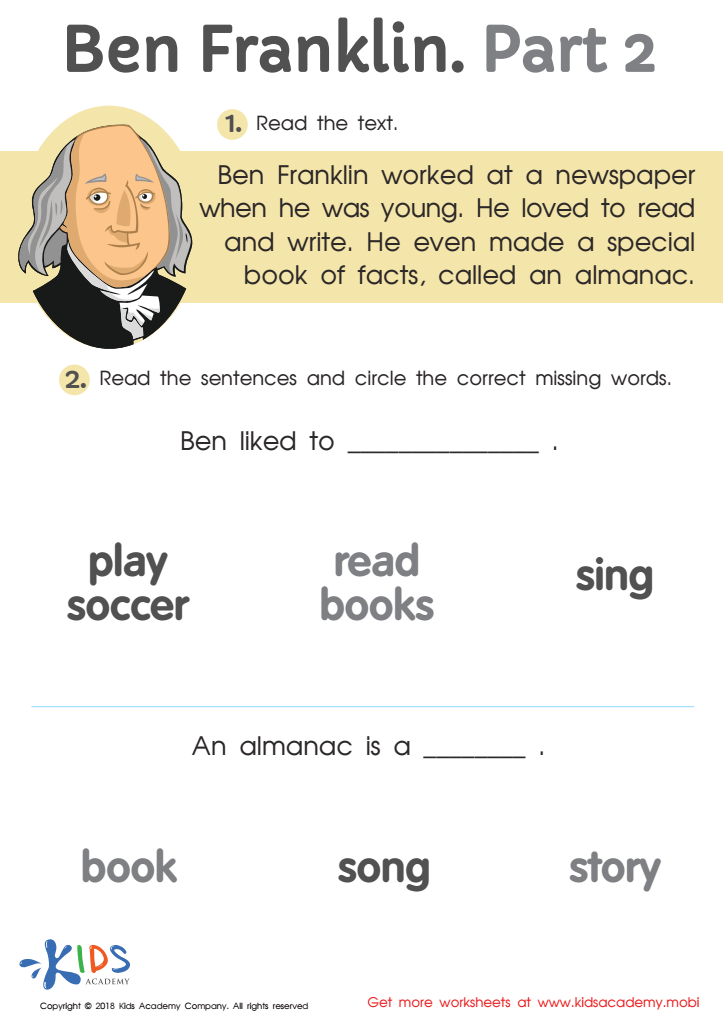
Ben Franklin Part 2 Worksheet
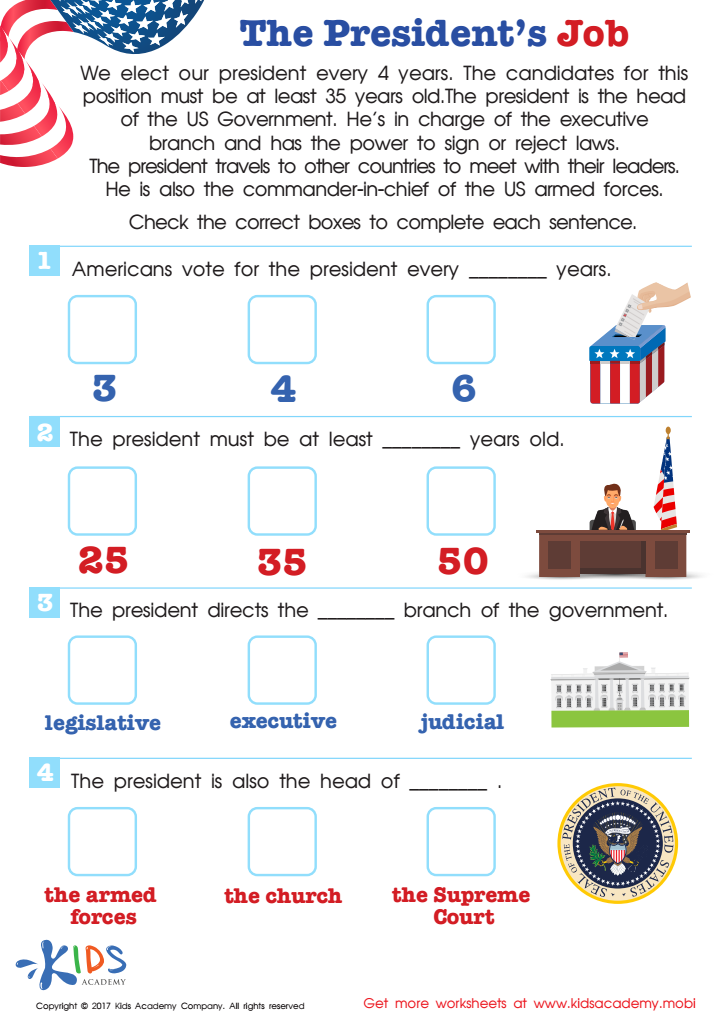
President of the USA Job Description Worksheet
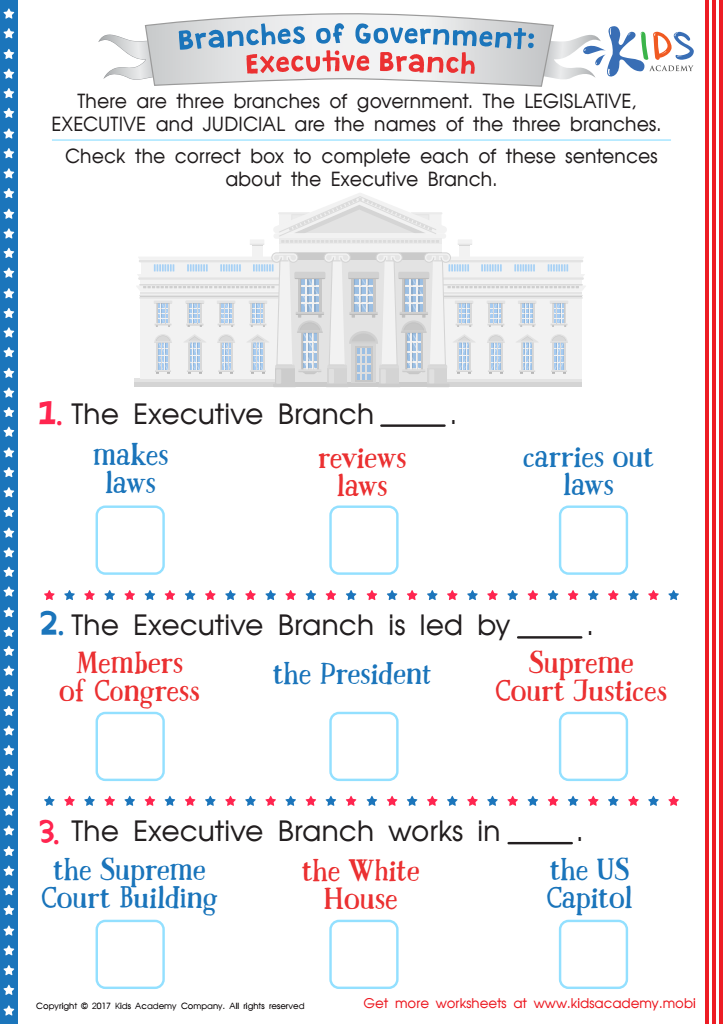
Branches of the Government: Executive Branch Printable
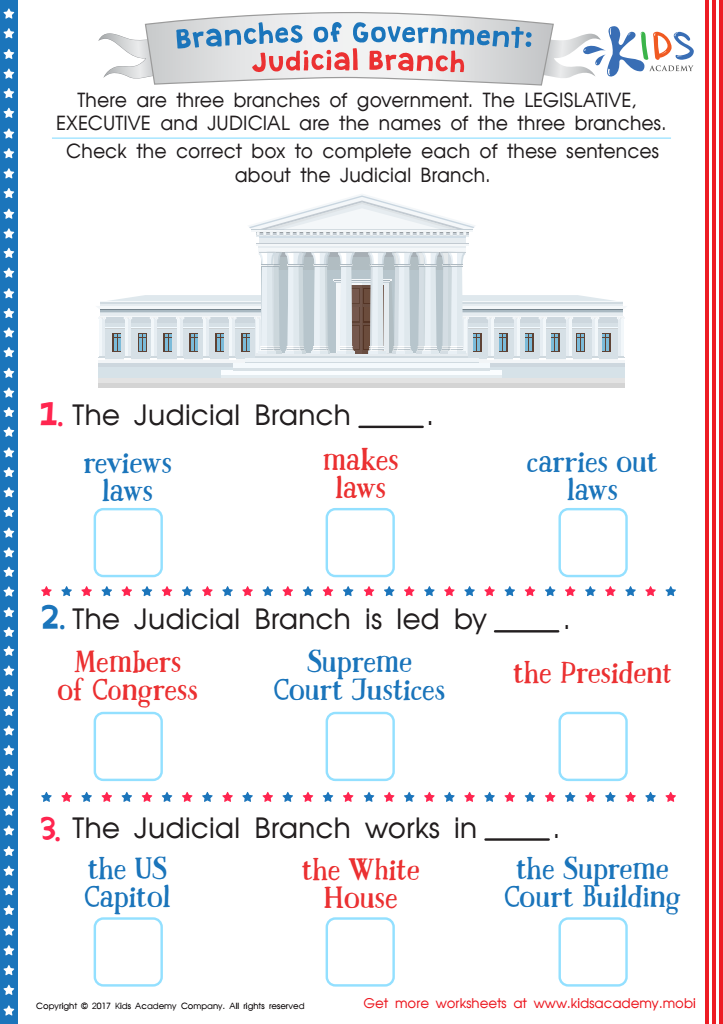
Braches of the Government: Judicial Branch Worksheet
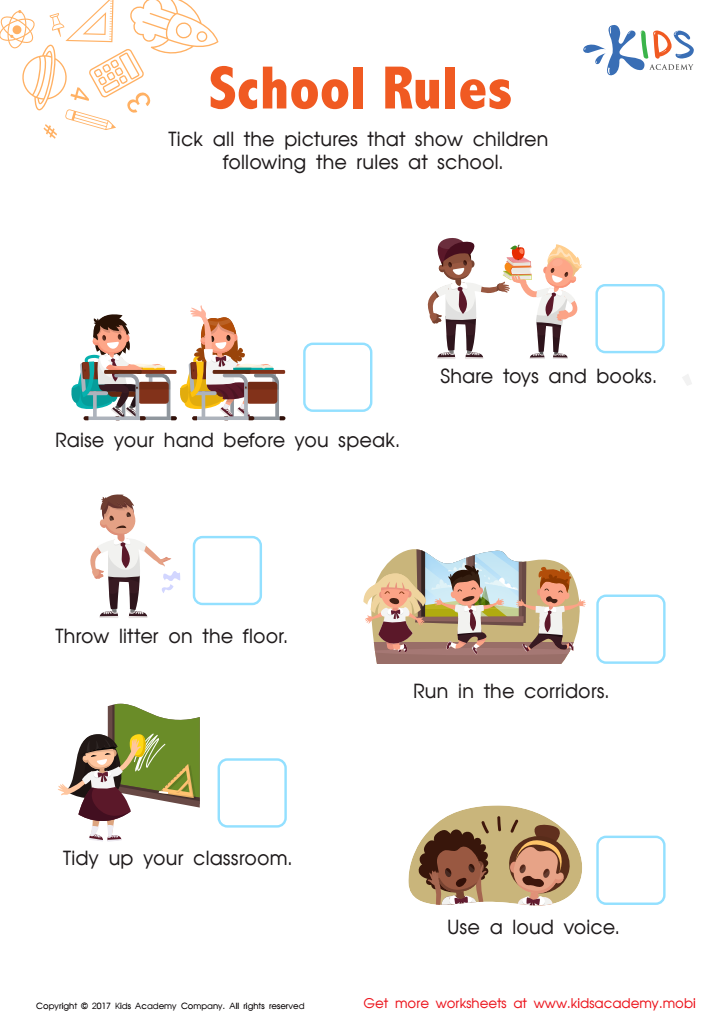
School Rules Worksheet


Parents and teachers should care about Normal Governance and Civics for ages 6-9 because this foundational knowledge shapes how children understand their roles in society. Introducing governance and civics at an early age fosters critical thinking, empathy, and a sense of community among children. It empowers them to grasp fundamental concepts about rights, responsibilities, and the importance of active participation in democratic processes, which can lead to informed and engaged future citizens.
At this age, children are naturally curious and eager to learn about the world around them. Teaching them about governance and civic responsibility helps nurture this curiosity, enabling them to ask questions about fairness, justice, and decision-making. This understanding can take root through engaging activities such as discussions, role-play, and community projects.
Additionally, early exposure to these concepts can cultivate skills in cooperation and conflict resolution, vital for their social development. As they learn to respect differing opinions and explore collaborative problem-solving, they develop the emotional intelligence necessary for effective citizenship. In essence, ensuring that children are equipped with civic knowledge and an understanding of governance not only enriches their education but also lays the groundwork for a more informed, responsible society.