Color Identification Flora and Fauna Worksheets
4 filtered results
-
From - To
Discover the vibrant world of nature with our "Color Identification Flora and Fauna Worksheets." Perfect for early learners, these engaging and educational worksheets help children develop essential color recognition skills while exploring various plants and animals. Through fun coloring activities, kids will not only learn to identify and match colors but also enhance their creativity and fine motor skills. Each worksheet features beautifully illustrated images representing different flora and fauna, providing a delightful and effective way to introduce youngsters to the wonders of nature. Spark curiosity and learning with our thoughtfully designed worksheets today!
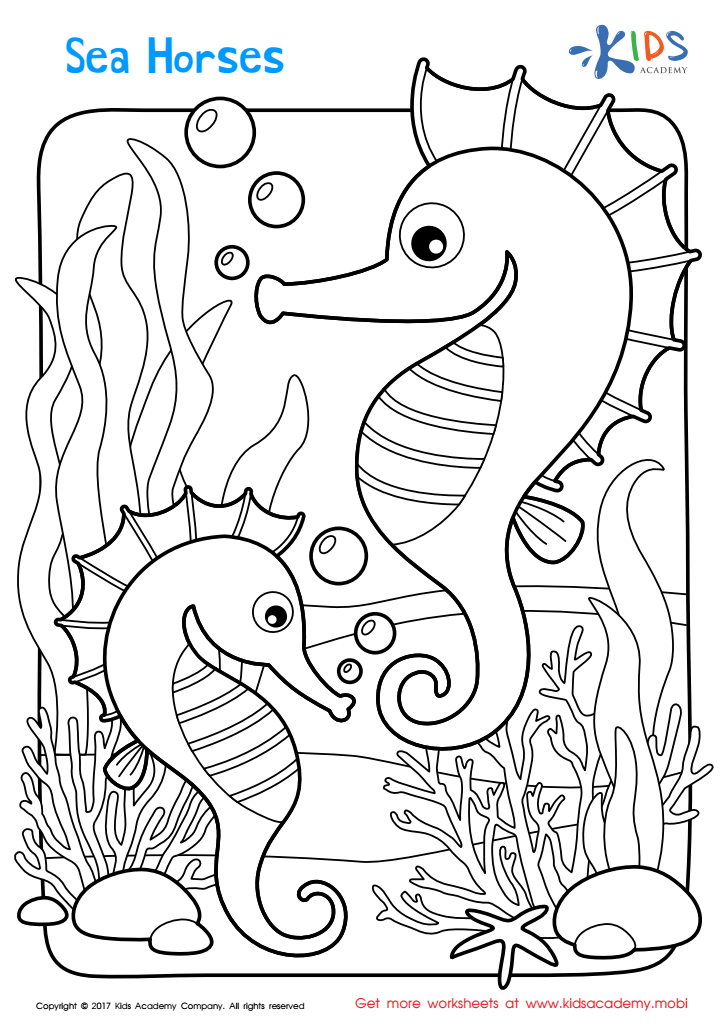
Sea Horses Printable
 Assign to My Students
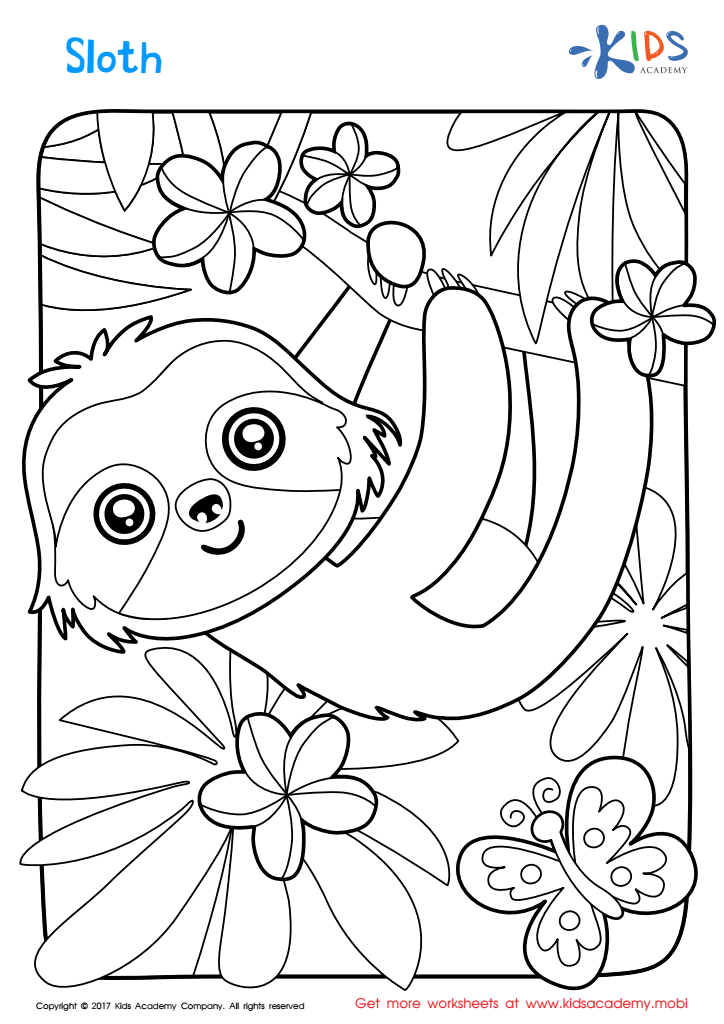
Sloth Worksheet
Assign to My Students
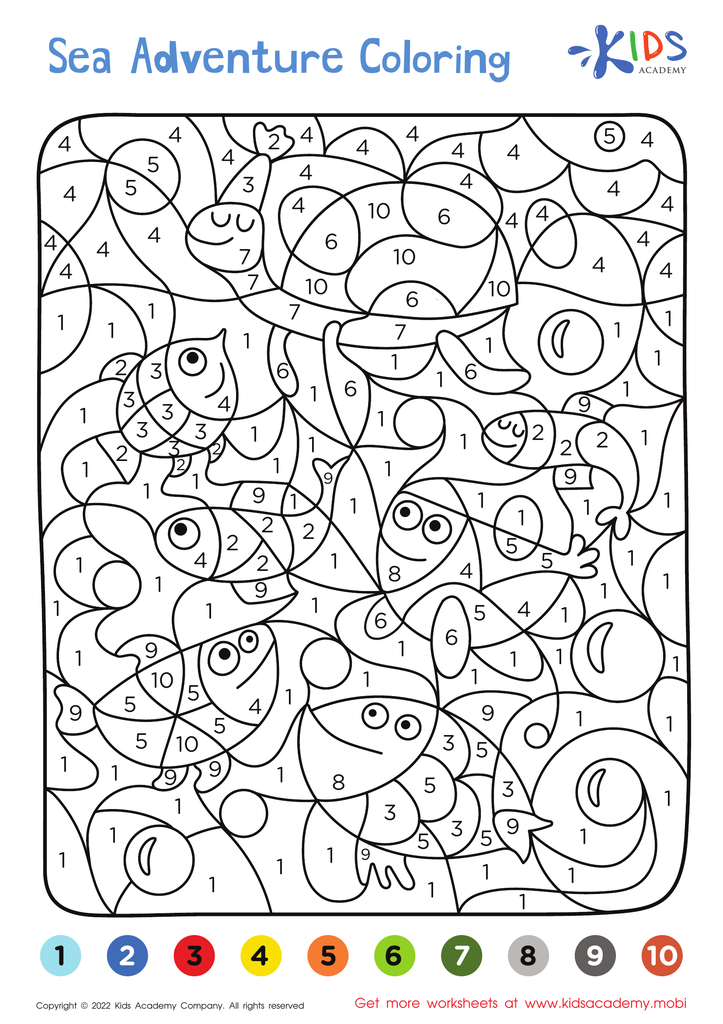
Sea Adventure – Coloring by Numbers
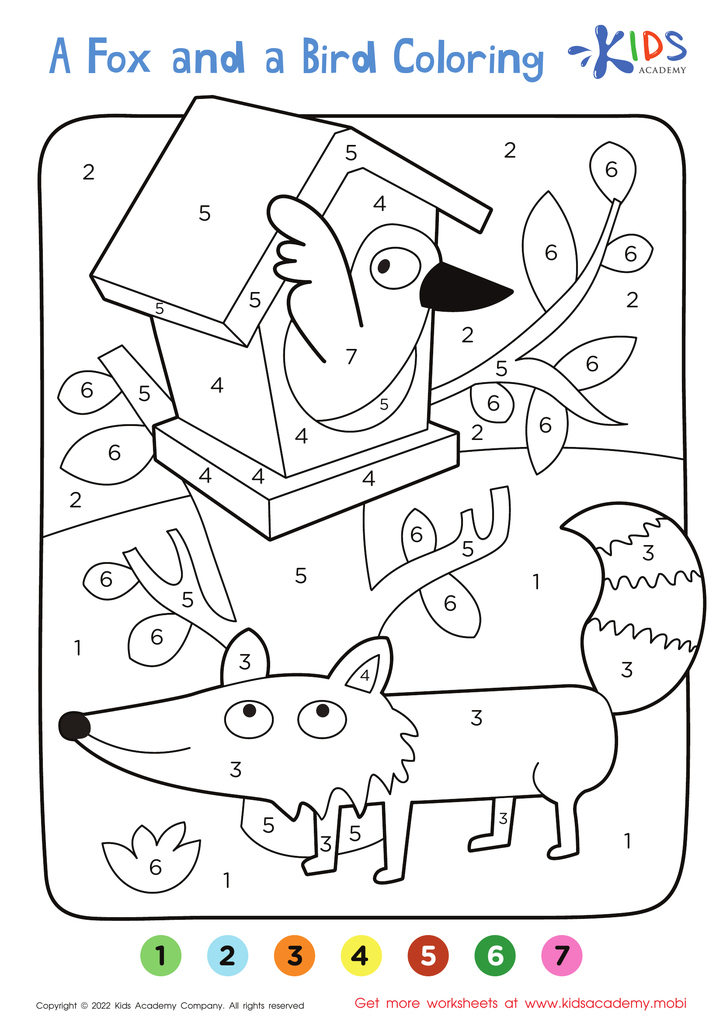
A Fox and a Bird – Coloring by Numbers


Color identification in flora and fauna is an essential learning component for early grade students, and both parents and teachers play a crucial role in fostering this skill. Recognizing different colors not only enhances a child's cognitive abilities, including memory, attention, and problem-solving, but it also strengthens their observational skills which are pivotal in science education. When students learn to identify various colors associated with plants and animals, they become more aware of their natural surroundings and develop a sense of curiosity and appreciation for nature.
Moreover, color identification can serve as a foundation for broader learning topics such as biodiversity, ecosystems, and environmental conservation. Understanding and noting the vivid hues in flowers, leaves, and animals can help children make connections to larger scientific concepts like pollination, camouflage, and ecological balance. For instance, identifying that certain flowers attract specific pollinators based on color can introduce basic principles of biology and ecology.
Additionally, engaging with colorful flora and fauna can enhance a child's creativity and artistic skills as they experiment with coloring and drawing. Parents and teachers facilitating such learning conversations and activities also help build a child's descriptive language, aiding them to express and communicate more effectively. Overall, integrating color identification through the natural world enriches a child's educational journey and fosters a lifelong appreciation for the environment.