Reading comprehension Easy Phonics Worksheets for Ages 3-4
5 filtered results
-
From - To
Boost your child’s early literacy skills with our "Reading Comprehension Easy Phonics Worksheets" designed specifically for ages 3-4. These engaging worksheets introduce young learners to fundamental phonics concepts through fun, interactive activities. Each worksheet focuses on developing reading comprehension by incorporating delightful illustrations and age-appropriate texts that capture children's attention. Parents and educators will appreciate these resources that promote language development, vocabulary building, and critical thinking skills. Whether at home or in the classroom, these worksheets provide a fantastic foundation for lifelong reading enjoyment. Dive into the world of phonics and help your little ones unlock the joy of reading today!
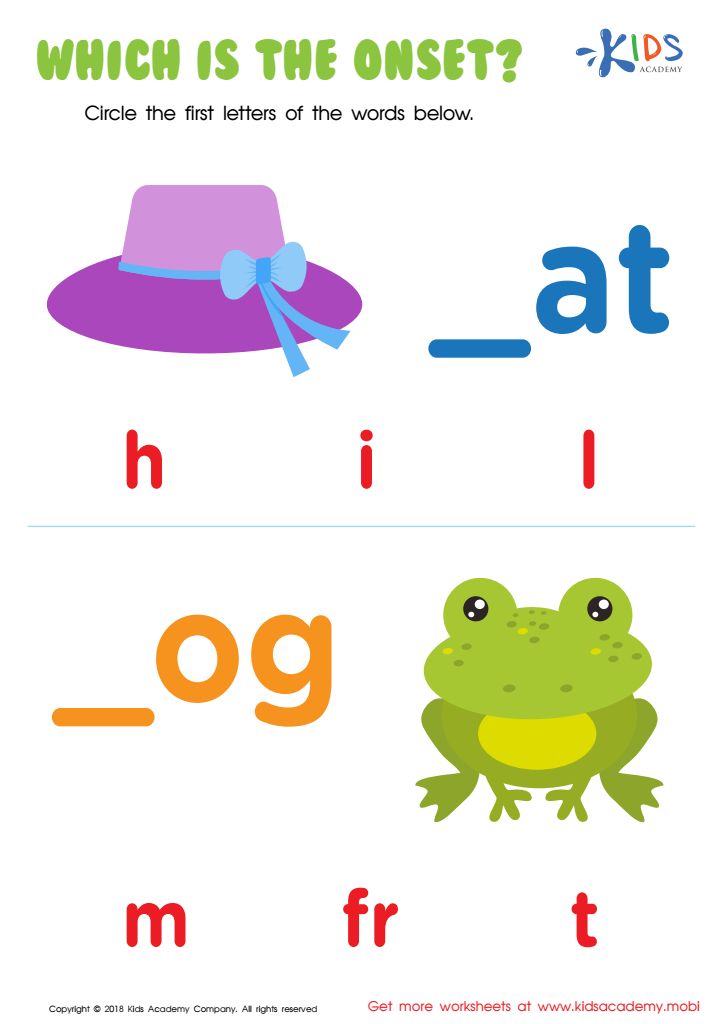
Which Is the Onset? Worksheet
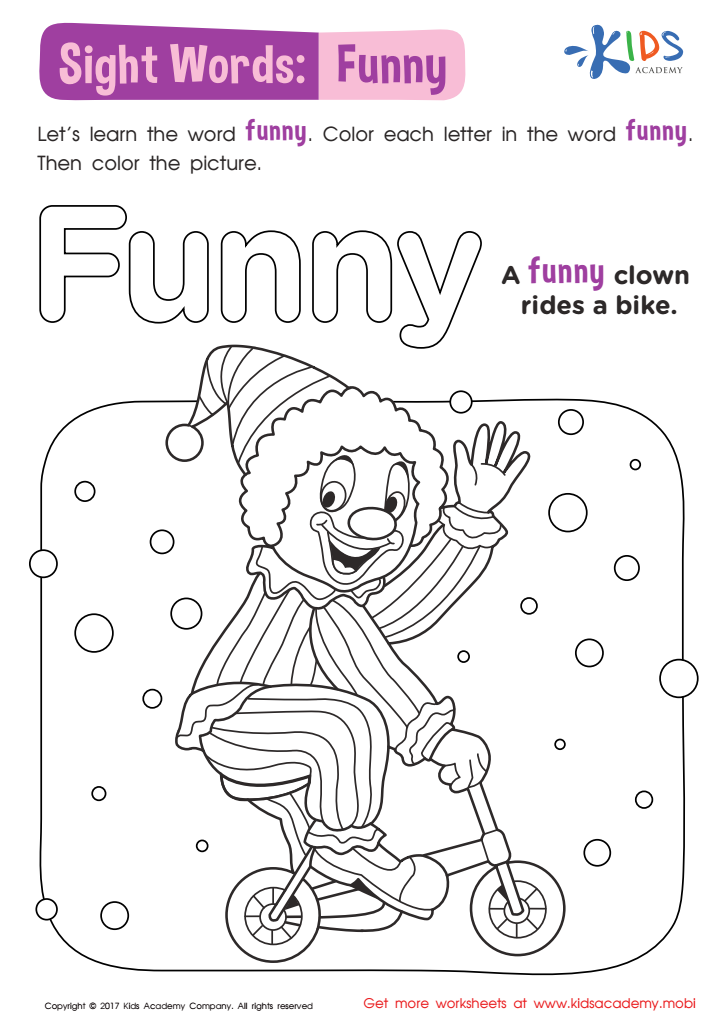
Funny Worksheet Sight Words Worksheet
 Assign to My Students
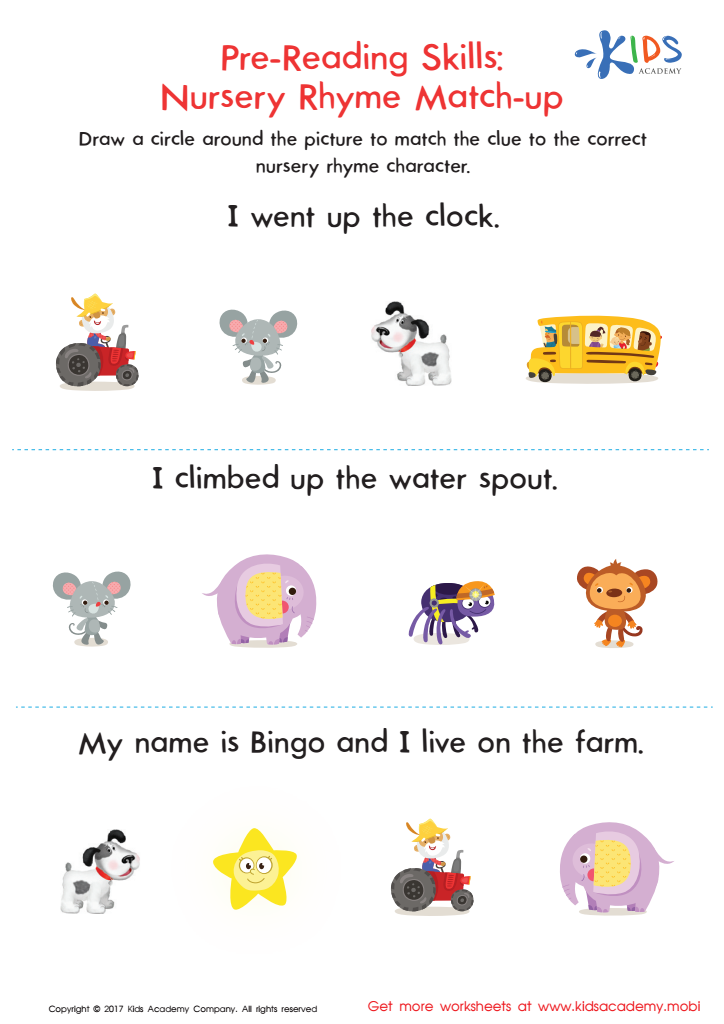
Nursery Rhyme Match–Up Worksheet
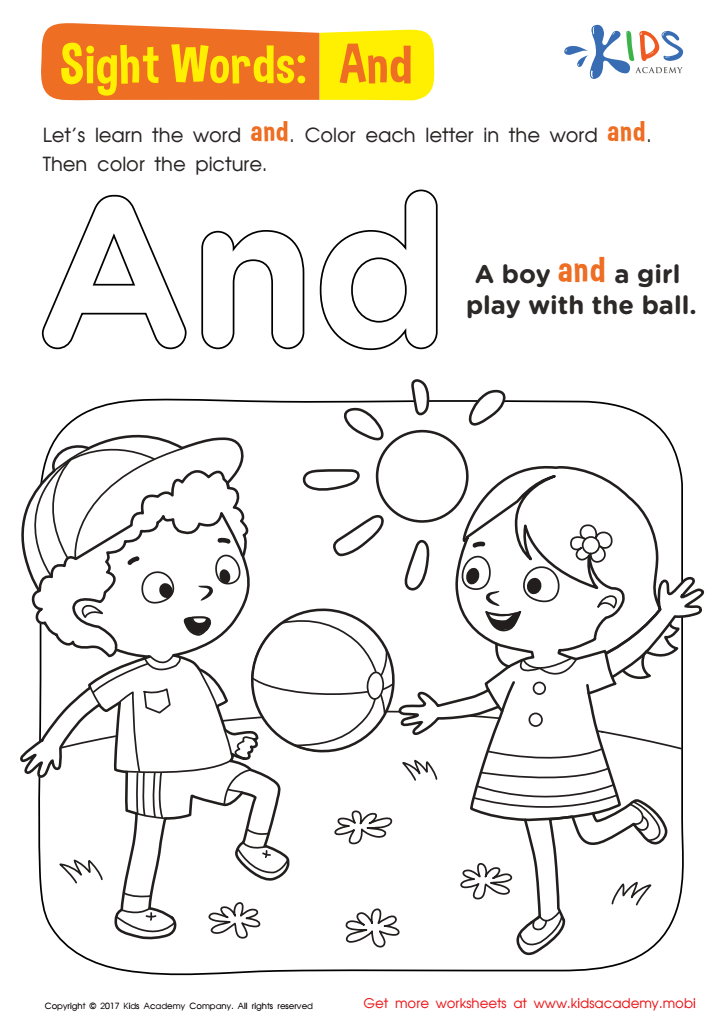
And Worksheet Sight Words Worksheet
Assign to My Students
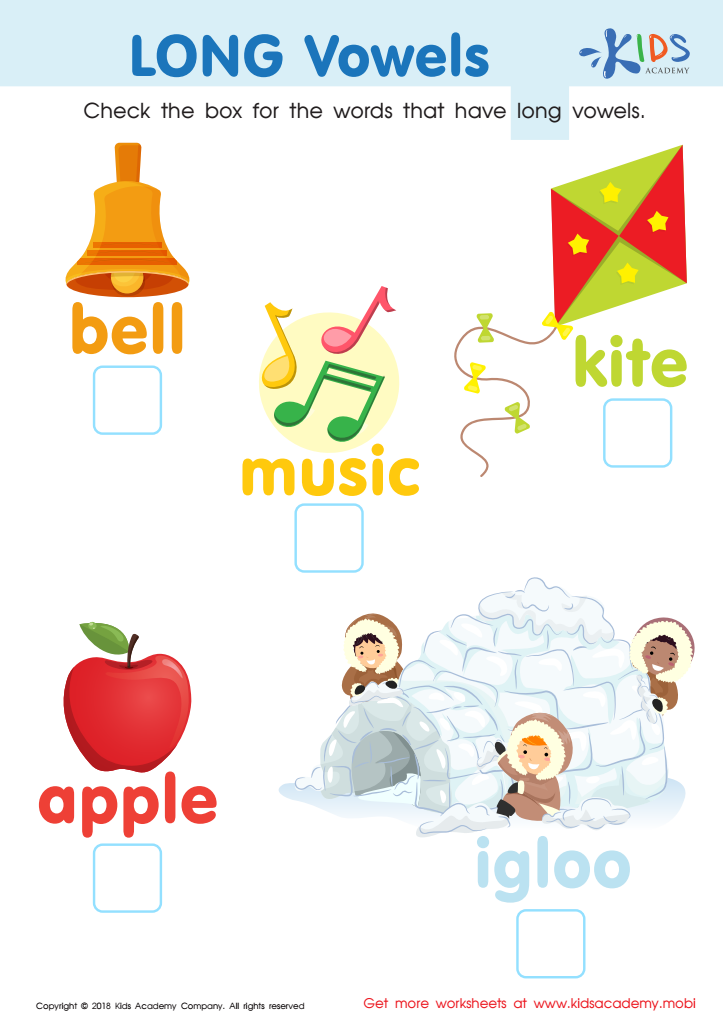
long vowels Worksheet








Reading comprehension and phonics are foundational skills that set the stage for a child's educational journey, starting as early as ages 3-4. Parents and teachers should prioritize Easy Phonics because they provide essential building blocks for literacy development. At this age, children are naturally curious and eager to learn, making it an ideal time to introduce phonics through engaging activities.
Here’s why it matters: phonics teaches children the relationship between letters and their sounds, enabling them to decode unfamiliar words. This skill fosters confidence as they progress in their reading abilities. Furthermore, strong phonetic skills lay the groundwork for effective reading comprehension, allowing children to understand and interpret texts as they advance to more complex narratives.
Reading comprehension enhances critical thinking skills, encouraging children to make connections, ask questions, and express their thoughts about stories. Early focus on phonics combined with comprehension strategies arms children with the tools needed to succeed academically. For parents and teachers, recognizing the importance of reading comprehension through Easy Phonics means nurturing a lifelong love of reading, promoting literacy skills that influence a child's academic success, social development, and cognitive growth. Investing in these skills during formative years leads to enriching lifelong reading experiences.