
Creativity stimulation Easy Worksheets for Ages 3-4
6 filtered results
Difficulty Level
Grade
Age
-
From - To
Subject
Activity
Standards
Spark imagination and foster creativity with our Easy Worksheets for Ages 3-4. Specifically designed for preschoolers, these engaging activities enhance learning through fun and play. Each worksheet encourages artistic expression, critical thinking, and problem-solving. Suitable for at-home learning or classroom use, our well-crafted worksheets cover everything from coloring and drawing to puzzles and matching games. Perfect for young learners, these activities build foundational skills while stimulating creativity and curiosity. Give your child a head start on their educational journey with our expertly designed, easy-to-use worksheets. Download now and watch creativity blossom!
Favorites
With answer key
Interactive
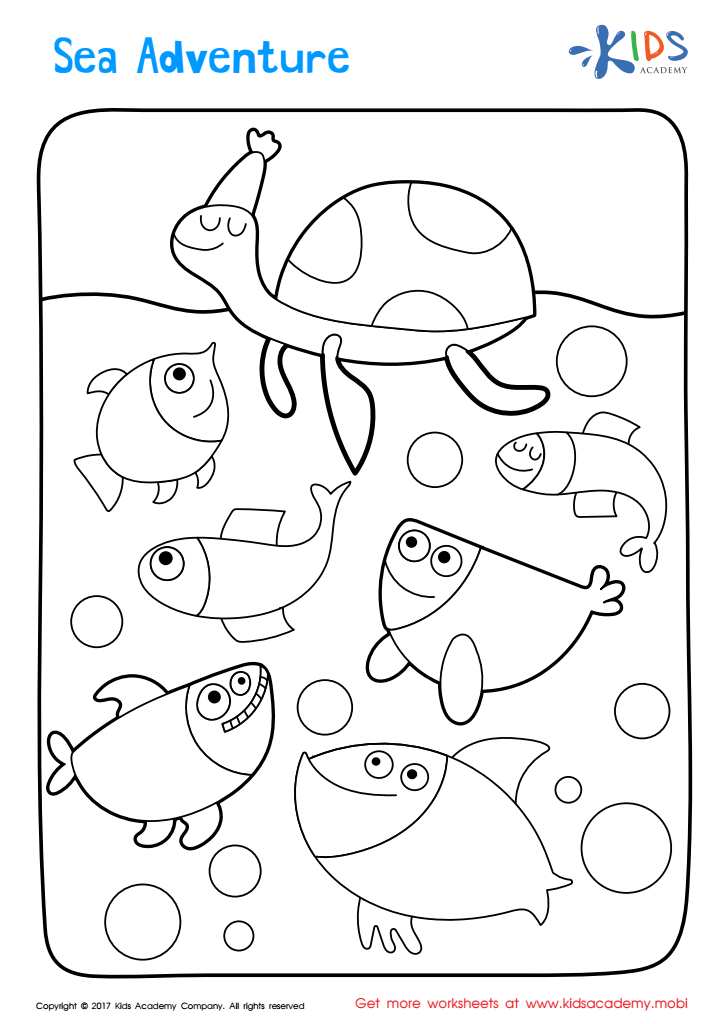
Sea Adventure Coloring Page
Explore the sea with a turtle and color the Sea Adventure printable! Let the turtle lead the way and let the fish watch and follow as kids unleash their creative side and pick the best colors. Have fun!
Download (PDF)
 Assign to My Students
Assign to My Students
Sea Adventure Coloring Page
Worksheet
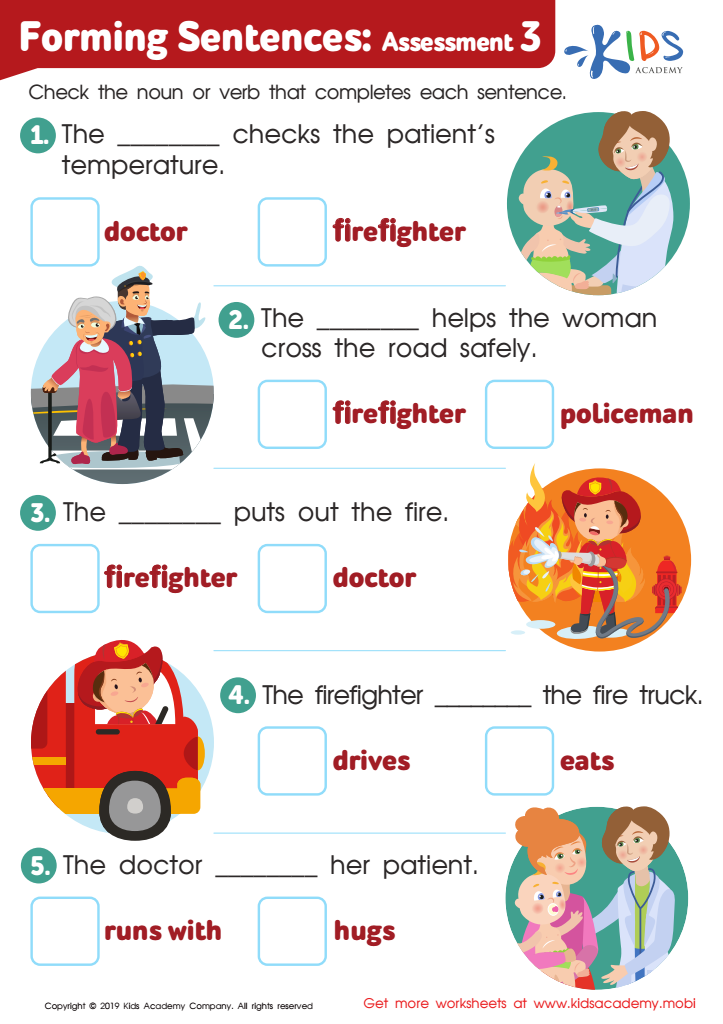
Forming Sentences: Assessment 3 Worksheet
Students must master sentence formation to be successful English learners. After grasping the ABCs and basic words, the next step is to construct sentences using those words. Worksheets like this one can help teach kids how to make sentences; they need to look at the pictures and select the correct noun or verb to complete each sentence.
Forming Sentences: Assessment 3 Worksheet
Worksheet
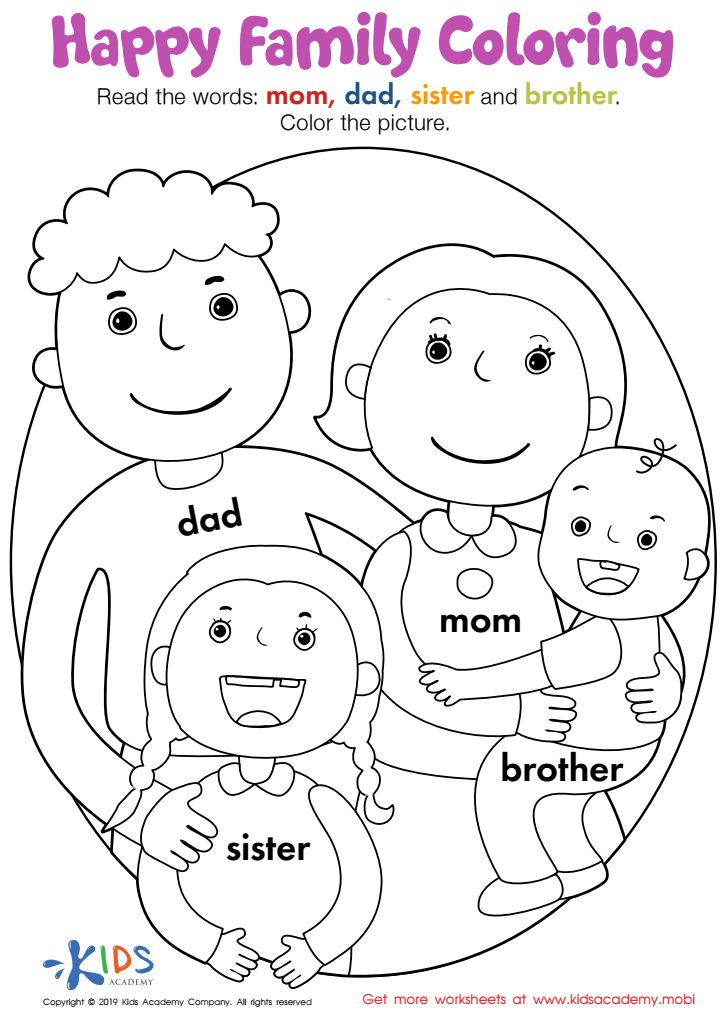
Happy Family Coloring Worksheet
Help your students gain confidence in family vocabulary with this worksheet. Labelled images of a family (dad, mom, sister, brother) are featured, along with an accompanying activity to colour in the picture. Your students will feel a sense of accomplishment after reading and completing the printable.
Download (PDF)
Assign to My Students
Assign to My Students
Happy Family Coloring Worksheet
Worksheet
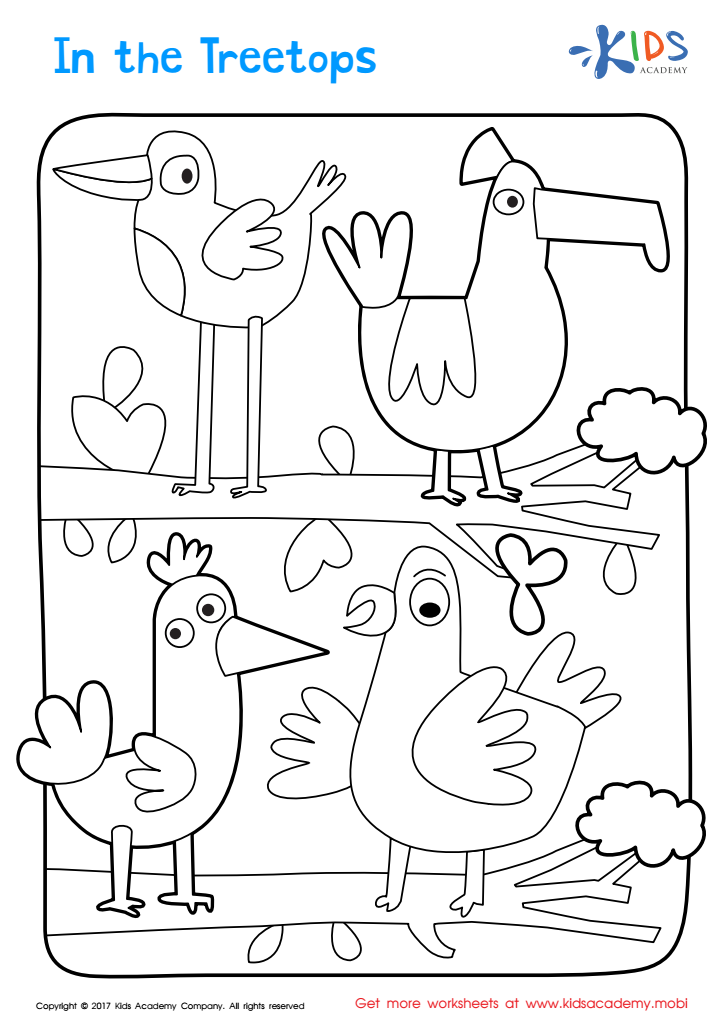
In the Treetops Coloring Page
Let your child soar by coloring this adorable printable page - In the Treetops. They can pick colors to make the birds lively and bright. It's a great way to encourage your child's creativity!
Download (PDF)
Assign to My Students
Assign to My Students
In the Treetops Coloring Page
Worksheet
Join Kids Academy for Free
Who is primarily going to use this learning content?



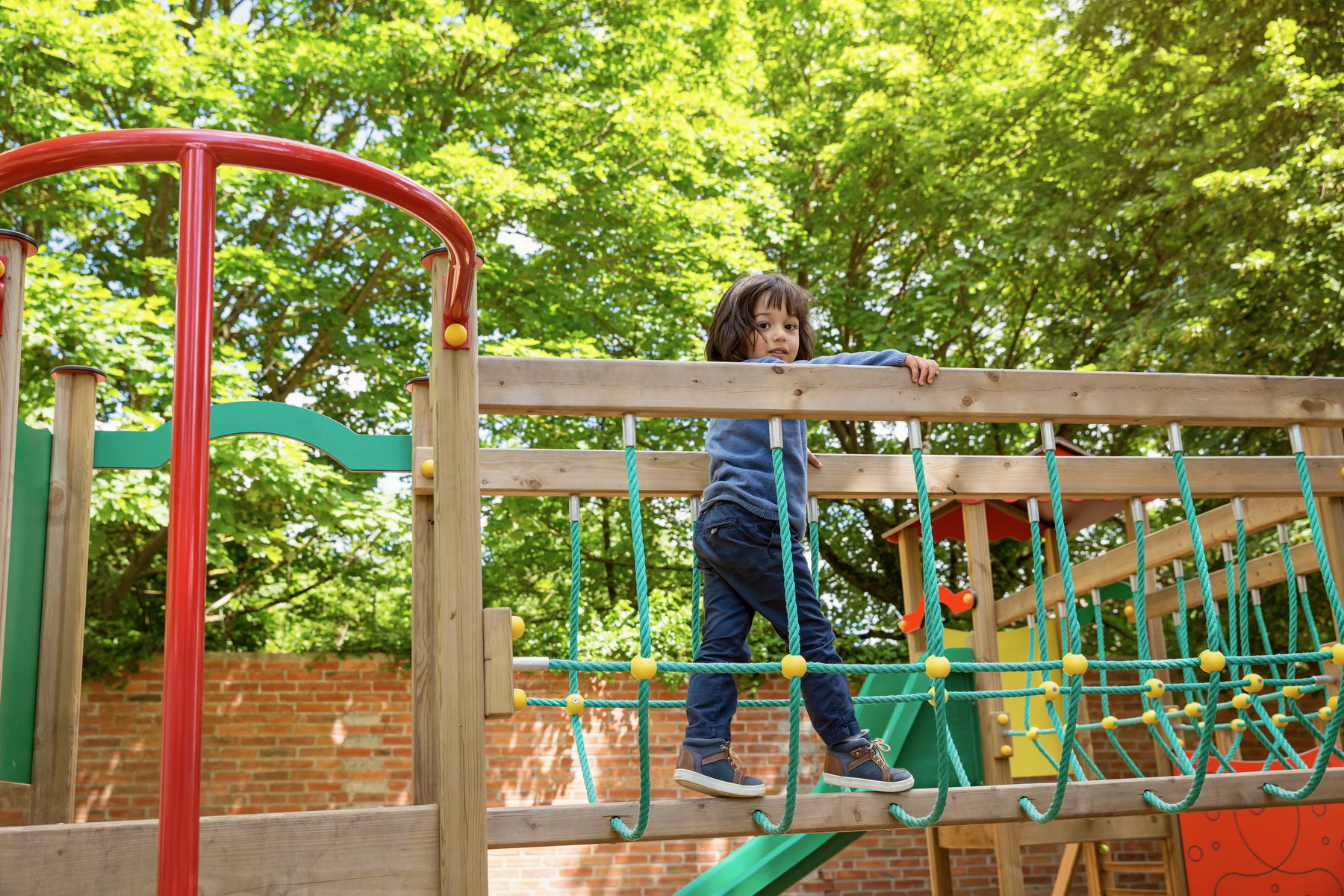




Creativity stimulation is crucial for the holistic development of young children, particularly those ages 3-4. At this stage, children's brains are exceptionally malleable and receptive to new experiences. By fostering creativity early on, parents and teachers provide children with essential tools that aid cognitive growth, emotional maturity, and problem-solving abilities.
Creativity encourages children to explore, experiment, and express themselves freely, which helps them develop confidence and a sense of self. This sense of discovery and invention is vital for cognitive development; it promotes flexible thinking and imagination. Activities such as drawing, storytelling, and free play help sharpen their fine motor skills and hand-eye coordination. Furthermore, engaging in creative tasks enables children to learn emotional expression and empathy, as they often imagine themselves in different situations or characters.
Additionally, nurturing creativity provides emotional benefits. It allows children to process their experiences and emotions, providing an outlet for their feelings. This kind of emotional regulation is invaluable as they navigate their formative years.
Lastly, creative play and activities lay the groundwork for future academic and social success. Children who experience diverse forms of creative stimulation are generally more adaptable, better problem-solvers, and have a more positive approach to learning in later years. For parents and teachers, investing time and resources in creativity stimulation is an invaluable contribution to a child's early development.








