Fine motor development Easy Worksheets for Ages 3-4
3 filtered results
-
From - To
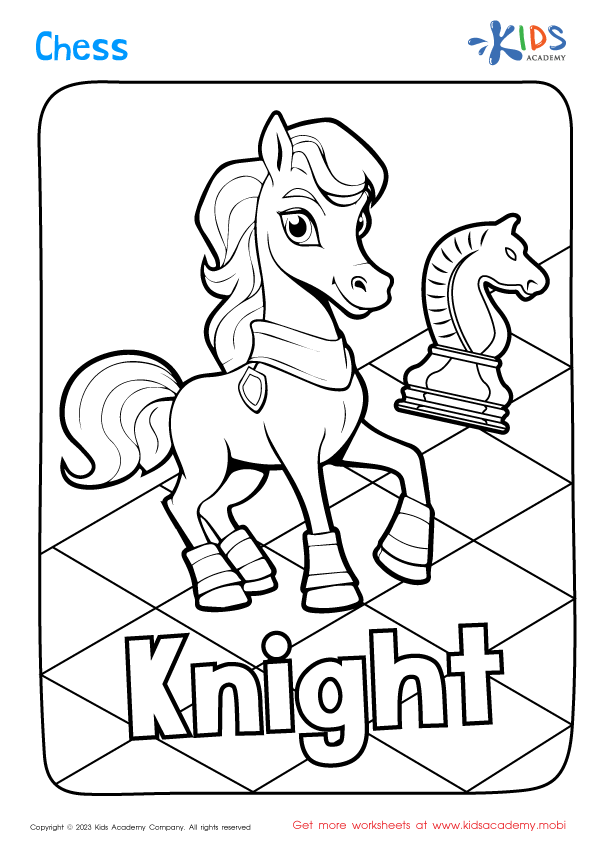
Enhance your child's fine motor development with our engaging worksheets designed for ages 3-4! These easy-to-use printables promote essential skills through fun activities that involve coloring, cutting, and tracing. Specifically crafted for young learners, these worksheets not only improve hand-eye coordination but also foster creativity and concentration. By practicing these activities, children will gain confidence in their fine motor skills while having fun at the same time. Ideal for home or preschool settings, our resources make learning joyful and effective. Explore our collection today to give your little ones a head start in their developmental journey!
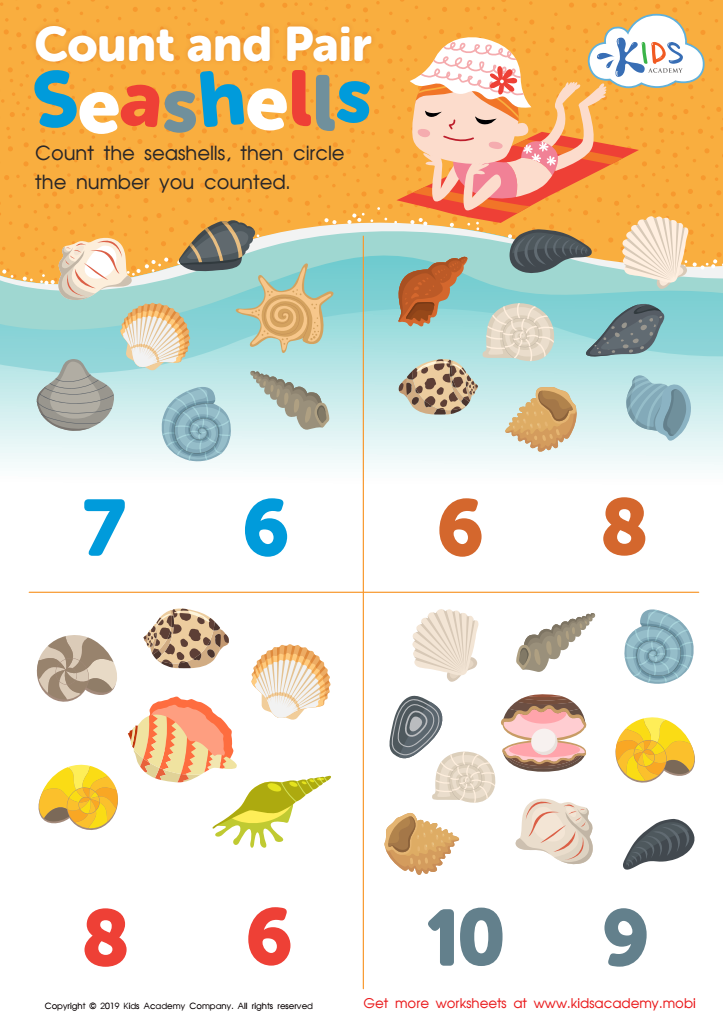
Count and Pair Seashells Worksheet
 Assign to My Students
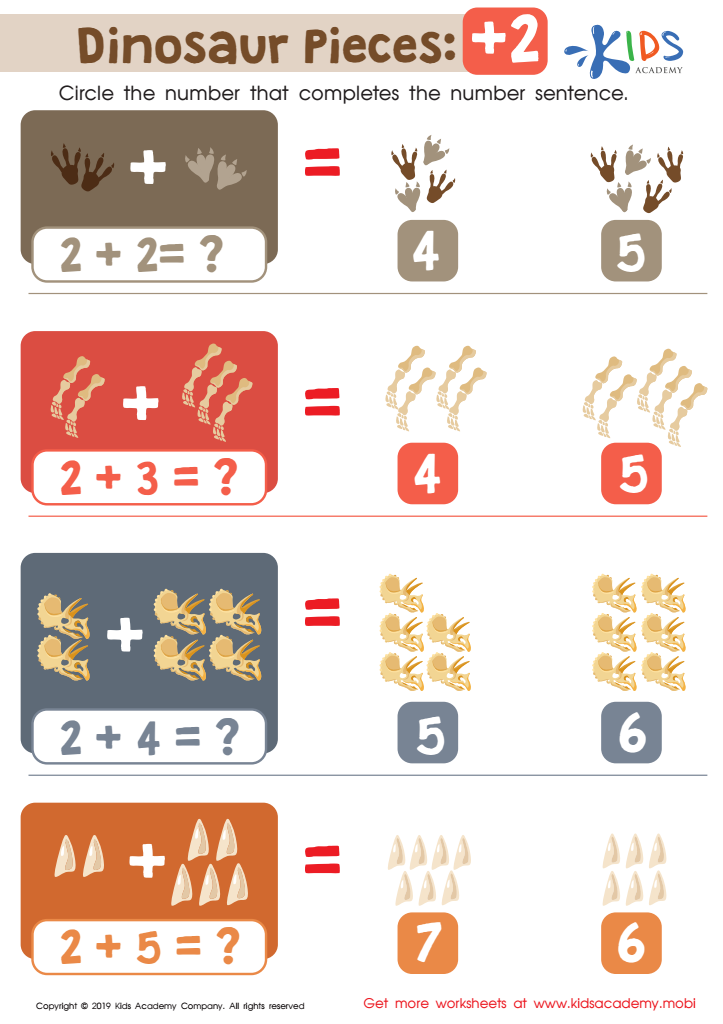
Dinosaur Pieces: +2 Worksheet


.jpg)



Fine motor development is crucial for young children aged 3-4 as it lays the foundation for many essential skills. Parents and teachers should care because strong fine motor skills enhance children's ability to participate in school activities and daily tasks successfully. These skills involve the use of small muscles in the hands and fingers, which are needed for actions like holding a pencil, using scissors, buttoning clothes, and zipping bags.
At this age, children are exploring and learning through play. Activities such as coloring, playing with clay, and building with blocks are not just fun; they are vital for strengthening the small muscles in their hands. Improved fine motor skills help children gain confidence as they master tasks that require coordination.
Furthermore, fine motor skills are closely linked to cognitive and social development. As children manipulate objects, they enhance their problem-solving abilities and make decisions independently. They also learn how to share tools and cooperate with peers during group activities.
In short, by nurturing fine motor development, parents and teachers help foster independence, enhance self-esteem, and prepare children for upcoming educational challenges, promoting overall development.








