Number comprehension Easy Addition and Subtraction Word Problems Worksheets for Ages 3-4
4 filtered results
-
From - To
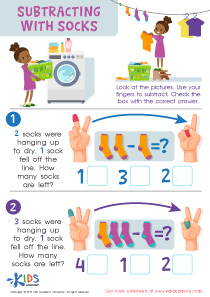
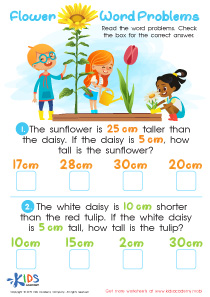
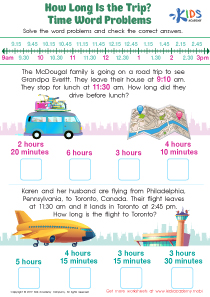
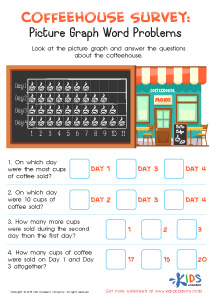
Nurture early math skills with our "Number Comprehension Easy Addition and Subtraction Word Problems Worksheets" designed for ages 3-4. These engaging worksheets introduce young learners to fundamental math concepts in a fun, relatable way, enhancing their ability to understand and solve simple addition and subtraction problems. Perfect for preschoolers, each worksheet combines vibrant illustrations with easy-to-follow word problems that promote critical thinking and number comprehension. By integrating real-life scenarios, our worksheets make math both enjoyable and accessible, paving the way for a strong mathematical foundation. Ideal for teachers and parents, these resources simplify early math education.
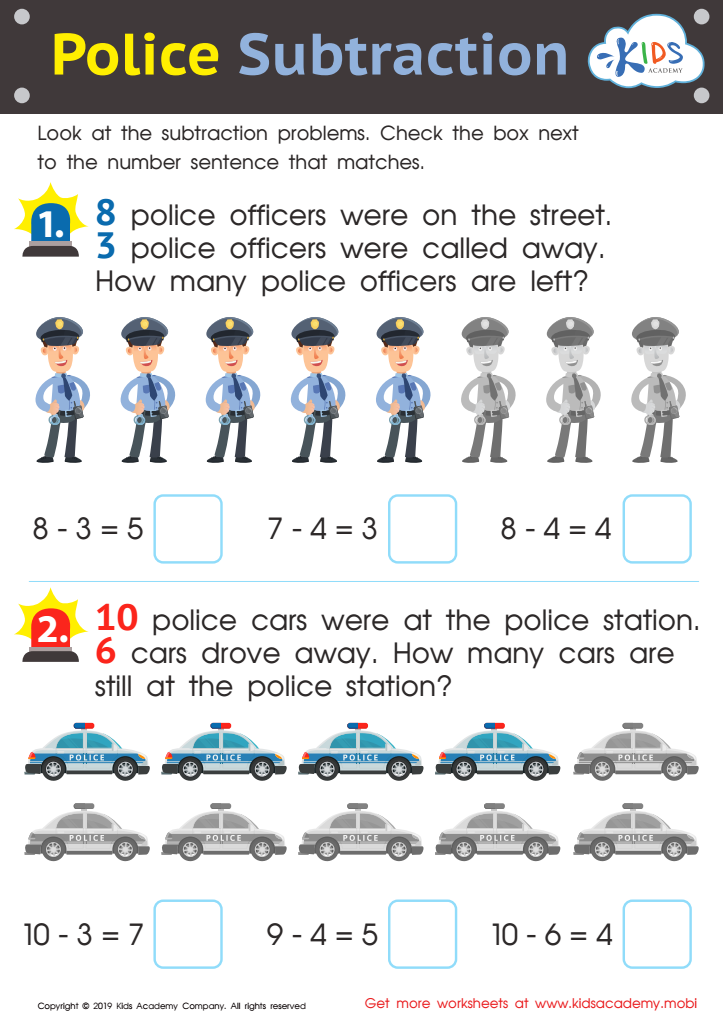
Police Subtraction Worksheet
 Assign to My Students
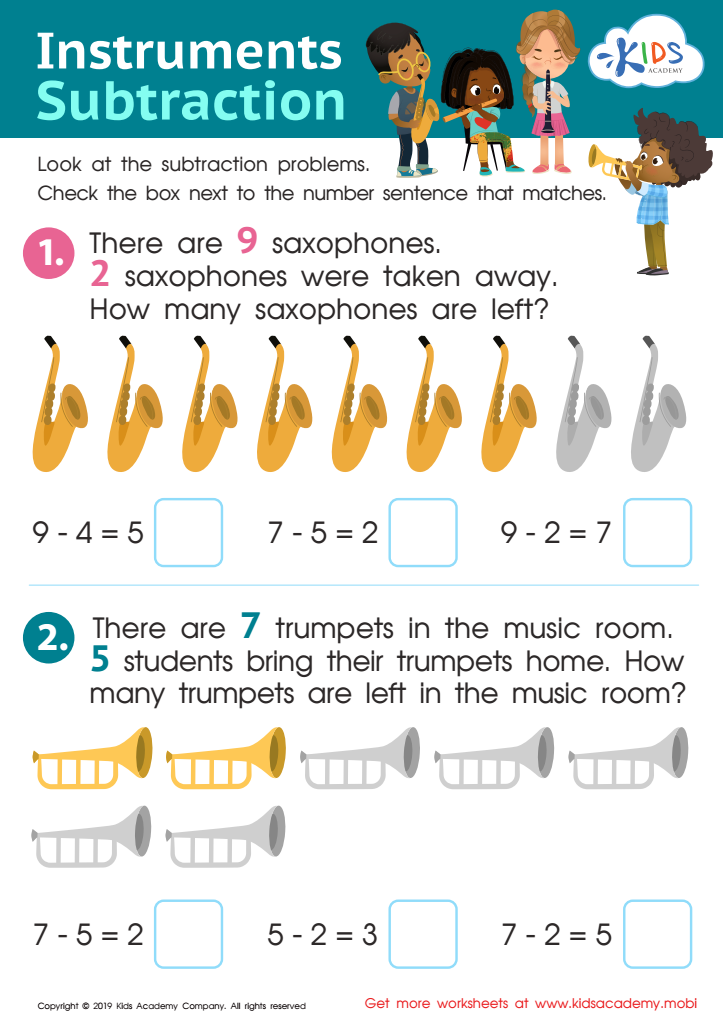
Instrument Subtraction Worksheet
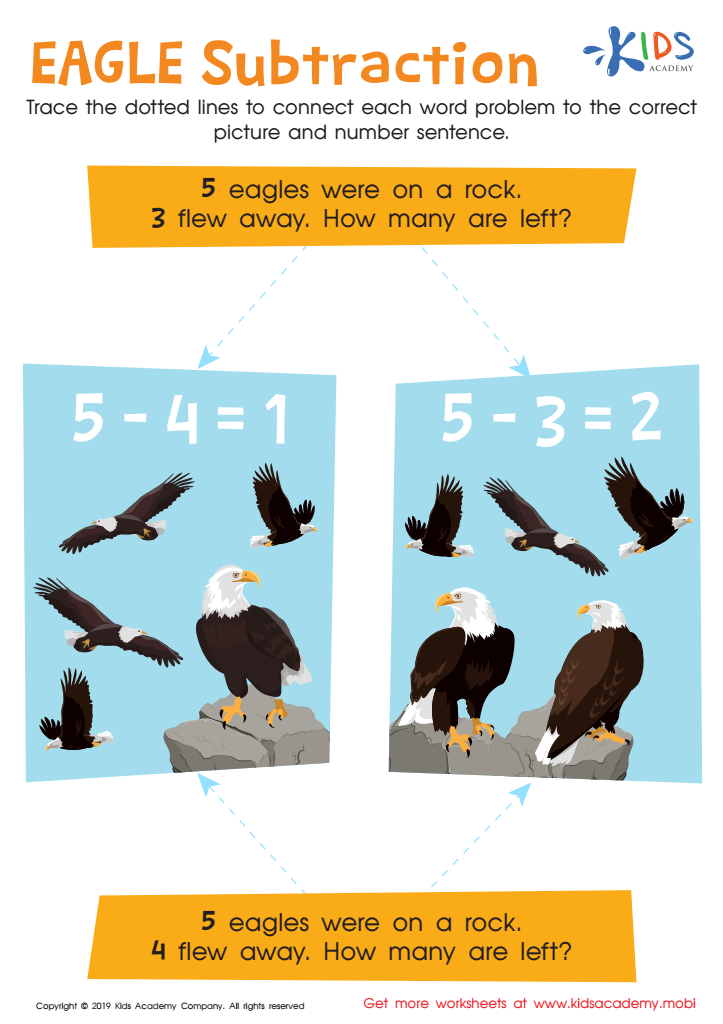
Eagle Subtraction Worksheet
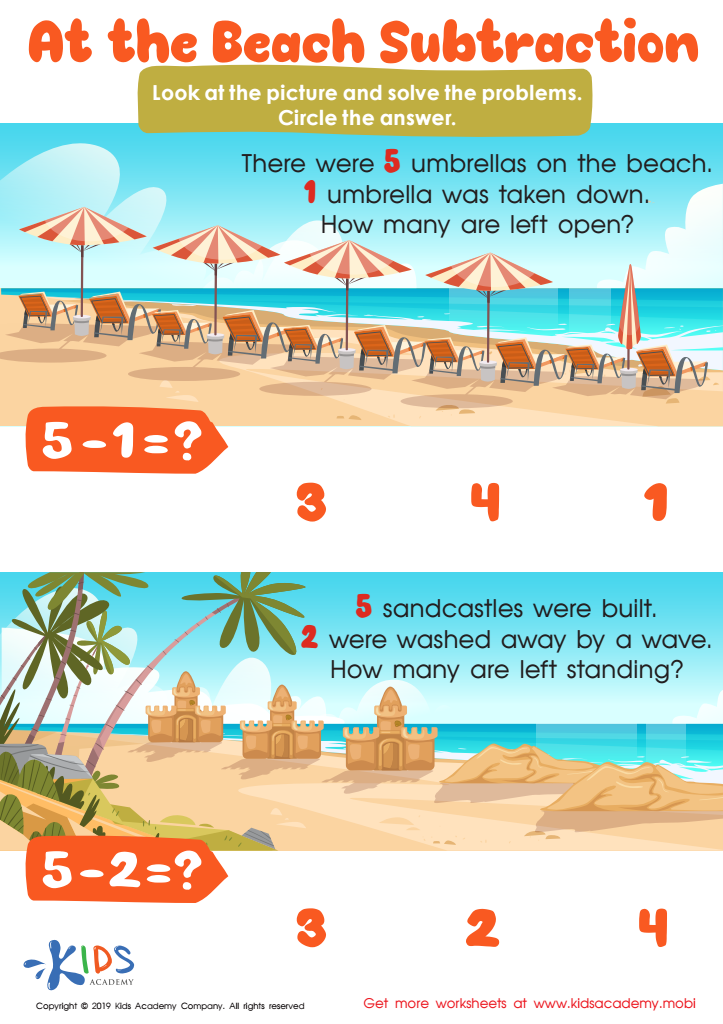
At the Beach Subtraction Worksheet








Parents and teachers should care about number comprehension and introducing easy addition and subtraction word problems for children ages 3-4 because it lays a crucial foundation for their future mathematical understanding and cognitive development. Early engagement with numbers helps children start to understand fundamental math concepts in a context they can relate to their everyday experiences.
At this developmental stage, children's brains are incredibly receptive to learning new skills, and they are naturally curious. Presenting them with simple, relatable math problems helps develop their ability to recognize patterns, increases problem-solving skills, and enhances logical thinking. These word problems make abstract numbers more concrete by connecting them to real-life scenarios like sharing toys or counting snacks. This relevance makes learning more engaging and meaningful.
Furthermore, early math skills are predictive of later academic success, not just in math but across various subjects. Establishing a strong numerical foundation helps build confidence and reduces anxiety related to math as children progress through school. By integrating easy addition and subtraction problems early on, parents and teachers provide essential tools that contribute significantly to a child's holistic educational growth and foster a positive attitude towards lifelong learning.