Number Recognition Easy Addition Facts Worksheets for Ages 3-4
3 filtered results
-
From - To
Discover our engaging "Number Recognition Easy Addition Facts Worksheets for Ages 3-4." These educational resources help young minds explore numbers and basic addition through fun activities tailored for preschoolers. Designed to enhance numerical skills with vibrant visuals, children will learn to recognize and add numbers effortlessly. Perfect for early learners, parents, and teachers, our worksheets make foundational math both enjoyable and memorable. Spark a love for learning in your child today with these carefully crafted practice sheets, available for free on our Kids Academy website. Prepare your little ones for a bright math future with ease and excitement!
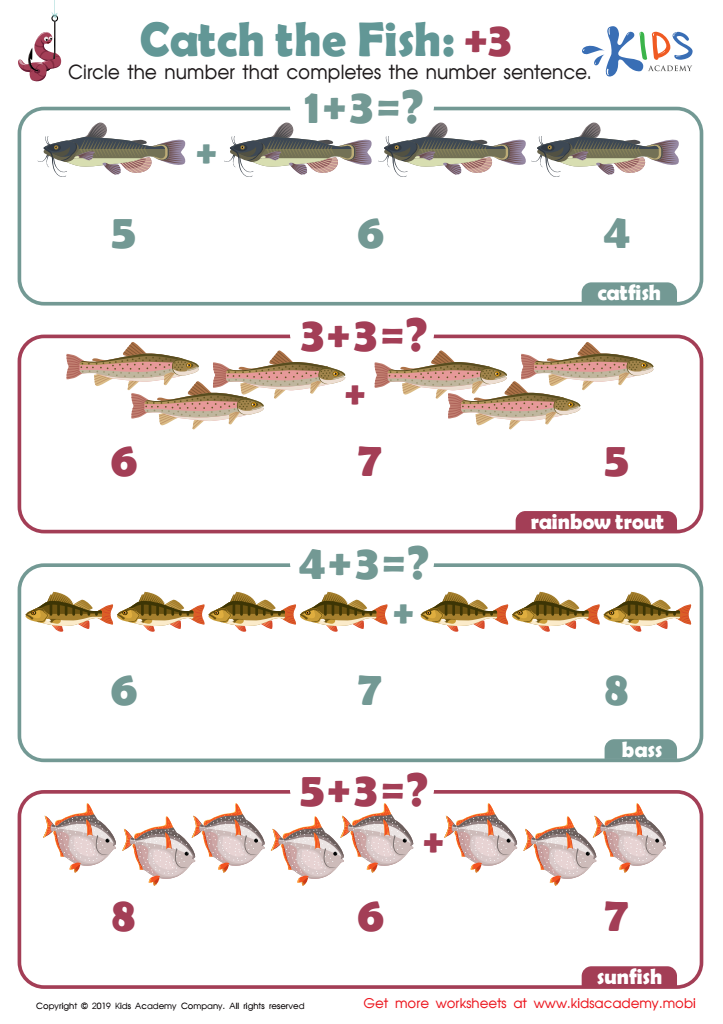
Catch the Fish: +3 Worksheet
 Assign to My Students
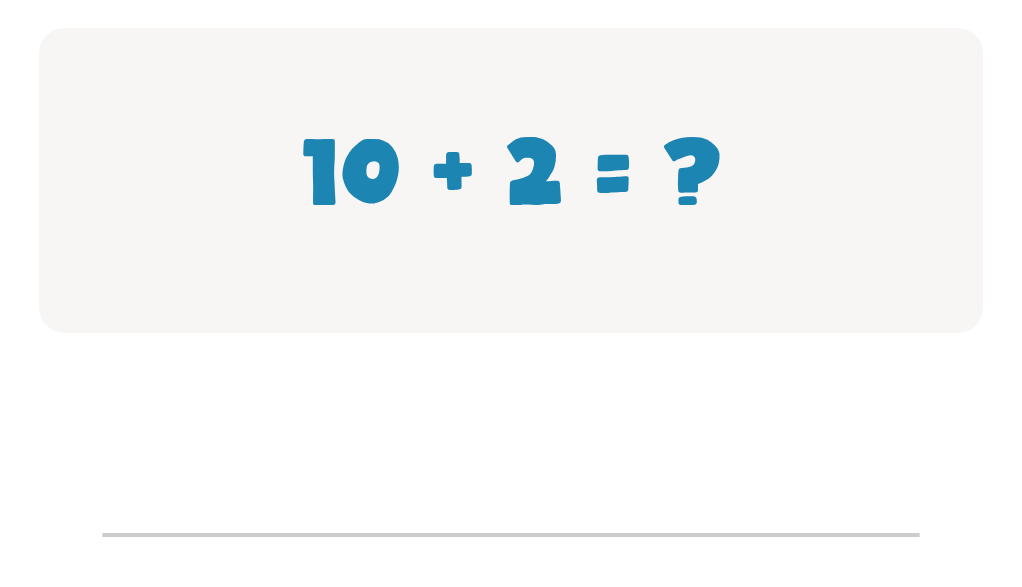

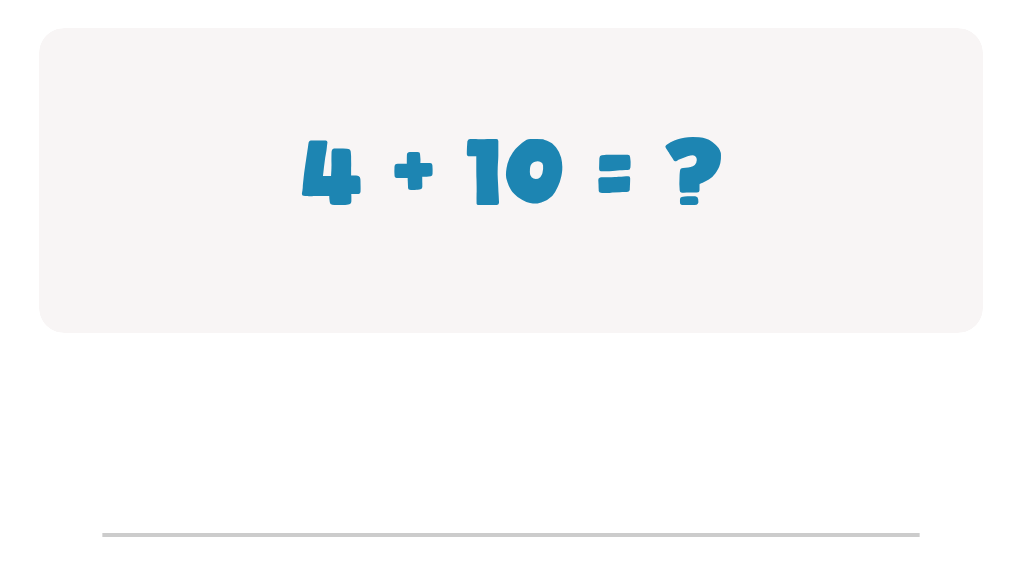
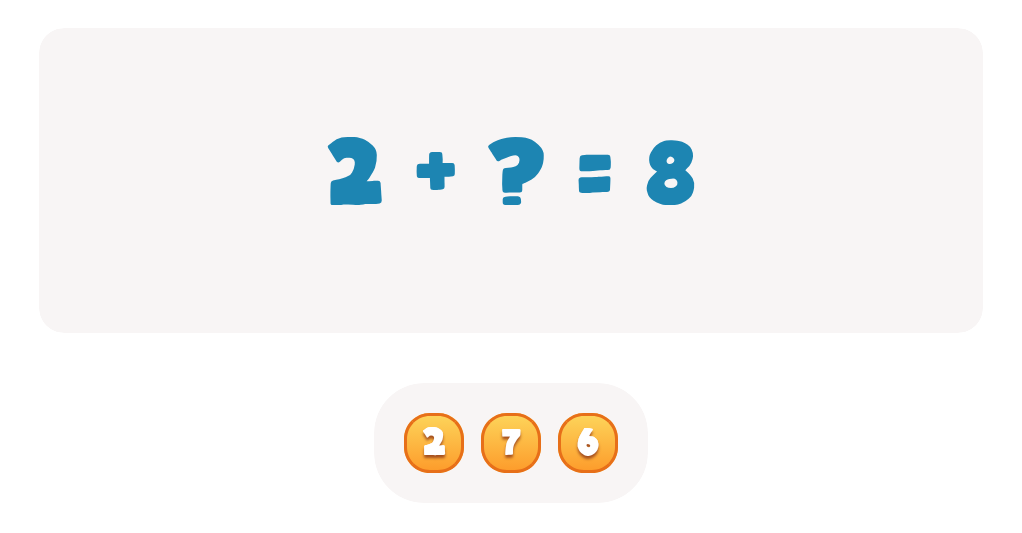
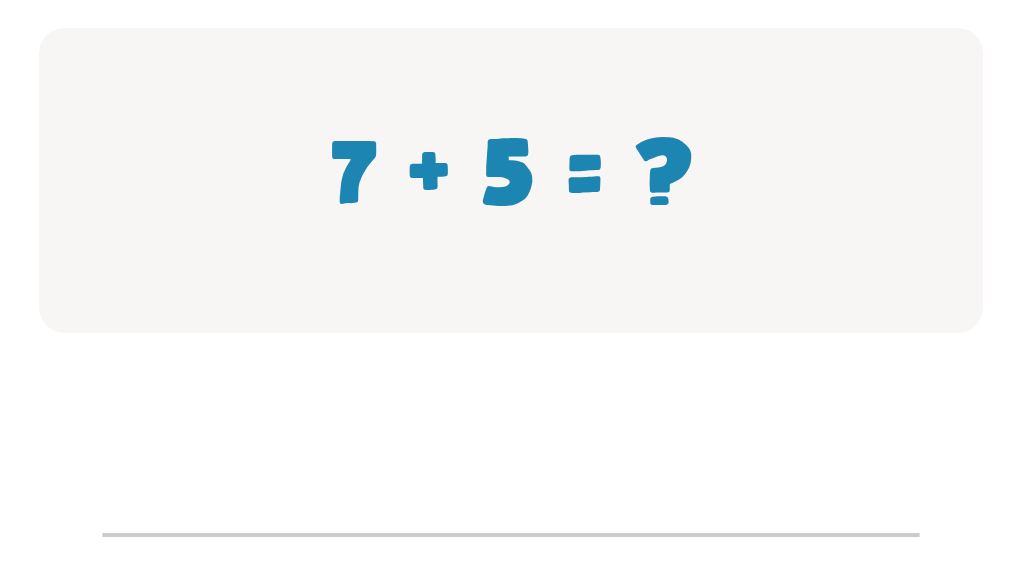
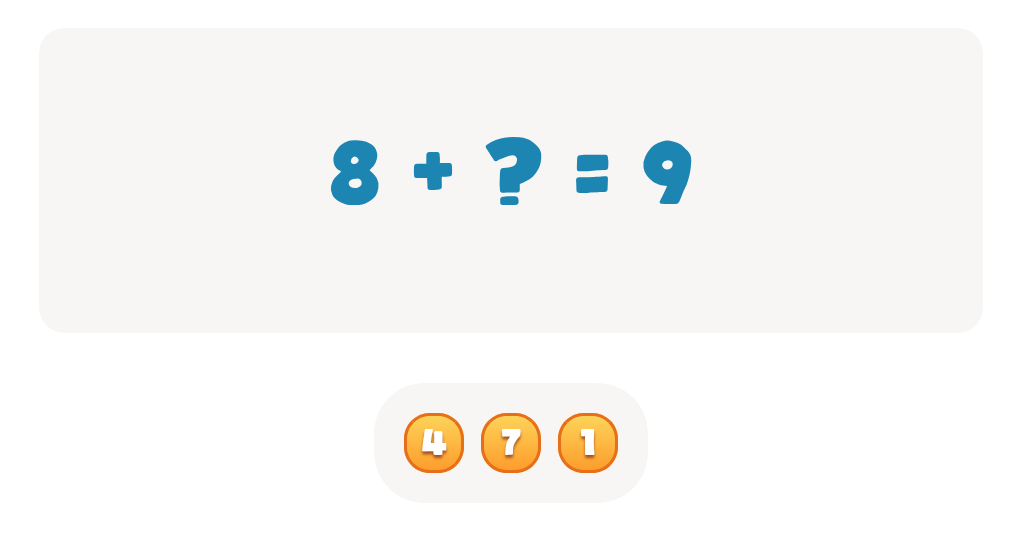

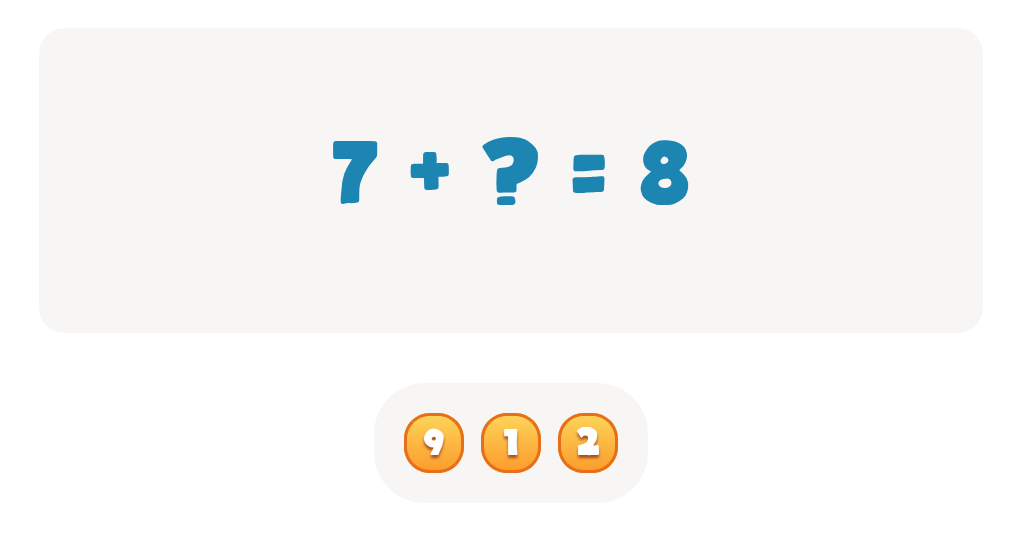
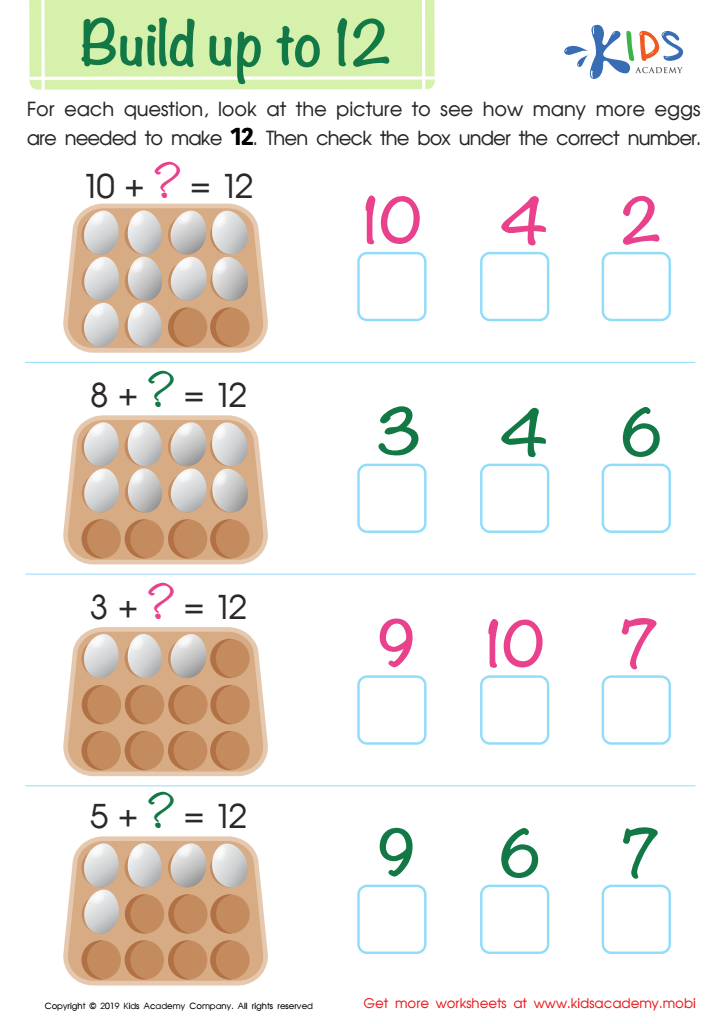
Build up to 12 Worksheet
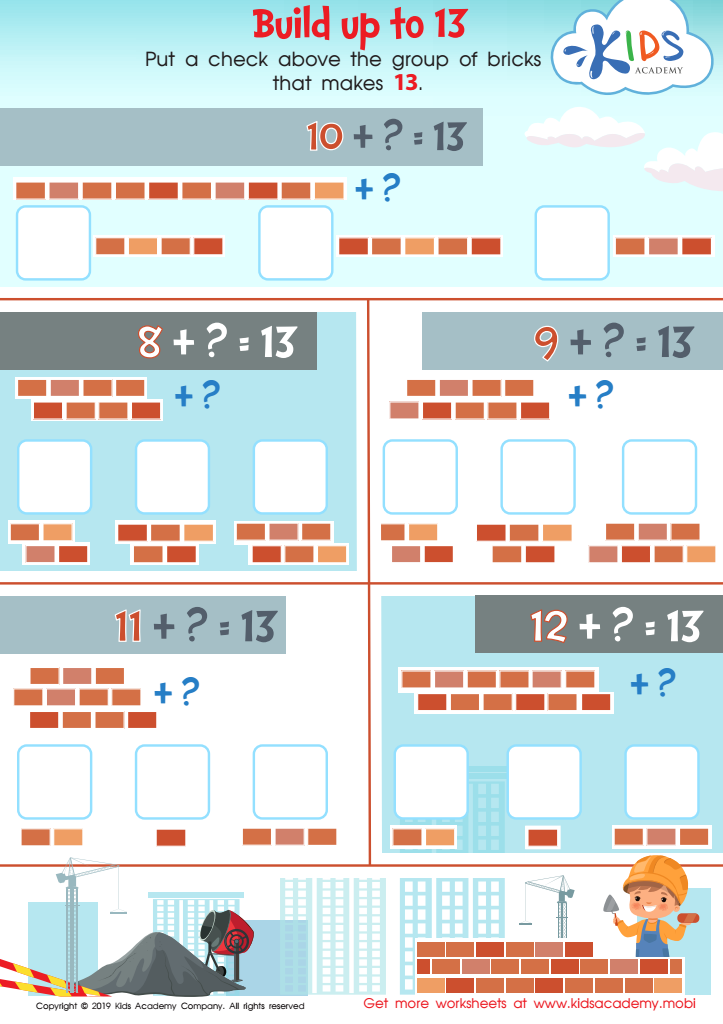
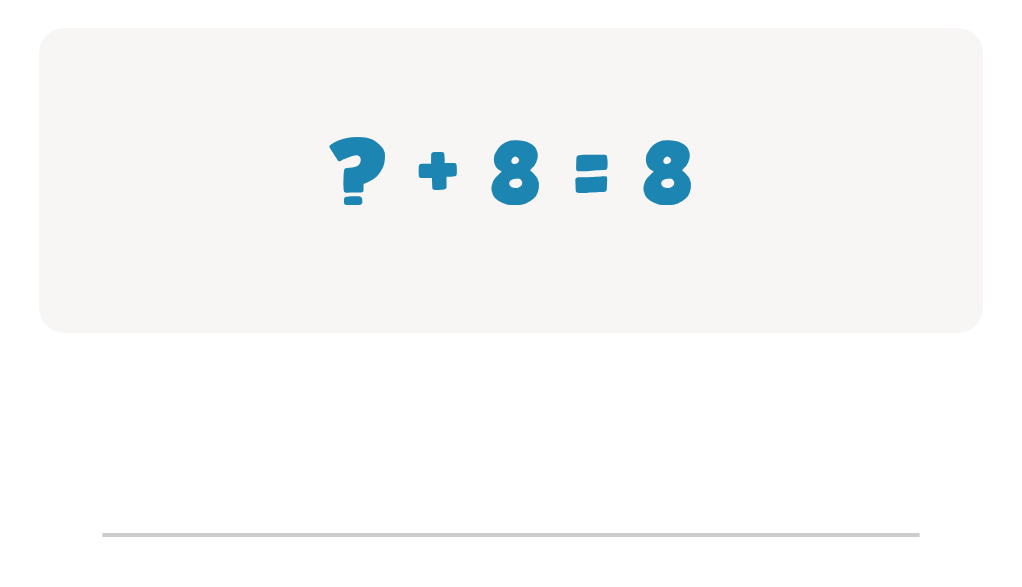
Build up to 13 Worksheet





.jpg)


Number recognition and easy addition facts are fundamental building blocks in early childhood education, particularly for children aged 3-4. Caring about these skills is essential for both parents and teachers for several reasons.
Firstly, number recognition lays the groundwork for all future mathematics learning. When children can identify numbers, they begin to comprehend their symbolic meanings, paving the way for an understanding of more complex mathematical concepts. This fundamental skill is crucial for everyday tasks such as counting objects, understanding time, and recognizing patterns, all of which are vital for daily life.
Secondly, introducing easy addition facts at an early age helps develop problem-solving skills and cognitive abilities. Basic arithmetic promotes logical thinking and the ability to make connections between pieces of information. This not only aids in math but also fosters overall intellectual growth, enhancing children’s abilities in areas like science, reading comprehension, and logical reasoning.
Additionally, mastering these early math skills boosts children’s confidence and enthusiasm for learning. It sets a positive tone for their future educational experiences and mitigates math anxiety, which can be a significant barrier in later years.
By nurturing these foundational skills, parents and teachers invest in a child's long-term academic success and cognitive development, fostering a lifelong love and understanding of mathematics.








