Counting skills Easy Numbers Worksheets for Ages 3-4 - Page 2
54 filtered results
-
From - To
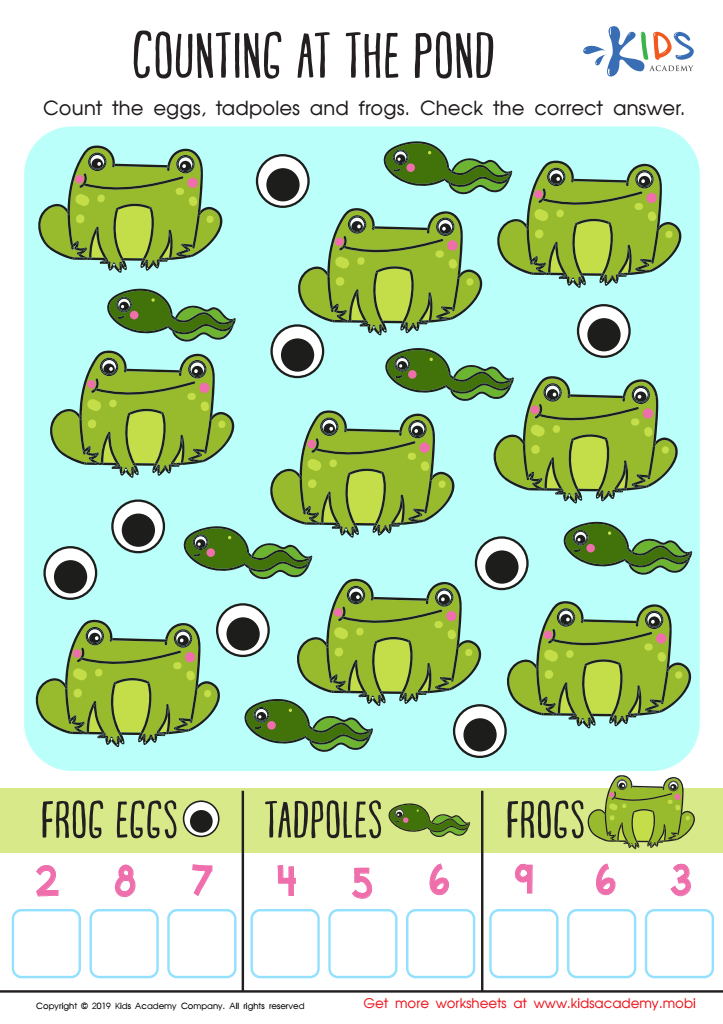
Counting at the Pond Worksheet
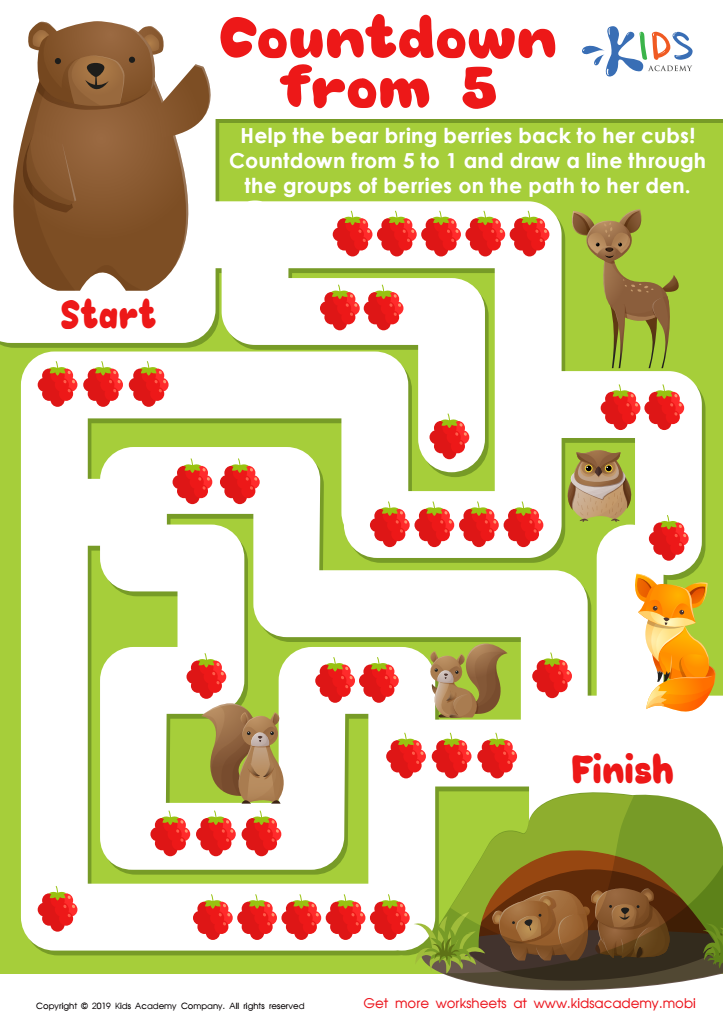
Countdown from 5 Worksheet
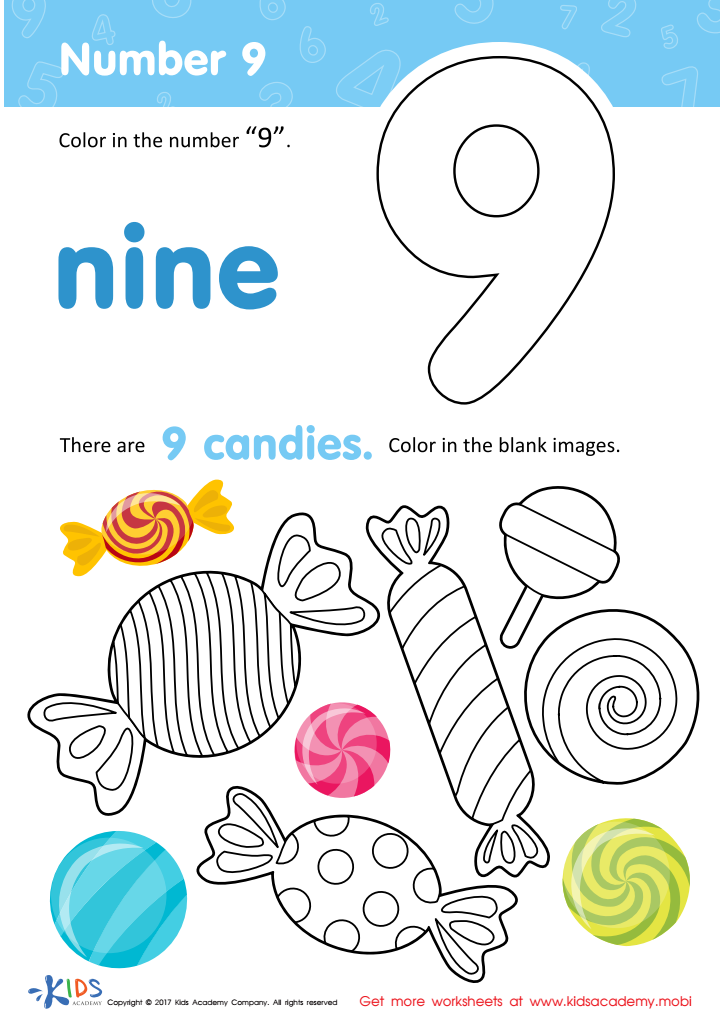
Number 9 Printable
 Assign to My Students
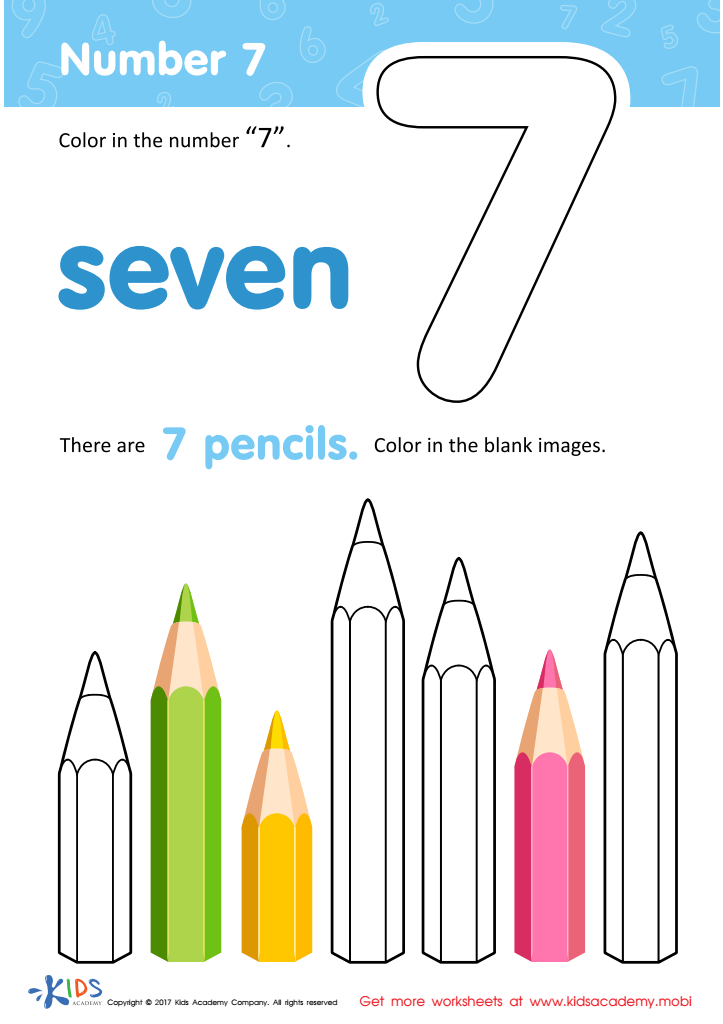
Number 7 Worksheet
Assign to My Students
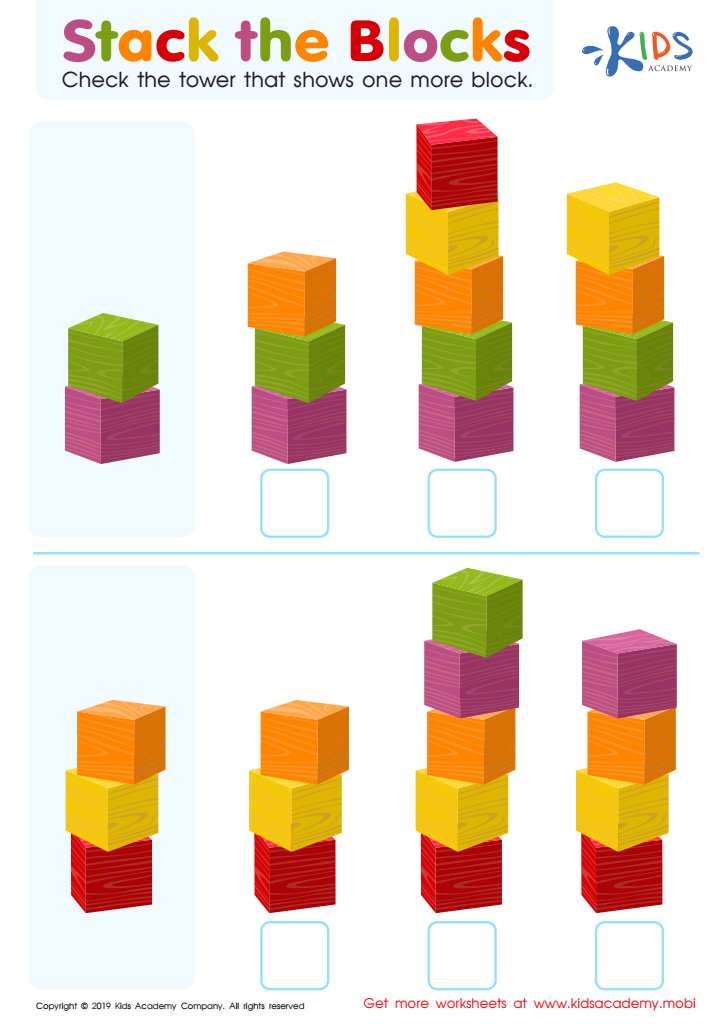
Stack the Blocks Worksheet
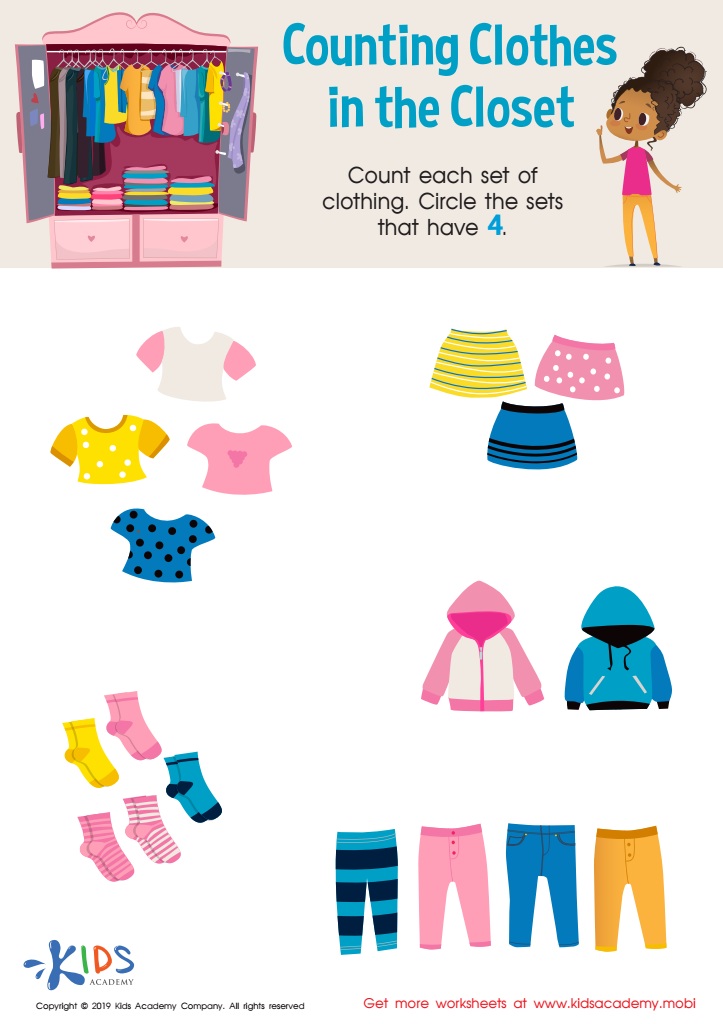
Counting Clothes Worksheet
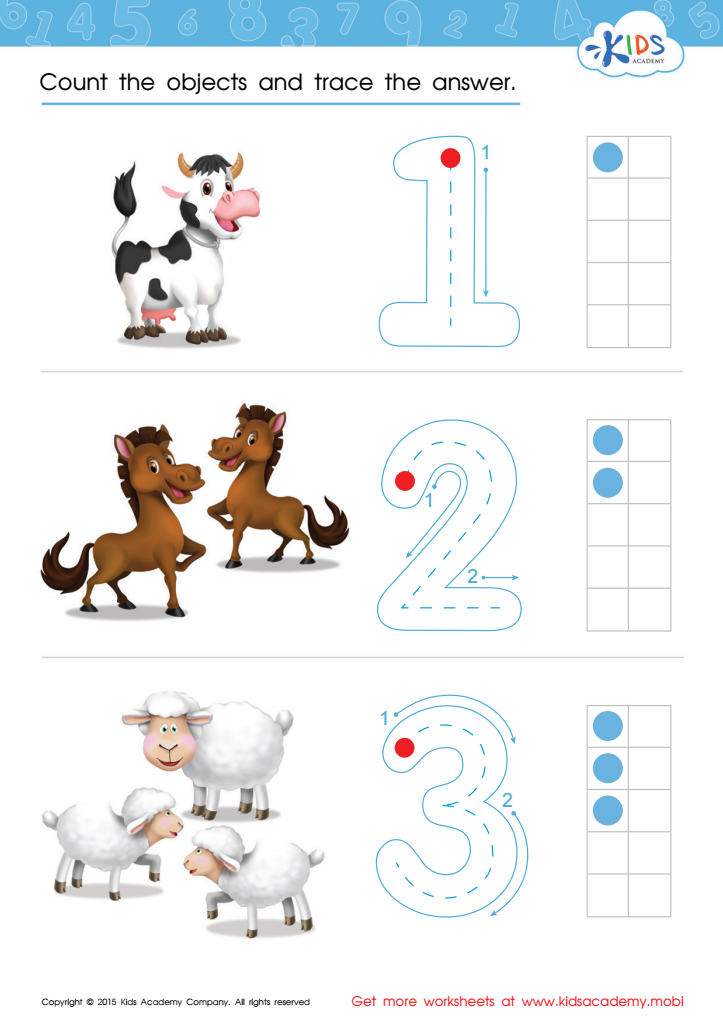
Count and Trace 1 – 3 Worksheet
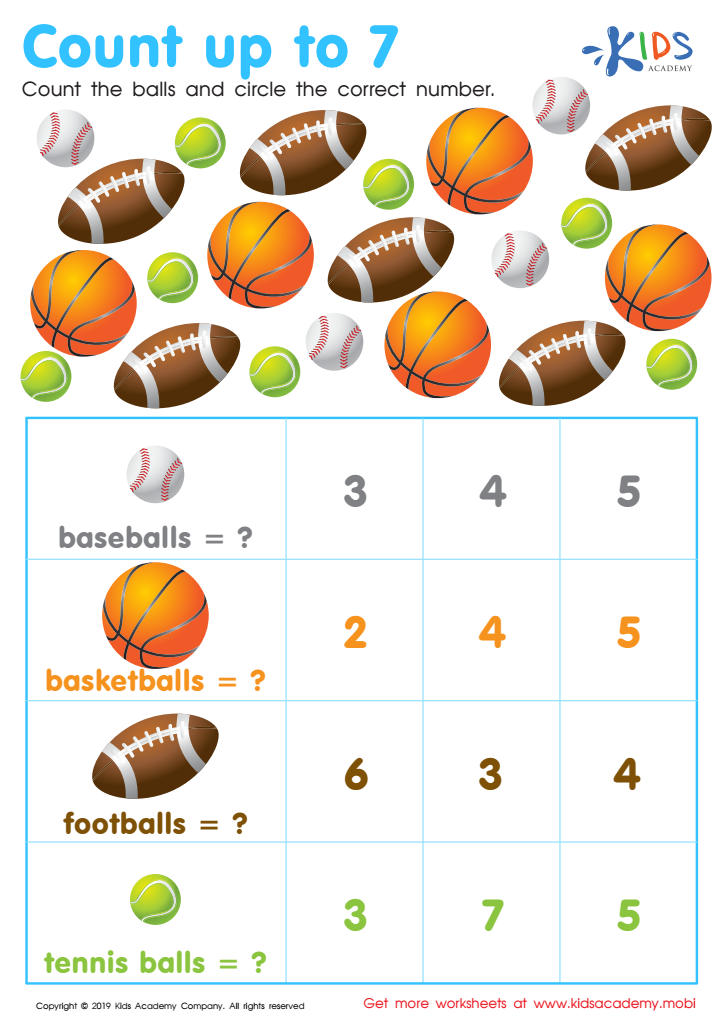
Count up to 7 Worksheet
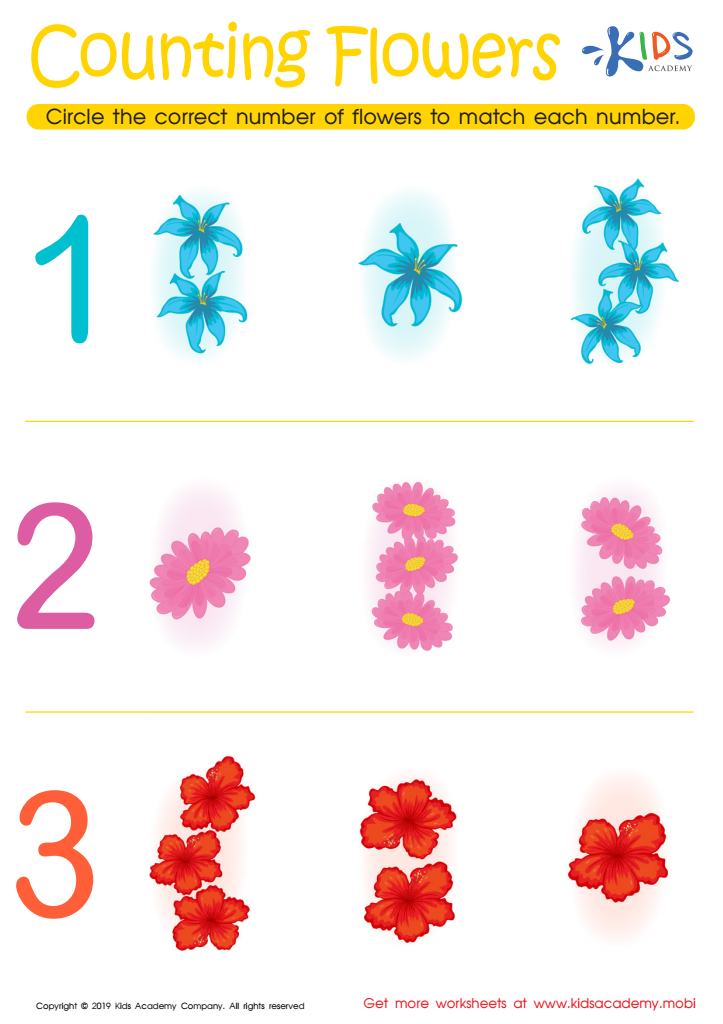
Counting Flowers Worksheet
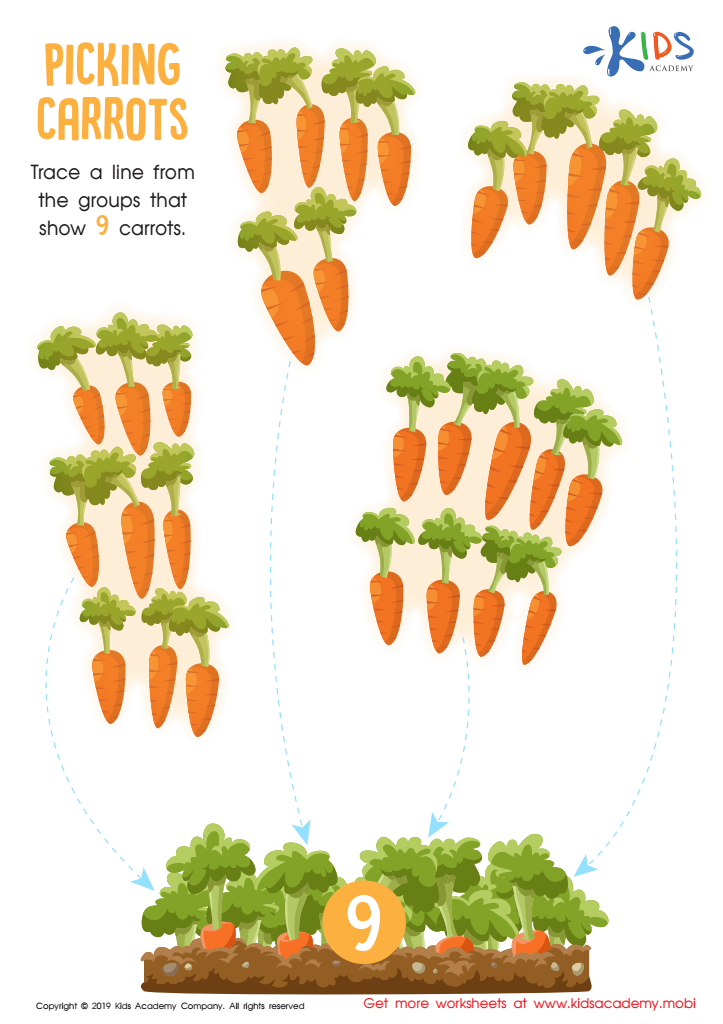
Picking Carrots Worksheet
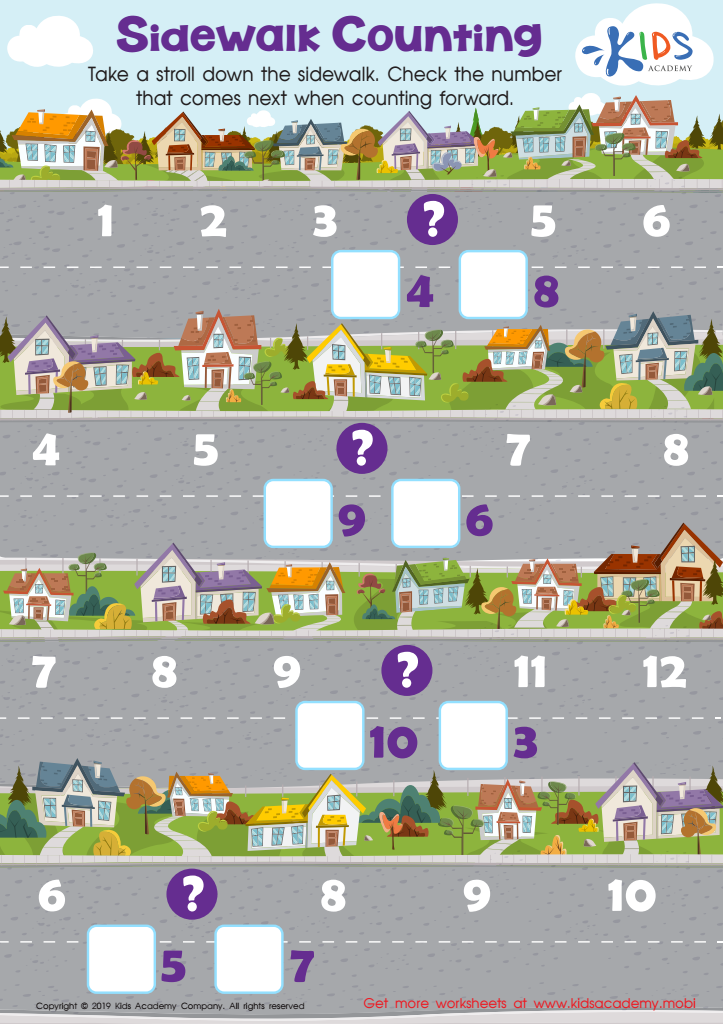
Sidewalk Counting Worksheet
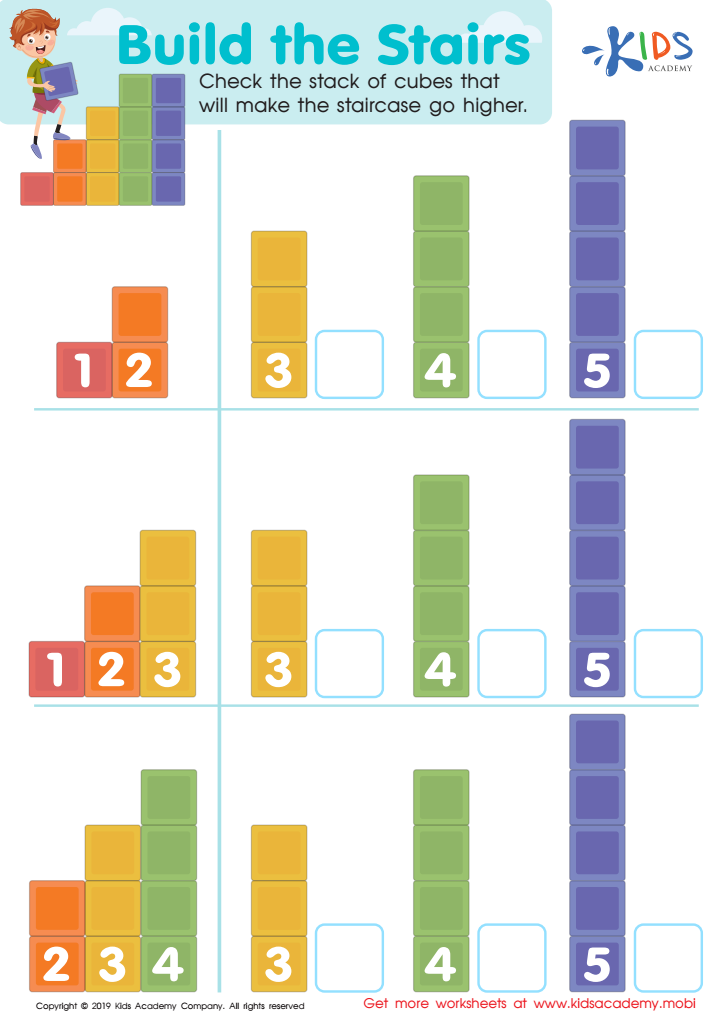
Build the Stairs Worksheet
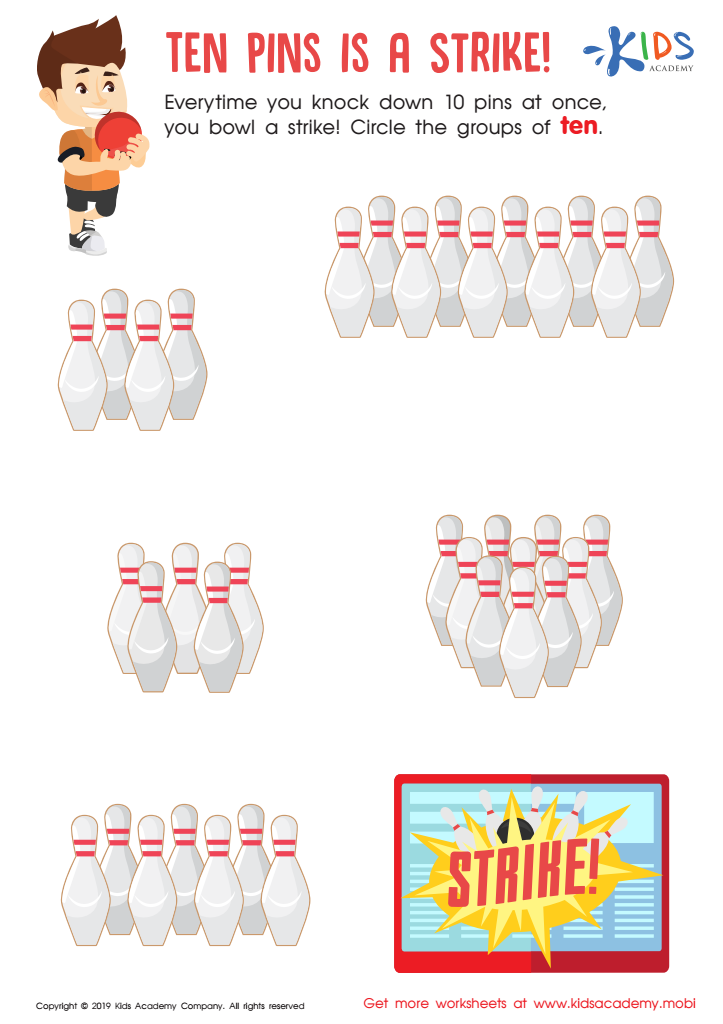
Ten Pins is a Strike Worksheet
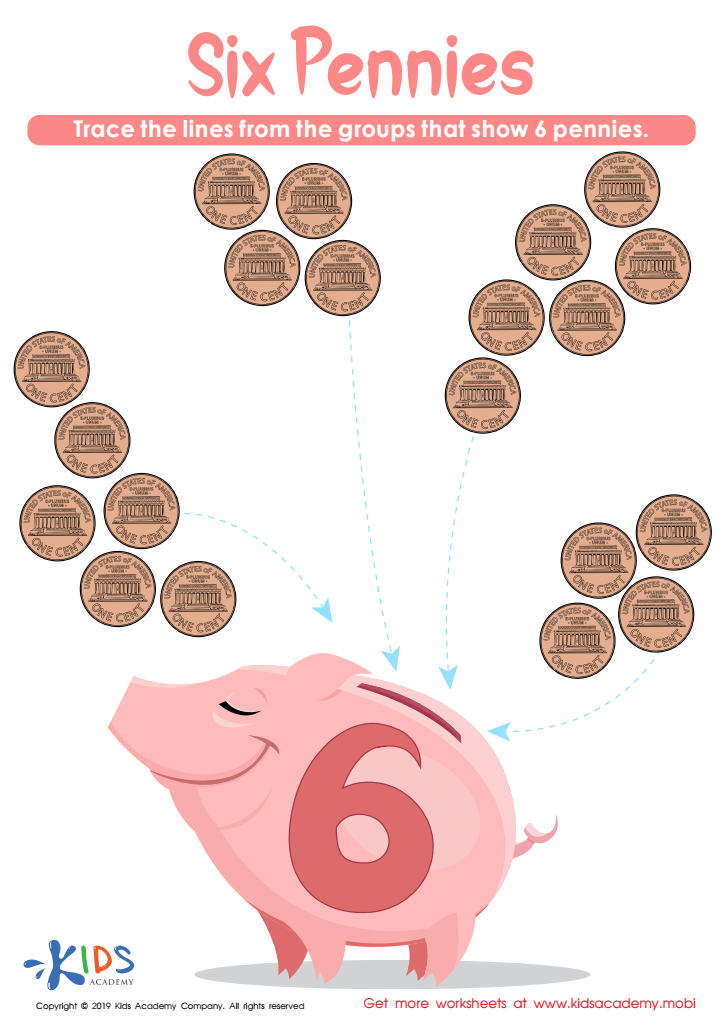
Six Pennies Worksheet
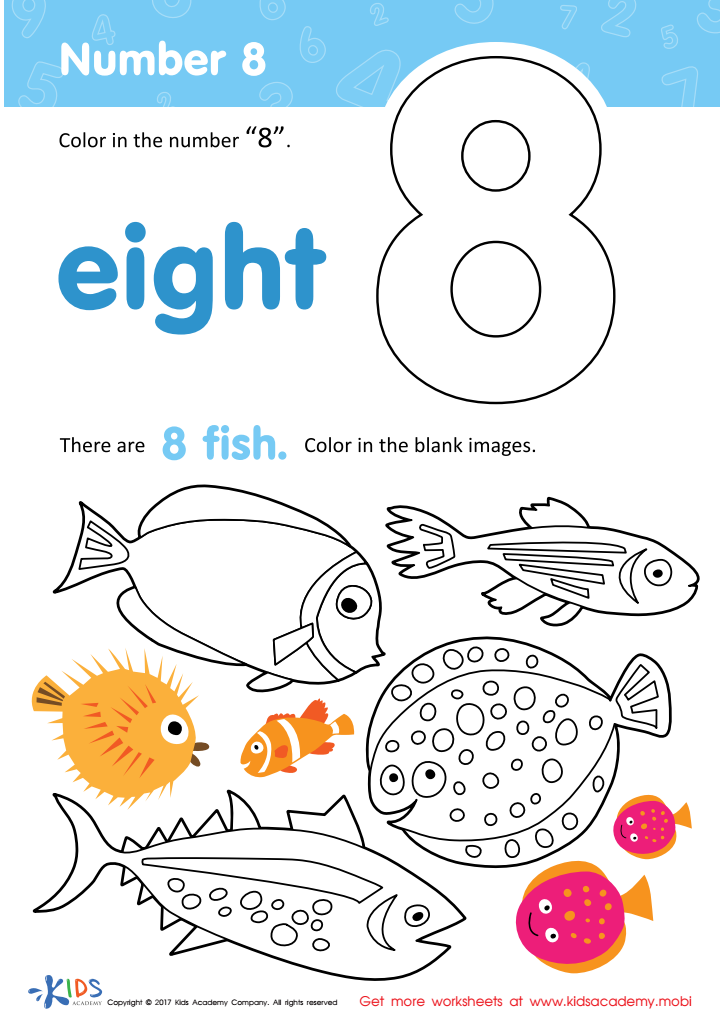
Number 8 Printable
Assign to My Students
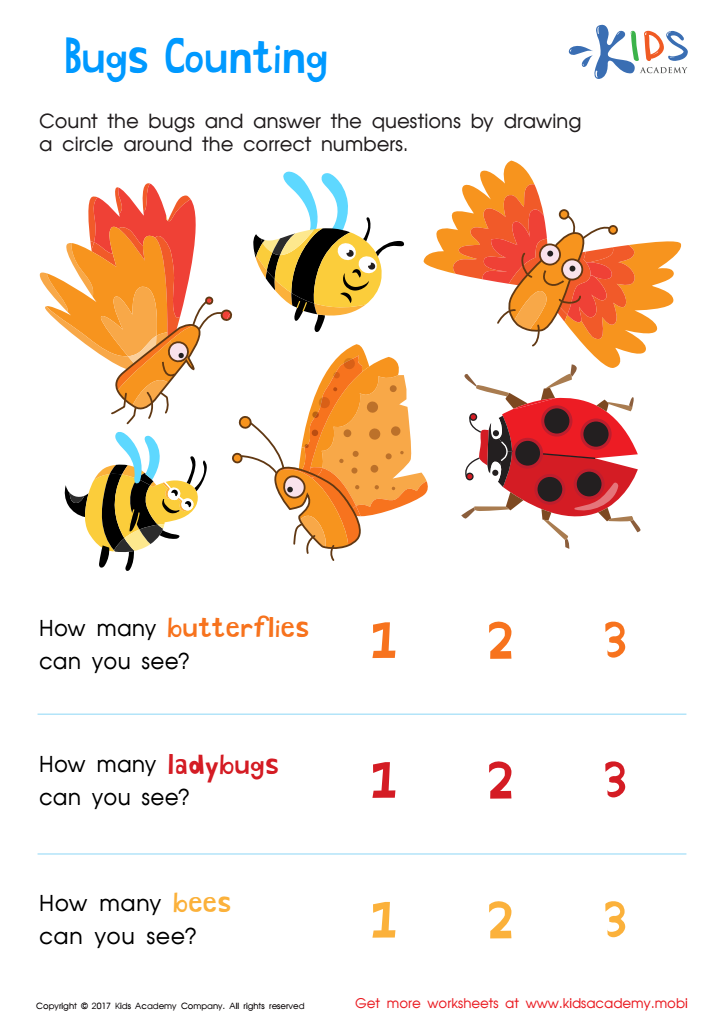
Bugs Counting Worksheet
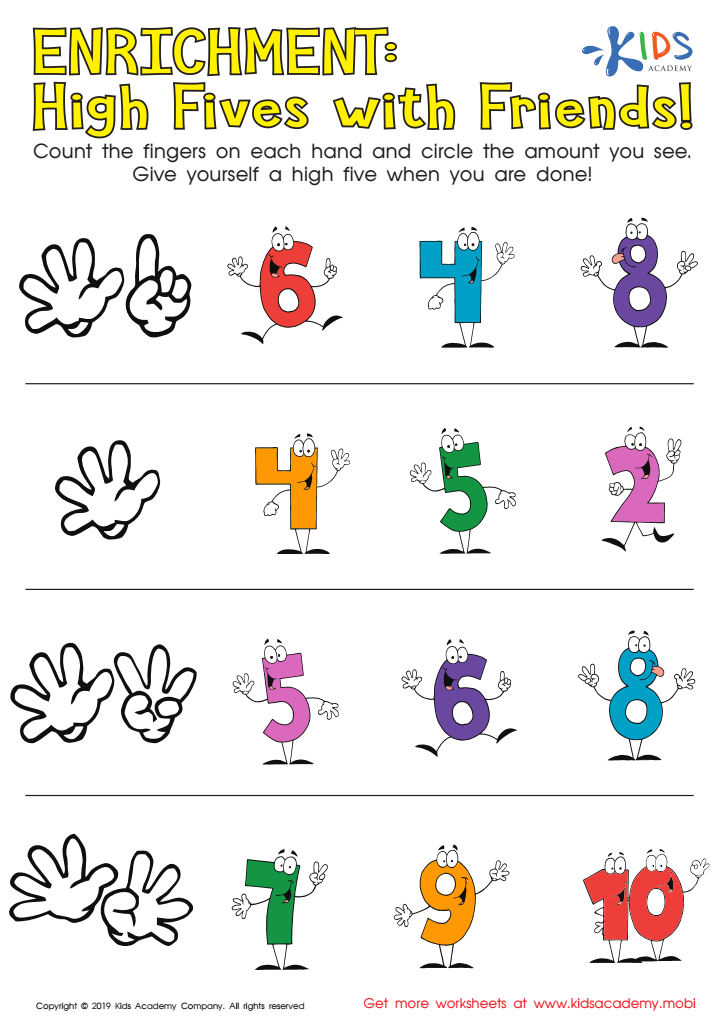
Enrichment: High Fives with Friends! Worksheet
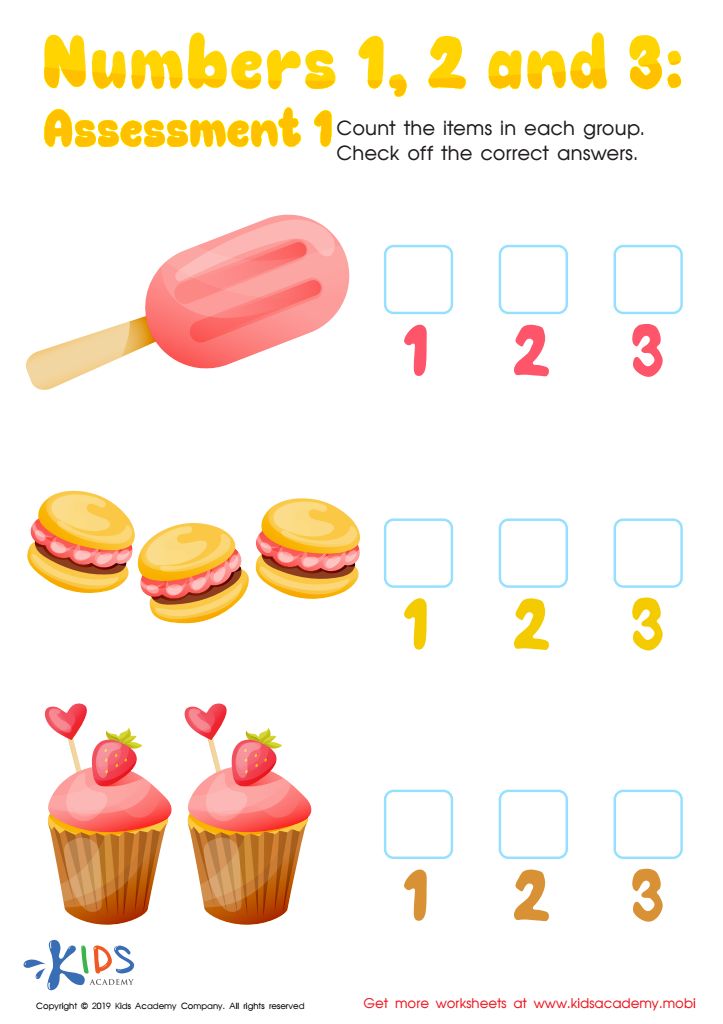
Numbers 1, 2 and 3: Assessment 1 Worksheet
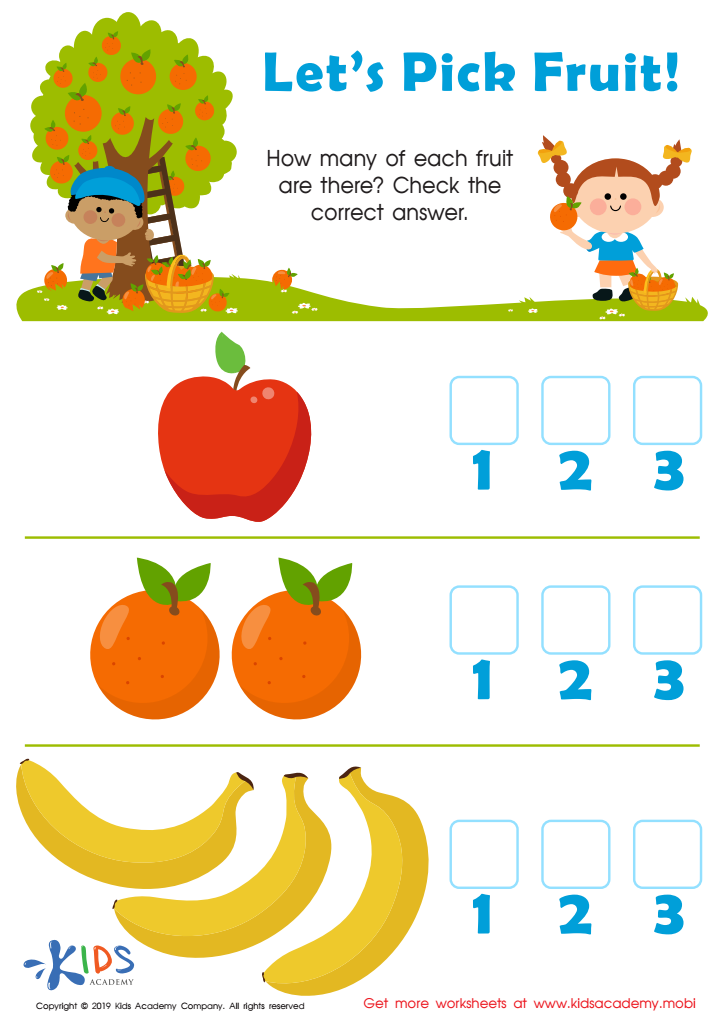
Let's Pick Fruit Worksheet
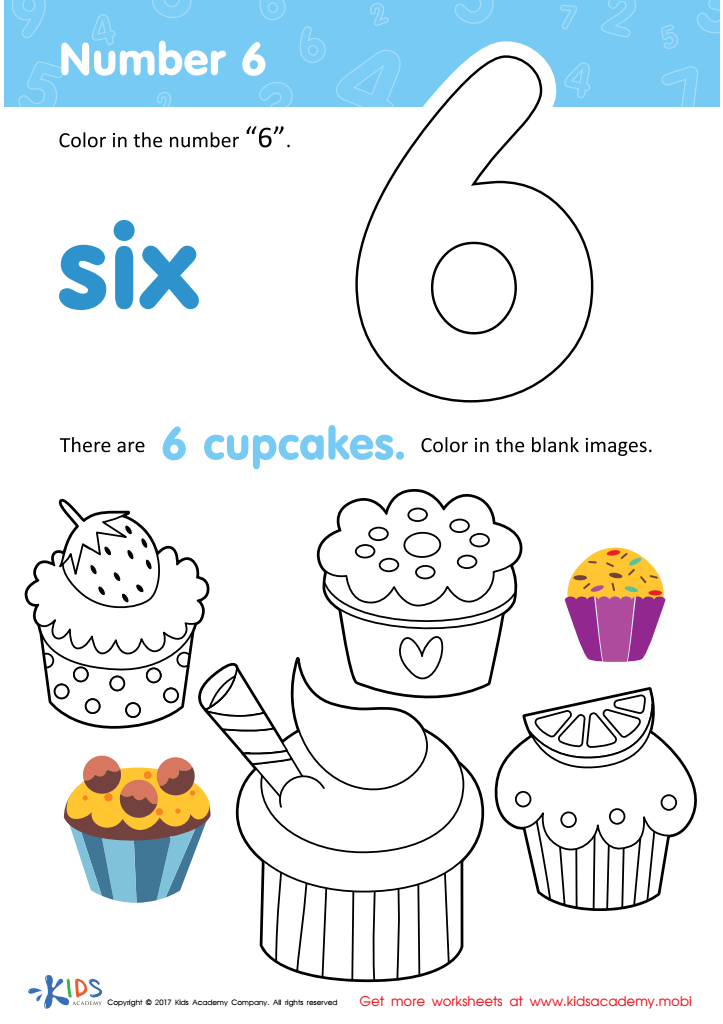
Number 6 Worksheet
Assign to My Students
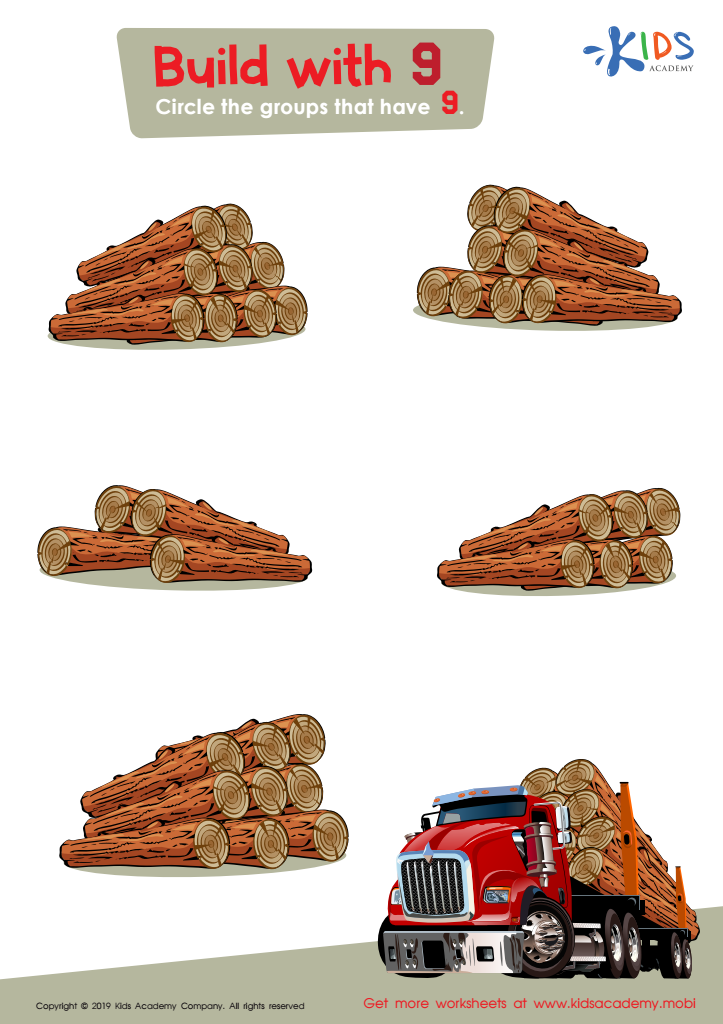
Build with 9 Worksheet
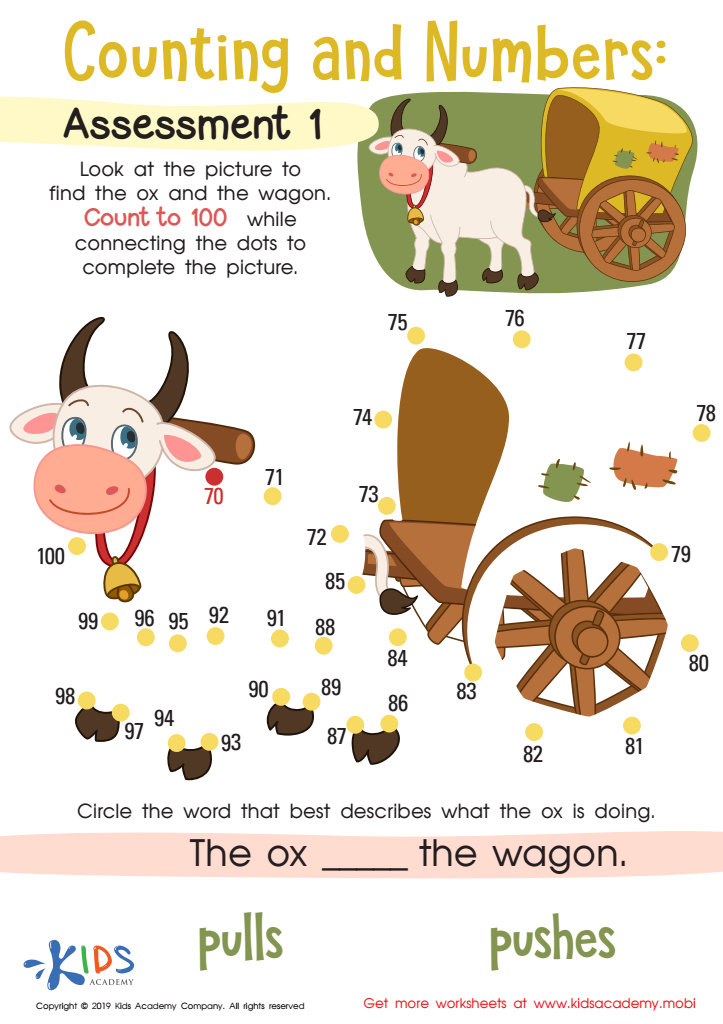
Counting and Numbers: Assessment 1 Worksheet
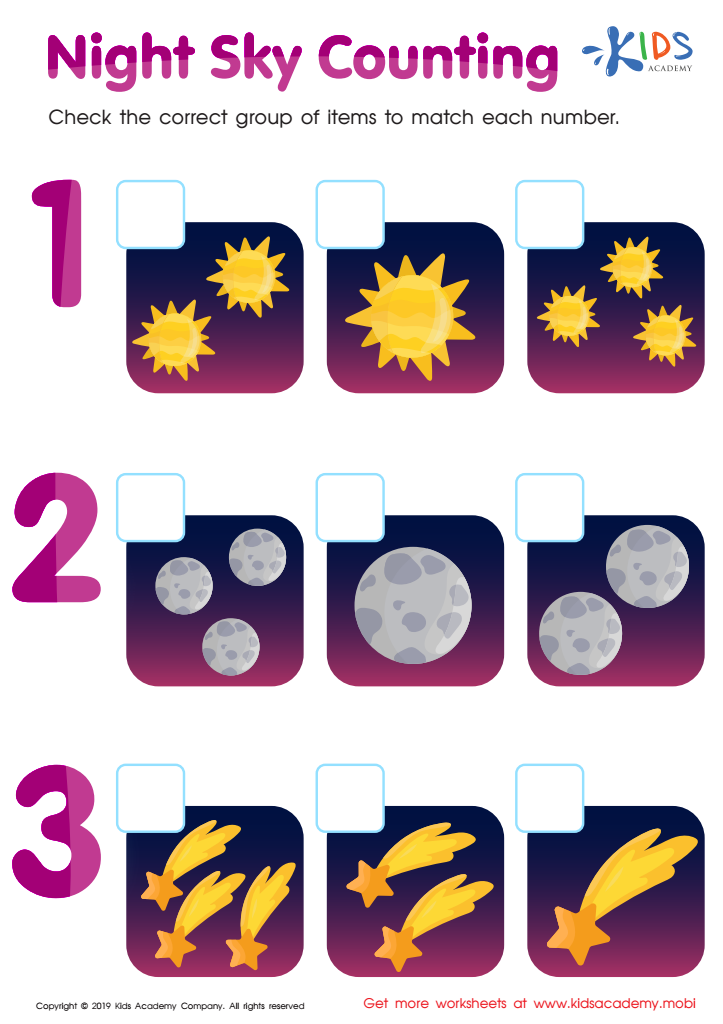
Night Sky Counting Worksheet
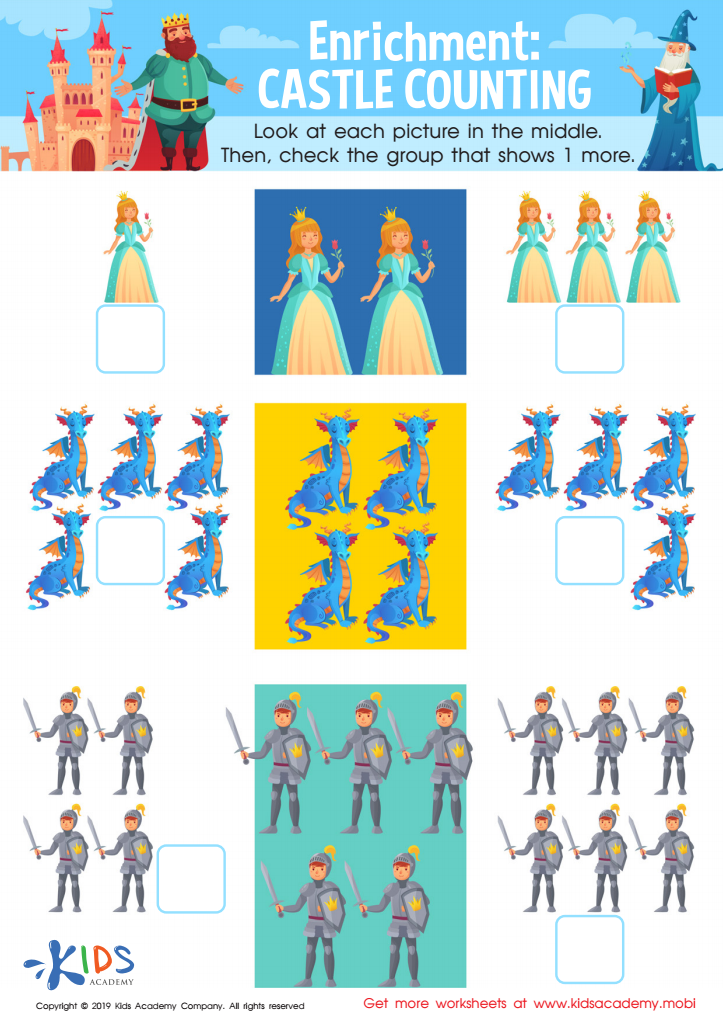
Enrichment: Castle Counting Worksheet








Counting skills are foundational for young children's cognitive development and academic success. For ages 3-4, mastering easy numbers sets the stage for later math proficiency and critical thinking. At this age, children are highly receptive to learning through play, making it an ideal time for parents and teachers to introduce counting.
Understanding numbers helps children develop important skills such as recognizing patterns, comparing quantities, and problem-solving. These skills extend beyond mathematics, enhancing overall cognitive abilities and fostering a mindset geared toward learning. For instance, counting everyday items like blocks or snacks helps children associate numbers with real-world contexts, making learning engaging and relatable.
Additionally, fostering counting skills can boost children's confidence. As children progress from simple counting to more complex math concepts, they build a solid foundation that will benefit them in school and beyond.
Moreover, early counting activities encourage social interaction and communication as children often learn best through group play. In summary, nurturing counting skills in ages 3-4 not only facilitates early math competencies but also contributes to holistic development, setting children on a path of lifelong learning and curiosity. Parents and teachers play a critical role in this vital process, making it essential they prioritize counting skills.








