Fine Motor Skills Easy Numbers 11–20 Worksheets for Ages 3-4
4 filtered results
-
From - To
Enhance your child's fine motor skills with our "Fine Motor Skills Easy Numbers 11–20 Worksheets for Ages 3-4". These thoughtfully designed worksheets introduce numbers 11-20 using fun and engaging activities tailored for young learners. Children practice tracing, counting, and writing, supporting both numerical understanding and hand coordination. Perfect for preschoolers, these worksheets combine education with creativity, ideally matching early developmental stages. Parents and educators will love the clear instructions and illustrations that make learning enjoyable and straightforward. Help your little ones build essential skills with these practical, easy-to-use resources from Kids Academy.
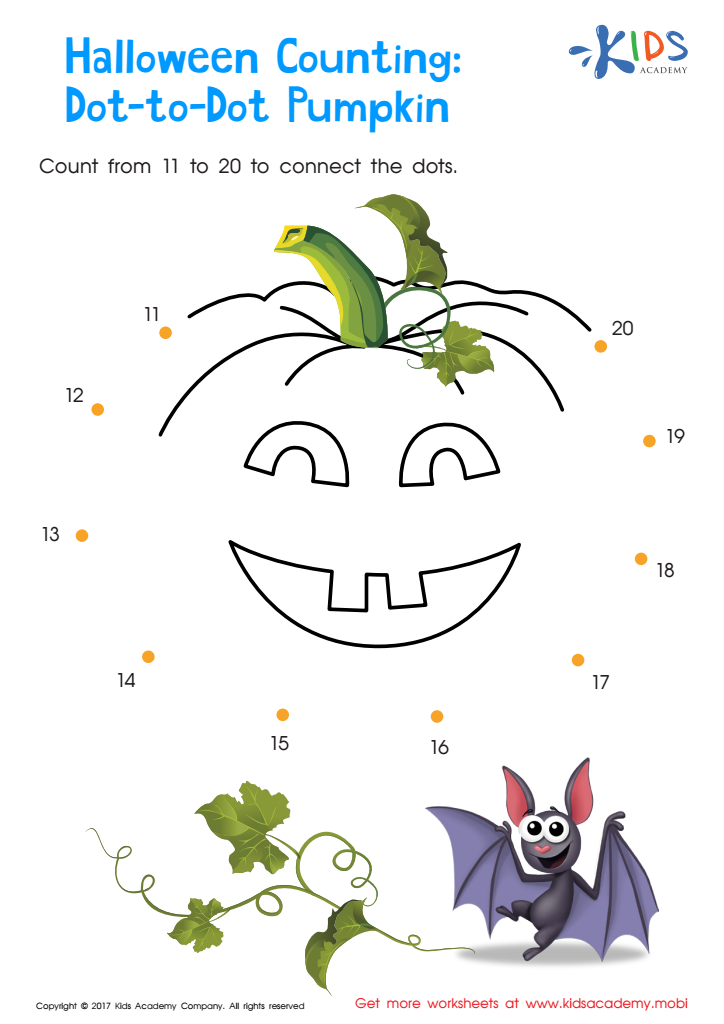
Ordering 11–20: Halloween Counting Worksheet
 Assign to My Students
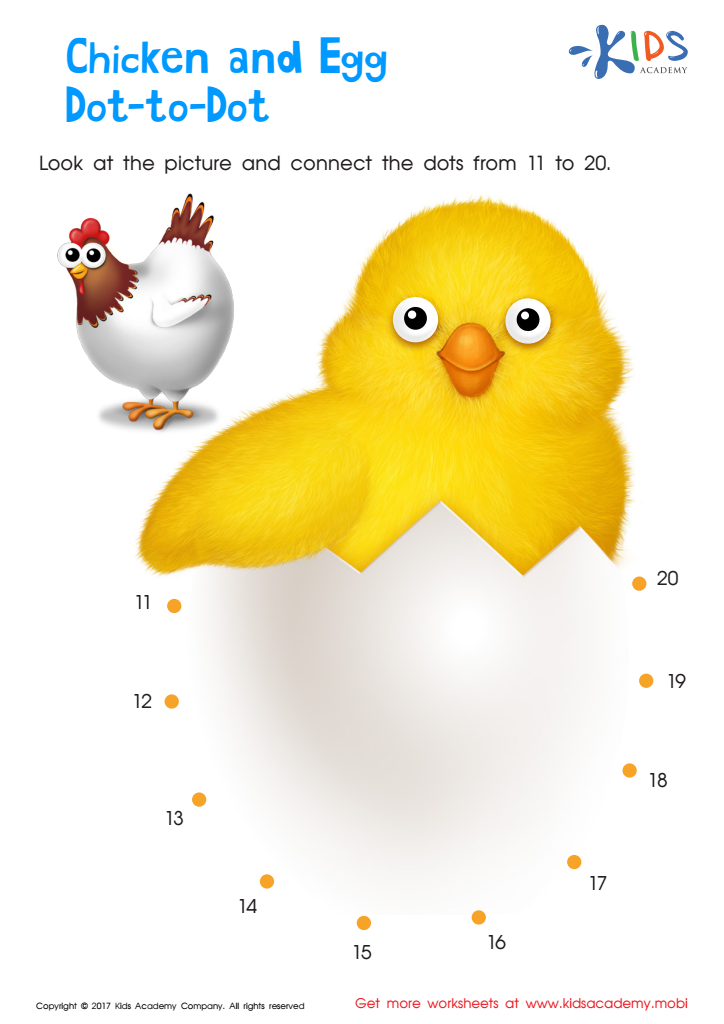
Ordering 11–20: Chicken & Egg Dot–to–dot Worksheet
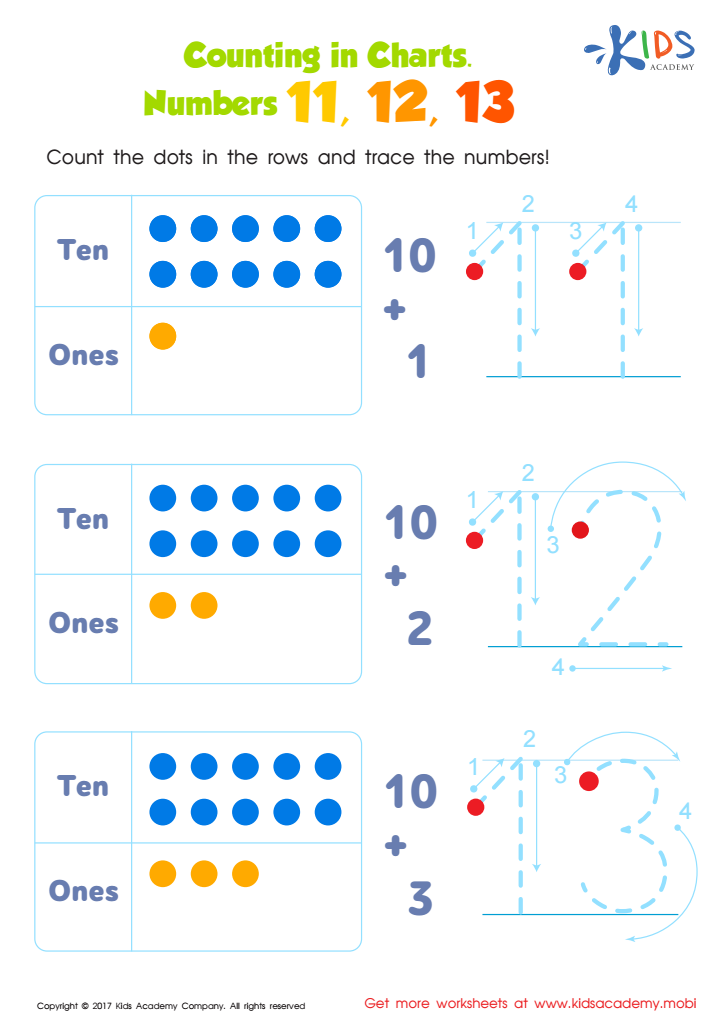
Number Tracing Worksheet For Kindergarten
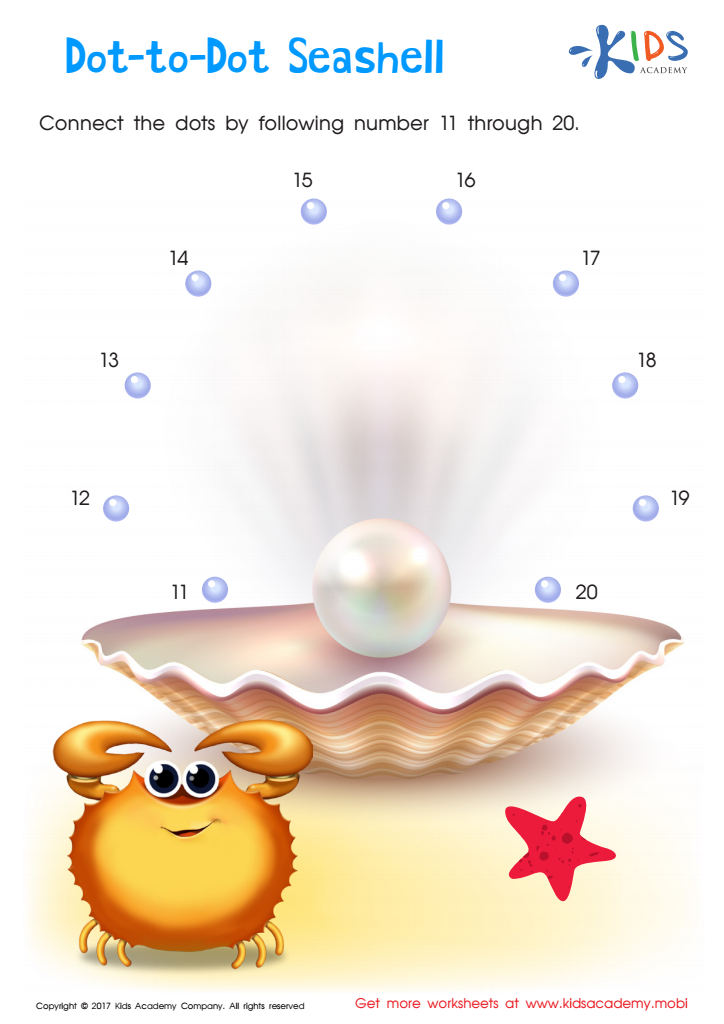
Ordering 11–20: Dot–to–dot Seashell Printable



Parents and teachers should pay attention to fine motor skills and early number recognition for ages 3-4 because they lay the foundational development for a child's academic and everyday life success. Fine motor skills involve the use of small muscles in hands and fingers, which are essential for tasks such as writing, buttoning clothes, and using utensils. Strengthening these skills in young children enhances their hand-eye coordination and dexterity.
Integrating numbers 11-20 into activities helps children advance their counting and number recognition skills. At this age, children are beginning to grasp basic math concepts, and exposure to these numbers can initiate familiarity and comfort with numerical sequences beyond 1-10. Exercises focusing on numbers 11-20 help kindergarten readiness, setting the stage for adding, subtracting, and a positive attitude towards math.
Combining fine motor skill activities (like tracing or assembling number puzzles up to 20) inherently teaches patience, focus, and encourages cognitive development. By emphasizing these early learning skills, parents and teachers can foster an early love for learning, ensuring children are well-equipped for more complex tasks in the future. Investing time and resources in these areas provides a holistic approach to a young child’s education.