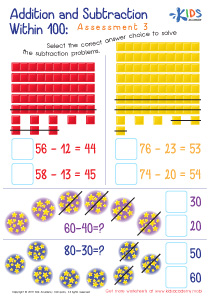
Hand-eye Coordination Easy Numbers 11–20 Worksheets for Ages 3-4
3 filtered results
-
From - To
Enhance your child's early learning experience with our Hand-eye Coordination Easy Numbers 11–20 Worksheets, designed specifically for ages 3-4. These engaging, printable worksheets foster essential motor skills while introducing children to the numbers 11 through 20. Each activity is crafted to hold your child's interest, promoting fun and interactive learning. As kids trace, color, and complete various tasks, they will strengthen their hand-eye coordination and number recognition. Perfect for homeschooling or classroom activities, our worksheets make it simple to support young learners as they embark on their educational journey. Download and watch your child's confidence and skills flourish!
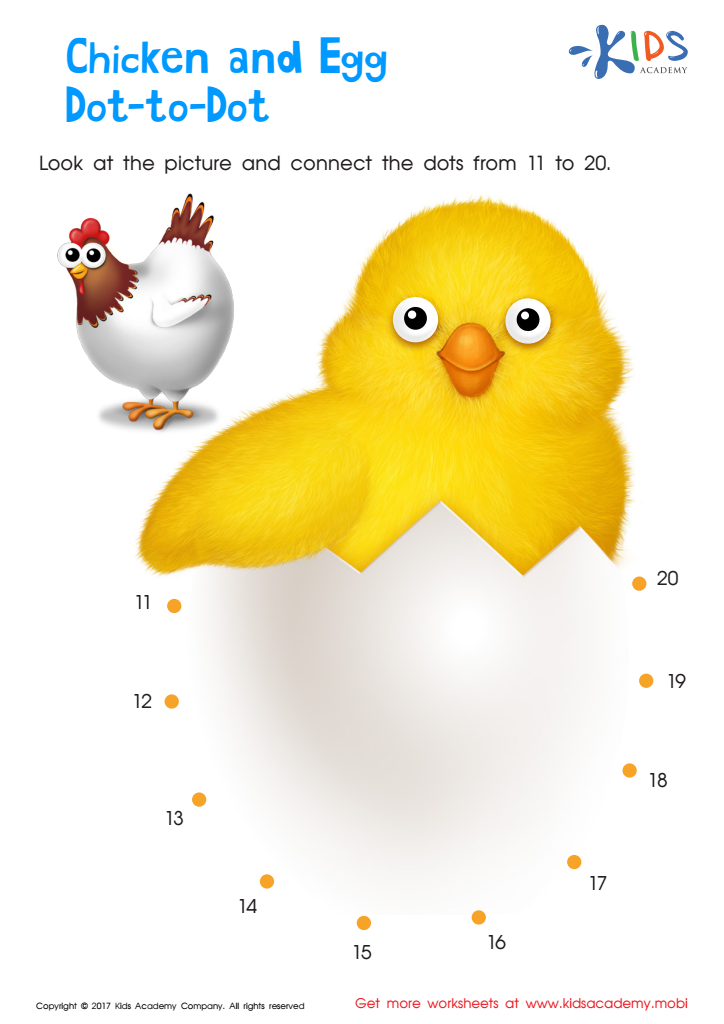
Ordering 11–20: Chicken & Egg Dot–to–dot Worksheet
 Assign to My Students
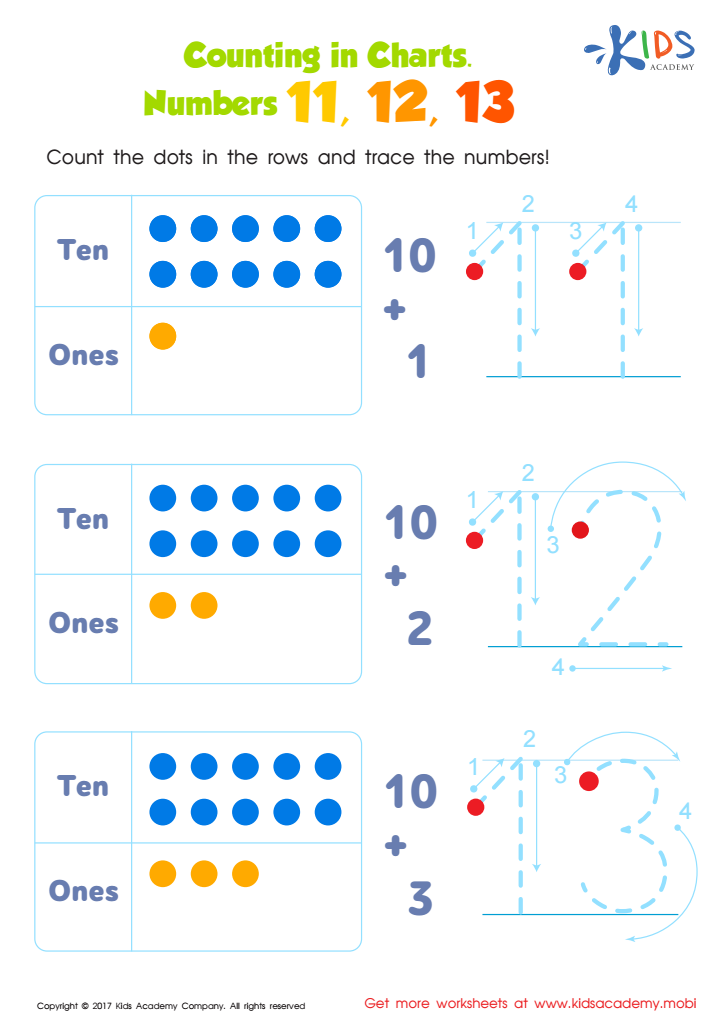
Number Tracing Worksheet For Kindergarten
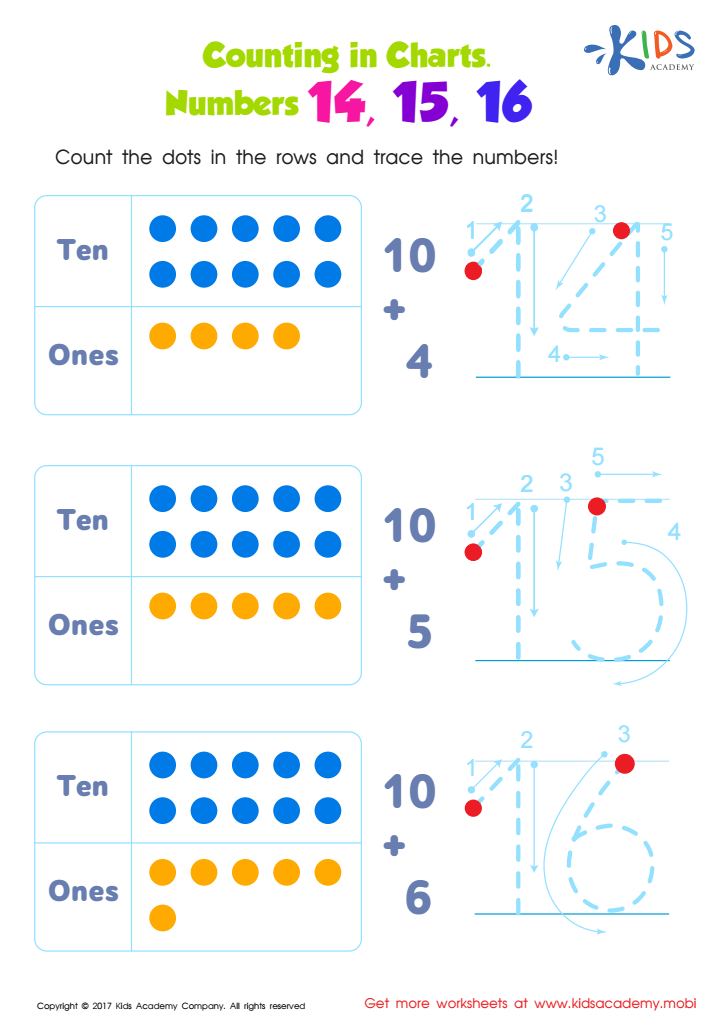
Number Tracing Worksheet



Hand-eye coordination is a fundamental skill that significantly impacts a child's development, especially for children ages 3-4 learning easy numbers from 11-20. This ability allows children to synchronize their visual perception with their hand movements, a skill crucial for many everyday activities, such as writing, drawing, and even buttoning shirts.
In the context of learning numbers, engaging in activities that foster hand-eye coordination—like counting objects, coloring numbers, or playing with building blocks—helps children grasp number recognition and promotes fine motor skills simultaneously. These activities also keep children motivated and facilitate active learning through play.
Parents and teachers should prioritize hand-eye coordination because it lays the groundwork for academic success and cognitive development. As children master this coordination, they can participate more effectively in classroom activities, enhancing their confidence and curiosity.
Furthermore, strong hand-eye coordination aids in developing critical thinking and problem-solving skills. By supporting children in mastering numbers 11-20 through interactive games and fun activities that require this skill, parents and teachers can create an enriching learning environment that fosters both educational growth and physical development. Investing attention in these early skills ultimately benefits children in later academic pursuits and everyday tasks throughout their lives.