Filters

10 filtered results

Clear all filters
Favorites
With answer key
Interactive

10 filtered results

Difficulty Level

Grade


Boost your child's language skills with our "Vocabulary Enhancement Easy Building Vocabulary Worksheets" designed specifically for ages 3-4. These engaging and interactive worksheets provide a fun way for young learners to explore new words and enhance their vocabulary. Each activity encourages creativity while reinforcing essential language skills through colorful illustrations and relatable contexts. Perfect for parents and educators, our worksheets facilitate early literacy development, making learning enjoyable. Help your child express themselves with confidence and curiosity as they embark on this vocabulary building journey. Ideal for classroom aids or at-home learning, these worksheets set the stage for lifelong language growth!

Check out this FREE Trial Lesson on Building Vocabulary for age 3-4!

Prefixes un-, pre-

Favorites
With answer key
Interactive
  • 3-4
  • Vocabulary enhancement
  • Building Vocabulary
  • Easy
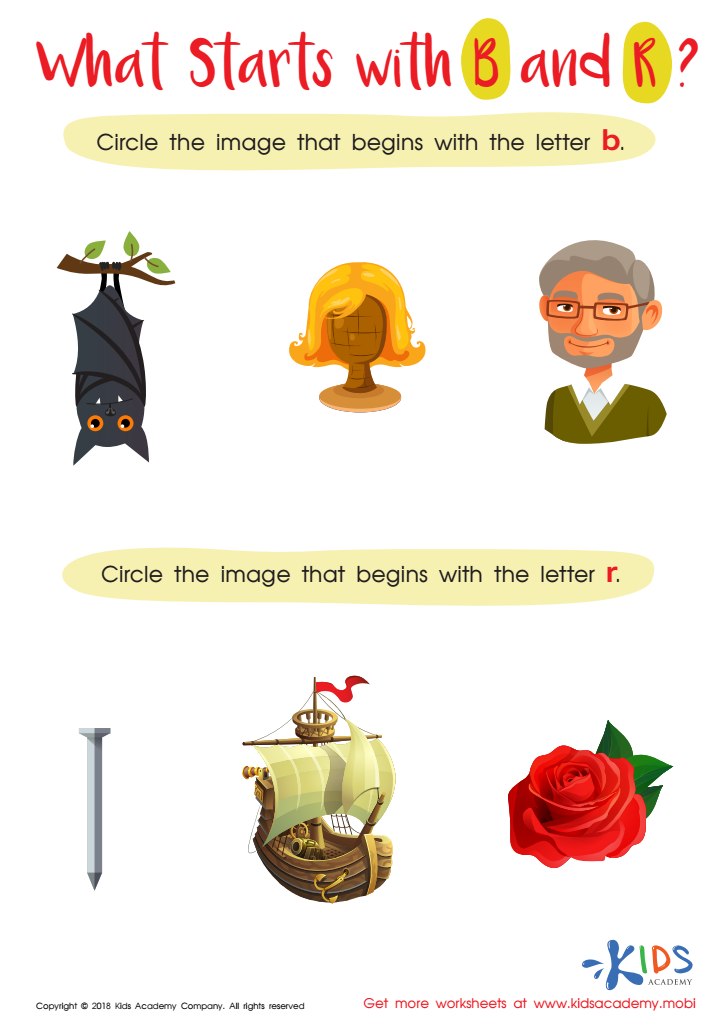
What Starts with B and R? Worksheet


What Starts with B and R? Worksheet

Download this worksheet to help young readers practice visual and motor skills! They'll enjoy matching pictures with "B" and "R" letters while tracing the images. Bright and colorful, this engaging activity will help kids differentiate between words and have fun doing it.
What Starts with B and R? Worksheet

Worksheet
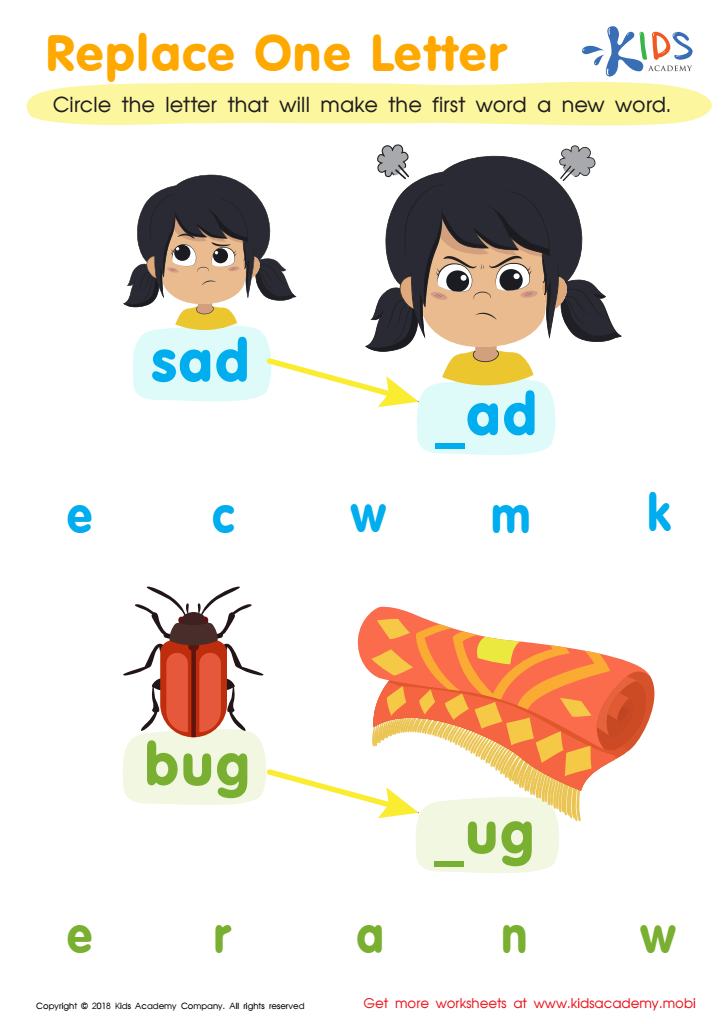
Replace One Letter Worksheet

Replace One Letter Worksheet

Emerging readers will practice switching initial consonants to create new words with this fun PDF worksheet. They'll use picture clues, learn about onset letters and work on their fine motor skills as they circle the right letter for each "ad" and "ug" word family.
Replace One Letter Worksheet
Worksheet
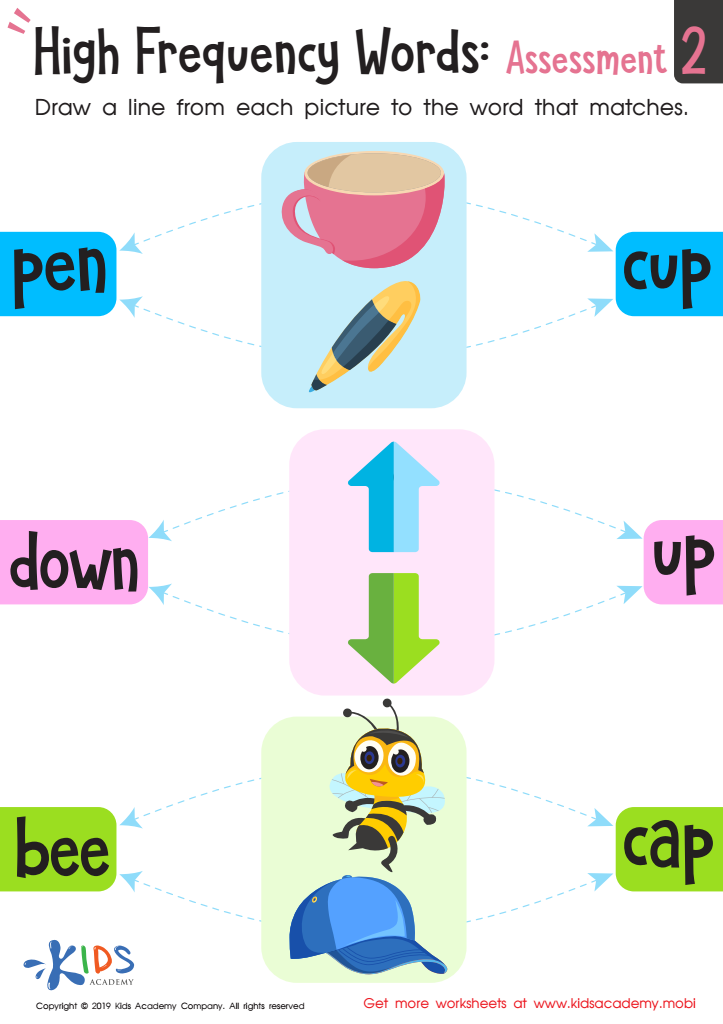
High Frequency Words: Assessment 2 Worksheet

High Frequency Words: Assessment 2 Worksheet

Having knowledge of high frequency words can make emergent readers stronger and boost comprehension. This free assessment worksheet uses traceable lines to connect the picture to its corresponding words, allowing them to feel successful. It's a great way to reinforce high frequency words with familiar imagery.
High Frequency Words: Assessment 2 Worksheet
Worksheet
Colors: Assessment 1 Worksheet

Colors: Assessment 1 Worksheet

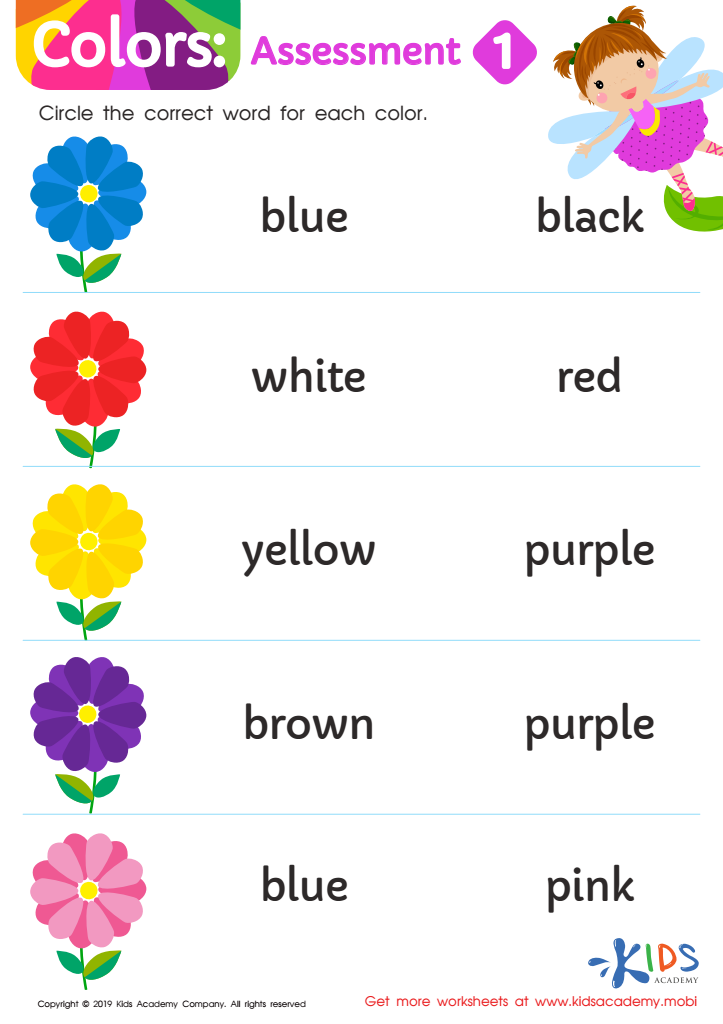
Children can decode unfamiliar words by sounding them out or by recognizing sight words. Color words are an important part of sight word knowledge, so add them to your child's list! This color word worksheet is an effective assessment tool for teachers to use with preschool and kindergarten students. It checks their knowledge of five color words - they simply look at the flower and circle the appropriate color word!
Colors: Assessment 1 Worksheet
Worksheet
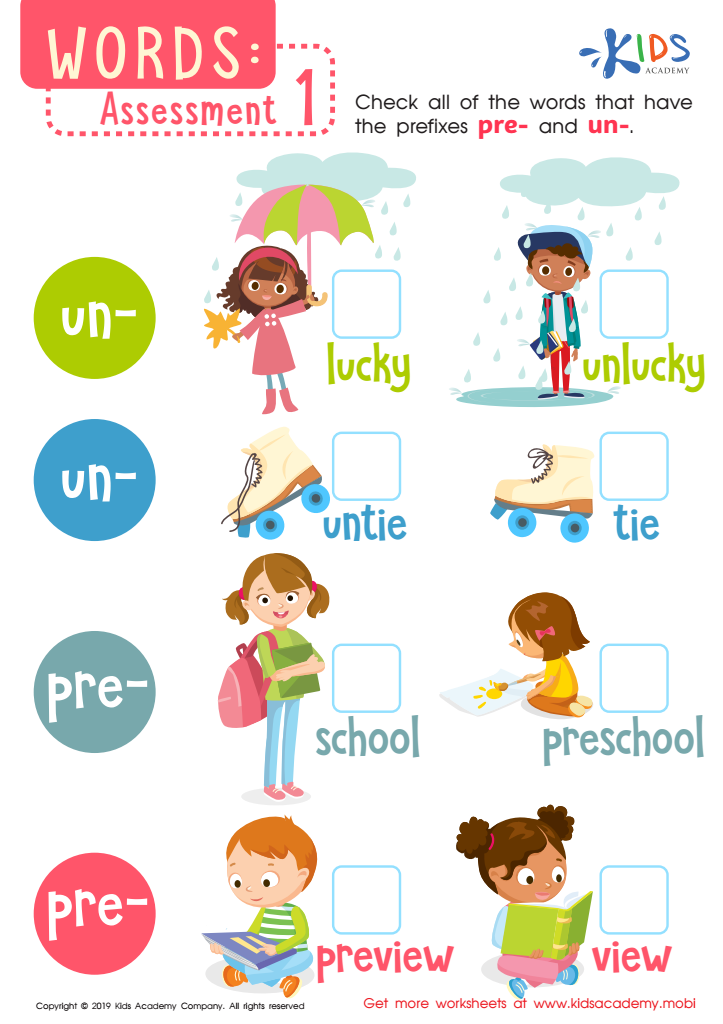
Words: Assessment 1 Worksheet

Words: Assessment 1 Worksheet

Help your child develop their knowledge of prefixes and suffixes with Kids Academy! This worksheet can test their understanding of pre- and un-. Have them view the illustrations and read the words to find the targeted prefix in each row. This is a great way to enhance their words and clarify meanings!
Words: Assessment 1 Worksheet
Worksheet
Boy and Girl Words Coloring Worksheet

Boy and Girl Words Coloring Worksheet

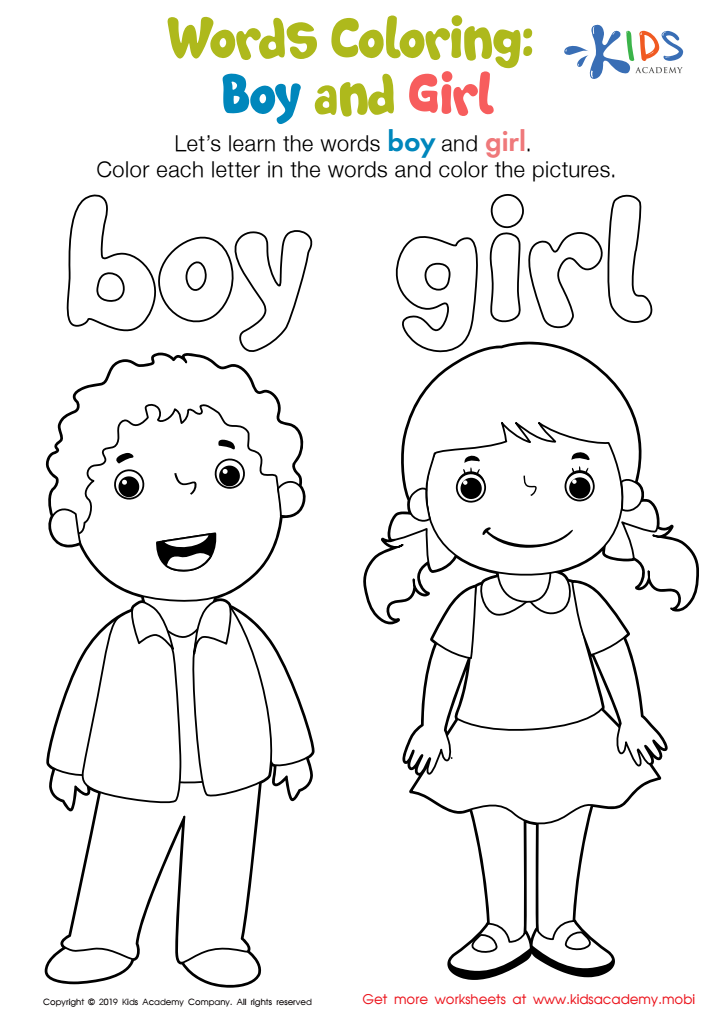
Help your students build their sight word vocabulary! Early readers may not be able to sound out all words, so this worksheet teaches them to read two important sight words: boy and girl. They will color the letters and a picture of each, making it a fun and educational way to learn. Download the PDF now.
Download (PDF)
Assign to My Students
Boy and Girl Words Coloring Worksheet
Worksheet
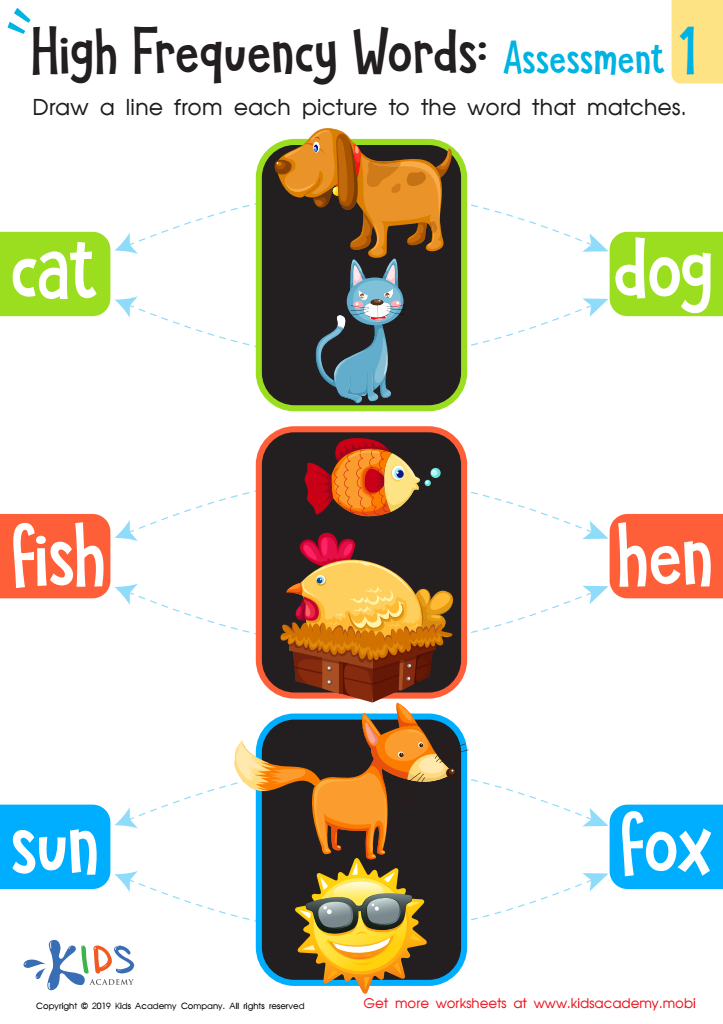
High Frequency Words: Assessment 1 Worksheet

High Frequency Words: Assessment 1 Worksheet

Emergent readers need to know high-frequency words accurately and quickly to develop fluency. Connecting these words to colorful, fun pictures helps reading prosody. This assessment worksheet uses traceable lines to help learners match pictures to words.
High Frequency Words: Assessment 1 Worksheet
Worksheet
Tired and Worried Words Coloring Worksheet

Tired and Worried Words Coloring Worksheet

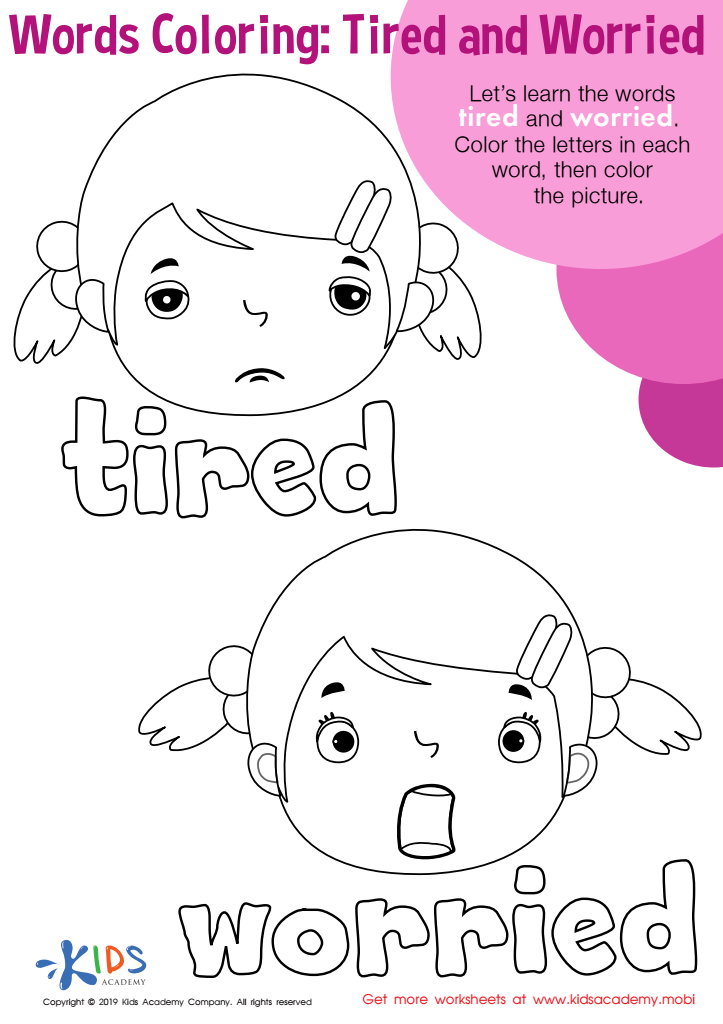
Teach your students about "tired" and "worried" with this worksheet. Have them read and color the emotion words, then color the pictures of a tired girl and a worried girl. Discuss what makes them tired and worried. Expand their vocabulary with this fun coloring activity!
Download (PDF)
Assign to My Students
Tired and Worried Words Coloring Worksheet
Worksheet
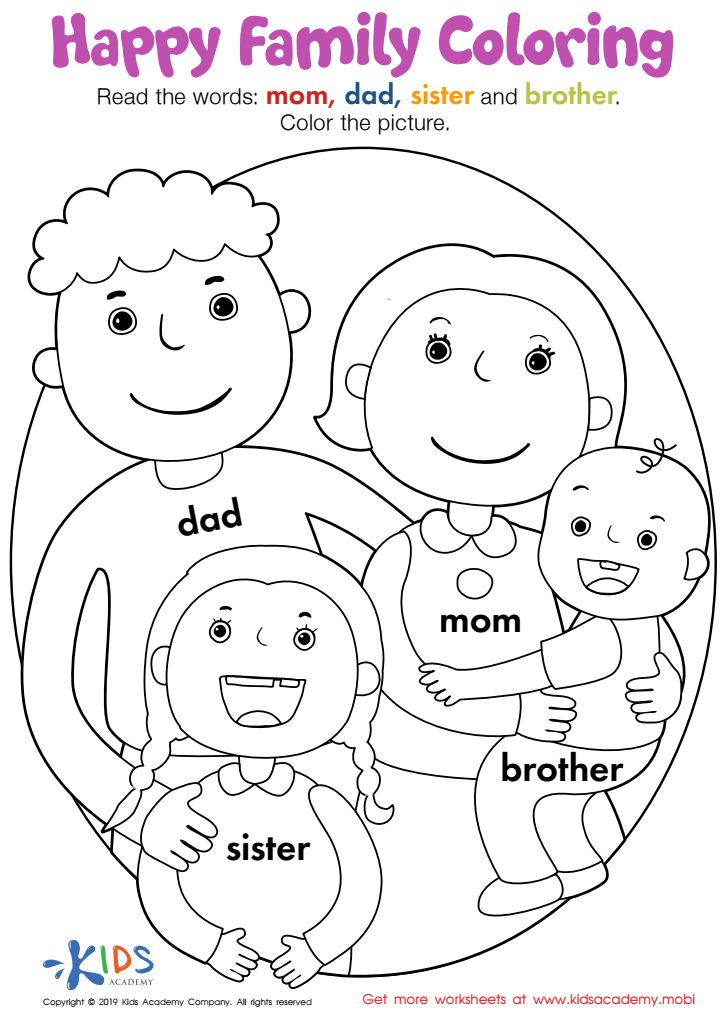
Happy Family Coloring Worksheet

Happy Family Coloring Worksheet

Help your students gain confidence in family vocabulary with this worksheet. Labelled images of a family (dad, mom, sister, brother) are featured, along with an accompanying activity to colour in the picture. Your students will feel a sense of accomplishment after reading and completing the printable.
Download (PDF)
Assign to My Students
Happy Family Coloring Worksheet
Worksheet
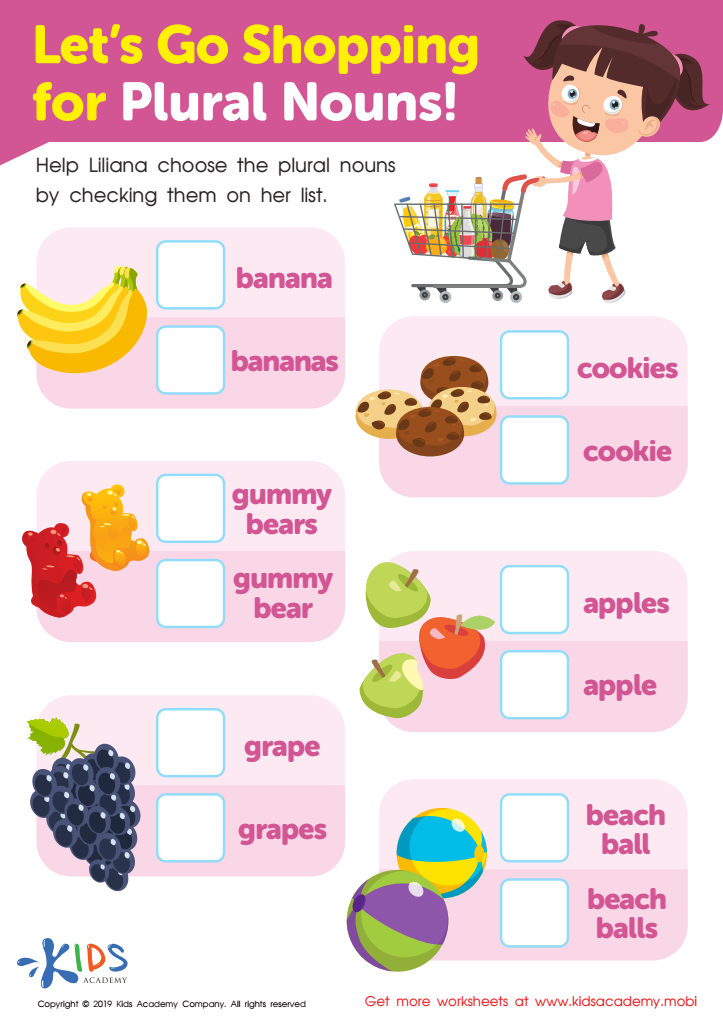
Let's Go Shopping for Plural Nouns! Worksheet


Let's Go Shopping for Plural Nouns! Worksheet

Help your students figure out the plural nouns in Lilliana's checklist. Look at the six objects in this PDF and add 's' to the nouns to make them plural. Show students how words can be tricky and explain how adding an 's' often changes the noun to its plural form.
Let's Go Shopping for Plural Nouns! Worksheet
Worksheet


Vocabulary enhancement for children aged 3-4 is crucial for their overall language development and future academic success. During these formative years, children are like sponges, absorbing the words and concepts they encounter. A rich vocabulary supports better comprehension, fosters effective communication, and builds confidence in expressing thoughts and ideas.

Parents and teachers should focus on vocabulary building because it serves as a foundation for literacy skills. Enhanced vocabulary correlates with improved reading comprehension and writing ability; therefore, investing time in vocabulary activities can have lasting benefits. At this age, children learn best through play, exploration, and interaction. Engaging them in fun, engaging activities—such as storytelling, songs, and games—makes vocabulary learning enjoyable and memorable.

Furthermore, vocabulary skills are linked to social and emotional development. A robust vocabulary enables children to articulate their feelings, enhancing their ability to interact socially and resolve conflicts. It also creates opportunities for meaningful conversations between parents, caregivers, and children.

In essence, vocabulary enhancement now sets the stage for a lifetime of learning. By prioritizing vocabulary development in early childhood, parents and teachers can ensure that children enter school equipped with the essential skills needed for academic achievement and effective communication.