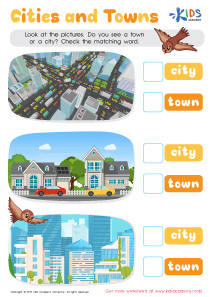
Sequencing Skills Easy Reading Worksheets for Ages 3-4
3 filtered results
-
From - To
Enhance your child's early learning with our "Sequencing Skills Easy Reading Worksheets for Ages 3-4". Designed to cultivate budding thinkers, these engaging worksheets help children grasp the key concepts of sequencing events and stories. Through playful illustrations and simple instructions, kids can enjoy activities that boost their critical thinking and reading comprehension. Each worksheet is expertly crafted to suit young learners, ensuring that their early reading journey is both enjoyable and educational. Build a solid foundation for your preschooler’s future learning with these captivating and developmentally appropriate sequencing exercises.
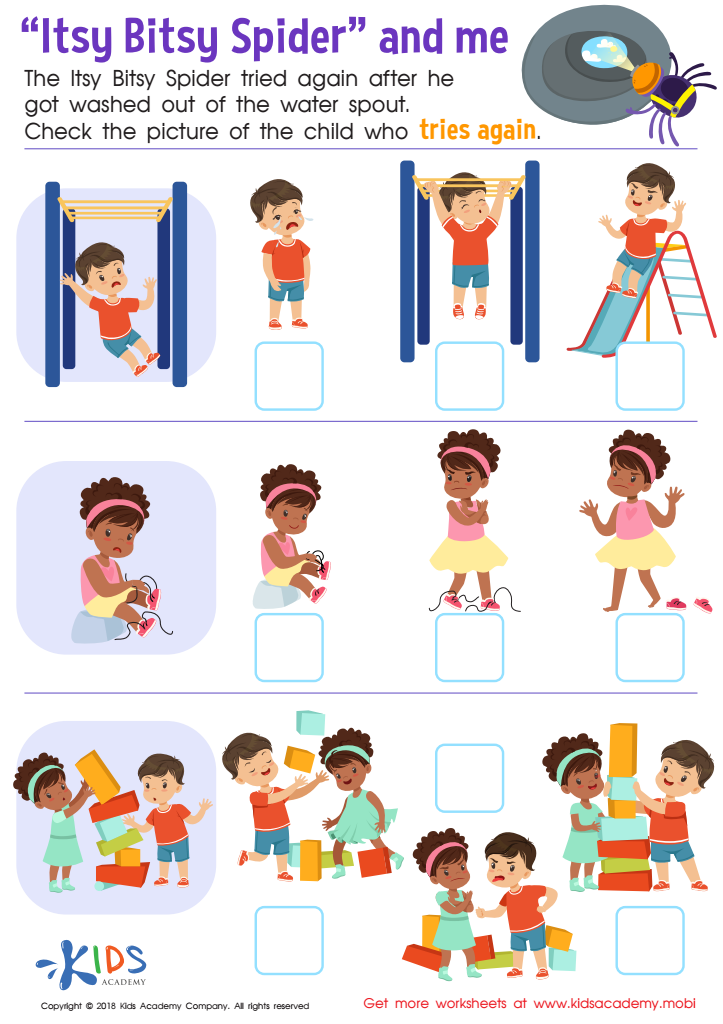
Itsy Bitsy Spider and Me Worksheet
 Assign to My Students
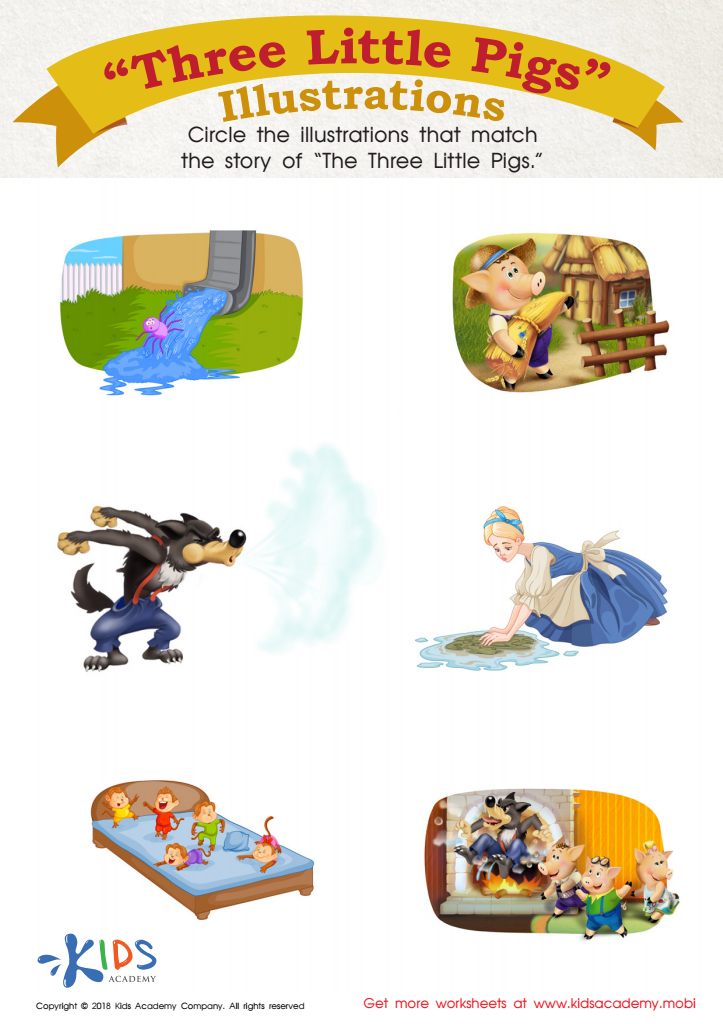
Three Little Pigs: Illustrations Worksheet
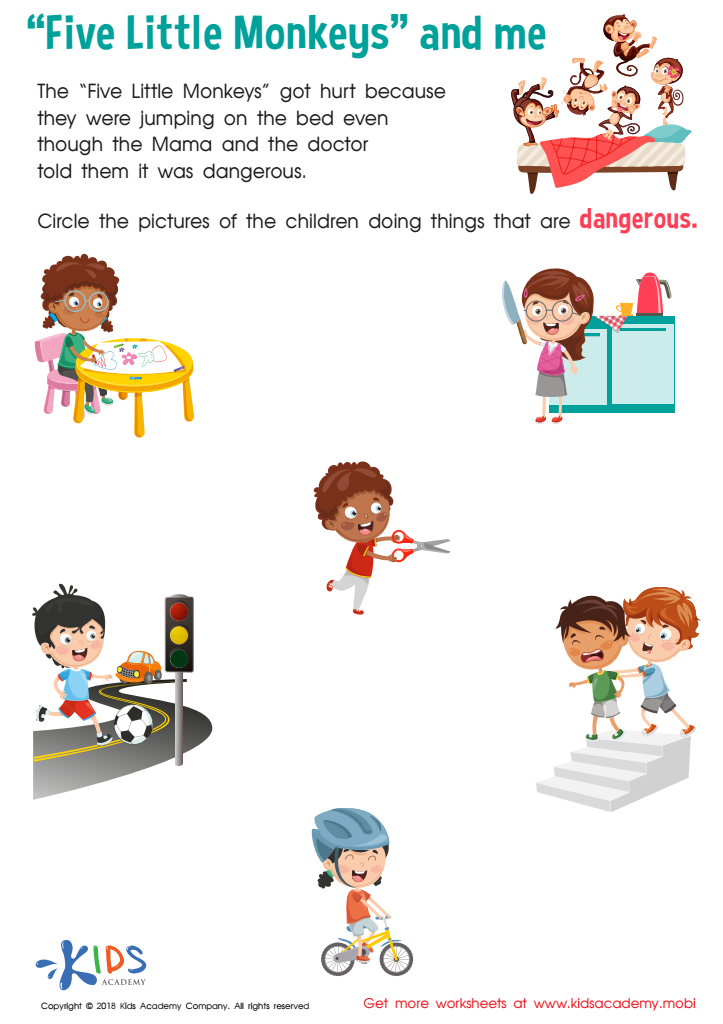
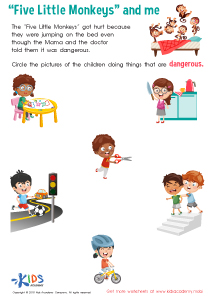
Five Little Monkeys and Me Worksheet








Sequencing skills form the cornerstone of early literacy and cognitive development for young children, making easy reading activities for ages 3-4 crucial. These activities help children understand the order of events, which is a fundamental aspect of comprehending stories, following instructions, and developing critical thinking. Teaching sequencing at this young age aids in the development of narrative skills by enabling children to identify the beginning, middle, and end of a story.
Moreover, sequencing fosters logical thinking, allowing children to predict what happens next based on prior events. This skill is not only vital for reading comprehension but also for day-to-day tasks and problem-solving activities. For instance, understanding the sequence of daily routines helps children become more independent.
In a classroom setting, sequencing activities improve children's attention spans and memory, essential components of effective learning. Teachers can incorporate fun, age-appropriate activities like arranging picture cards, retelling short stories, or following simple recipes which marry educational value with play.
Parents and teachers who prioritize sequencing skills provide children with a strong foundation for academic success and life skills. Early mastery of these skills sets the stage for a lifelong love of reading and an enhanced capability to navigate complex tasks efficiently.