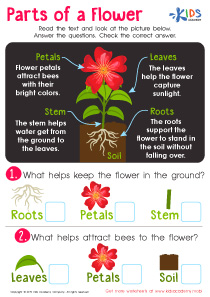
Sequencing Skills Easy Reading Fiction Worksheets for Ages 3-4
3 filtered results
-
From - To
Introducing our "Sequencing Skills Easy Reading Fiction Worksheets for Ages 3-4," specially designed to enhance early literacy skills in young learners. These engaging worksheets invite children to explore simple storylines, aiding them in understanding the order of events and strengthening their comprehension abilities. With colorful illustrations and relatable narratives, kids will enjoy rearranging pictures and completing story sequences. Perfect for at-home or classroom use, our resources encourage critical thinking and improve cognitive skills in a fun and interactive way. Help your little ones become budding readers with our entertaining sequencing activities that make learning enjoyable!
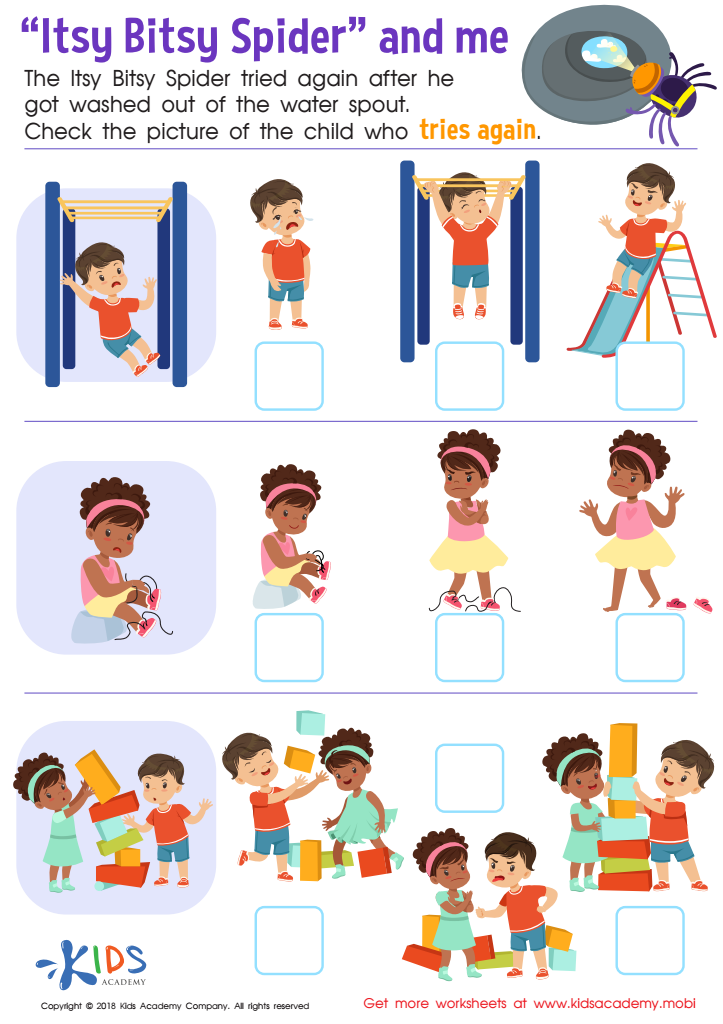
Itsy Bitsy Spider and Me Worksheet
 Assign to My Students
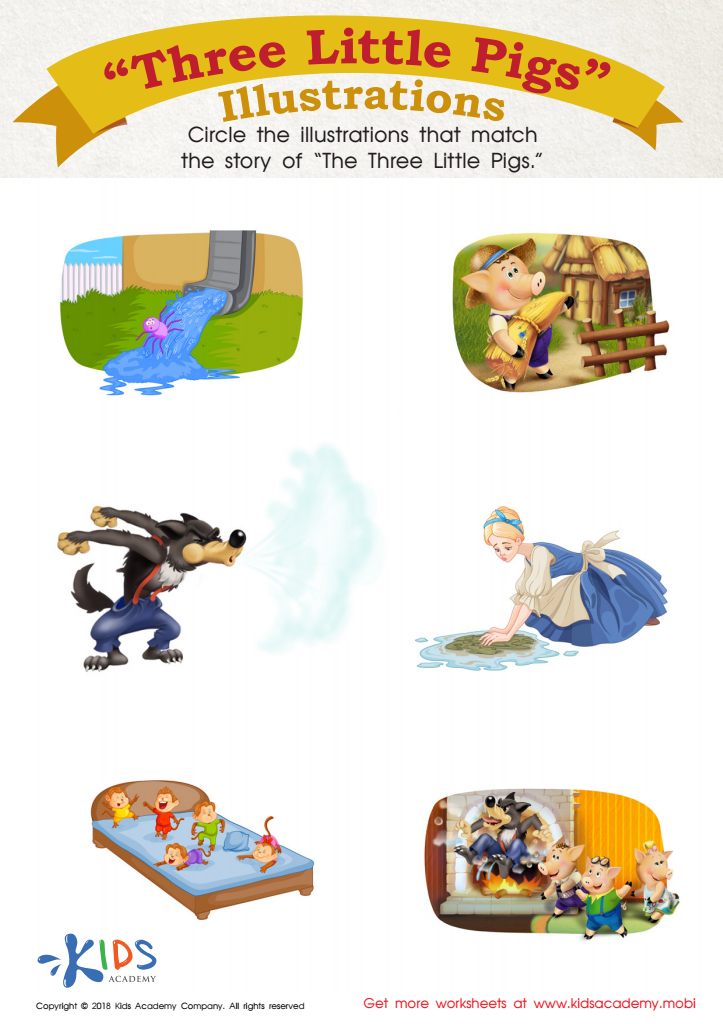
Three Little Pigs: Illustrations Worksheet
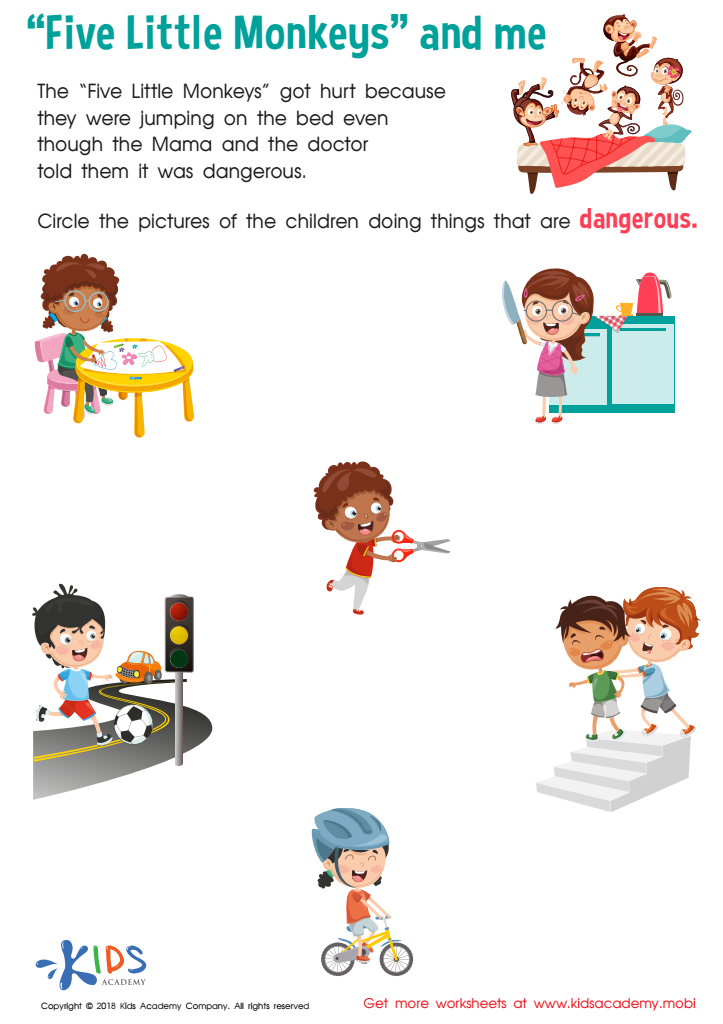
Five Little Monkeys and Me Worksheet








Sequencing skills are vital for young children, especially in reading fiction, as they lay the foundation for comprehension and critical thinking. For children aged 3-4, understanding the order in which events occur helps them connect ideas, predict outcomes, and grasp the concept of cause and effect. This skill is crucial when engaging with stories, as it enables children to follow plots, remember character actions, and anticipate what might happen next.
Parents and teachers should prioritize sequencing exercises in early reading activities to enhance cognitive development. Through storytelling, children learn to differentiate the beginning, middle, and end of a tale, helping them to understand narrative structure. Engaging them in discussions about story sequences encourages language development and vocabulary expansion as they express their thoughts.
Additionally, fostering sequencing skills through reading fiction creates interactive and enjoyable learning experiences. This practice not only promotes literacy but also strengthens parental or teacher-child bonds during storytime. Ultimately, nurturing sequencing skills at this early stage instills a love for reading, boosts overall academic achievement, and equips children with essential tools for effective communication as they grow. Thus, emphasizing Sequencing Skills in early reading is an investment in a child’s lifelong learning journey.