Handwriting practice Easy Alphabet Coloring Pages Worksheets for Ages 3-5
4 filtered results
Difficulty Level
Grade
Age
-
From - To
Subject
Activity
Standards
Discover our "Handwriting Practice: Easy Alphabet Coloring Pages Worksheets for Ages 3-5," designed to enhance your child's fine motor skills and early literacy. Our printable worksheets combine fun coloring activities with essential handwriting practice, making learning engaging and effective. Each page features bold, easy-to-trace letters alongside delightful illustrations, allowing children to familiarize themselves with the alphabet in a playful way. Perfect for parents and educators, these worksheets foster creativity while encouraging proper letter formation. Promote confidence in writing as your little ones enjoy honing their skills through colorful, interactive learning experiences. Download today and watch your child’s handwriting flourish!
Favorites
With answer key
Interactive
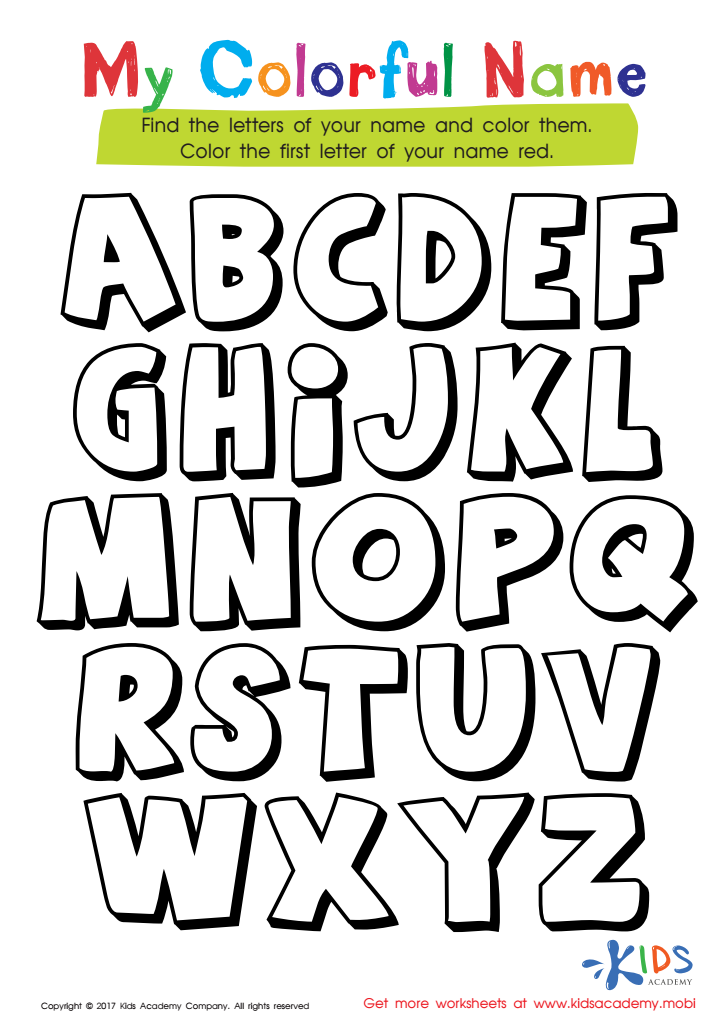
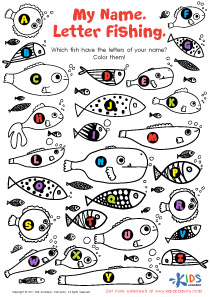
My Colorful Name Worksheet
Writing their names is a milestone for children. With this worksheet, they recall the letters in their name and color the letters one at a time. Spelling and alphabet order are reinforced as they find each letter. Use this fun printable to help kids learn to write their names!
Download (PDF)
 Assign to My Students
Assign to My Students
My Colorful Name Worksheet
Worksheet
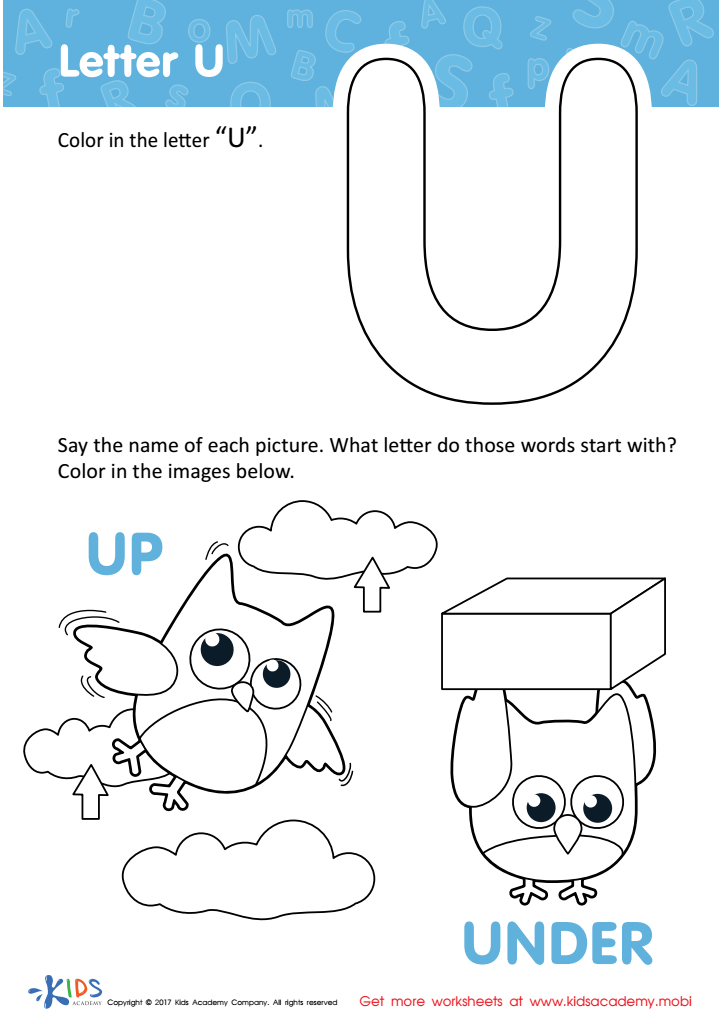
Letter U Coloring Sheet
This letter "U" coloring page helps your child learn two things at once - the letter "U" and positional words! An adorable owl character aids in understanding up and under. In a few strokes of a crayon, your child can master these concepts.
Download (PDF)
Assign to My Students
Assign to My Students
Letter U Coloring Sheet
Worksheet
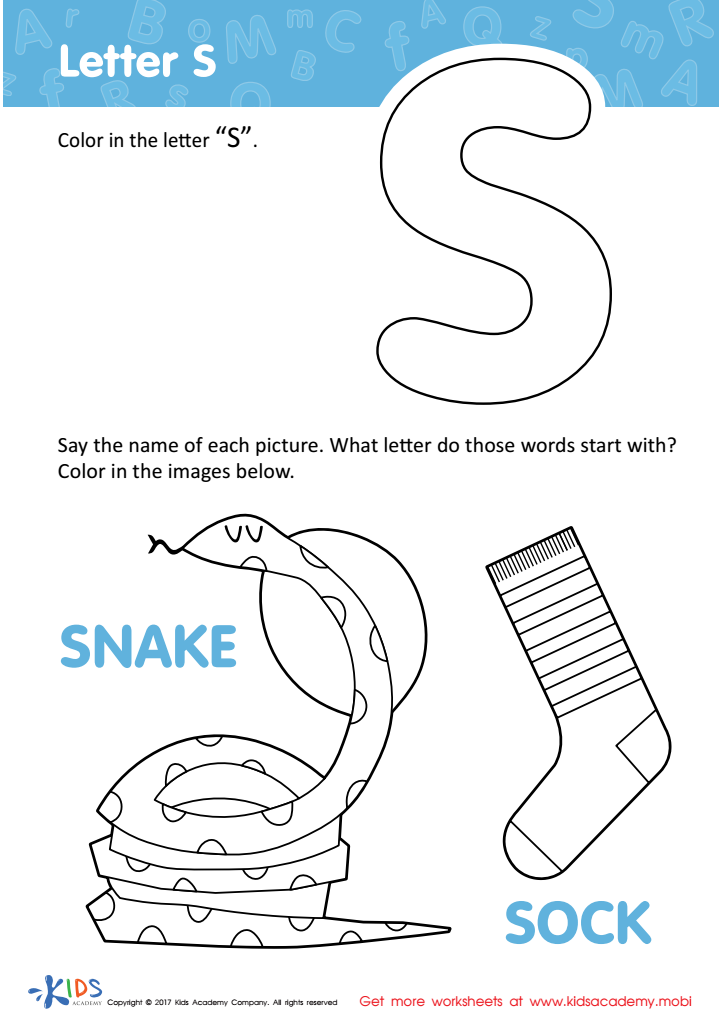
Letter S Coloring Sheet
Help your child practice recognizing the letter "S" and the sound it makes with this fun coloring page. It features a slippery snake, smelly sock and more! Give them extra practice by coming up with more "S" sounds and words.
Download (PDF)
Assign to My Students
Assign to My Students
Letter S Coloring Sheet
Worksheet
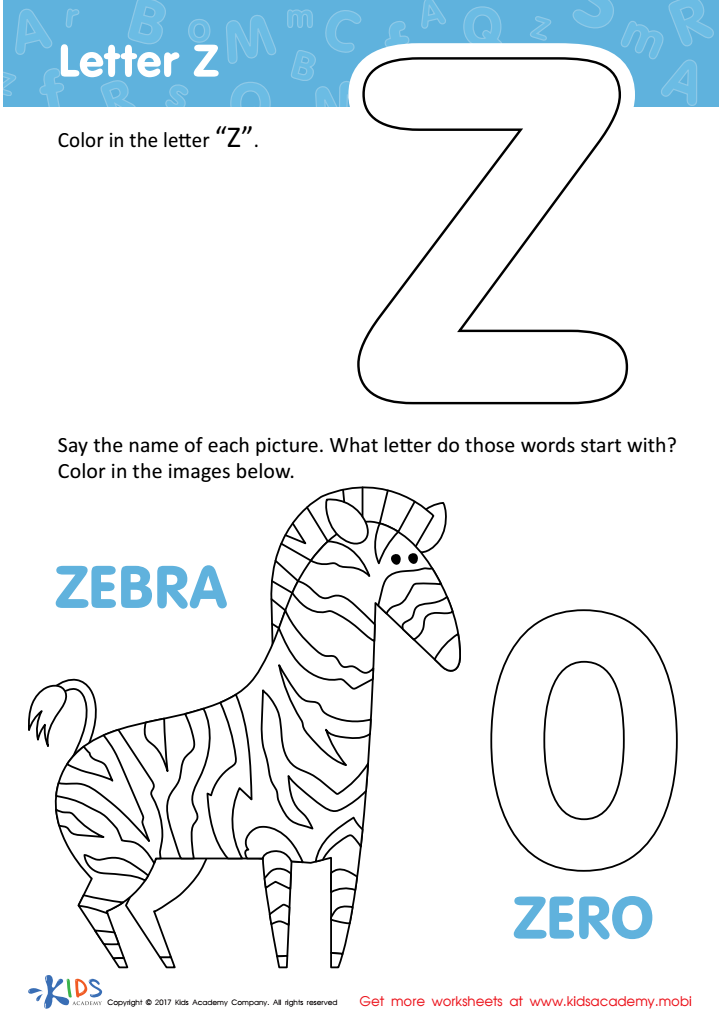
Letter Z Coloring Sheet
This coloring page featuring the letter "Z" is perfect for your child to practice letter recognition! Help them learn the unique sound it makes as they color. It'll be a fun and easy activity they won't have trouble with!
Download (PDF)
Assign to My Students
Assign to My Students
Letter Z Coloring Sheet
Worksheet
Join Kids Academy for Free
Who is primarily going to use this learning content?





Parents and teachers should prioritize handwriting practice through easy alphabet coloring pages for children aged 3-5 because it fosters foundational skills essential for literacy development. During this critical age, fine motor skills are still developing, and engaging in activities like coloring helps enhance hand-eye coordination. When children trace or color letters, they gain familiarity with letter shapes and their names, reinforcing recognition and phonetic sound associations.
Additionally, creative coloring activities can make learning fun and engaging. By incorporating vibrant visuals, children are eager to participate, turning what could be a mundane task into an interactive experience. This not only cultivates a positive attitude towards writing but also develops concentration and focus.
Furthermore, early handwriting practice lays the groundwork for future writing skills, facilitating smoother transitions into more complex literacy tasks. By emphasizing alphabet comprehension at this age, parents and teachers can support cognitive development.
Overall, handwriting practice through playful activities like coloring pages sets the stage for literacy success and helps create a holistic learning environment where children feel motivated to express themselves through writing. Supporting this early stage can lead to long-term academic enthusiasm and proficiency.